





Oriental Decorative Panels
Oriental decorative panels bring rich texture and craftsmanship into a room, spanning carved wood, lacquered surfaces and intricate inlay work.
Oriental Decorative Panels
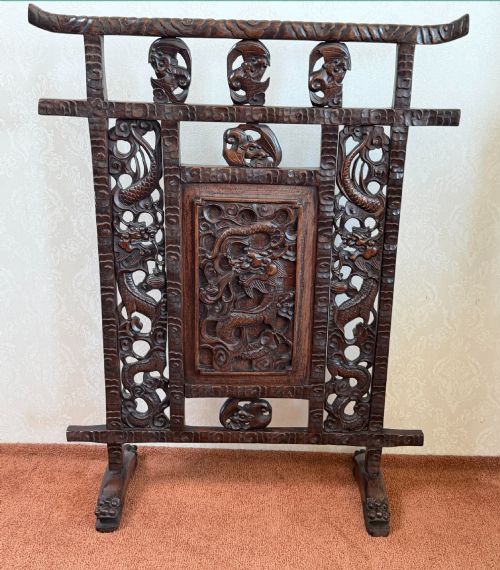
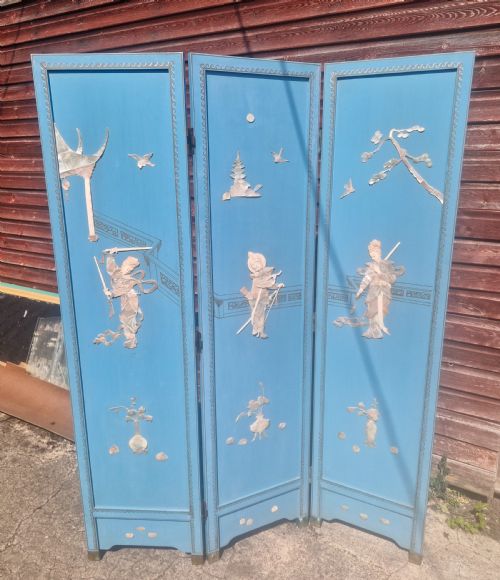
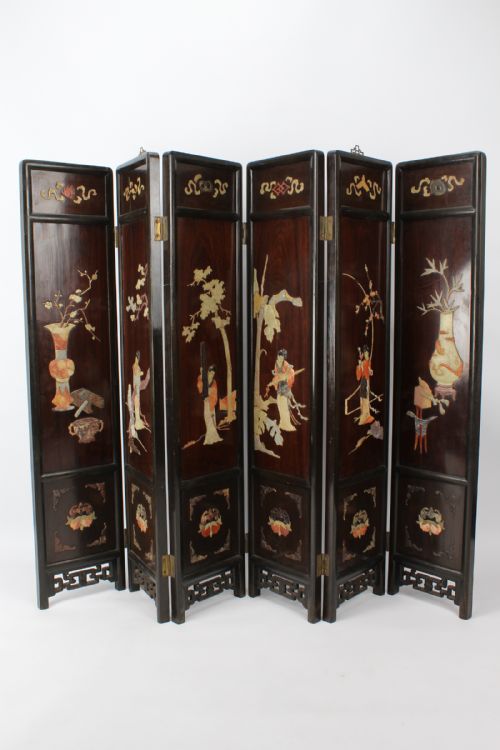
Oriental decorative panels encompass folding screens, wall plaques, table screens and framed wood panels originating from various Asian traditions and later interpretations. Buyers seeking these items will find pieces designed to divide spaces, mount on walls or rest on tabletops as focal points.
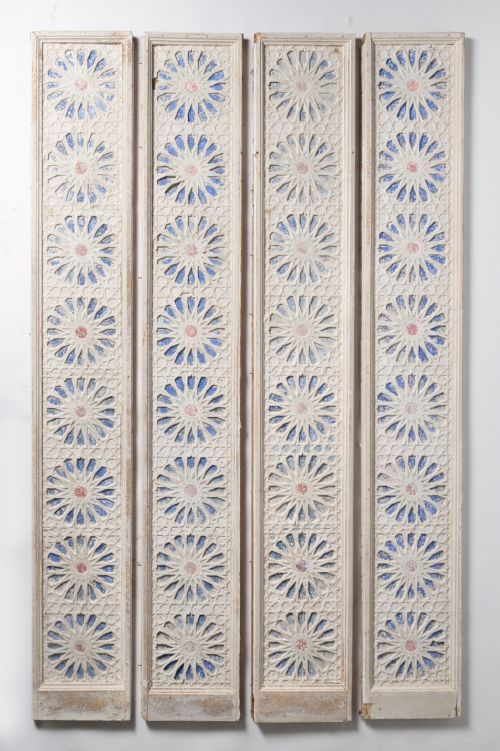
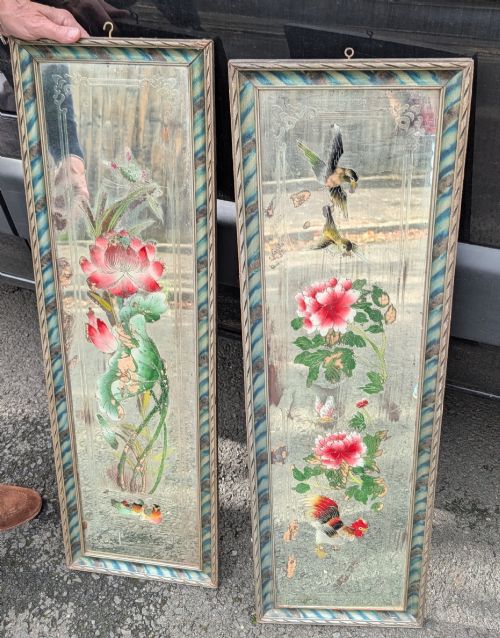
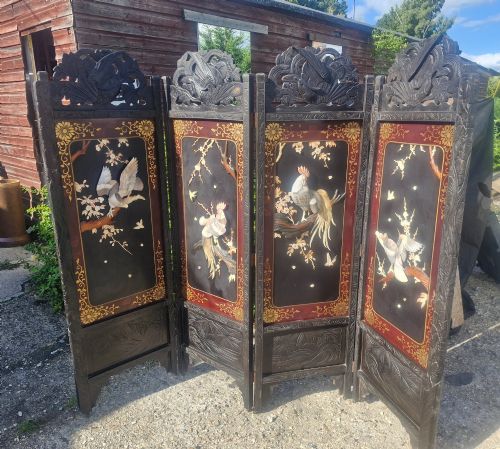
Origins span Japanese Meiji period works, Chinese Qing and Republican period items, alongside Indian and Burmese craftsmanship. Forms range from multi-fold screens down to smaller framed wall plaques and table screens with carved stands.
Assessing quality and execution
Quality rests primarily on the depth, clarity and precision of the carving and inlay work, where crisp edges and secure seating distinguish finer items. Superior panels show careful attention to detail in facial expressions, plumage and botanical elements rather than rushed, repetitive stamping.
The choice of base material and ground finish also dictates overall merit, with heavy hardwoods and multi-layered lacquer surfaces holding up better than lighter, secondary timbers. Original mounts, intact hinges and harmonious colour palettes complete the distinction between standard decorative items and masterwork pieces.
Oriental Decorative Panels Retail Price Guide 2026
Typical asking prices for oriental decorative panels among the pieces listed under this phrase on Sellingantiques today, from the lower quarter to the upper quarter. They describe what is for sale here now, not the wider market.
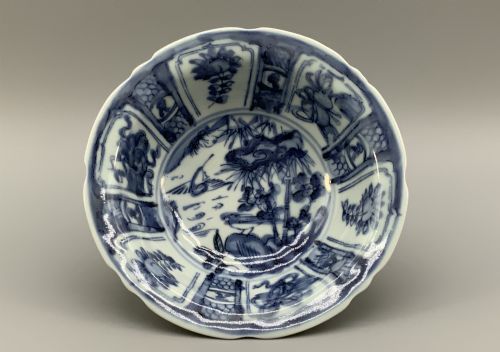
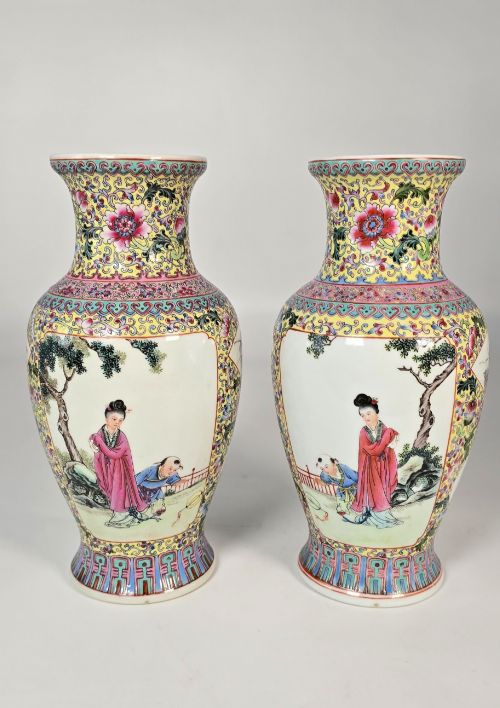
Listings feature materials spanning lacquer, hardwood, porcelain, brass, bone and gold leaf across multiple Asian origins.
The Oriental Decorative Panels Glossary
- Shibayama
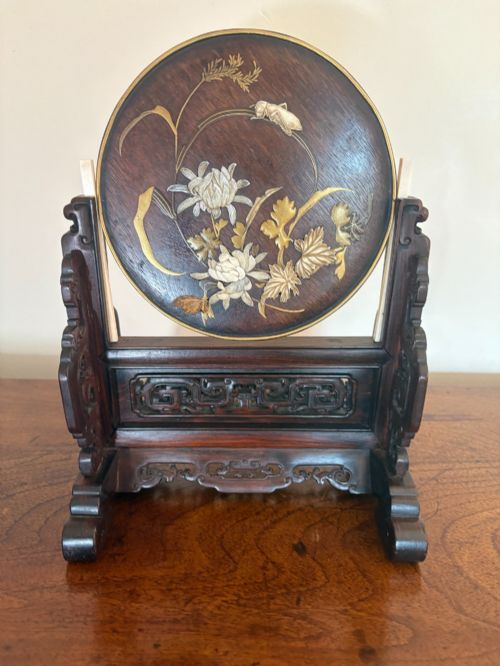
- A Japanese craft style involving intricate inlay of materials like bone, shell and ivory onto a lacquer or wood base. This technique creates highly detailed pictorial scenes with a distinct three-dimensional effect.
- Coromandel
- A type of Chinese incised lacquer work where designs are cut into a dark ground and filled with pigments or gold leaf. It is frequently seen on folding screens and heavy wall panels.
- Imari
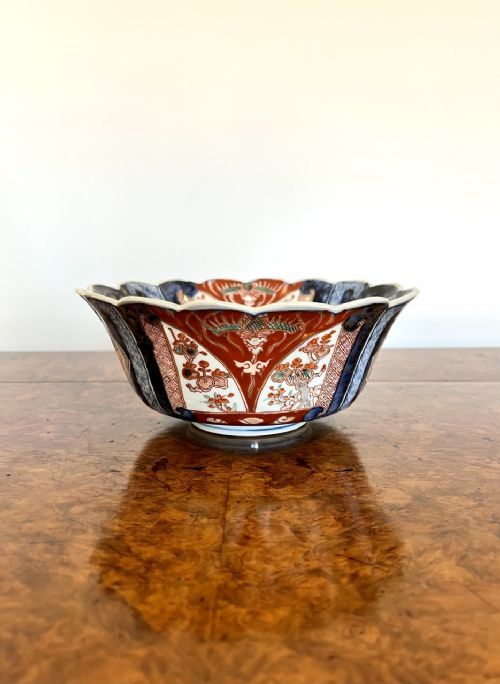
- A style of Japanese porcelain characterised by underglaze blue and overglaze iron red, gold and green colours. Pieces often feature complex floral and panelled designs.
- Meiji Period
- The era of Japanese history lasting from 1868 to 1912, known for opening trade with the West and producing highly refined decorative arts. Items from this period often display exceptional technical mastery.
- Pediment
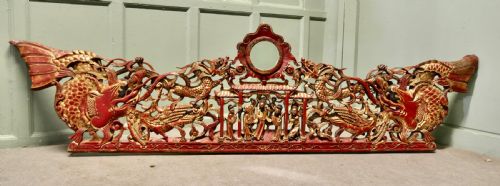
- An architectural element used decoratively above openings or as a top feature on furniture. In this context, it refers to large carved wooden crests.
Oriental Decorative Panels: Frequently Asked Questions
How were folding screens used historically?
Folding screens served primarily to partition large rooms, create private dressing areas, or block draughts in traditional interiors.
They also acted as movable backdrops to soften bare walls and display intricate artistry in domestic spaces.
What is the difference between a table screen and a wall plaque?
Table screens consist of a decorative panel mounted within a supporting wooden frame designed to stand upright on desks, altars or tables. Wall plaques are meant to be hung directly on vertical surfaces for permanent display.
Both formats showcase detailed carving, lacquer or inlay work on a smaller scale than room dividers.
How do I care for antique lacquer panels?
Keep lacquer panels away from direct sunlight, extreme temperature fluctuations and high humidity to prevent the surface from cracking or warping. Dust them gently with a soft, dry cloth without applying modern chemical polishes.
Stable indoor conditions help preserve the integrity of both the wood base and the delicate inlays.
How can I tell the difference between Chinese and Japanese panels?
Chinese panels frequently utilise deep wood carvings, painted Coromandel lacquer techniques and symmetrical compositions involving symbolic motifs. Japanese pieces often incorporate delicate Shibayama bone inlay, metal accents, and asymmetrical naturalistic scenes.
Examining the underlying timber, framing style and specific decorative subjects helps clarify the geographic origin.