


Oriental Decorative Dishes
Oriental decorative dishes are intricate vessels from Asian and Victorian traditions that bring historical artistry and vibrant pattern into a room.
Oriental Decorative Dishes
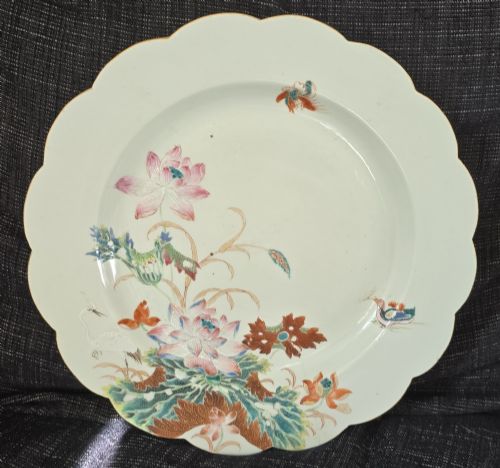
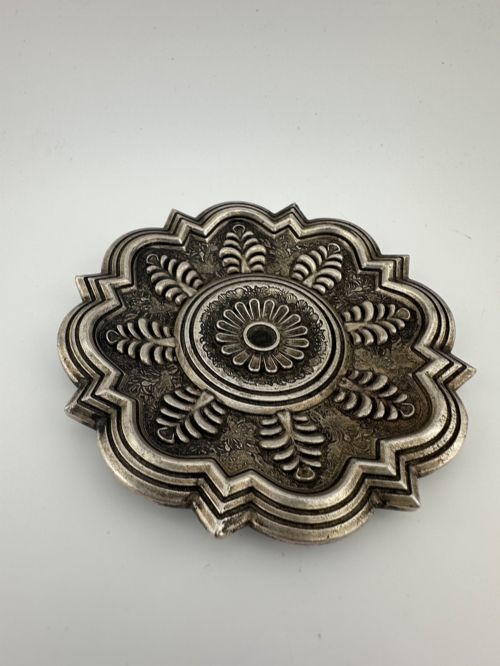
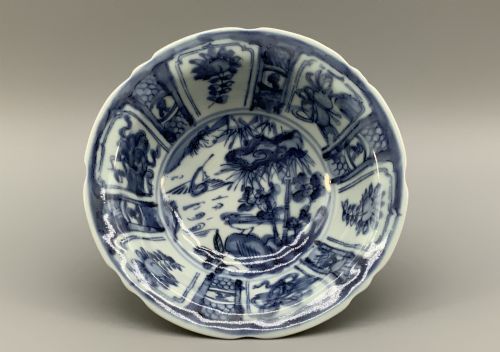
Oriental decorative dishes encompass a wide range of plates, bowls, chargers, and plaques originating from Eastern export traditions and British Victorian periods. When exploring oriental decorative dishes, a buyer encounters forms designed for display rather than utility, including large chargers and scalloped plates.
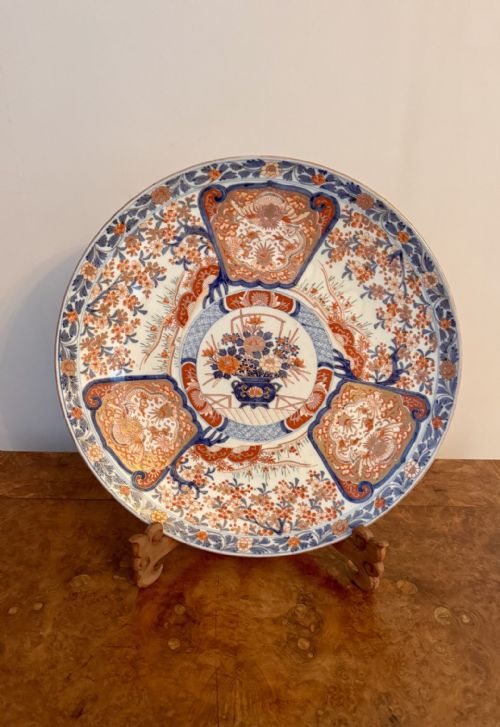
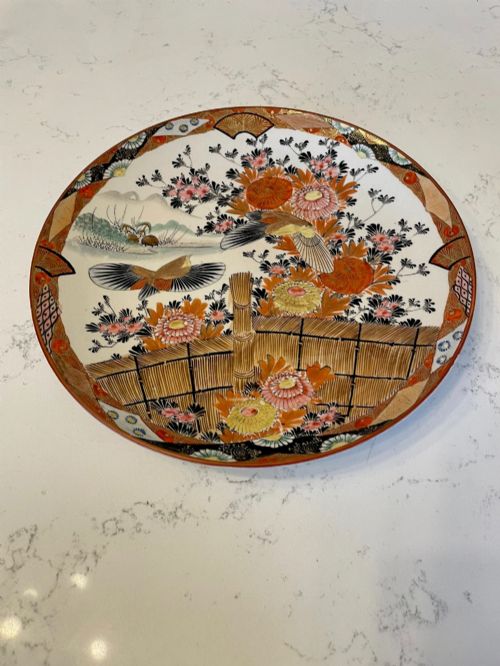
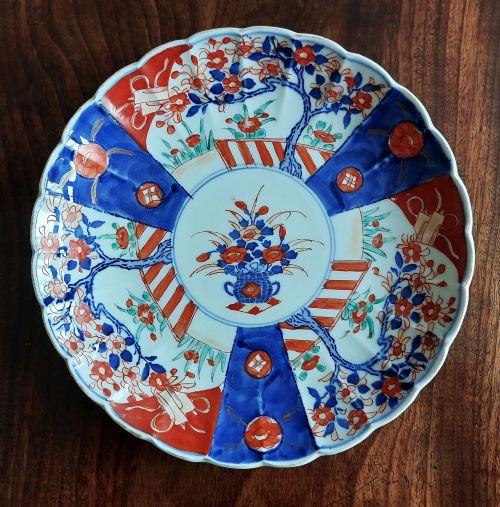
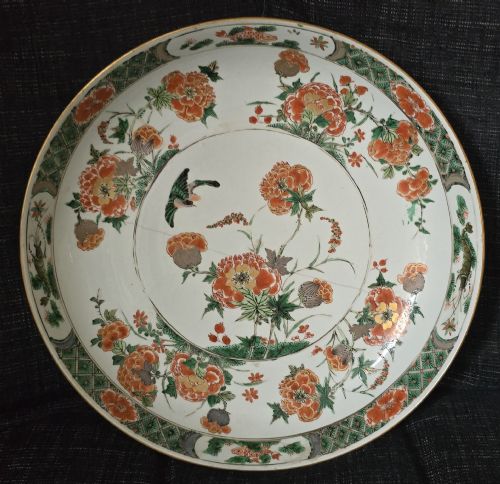
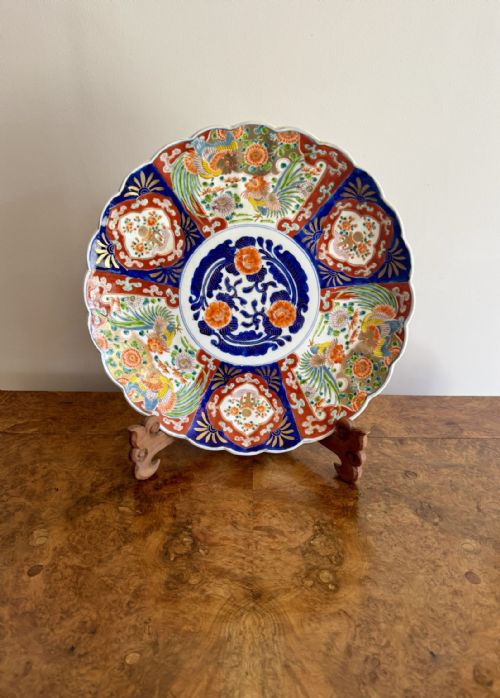
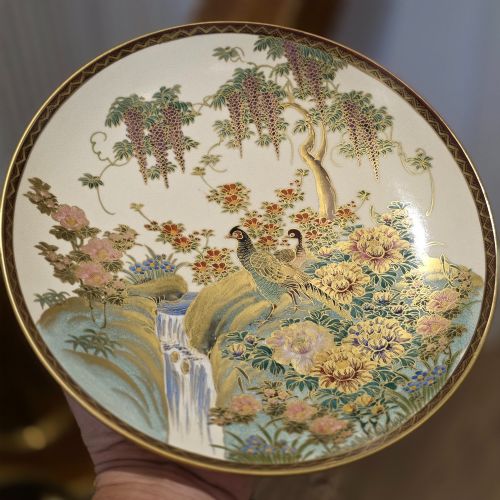
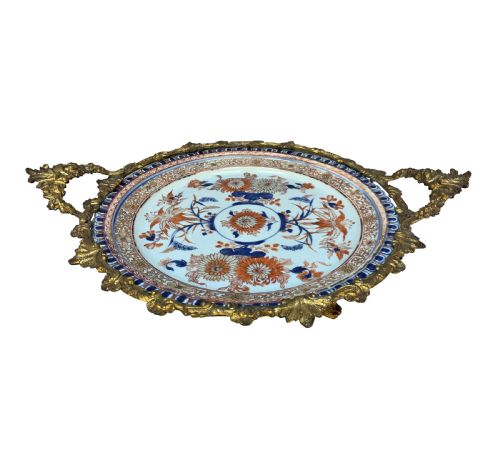
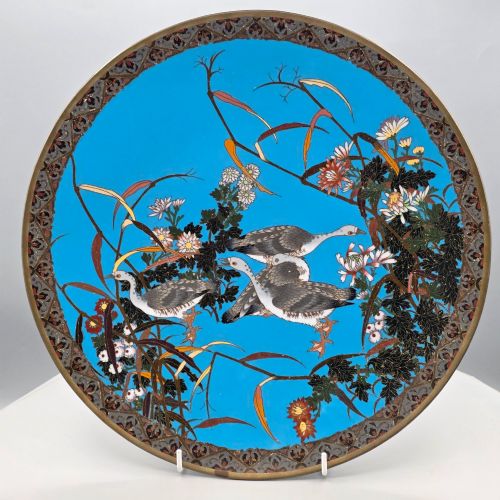
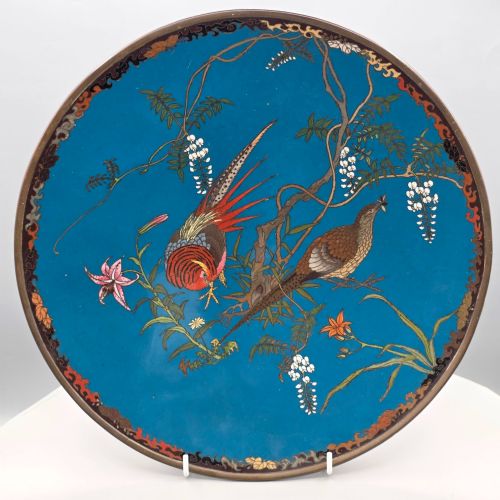
Japanese Imari ware and Satsuma pottery appear frequently among the plates and bowls, alongside detailed cloisonné enamels. These items reflect traditional motifs such as birds, flowers, landscapes, and figures, rendered in distinctive regional palettes.
How they were made
Potters and artisans utilised ceramic bodies such as porcelain and earthenware, shaping plates, bowls, and chargers by hand or mould before applying glazes. Cobalt blue underglaze painting and polychrome enamel decoration provided the colourful imagery seen on Chinese and Japanese ceramics.
Metalworking techniques involved hammering copper or brass and applying cloisonné enamel, where thin wire compartments held coloured glass pastes before firing. Patinated iron vessels received intricate inlay work in gold and silver, creating textured surfaces on plaques and trays.
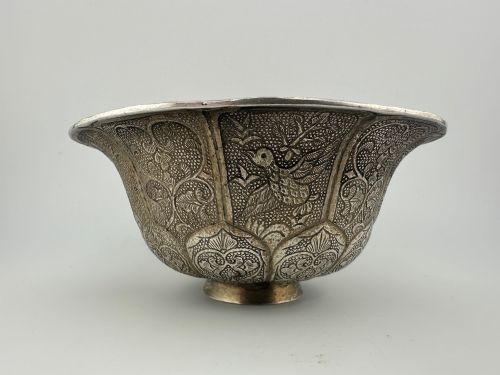
Listings feature copper, brass, and white metal alongside traditional porcelain and earthenware bodies.
What varies in quality
The refinement of the hand-painted details and the precision of the enamel work distinguish finer examples from standard production pieces. Complexity in the integration of motifs, such as layered floral patterns or intricate bird plumage, elevates the standing of a bowl or charger.
The depth of the glaze, the clarity of the colours, and the crispness of scalloped or lobed edges reveal the skill of the original workshop. In metal items, the neatness of the wirework partitions and the subtlety of patination indicate superior craftsmanship.
Koshida·Gyokkō·Kozan
The Oriental Decorative Dishes Glossary
- Imari
- A style of Japanese porcelain decorated in underglaze blue, iron red, and gold, named after the port from which it was shipped.
- Cloisonne
- A decorative metalwork technique where enamel paste is applied within compartments created by soldered flat wires.
- Charger
- A large decorative plate or platter traditionally utilised for display or ceremonial purposes rather than dining.
- Satsuma
- A type of Japanese earthenware featuring a pale, crackled ivory glaze decorated with polychrome enamels and gilding.
- Canton
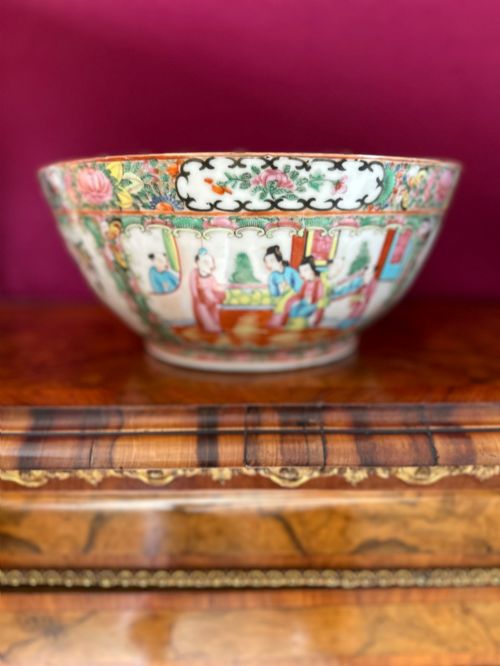
- A style of Chinese export porcelain characterised by colourful panels depicting figures, birds, and flowers.
Oriental Decorative Dishes: Frequently Asked Questions
How were oriental decorative dishes displayed?
These pieces were typically showcased on tables, hung on walls as plaques, or placed within cabinets to highlight their intricate designs and colourful glazes.
Larger chargers and platters often stood on dedicated stands to allow full appreciation of the painted or enamelled scenes.
What is the difference between Imari and Satsuma?
Imari ware is a durable porcelain featuring distinctive blue and red designs with gold highlights, created in Japan for both domestic and export markets.
Satsuma ware utilises an earthenware body with a fine crackle-glaze finish, providing a warm ivory canvas for densely detailed pictorial scenes.
How do I care for antique enamel and porcelain?
Maintenance requires gentle dusting with a soft, dry cloth to protect delicate enamel surfaces, gilding, and metal inlays from abrasive wear.
Keeping dishes away from direct sunlight and moisture prevents fading and preserves the integrity of both ceramic bodies and metalwork.
How do I identify a Meiji period piece?
Meiji period items, produced between 1868 and 1912, frequently exhibit exceptional technical mastery in cloisonné enamel, patinated iron, and detailed porcelain painting.
Many of these works bear artist signatures or workshop marks corresponding to this era of Japanese craft revival and international export.