


Oriental Decorative Dish
An oriental decorative dish brings centuries of skilled craftsmanship, vibrant enamel work, and intricate porcelain design straight into your interior space.
Oriental Decorative Dish
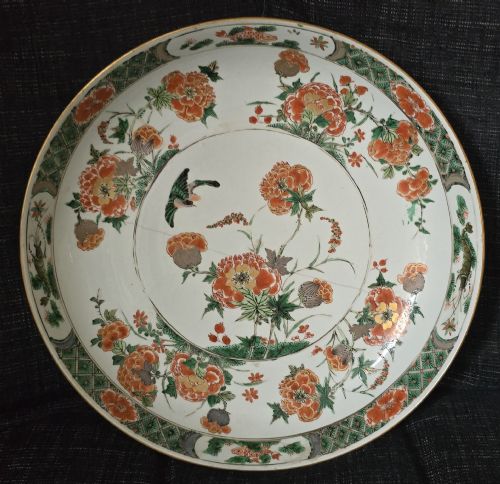
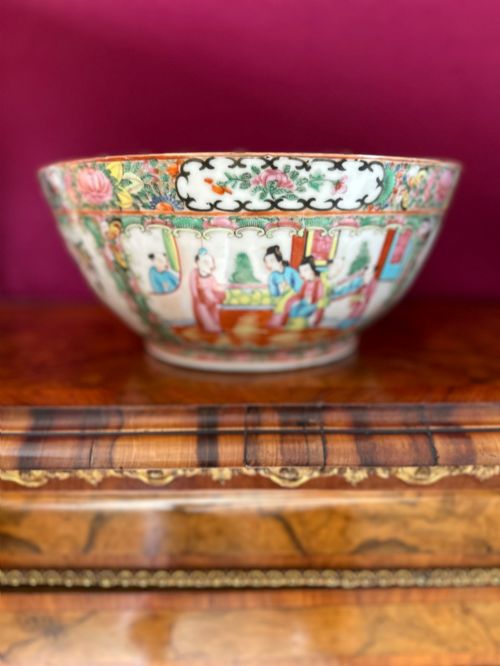
When you search for an oriental decorative dish, you encounter a diverse range of plates, chargers, bowls, and trays originating from Chinese and Japanese workshops.
The objects on this page span the late nineteenth century and the early twentieth century, encompassing Victorian and Meiji period pieces alongside earlier stylistic influences.
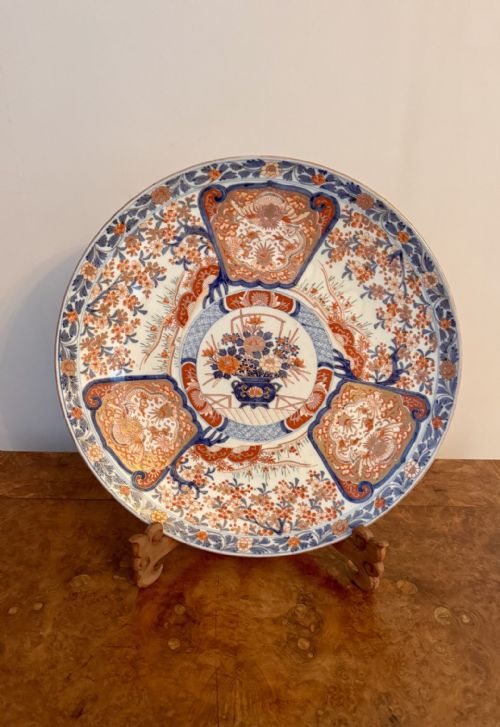
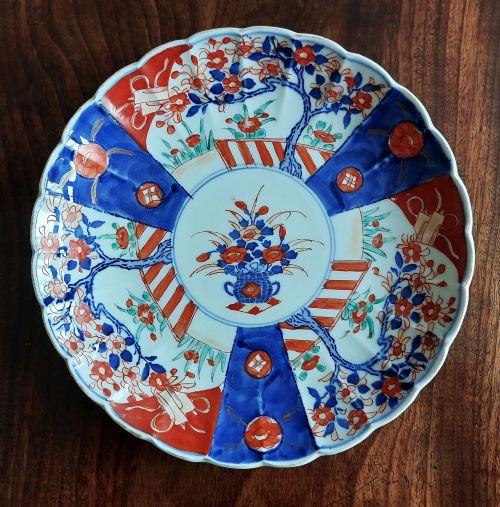
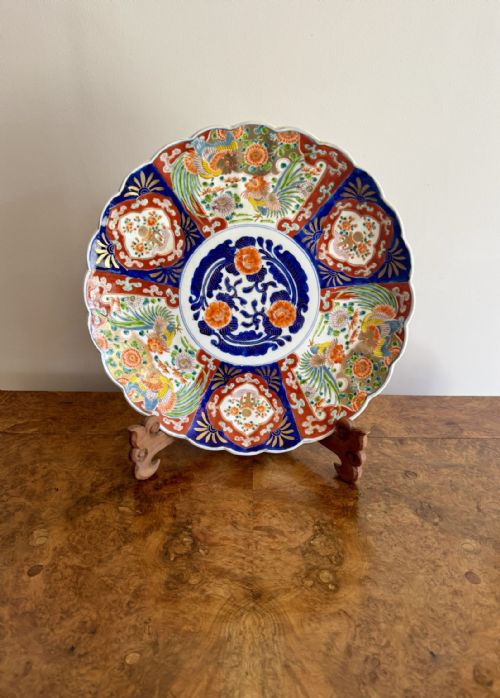
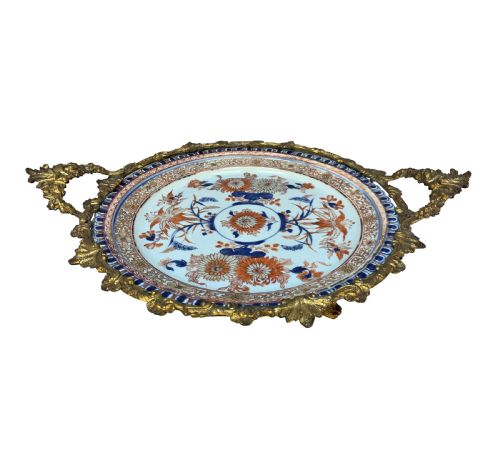
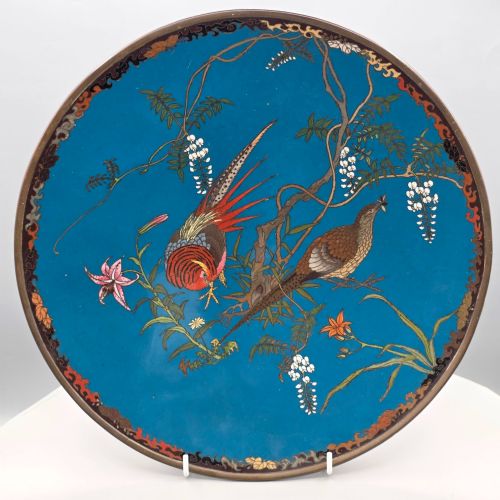
You are most likely to meet Japanese Imari porcelain chargers and detailed Cloisonne enamel plates, which dominate the available forms.
Materials and methods
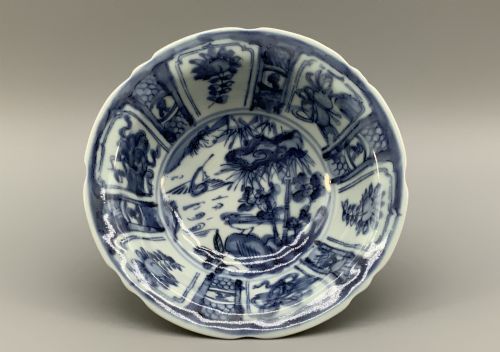
Artisans utilised hard-paste porcelain, earthenware, and copper bases, applying coloured glazes, enamel, and gold leaf by hand.
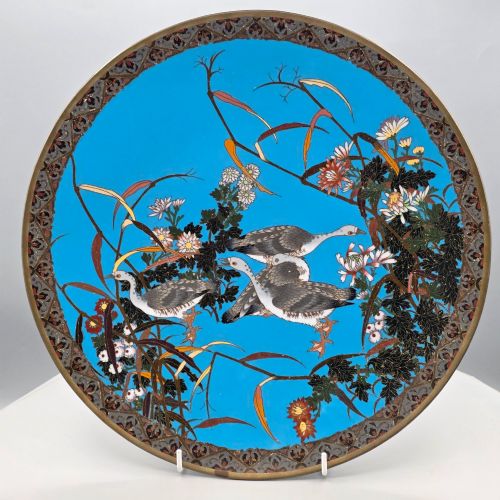
Cloisonne pieces required soldering thin metal wires onto a metal body to form cells that were filled with enamel paste and fired.
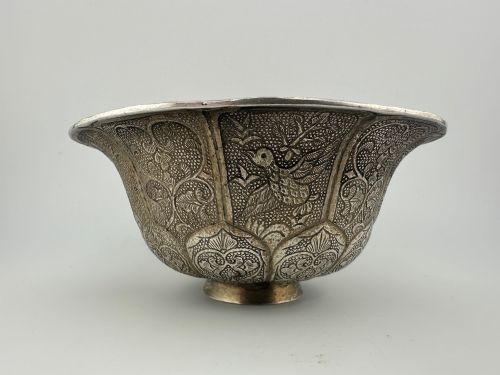
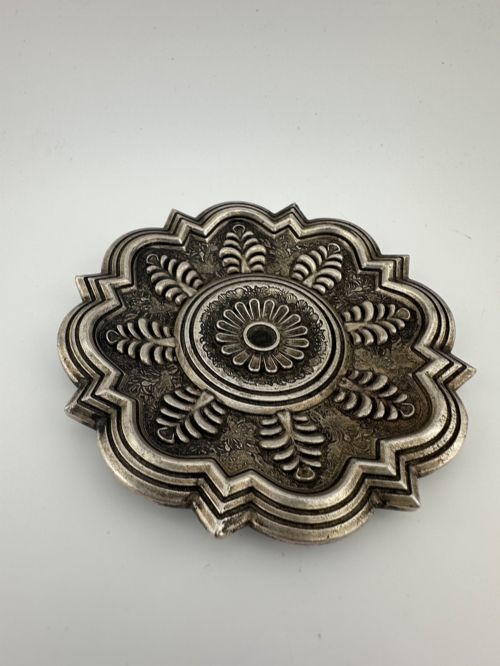
Metalwork items incorporate patinated iron or white metal surfaces enhanced with intricate silver and gold inlay.
Several Meiji period chargers proudly feature mischievous frogs and leaping koi amidst quiet garden scenes.
Distinctions in grade
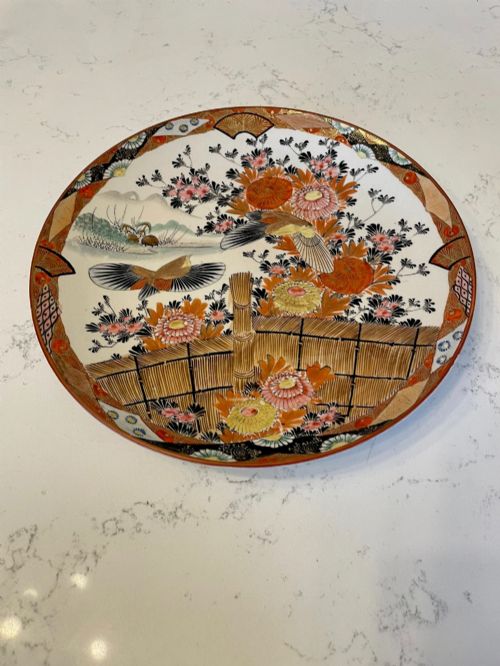
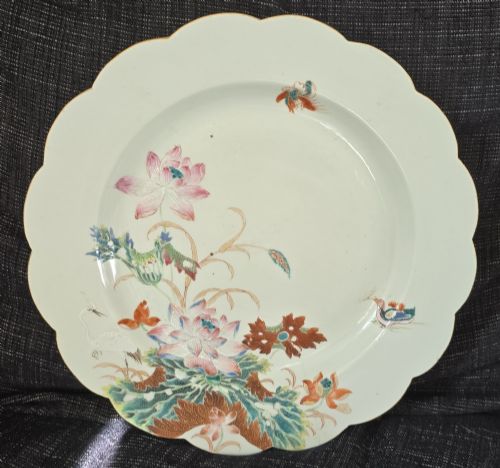
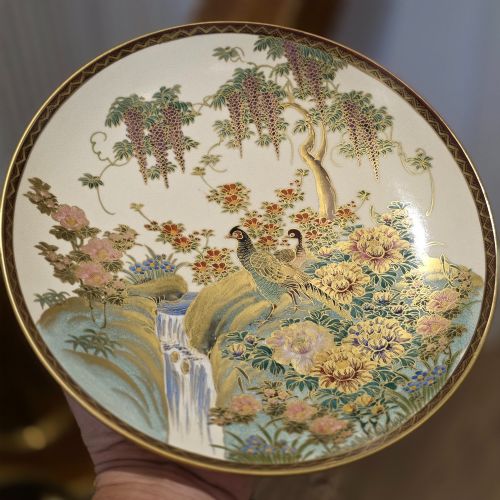
The upper tier of pieces exhibits exceptional detail in hand-painted motifs, such as crisp depictions of birds, flora, and landscapes executed with precise brushwork.
Cloisonne quality is determined by the fineness of the wirework and the smoothness of the polished enamel surface free of pitting.
The prestige of the maker or workshop, occasionally indicated by a signature or period mark, separates standard decorative items from masterworks.
Koshida·Kozan
The Oriental Decorative Dish Glossary
- Imari
- A style of Japanese porcelain featuring a distinctive palette of underglaze blue, iron red, and gilt highlights. It originated in the town of Arita and became popular for export.
- Cloisonne
- An ancient technique for decorating metal object surfaces using enamel compartments created by soldered wires. Craftsmen fire the piece multiple times to achieve a vitreous finish.
- Charger
- A large decorative plate or platter intended for display on a wall or sideboard rather than for serving food. These pieces measure significantly larger than standard dining plates.
- Satsuma
- A type of earthenware pottery originating from Satsuma province, characterised by a ivory-coloured cracked glaze decorated with polychrome enamels and raised moriage details.
- Kutani
- A style of Japanese porcelain known for bold pictorial designs and rich colour palettes, particularly deep greens and golds.
Oriental Decorative Dish: Frequently Asked Questions
What is an oriental decorative dish used for?
These items serve primarily as decorative display pieces rather than functional tableware. Collectors traditionally exhibit large chargers on walls or stands to showcase the painted artistry.
Smaller bowls and dishes find placement on tables or cabinets where their colours and metallic details complement the room's decor.
How do I care for an antique enamel dish?
Dust the surface gently with a soft, dry cloth to prevent accumulation. Avoid using chemical cleaners, abrasive sponges, or water, as moisture can damage older metal substrates and delicate enamel.
Keep the pieces away from direct sunlight to preserve the vibrancy of the hand-painted pigments over time.
How can I tell a Meiji period piece apart?
Meiji period items, produced between eighteen sixty-eight and nineteen twelve, often display exceptional technical mastery in metalwork, cloisonne, and Satsuma pottery.
Look for refined wirework, complex pictorial scenes featuring flora and fauna, and signatures of individual artists or prominent workshops from the era.