
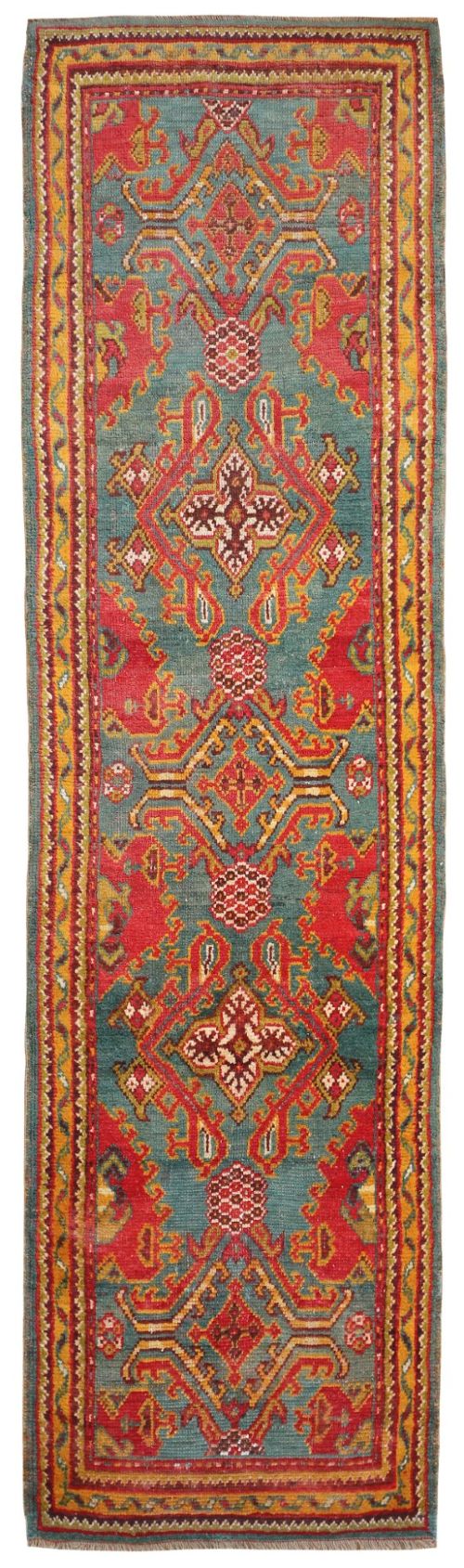
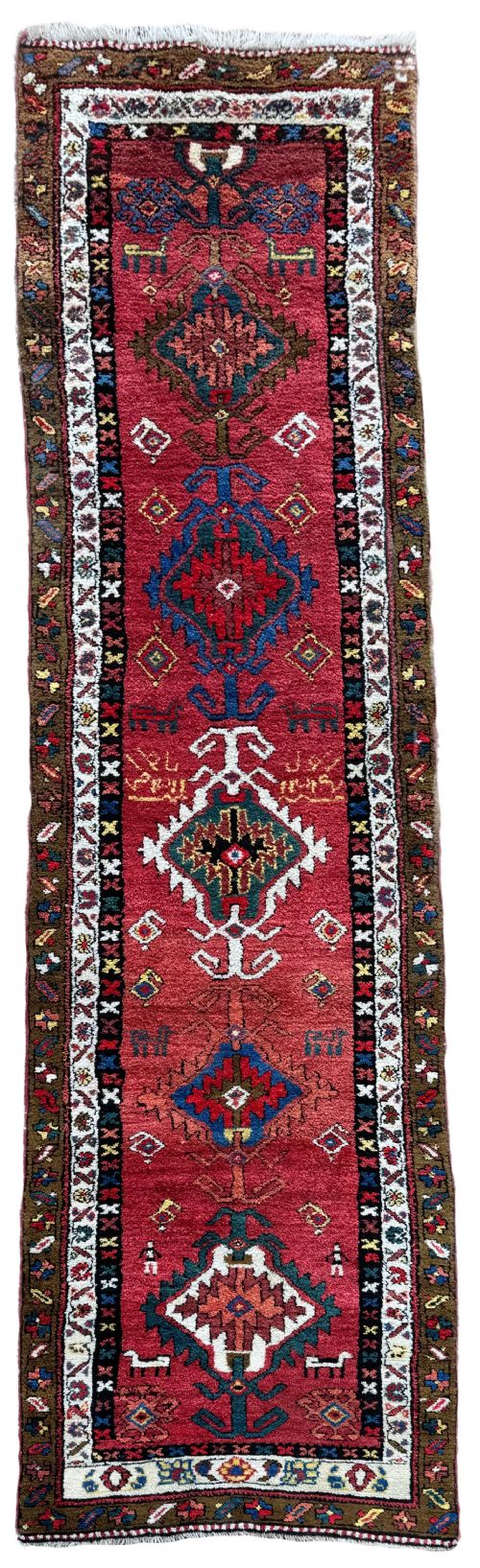
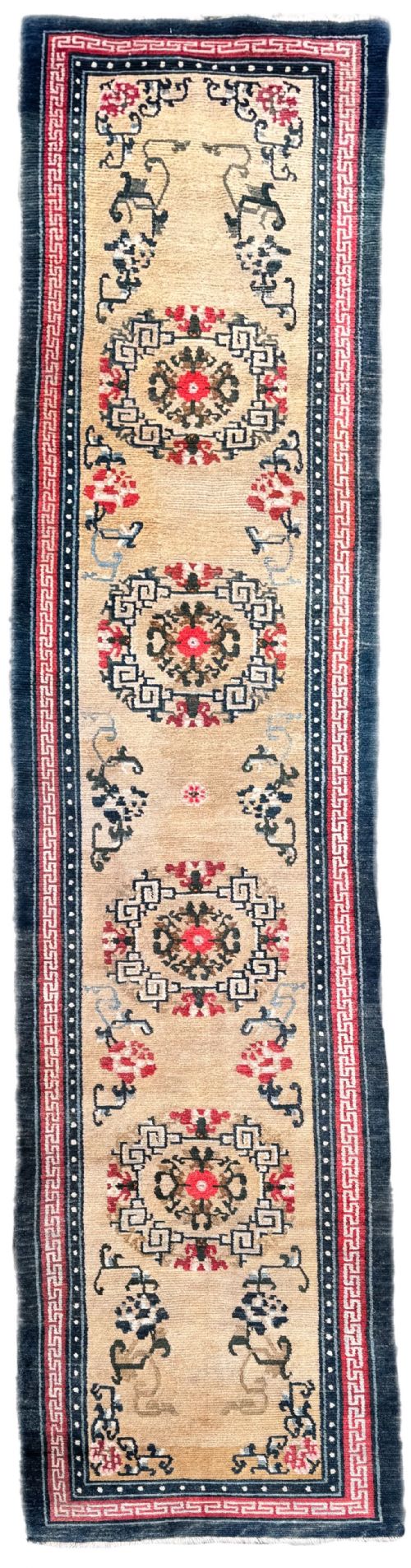
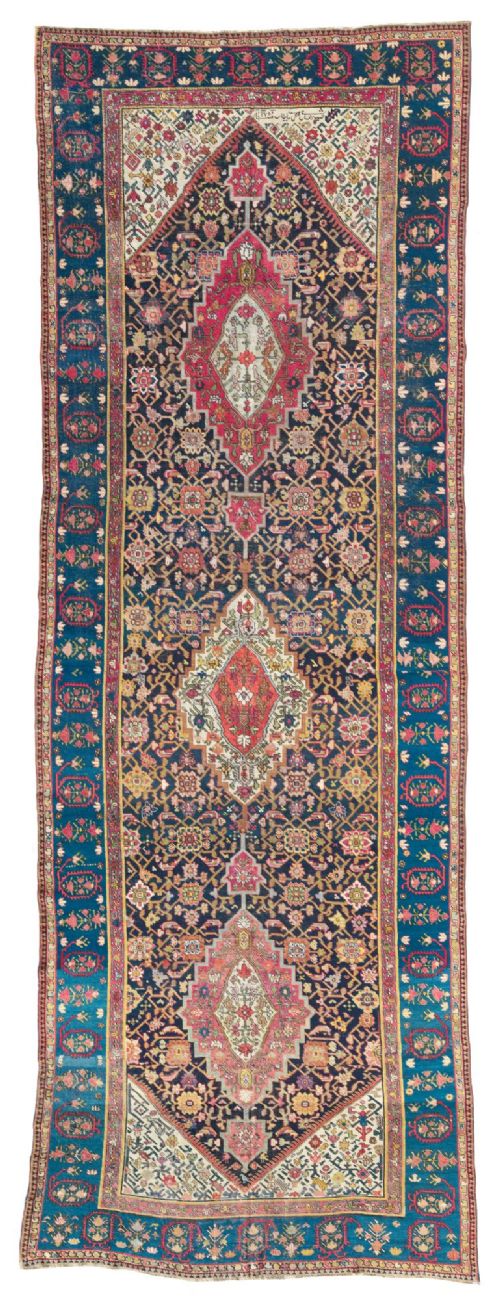

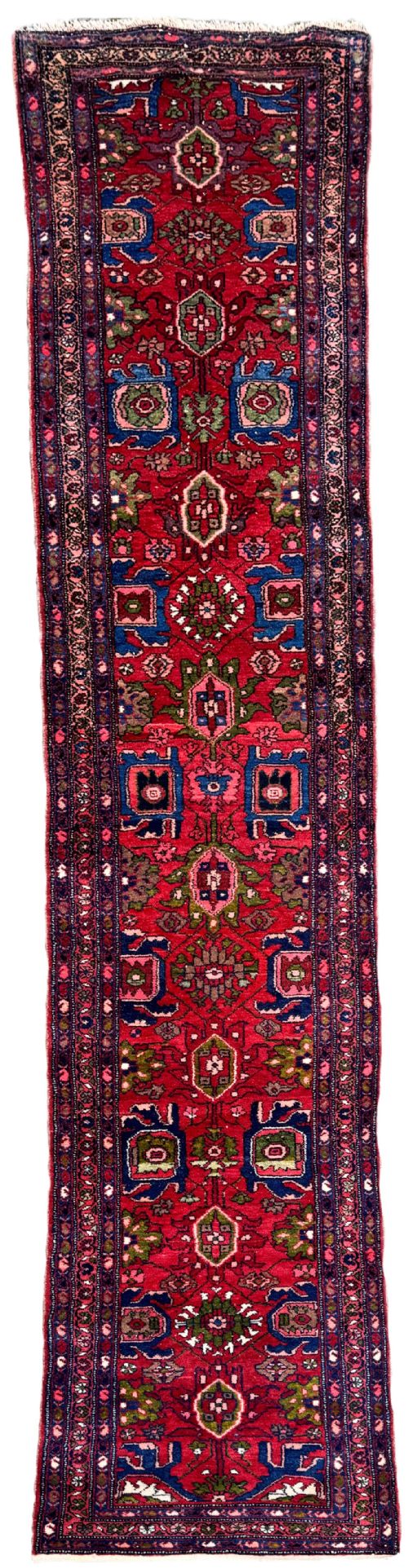
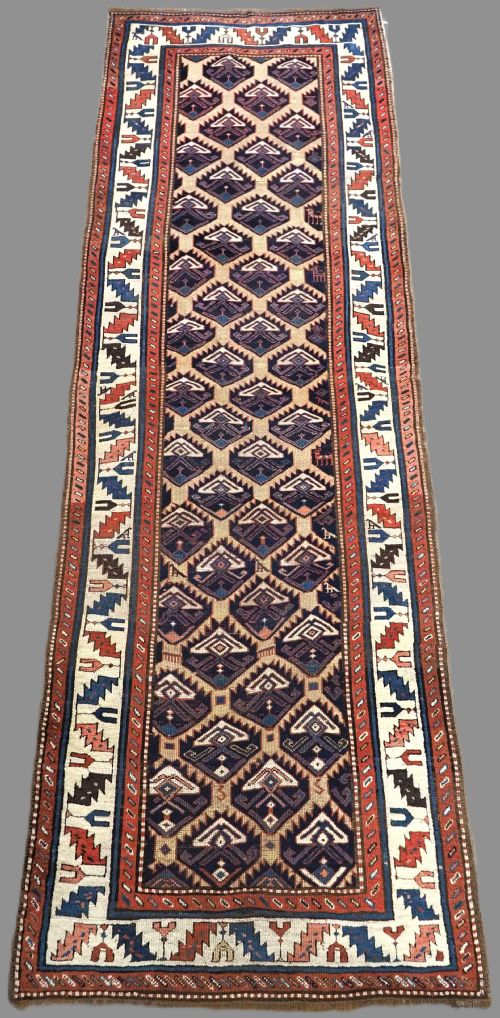
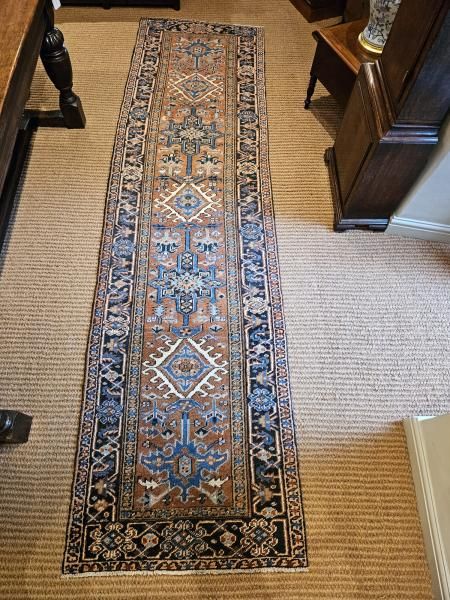
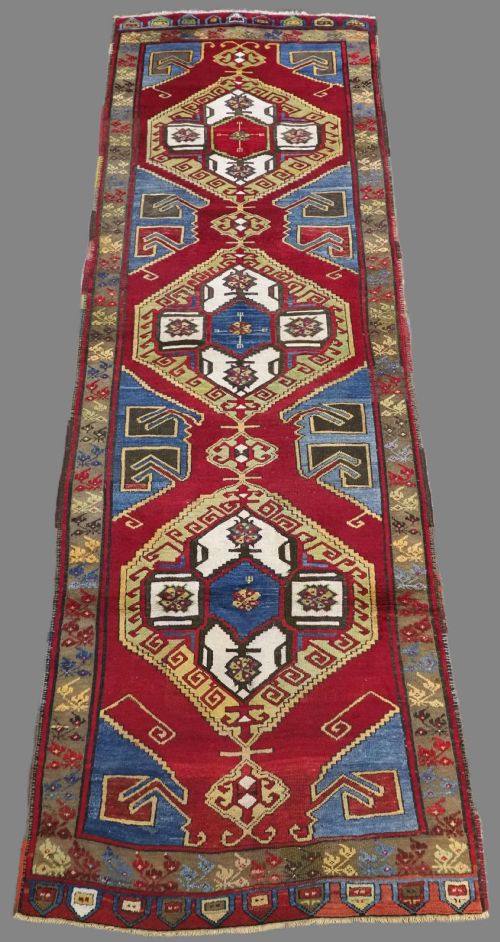
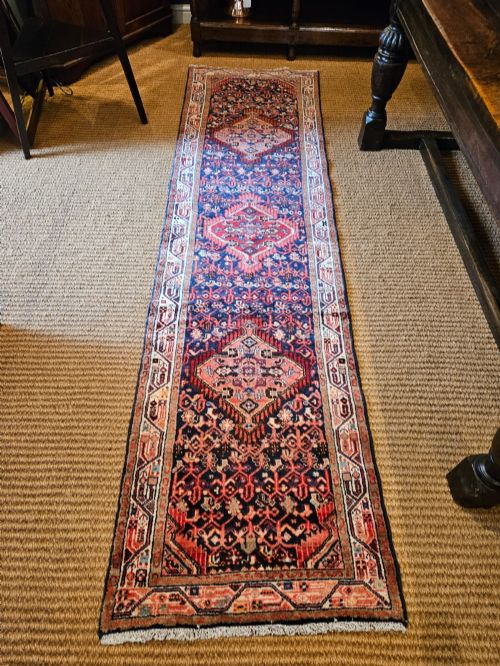
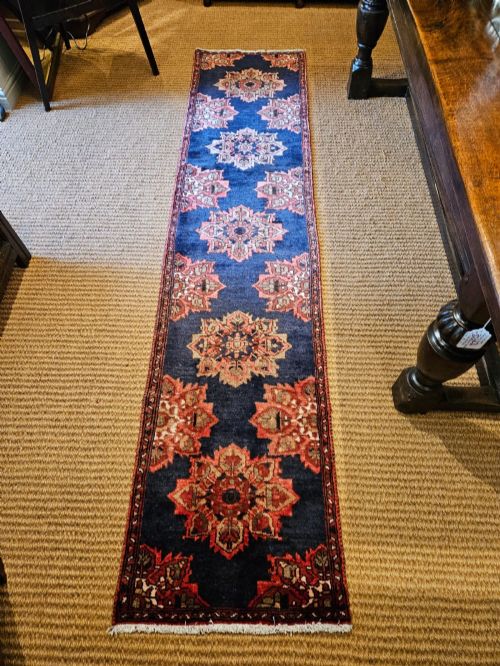
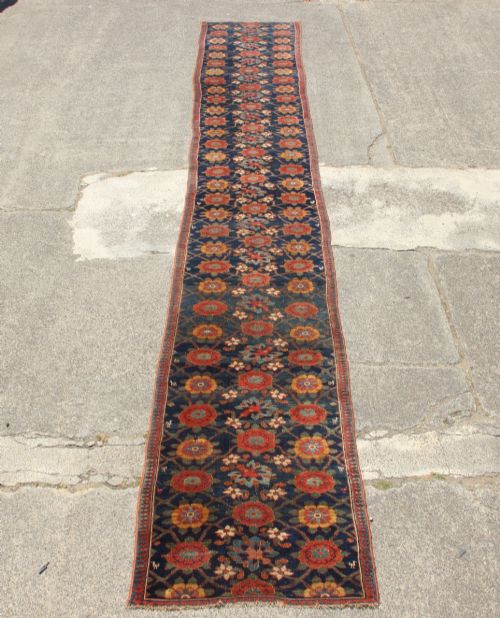
Oriental Corridor Runner Rug
An oriental corridor runner rug brings long stretches of hallway to life with historic wool weave and traditional pattern.
How they were made
Weavers constructed these long carpets predominantly using wool and hand-spun wool fibres paired with cotton foundations. Natural materials provided the tensile strength needed for heavy foot traffic along narrow corridors.
Traditional village and tribal workshops utilised regional dyeing and knotting techniques passed down through generations. These methods resulted in durable pile carpets capable of surviving over a century of domestic use.
What varies in quality
Quality rests upon the fineness of the knotting, the integrity of the wool, and the harmony of the palette. Tighter knots and hand-spun materials create a denser pile that holds detail and resists wear more effectively.
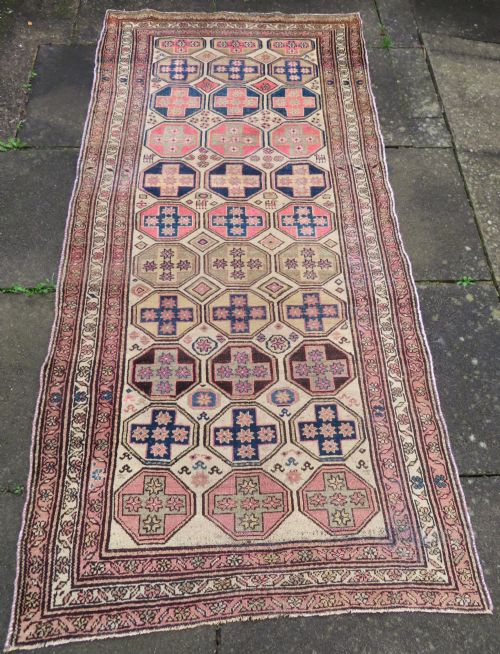
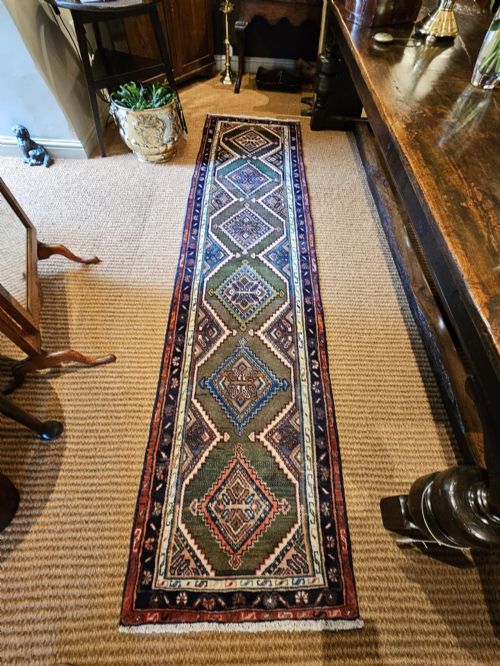
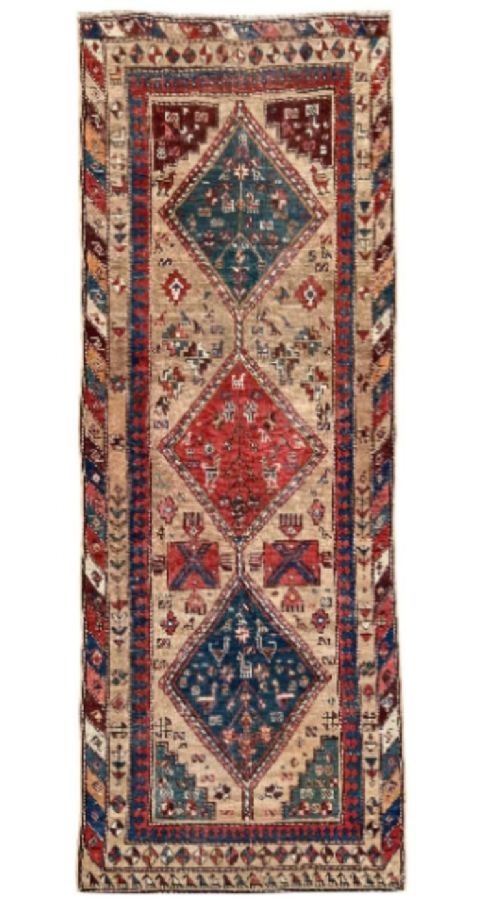
The visual appeal of the design, whether a precise Heriz geometric layout or a spontaneous Kurdish tribal composition, dictates the aesthetic standing of the runner. Structural straightness and wool preservation also separate standard examples from finer specimens.
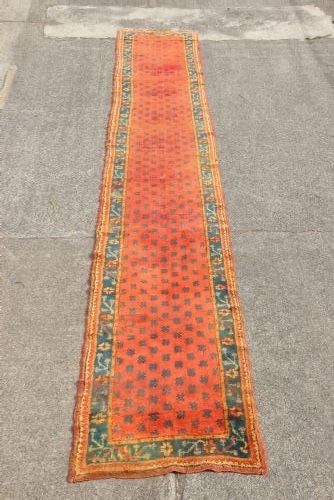
One exceptionally ambitious country house runner stretches to thirty-two feet in length.
The Oriental Corridor Runner Rug Glossary
- Runner
- A long, narrow carpet designed for hallways, corridors, and stairs. These pieces measure significantly longer than they are wide.
- Kelleh
- A large format rug or runner, typically proportioned longer than a standard rug but wider than a typical corridor runner. Collectors prize these substantial formats for grand rooms.
- Pile
- The upright yarn loops or cut ends that form the usable surface of the carpet. Wool pile thickness varies by region and age.
- Lattice
- A repeating grid network pattern across the field of the rug. This geometric framework often encloses floral or tribal motifs.
- Warp and Weft
- The foundational threads of a woven textile. Warp threads run vertically lengthwise while weft threads cross horizontally to lock knots in place.
Oriental Corridor Runner Rug: Frequently Asked Questions
Where do I put an oriental corridor runner rug?
These long formats suit narrow hallways, entryways, landings, and galley spaces where traditional square rugs do not fit.
They protect wooden floorboards in high-traffic transit areas while adding warmth and historical character to otherwise bare corridors.
How do I measure for a runner rug?
Measure the clear floor space of your hallway, leaving an equal margin of exposed wood or tile on all sides.
Account for door clearances at either end of the corridor so the thick wool pile does not jam swinging doors.
Are these runner rugs genuine antiques?
The selections date from the nineteenth century through the mid-twentieth century, originating from traditional weaving regions.
Materials include hand-spun wool and regional cotton foundations characteristic of historical village and tribal production.
How do I care for antique wool runners?
Vacuum gently without using a rotating beater bar to protect the old wool pile and hand-knotted foundations.
Use a breathable underlay beneath the runner to prevent slipping and reduce friction against the floorboards.