


Oriental Ceramic Collection
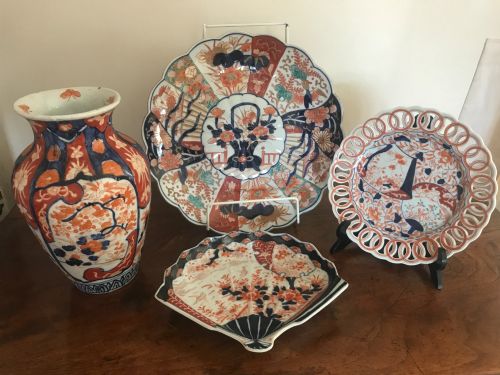
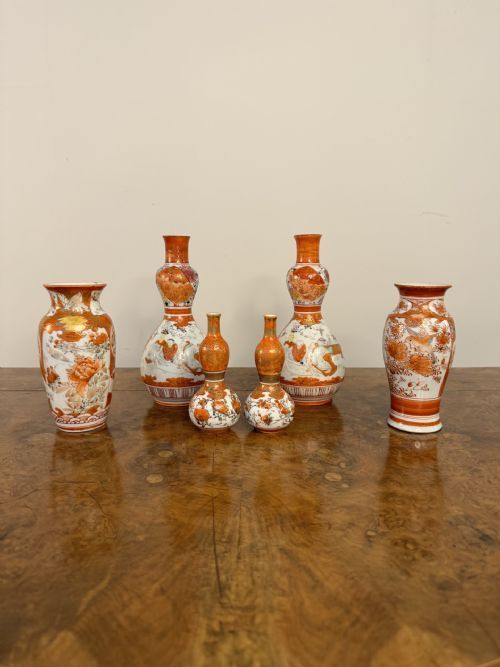
An oriental ceramic collection brings together striking plates, vases, and chargers finished in rich glazes and overglaze enamels.
Oriental Ceramic Collection
An oriental ceramic collection gathers decorative items such as plates, chargers, vases, and tea caddies spanning periods from the eighteenth century through to the early twentieth century. These groupings often feature Japanese Imari wares alongside Chinese porcelain and export pieces.
Buyers encountering this grouping frequently find sets of shaped plates, bowls, and vases decorated in traditional styles like Japanese Imari, Meiji period designs, and Qing dynasty aesthetics. European makers such as Royal Doulton and Herend also appear within these gatherings.
The objects serve primarily as decorative ceramics, ranging from cabinet plates to large display chargers and figurines. Each grouping reflects distinct stylistic choices from Chinese and Japanese traditions alongside early twentieth-century interpretations.
Materials and Techniques
Pieces within an oriental ceramic collection are primarily formed from porcelain and ceramic materials, shaped into vessels, plates, and figurines. Kiln-fired bodies provide the durable foundation for subsequent decorative treatments.
Surface decoration relies heavily on glaze, ceramic glaze, and overglaze enamels applied by hand. Selected items incorporate gold leaf highlights to enhance details within the painted scenes and borders.
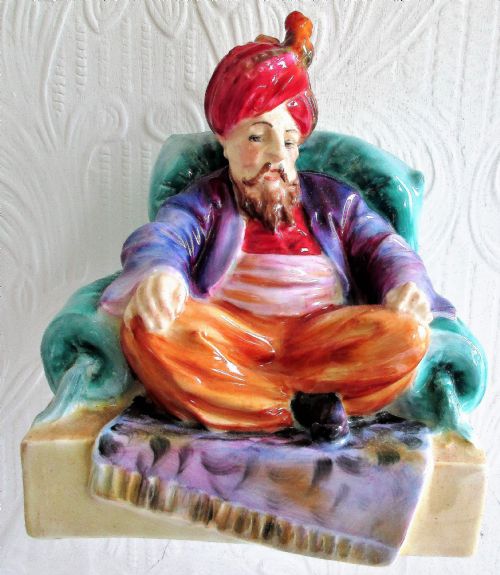
One determined gentleman named Abdullah stands firmly among the porcelain plates as a Royal Doulton figurine.
Judging Quality and Execution
The precision of the handpainted enamel work and the crispness of the underglaze and overglaze details separate standard output from finer examples. Finer pieces demonstrate careful brushwork and balanced compositions across plates, bowls, and vases.
The application of gold leaf and the consistency of the glaze finish influence the visual appeal of each ceramic object. Well-preserved colours and clean surfaces indicate superior execution during manufacture.
Royal Doulton·Herend·Bluett and Sons
The Oriental Ceramic Collection Glossary
- Imari
- A style of Japanese porcelain decorated in underglaze blue and overglaze red, gold, and other colours. This style originated in Japan and became popular for export.
- Charger
- A large decorative plate intended for display rather than for serving food. These items often form the focal point of a ceramic grouping.
- Overglaze Enamels
- Coloured glass pastes applied over a fired and glazed ceramic surface, then fixed with a secondary low-temperature firing. This technique allows for brilliant surface colours.
- Tea Caddy
- A small jar or container originally designed for storing dry tea leaves. Many examples feature fitted lids and handpainted decorative motifs.
Oriental Ceramic Collection: Frequently Asked Questions
How are oriental ceramic collections displayed?
These ceramic pieces are typically arranged on open shelving, displayed within cabinets, or mounted on walls using appropriate plate hangers. Their decorative plates and chargers lend themselves well to focal placement in reception rooms.
Grouping items by style or period helps create a cohesive visual arrangement while protecting fragile surfaces from accidental knocks.
What periods do these ceramics cover?
The pieces span from the eighteenth century through to the 1930s, encompassing Qing dynasty items, Meiji period objects, and early twentieth-century European interpretations. Each era brings distinct manufacturing techniques and artistic motifs.
Examinations of the base, glaze, and painting style help identify the specific period of manufacture for individual plates and vases.
How do I care for antique ceramic collections?
Maintenance involves dusting surfaces gently with a soft, dry brush and avoiding harsh cleaning agents or immersion in water, particularly for pieces with gold leaf or overglaze enamels. Stable humidity and temperature protect the ceramic body and glaze from deterioration.
Display areas should be secure and free from direct sunlight to preserve the vibrancy of the painted enamel colours over time.
What is the difference between Imari and export porcelain?
Japanese Imari is defined by its specific palette of underglaze blue, iron red, and gold, often featuring complex floral and brocade patterns. Chinese export porcelain encompasses various styles made specifically for western markets during different dynasties.
Recognising the underlying paste, glaze characteristics, and painting conventions assists in distinguishing between these related ceramic traditions.