


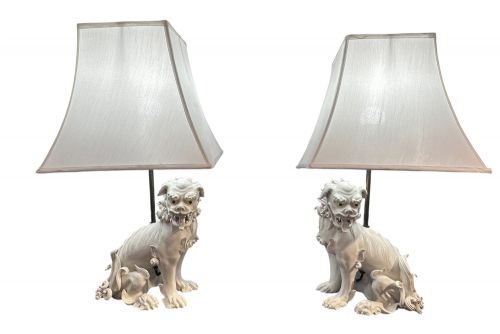


Oriental Ceramic Bedside Lamps
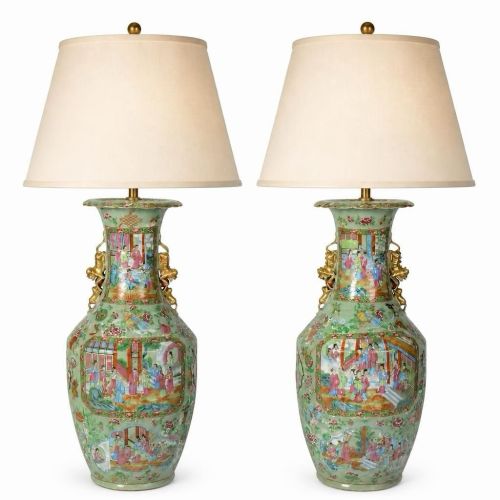
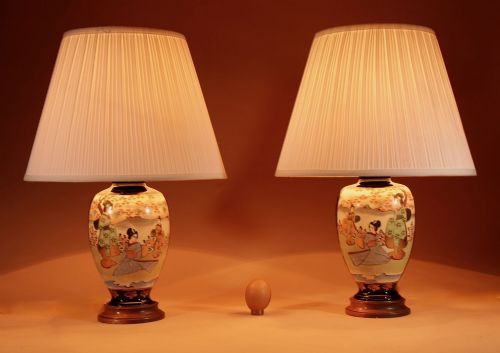
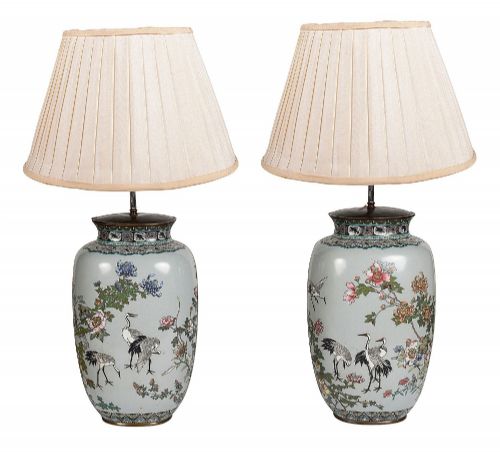
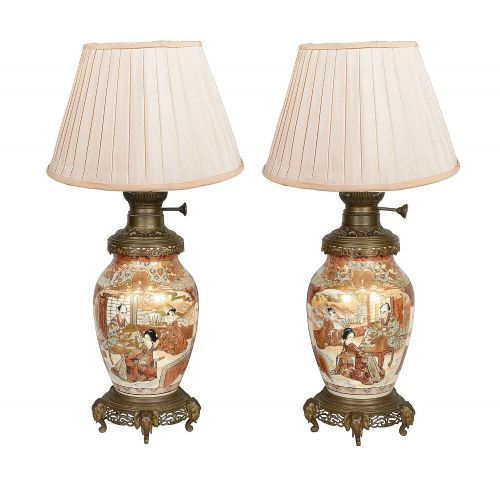
These oriental ceramic bedside lamps bring hand-painted porcelain and earthenware into domestic interiors through converted vases, ginger jars, and twin-handled vessels.
Oriental Ceramic Bedside Lamps
Oriental ceramic bedside lamps comprise converted vessels, predominantly 19th century Chinese and Japanese pieces mounted for electrical illumination. Buyers searching for oriental ceramic bedside lamps encounter ginger jars, baluster forms, and vases transformed into practical lighting.
Origins include Chinese Export wares, Meiji period Japanese pieces, and later 19th-century interpretations. These lamps utilise traditional ceramic bodies combined with fabric, silk, or brass fittings to suit modern bedroom settings.
How they were made
Potters shaped porcelain, earthenware, and crackleware bodies on the wheel or in moulds before applying detailed enamel decoration. Japanese Satsuma and Kutani wares show intricate hand-painted palettes, whilst Chinese pieces utilise underglaze blue and famille rose pigments.
Metalwork mounts in brass, ormolu, and bronze often secure the upper and lower sections of the ceramic body to house electrical hardware. Shade construction incorporates fabric, silk, and woven materials designed to complement the decorated surface of the vessel.
Current listings feature porcelain, earthenware, brass, and silk across 19th-century and 1920s periods.
What varies in quality
The precision of the hand-painted enamel work and the clarity of the porcelain body separate standard production from superior examples. Finely executed Satsuma and Famille Verte pieces display disciplined brushwork and rich, stable colour palettes.
The integrity of the original ceramic vessel before conversion influences overall desirability. Vases retaining their full proportions without excessive drilling or structural compromise represent the higher tier of these lamps.
Samson
The Oriental Ceramic Bedside Lamps Glossary
- Famille Rose
- A palette of opaque enamels dominated by pink or rose colours, introduced in Chinese ceramics during the Qing dynasty.
- Satsuma
- Japanese earthenware pottery featuring a crackled creamy glaze decorated with elaborate enamels and gilt.
- Ginger jar
- A high-shouldered ceramic vessel originally made for storage, frequently converted into a table lamp.
- Cloisonné
- Metalwork technique using wire cells filled with enamel paste, seen on mounted decorative elements.
- Crackleware
- Pottery featuring a deliberate network of fine cracks in the glaze texture.
Oriental Ceramic Bedside Lamps: Frequently Asked Questions
How do I choose the right size bedside lamp?
Consider the proportion of the ceramic vessel relative to your bedside table and headboard height. Taller baluster forms require adequate clearance from surrounding furniture.
Ensure the light emitted suits reading without overwhelming a smaller bedroom space.
Are these lamps converted from antique vases?
Many examples are traditional Chinese or Japanese vases and ginger jars adapted for electrical fittings. This conversion process retains the decorative body whilst integrating modern wiring.
Original handles and mounts often provide clues to the period of adaptation.
How do I distinguish Satsuma from Kutani ware?
Satsuma pottery typically exhibits a distinctive ivory-coloured crackle glaze beneath detailed enamel and gilt decoration. Kutani porcelain relies on bolder colour palettes, frequently featuring greens, blues, and reds.
Examining the base and glaze texture helps clarify the specific Japanese tradition.
What fabric suits oriental ceramic lamp shades?
Silk and textured fabric shades complement the reflective qualities of glazed porcelain and enamel. Neutral tones allow the hand-painted details of the ceramic body to remain the focal point.
Avoid overly ornate shades that compete with intricate patterns like Famille Verte or Rose Medallion.