
Oriental Bronze Incense Vessel
An oriental bronze incense vessel brings centuries of master casting and ritual history straight into a room.
Oriental Bronze Incense Vessel
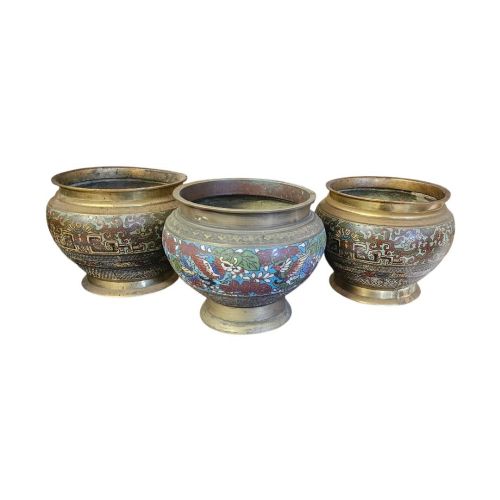
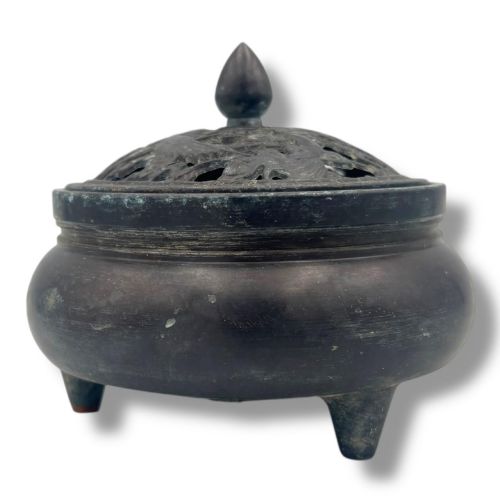
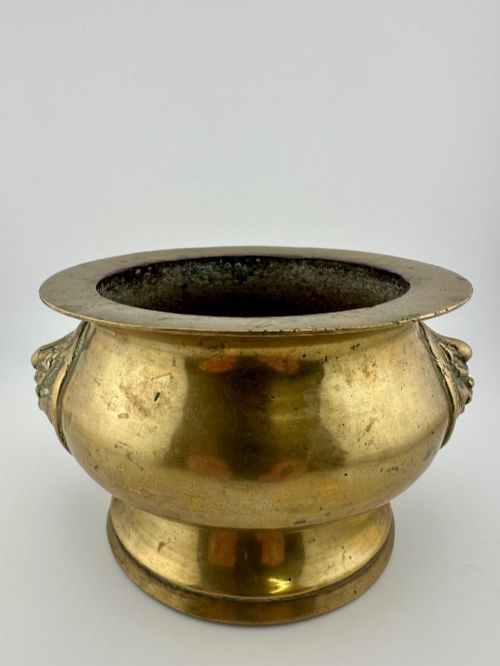
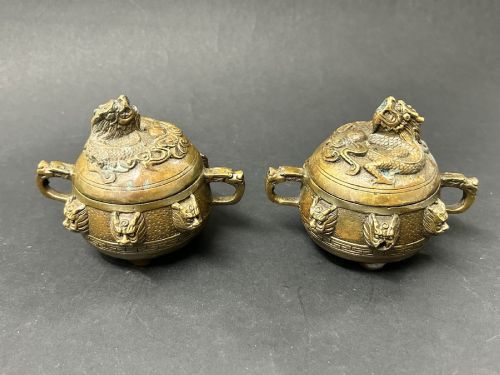
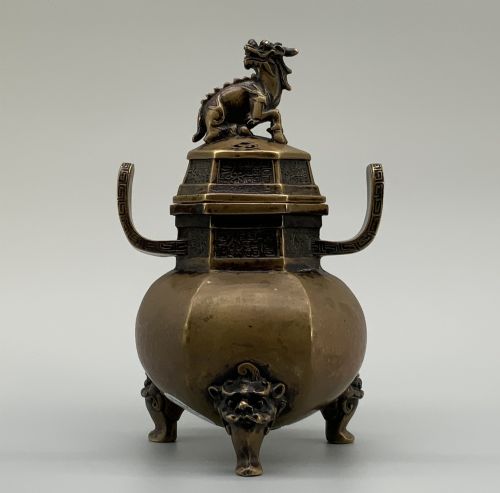
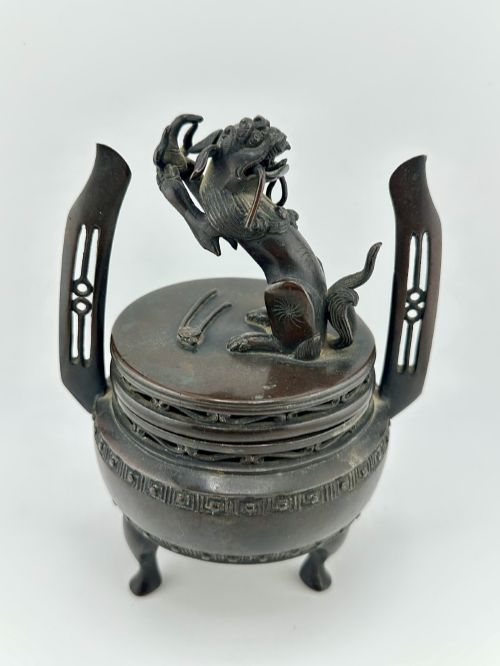
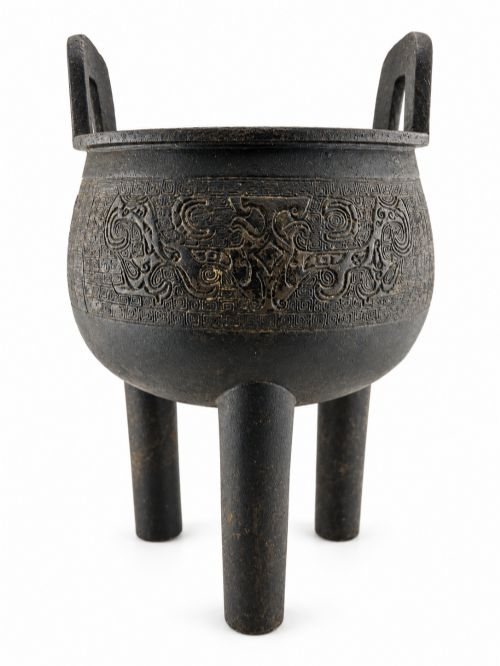
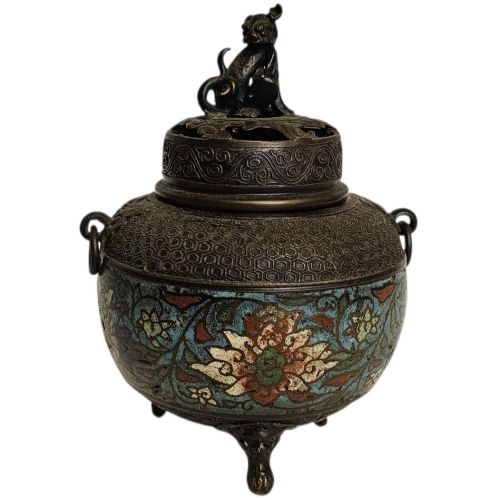
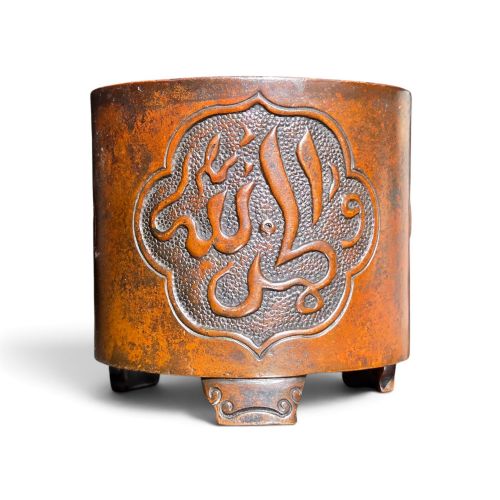
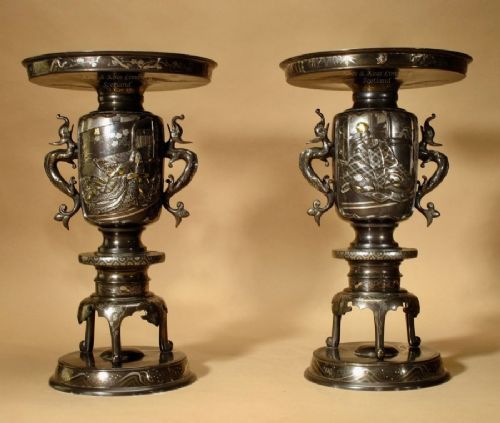
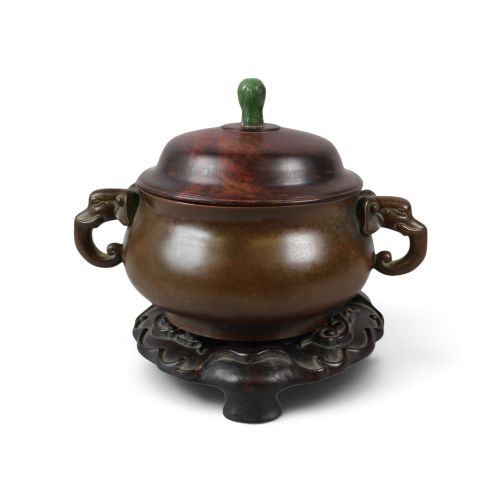
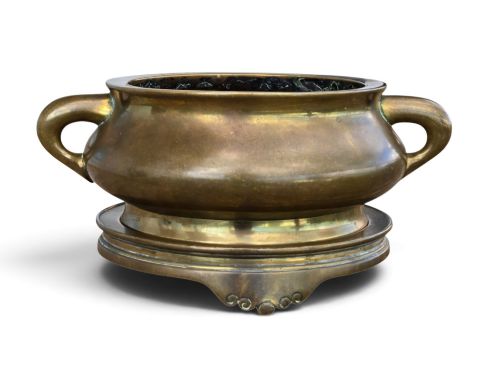
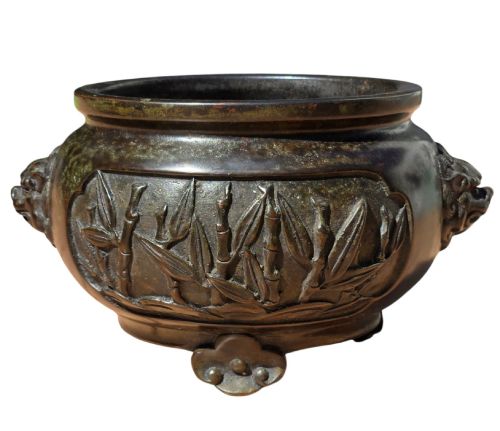
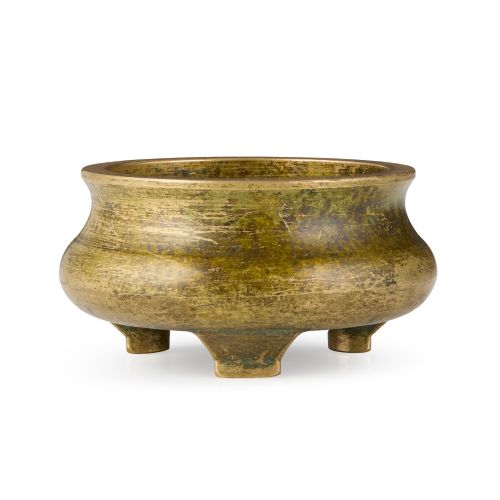
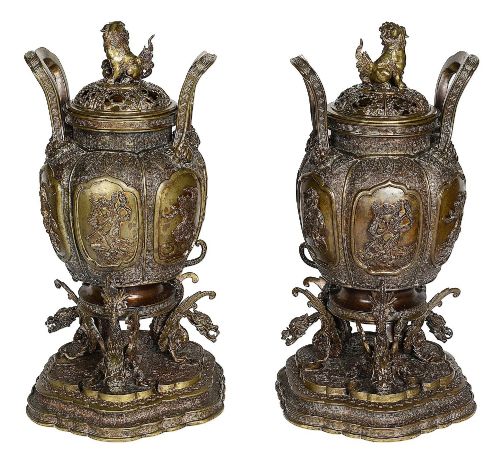
An oriental bronze incense vessel encompasses tripods, lidded censers, and ritual bowls created primarily across China and Japan. These pieces span multiple centuries, from the Ming and Qing Dynasties to the Meiji period, reflecting diverse cultural uses in temples and scholarly studies. The selection on this page centres heavily on heavy bronze and brass censers featuring dragon handles, lion masks, and tripod bases.
Makers fashioned these forms for both sacred worship and the refined desks of scholars. Examples range from compact miniature censers weighing under two hundred grams to massive ritual pieces scaling several kilograms. Alongside standard tripod forms, buyers will encounter boat-shaped koro, hexagonal vessels, and matching hardstone covers.
Materials and methods
Artisans relied upon lost-wax casting and direct metalworking techniques to shape these copper alloys. Molten bronze and brass poured into intricate moulds allowed for the creation of heavy walls, delicate relief panels, and structural tripod feet.
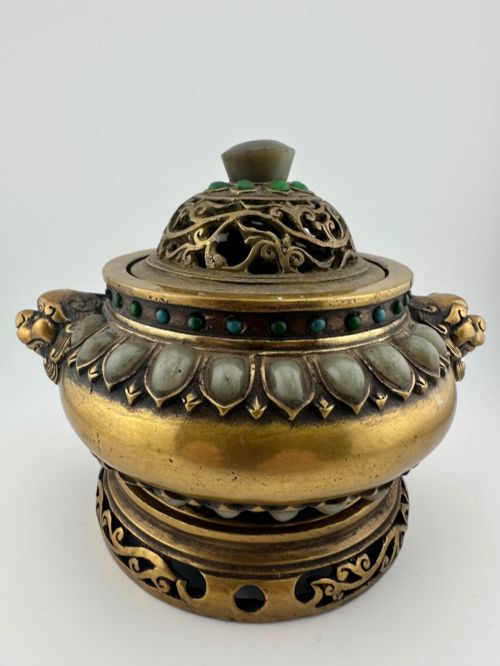
Surface ornamentation often incorporates cloisonné enamel, champlevé, and gold inlay. Craftsmen also added jade or hardstone finials, alongside applied details such as qilin figures, elephant heads, and taotie decoration.
Several pieces double as floating watercraft, taking the delightful form of miniature bronze junk boats equipped for burning incense.
What separates the tiers
Quality rests in the weight, the crispness of the cast relief, and the depth of the metal patina. Heavier, dense castings indicate superior material volume and structural ambition from the workshop.
Refinement shows in the handling of decorative details such as inlaid stone, precise enamel work, and well-executed maker or dynastic marks. Superior examples maintain balanced proportions across handles, bodies, and custom stands.
The Oriental Bronze Incense Vessel Glossary
- Censer
- A vessel designed for burning incense. These pieces often feature ventilated covers to release fragrant smoke.
- Tripod
- A vessel supported by three feet. This classic configuration appears frequently on early Chinese and Japanese bronze burners.
- Cloisonne
- A technique where enamel paste fills wire compartments soldered to a metal base. Firing fuses the colours into smooth decorative panels.
- Archaistic
- A style that deliberately mimics ancient ritual bronzes from early dynasties. Makers adopted these archaic motifs during later periods to signal classical learning.
- Koro
- The Japanese term for an incense burner. These often feature distinctive animal finials such as goats or mythical lions.
Oriental Bronze Incense Vessel: Frequently Asked Questions
What is a censer?
A censer is a container built specifically for burning incense resins or woods during ceremonies or quiet contemplation.
Most examples feature a stable base, an open bowl, and a perforated lid to manage the smoke flow.
How old are these vessels?
The pieces shown span several hundred years, with origins stretching from the Ming Dynasty through the Qing Dynasty and the Japanese Meiji period.
Dates are typically identified through casting styles, surface decoration, and occasional reign marks left by the maker.
What are tripod bases used for?
Tripod feet elevate the hot metal body off wooden scholar desks and temple altars.
This practical three-point stance provides reliable stability on uneven surfaces.
How do I care for bronze?
Bronze requires minimal intervention to preserve its natural ageing and historical patina.
Gentle dusting with a dry cloth keeps the surface secure without stripping away centuries of oxidation.