









Oriental Bird Painting
Oriental bird painting encompasses delicate works on pith paper, silk and porcelain, offering a glimpse into traditional artistry that collectors treasure for interiors.
Oriental Bird Painting
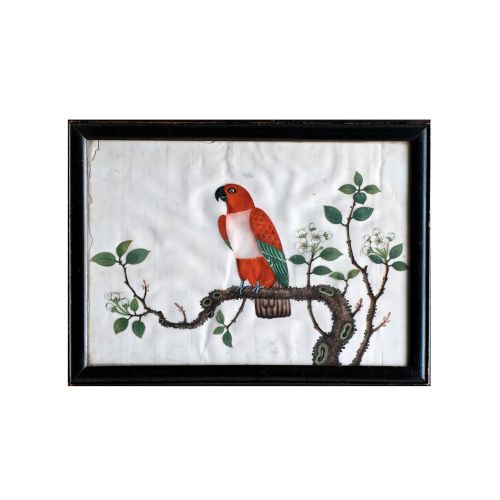
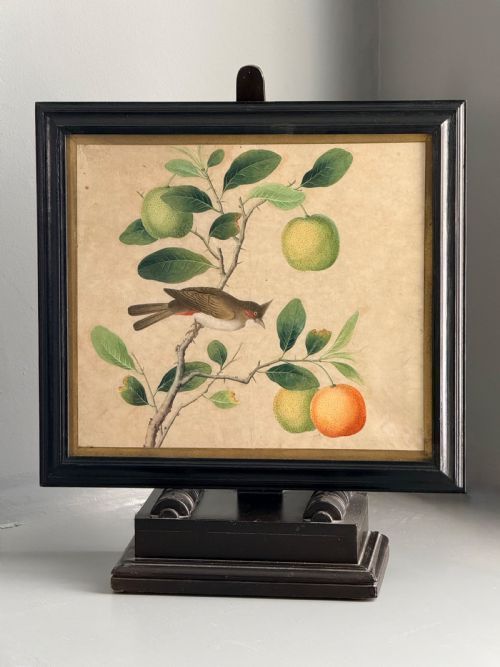
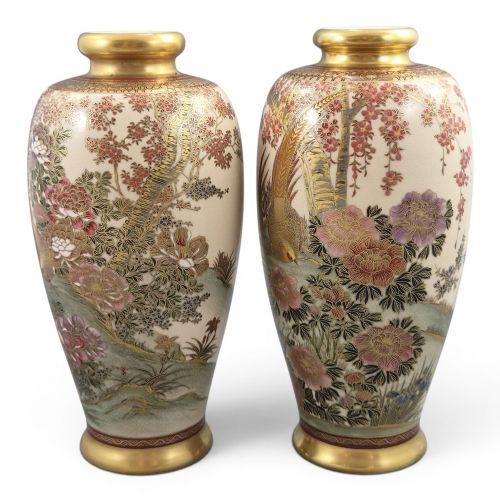
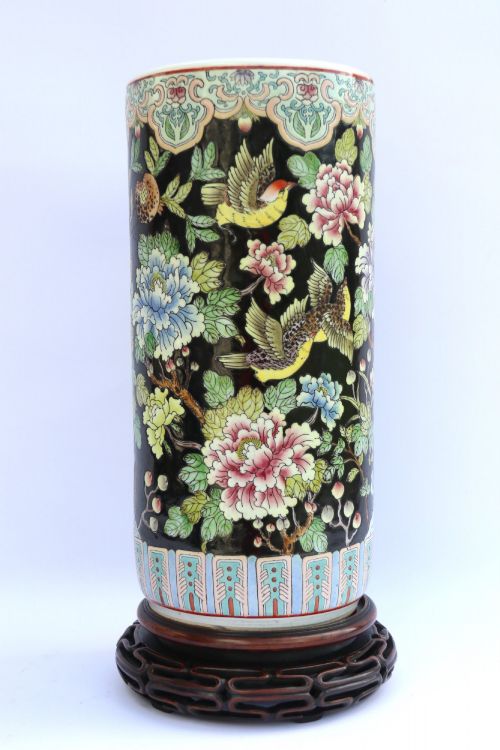
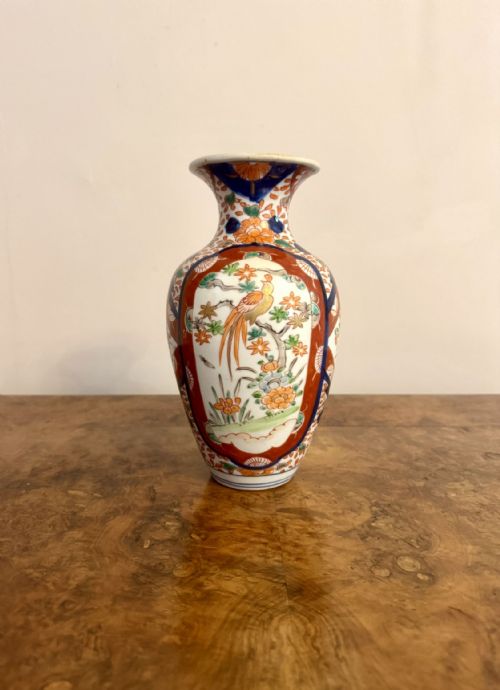
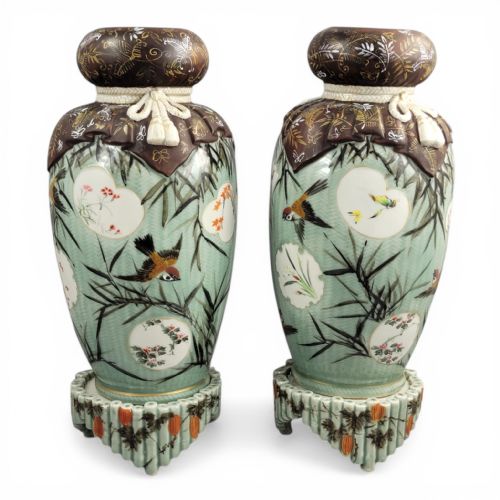
An oriental bird painting search leads to a diverse selection of antique artworks, decorative porcelain and lacquered objects featuring avian motifs. The items appearing here range from framed gouache on pith paper and silk watercolours to hand-painted plates, jars and vases depicting exotic birds.
Buyers will encounter various regional styles, predominantly originating from Japanese Meiji and Chinese Qing contexts, alongside later Chinoiserie interpretations. Forms span wall art and hanging scrolls to porcelain garnitures, chargers and structural vases created across the eighteenth, nineteenth and early twentieth centuries.
How they were made
The physical objects rely on traditional material combinations, notably porcelain decorated with polychrome enamels like famille rose and famille noire, or glazed using sancai techniques. Works on paper employ gouache applied directly to delicate pith, while textile pieces utilise silk threads to render detailed plumage and flora.
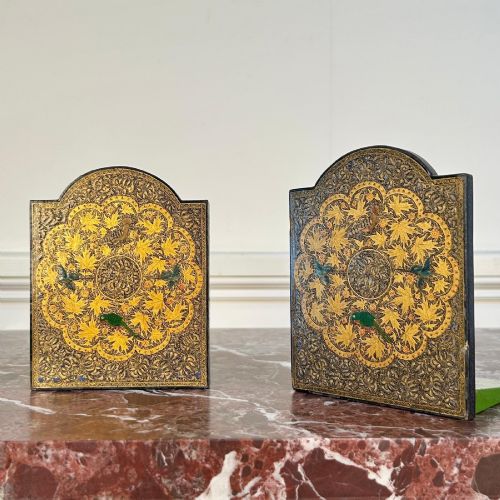
Surface enhancement often involves gilding with gold leaf, carving into wood or lacquering over black paint to achieve depth and contrast. Workshops utilised meticulous hand-painting methods, combining fine ink lines with mineral pigments to secure lasting vibrancy.
Oriental Bird Painting Retail Price Guide 2026
Typical asking prices for oriental bird painting among the pieces listed under this phrase on Sellingantiques today, from the lower quarter to the upper quarter. They describe what is for sale here now, not the wider market.
The selection includes Japanese Meiji works and Chinese Qing dynasty famille rose ceramics.
What varies in quality
Quality rests primarily on the precision of the brushwork and the naturalism or stylistic grace of the painted birds and surrounding foliage. Superior examples display confident line work, subtle colour shading and balanced compositions that integrate harmoniously with the form of the ceramic or paper.
The sophistication of the secondary materials, such as finely carved hardwood stands, intricate gilt lacquer frames or matching original porcelain bases, elevates the distinction of a piece. Maker signatures and exhibition markings also separate standard decorative wares from master-workshop productions.
Manpei·Kinkōzan·Kato Sanhei·Kizan
The Oriental Bird Painting Glossary
- Pith paper
- A traditional East Asian material formed from the spongy interior of the Tetrapanax papyrifer plant, known for its velvety texture. It accepts gouache and watercolours with intense luminosity.
- Famille rose
- A major palette of Chinese ceramic glazes introduced in the Qing dynasty, characterised by opaque pink or rose enamels. This palette enabled subtle tonal gradations in floral and bird scenes.
- Meiji period
- The era in Japanese history spanning from 1868 to 1912, noted for opening trade with the West. Porcelain and decorative arts from this time display exceptional technical refinement.
- Garniture
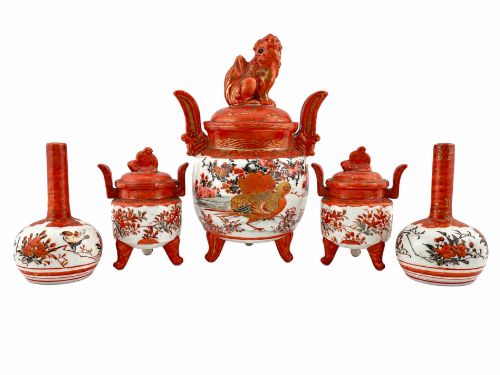
- A set of matching ceramic vessels, typically comprising vases and covered jars, designed for symmetrical display on a mantelpiece or cabinet. These sets often share unified avian and floral themes.
- Imari
- A type of Japanese porcelain decorated in underglaze blue and overglaze red, gold and black. The style gained immense popularity in Europe for its striking contrasts and decorative bird motifs.
Oriental Bird Painting: Frequently Asked Questions
What is pith paper?
Pith paper is a delicate, fibrous material harvested from the pith plant rather than beaten wood pulp. It possesses a unique velvet-like surface that absorbs pigments deeply.
Artists used this fragile medium extensively for export paintings during the nineteenth century. Its characteristic texture requires careful handling and framing behind protective glass.
How do I care for silk art?
Silk artwork demands stable environmental conditions away from direct sunlight to prevent the natural fibres and pigments from fading. Maintaining moderate humidity prevents the fabric from becoming brittle over time.
Display these textiles behind UV-filtered glass and avoid hanging them on exterior walls where temperature fluctuations occur. Professional conservation framing ensures the fabric remains properly tensioned.
What is a porcelain garniture?
A porcelain garniture is a decorative set of matching vessels, usually consisting of three to five pieces such as vases and covered jars. Historically, wealthy households arranged them symmetrically on mantelpieces or architectural ledges.
Complete surviving sets featuring cohesive bird and floral painting are particularly sought after by collectors. Each vessel in the group complements the central design motif.
How do I distinguish Satsuma ware?
Satsuma ware is a type of earthenware characterised by a distinctive ivory-coloured, crackled glaze. Artisans typically decorated these surfaces with elaborate polychrome enamels and raised gold leaf.
Originating from the Satsuma Province, production later expanded to Kyoto workshops like Kinkōzan. The detailed pictorial scenes frequently incorporate birds, flowers and traditional Japanese figures.