





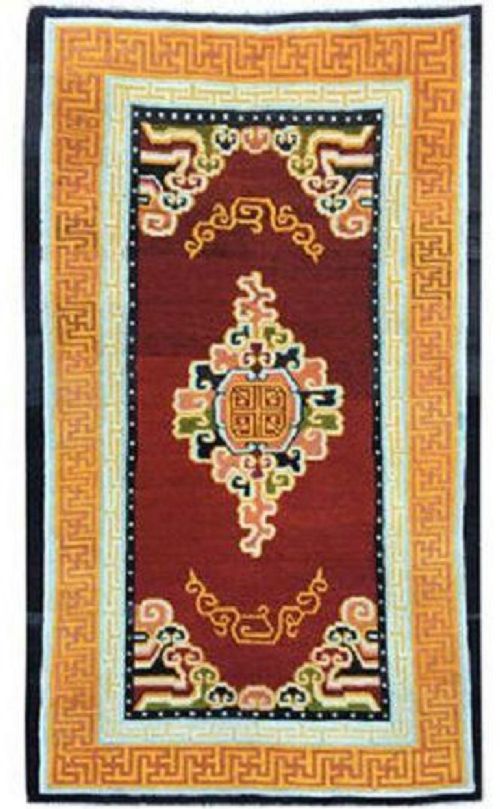
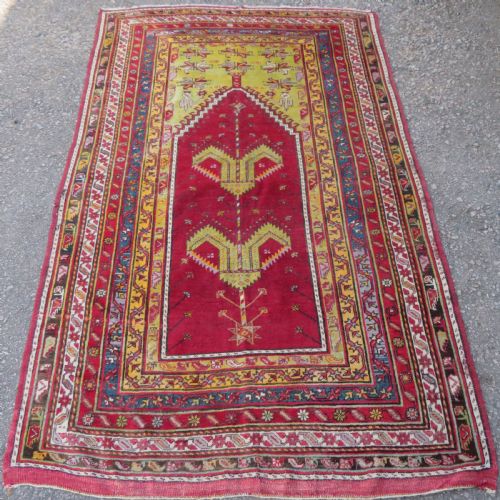
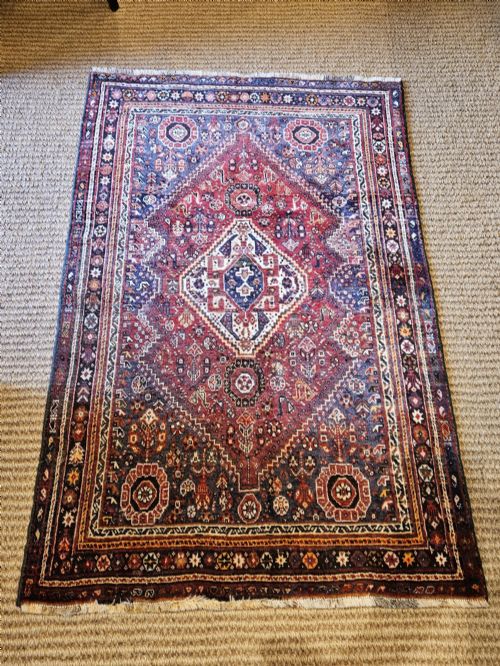
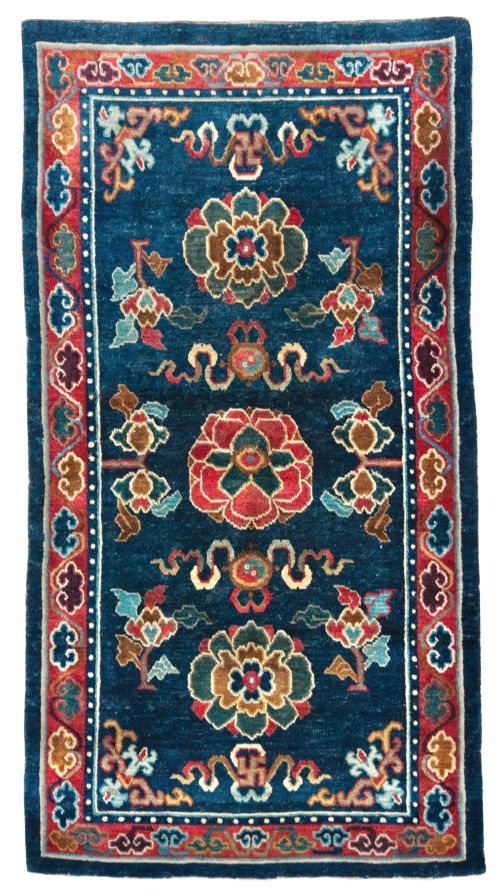
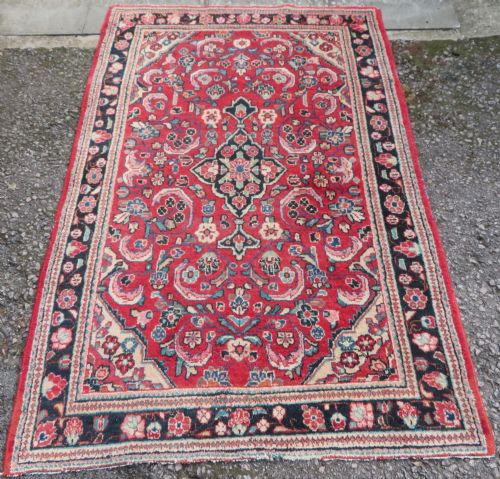
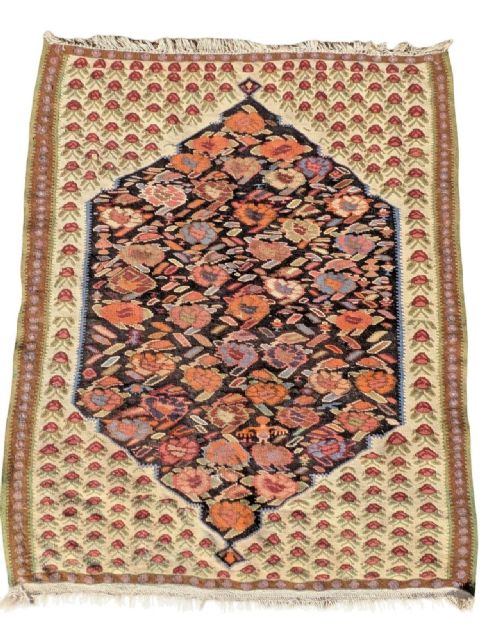
Oriental Area Runner
An oriental area runner brings rich geometric designs and time-worn hues into a hallway or narrow space, offering enduring warmth underfoot.
Oriental Area Runner
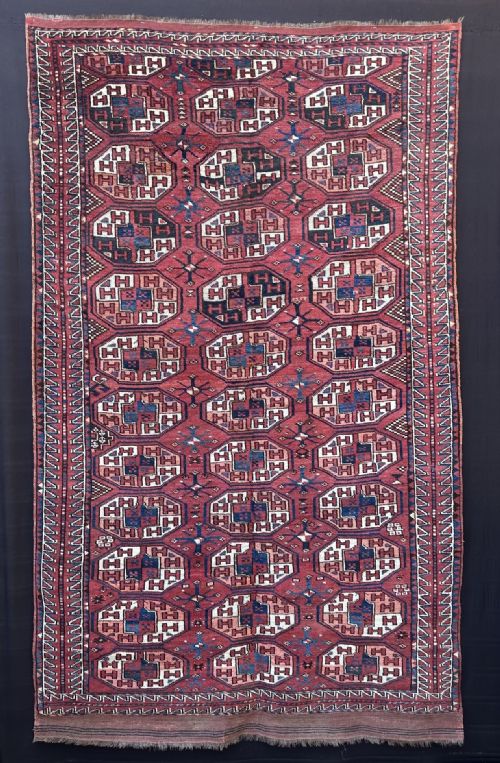
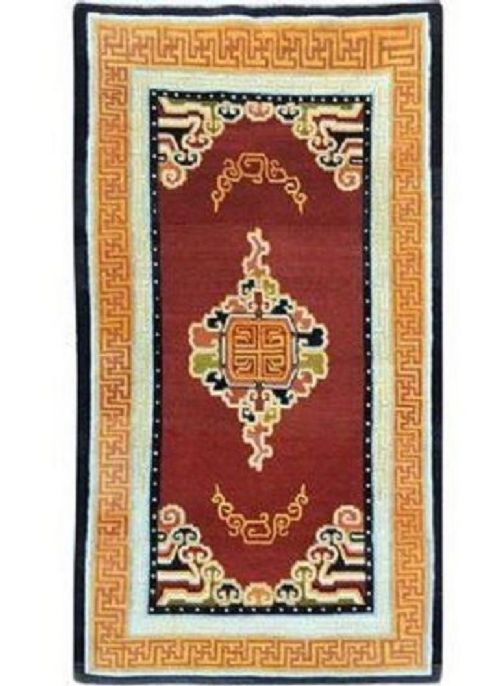
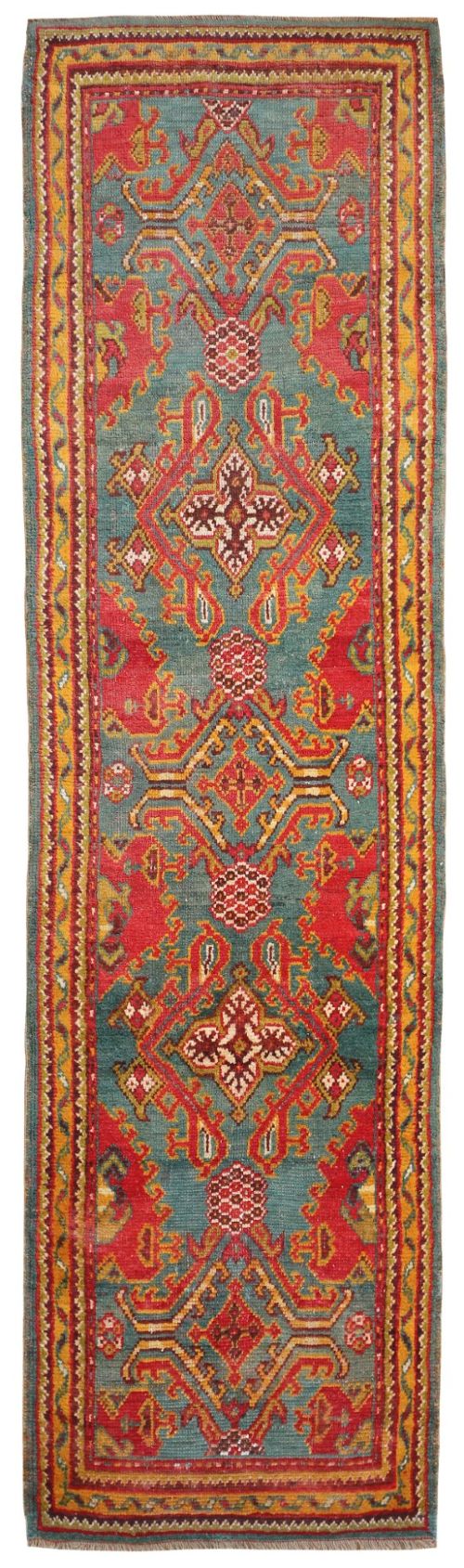
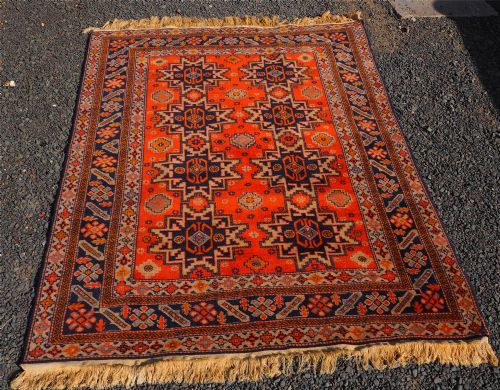
The inventory on this page reflects various tribal and traditional styles, including Caucasian, Kurdish, and Persian tribal designs. Makers fashioned these runners in narrow proportions suited to corridors, staircases, and galleries. Each piece carries motifs rooted in the specific village or nomadic confederacy where it was knotted.
Materials and Construction
Weavers constructed these runners primarily using wool, cotton, and occasionally silk or camel hair, paired with natural dyes. Hand-spun wool provides the dense pile and durable foundation characteristic of nineteenth and early twentieth century production.
The integration of natural dyes yields varied colour palettes that age gracefully over decades. Foundation threads of cotton or wool support intricate knotting techniques passed down through generations of tribal and village weavers.
Camel hair occasionally appeared in foundation wool to add natural warmth and durability to nomadic footpaths.
Assessing Quality and Execution
Quality in these runners rests upon the density of the knotting and the precision of the geometric or floral composition. Finer examples display tightly packed knots and crisp delineation of motifs from traditions like Kazak or Bidjar.
The choice of materials also dictates the calibre of the piece, with hand-spun wool and rich natural dyes producing superior depth and resilience. Wear patterns and overall structural integrity reflect the original skill applied during construction.
The Oriental Area Runner Glossary
- Runner
- A long, narrow carpet designed specifically for corridors, hallways, and stairs. This format accommodates linear spaces while displaying continuous border and field patterns.
- Natural Dyes
- Colourants derived from plant, insect, and mineral sources rather than synthetic chemicals. These substances create subtle tonal variations and patinas that develop with age.
- Pile
- The upright or looped yarn that forms the textured surface of the rug. It provides cushioning and protects the structural foundation beneath.
- Mihrab
- A niche design element often found in prayer rugs, pointing toward Mecca. It provides a focal point for the central field geometry.
- Gul
- A medallion or repeating octagonal motif often found in Central Asian and tribal weaving. These symbols frequently identify specific tribes or regions.
Oriental Area Runner: Frequently Asked Questions
Where should I place an oriental area runner?
These long formats suit hallways, corridors, and narrow passageways where linear floor coverings protect high-traffic floorboards.
They also function effectively along galley kitchens or beside beds to introduce warmth and texture.
How do I care for an antique wool runner?
Regular gentle vacuuming without a rotating brush roll prevents dust accumulation within the wool pile. Professional cleaning suited to antique textiles maintains the integrity of natural dyes.
Rotating the runner periodically ensures even wear across high-traffic sections of the piece.
What is the difference between tribal and traditional Persian designs?
Tribal designs feature geometric motifs, bold primary colours, and abstracted symbols woven by nomadic or village communities. These patterns reflect local folklore and ancestral weaving customs.
Traditional Persian designs typically incorporate sophisticated curvilinear florals, medallion layouts, and intricate borders produced in established urban workshops.
How can I tell the age of a runner?
Age is assessed through structural characteristics, material preparation, and dye analysis. Hand-spun wool and specific regional palettes point toward nineteenth and early twentieth century production.
Construction methods and wear patterns also offer clues regarding the period in which the piece was knotted.