
Oriental Art
Oriental antique art spans centuries of craftsmanship from China, Japan, Tibet, and Persia, offering collectors tactile pieces of history.
Oriental Art
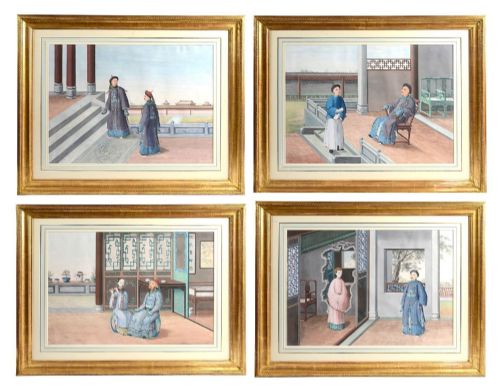
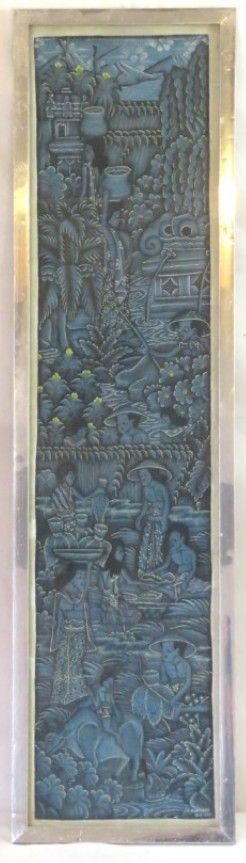
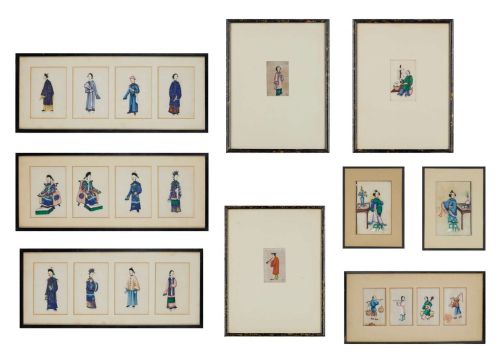
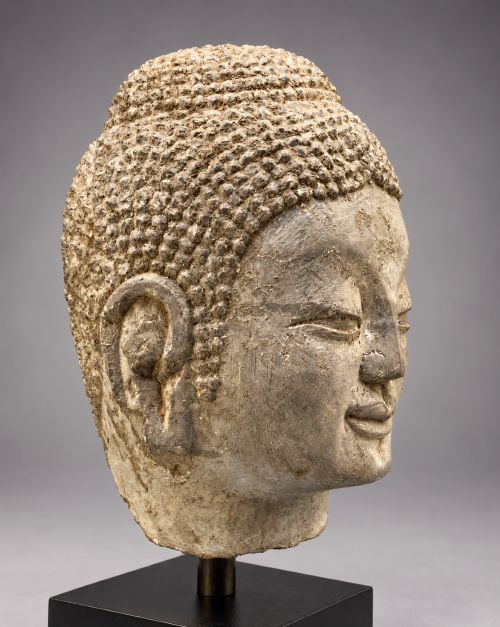
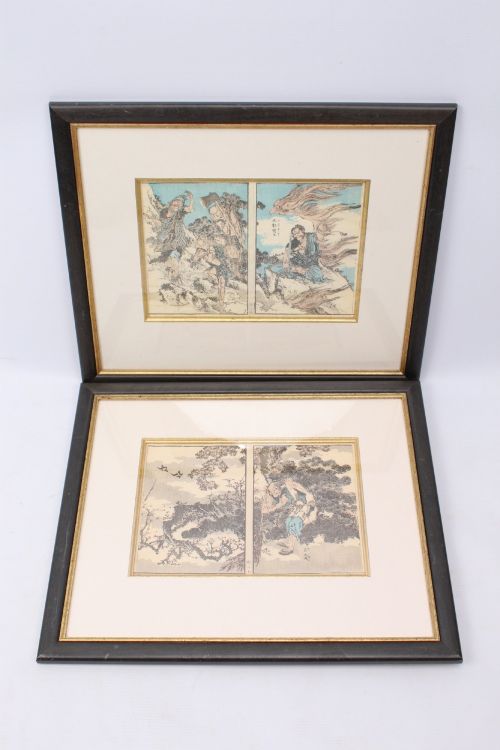
Searching for oriental antique art reveals a broad spectrum of historical items, ranging from delicate pith paintings and woodblock prints to robust bronze sculptures and woven textiles.
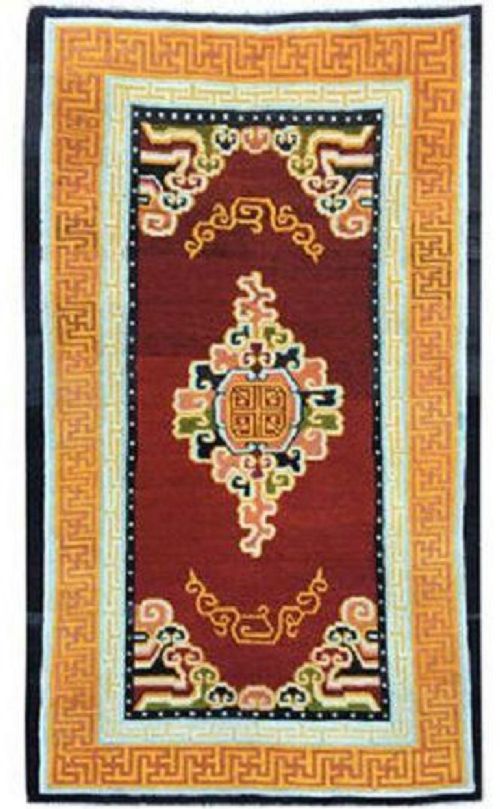
Vessels like vases and decorative bowls sit alongside wall art, paintings, and tribal rugs, reflecting varied domestic and ritual functions.
Pieces from the Qing dynasty and the Meiji period appear frequently, alongside later Edwardian and Art Deco interpretations.
Materials and construction methods
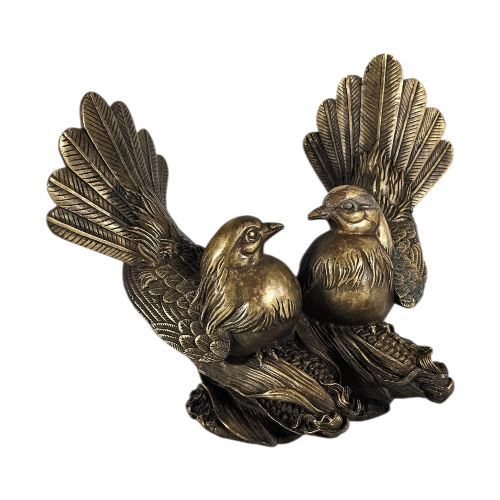
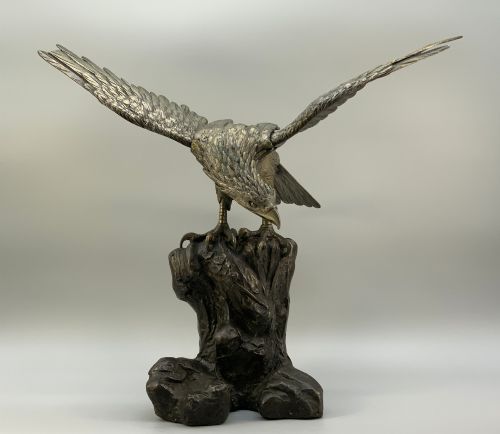
Bronze and brass casting form the foundation of many enduring sculptures and vases, often complemented by intricate patination or metal inlay.
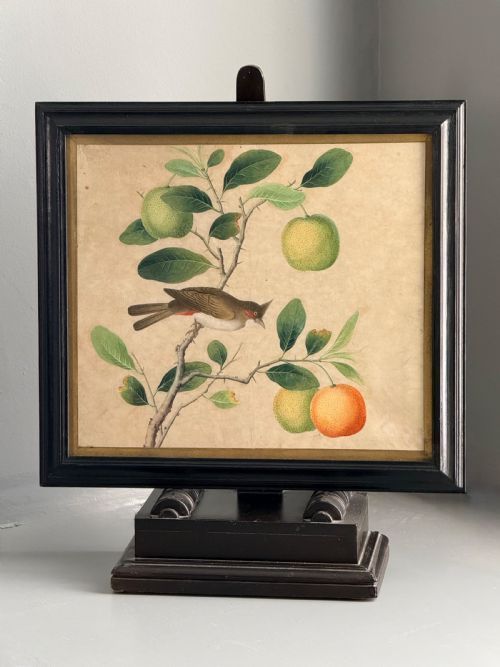
Natural media such as wood, paper, silk, and enamel define the lighter decorative works, utilising traditional brushwork, carving, and cloisonne techniques.
Flamingos stride across a black lacquer fire screen, bringing unexpected avian elegance to domestic hearths.
Distinctions in craftsmanship
Mastery of detail in hand-carved elements, precision in cloisonne wirework, and the clarity of pigment on silk or paper separate exceptional items from standard decorative pieces.
Original condition, including untouched patinas and intact frames or mountings, dictates the standing of an artefact within its category.
Inoue Ryosai·Liberty of London
The Oriental Art Glossary
- Cloisonne
- Enamelling technique where thin metal wires create raised barriers to hold coloured paste before firing.
- Okimono
- Japanese decorative standalone sculpture designed for display in a domestic interior.
- Pith paper
- Delicate organic medium made from the pith of the Tetrapanax papyrifer plant, common in 19th-century paintings.
- Woodblock print
- Relief printing method utilising carved wooden blocks to transfer ink onto paper.
- Shan Shui
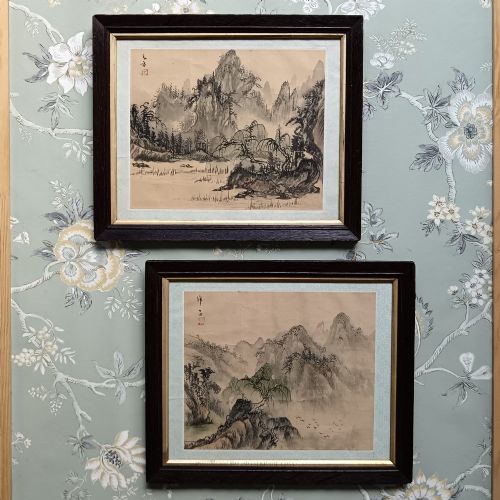
- Traditional Chinese painting style depicting scenery or natural landscapes using brush and ink.
Oriental Art: Frequently Asked Questions
How do I identify Meiji period bronzes?
Meiji period bronzes often display deep patination, fine surface chasing, and sometimes inlaid details in gold or silver. These works emerged from an era of heightened metalworking skill in Japan.
Examine the underside and casting seams for clues to workshop production methods and traditional finishing techniques.
What is pith paper artwork?
Pith paper art consists of watercolour or gouache paintings executed on a delicate, spongy plant-derived material. These works frequently document 19th-century life and customs.
Due to the fragile nature of the substrate, these pieces require careful framing away from direct sunlight.
How should I care for antique silk paintings?
Silk paintings demand stable environmental conditions with controlled humidity and minimal light exposure to prevent the textile from degrading. Professional framing with UV-filtering glass helps preserve the pigments.
Avoid hanging these delicate textiles in kitchens or areas prone to dampness.
Are cloisonne vases marked?
Some cloisonne pieces feature workshop or artist base marks, though many fine examples remain unsigned. Quality relies primarily on the tightness of the wire cells and the smoothness of the polished enamel.
Inspect the weight and the uniformity of the brass or bronze foundation structure.