

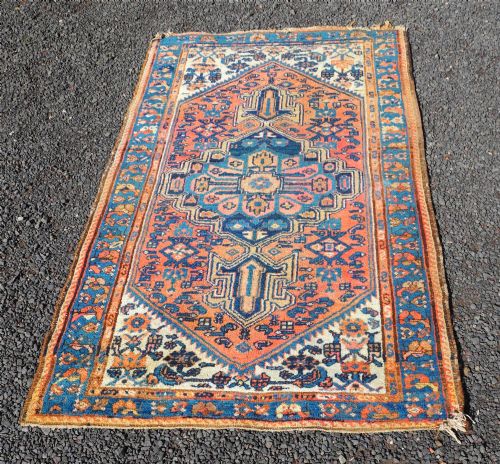
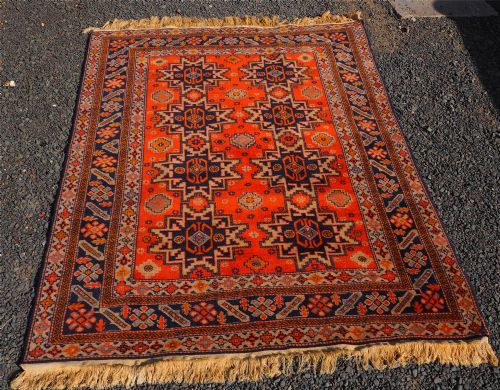


Orange Tribal Carpet
An orange tribal carpet brings warmth and deep cultural weaving traditions directly onto your floor.
Orange Tribal Carpet
An orange tribal carpet is an evocative textile creation rooted in traditional weaving communities across Persia, Anatolia, and Afghanistan. When searching for an orange tribal carpet, collectors generally encounter hand-knotted rugs, flat-woven kilims, and hallway runners dating from the late nineteenth century up to the 1930s.
The aesthetic of an orange tribal carpet relies heavily on regional designs, featuring works attributed to groups such as the Baluch, Qashqai, Afshar, and Kurdish village weavers. These pieces frequently showcase mellow colours alongside striking geometric or star borders characteristic of their specific geographic origins.
How they were made
The construction of these floor coverings relies primarily on durable natural fibres, utilising wool for the pile and foundation work alongside cotton. Weavers constructed flat-woven kilims and pile rugs manually, occasionally producing textiles in multiple parts before joining them together.
Makers achieved their characteristic palettes using traditional dyeing techniques, resulting in the warm, mellow colours and unusual shades seen across Anatolian, Persian, and Afghan examples. The tight handling of wool yields robust structures designed for enduring utility within domestic spaces.
Orange Tribal Carpet Retail Price Guide 2026
Typical asking prices for orange tribal carpet among the pieces listed under this phrase on Sellingantiques today, from the lower quarter to the upper quarter. They describe what is for sale here now, not the wider market.
Listings feature wool and cotton materials across Persian, Anatolian, and Afghan tribal carpets dating from 1880 to 1930.
What varies in quality
The calibre of an individual weaving rests upon the precision of its construction and the integrity of the natural materials employed. Finer examples display meticulous knotting density and structural stability across the wool pile and cotton foundations.
Visual depth distinguishes superior regional works, where complex border treatments like star motifs and harmonious variations in orange hues demonstrate greater artisanal skill. The preservation of original dimensions and structural wholeness further elevates the standing of these antique carpets.
The Orange Tribal Carpet Glossary
- Kilim
- A flat-woven carpet or rug produced without a pile. These lighter textiles were traditionally used for floor coverings or wall hangings by nomadic communities.
- Prayer rug
- A small rug featuring a mihrab or niche design used historically for daily prayers. They often incorporate distinctive border motifs and regional iconography.
- Runner
- A long, narrow carpet format designed specifically for hallways and corridors. They balance linear proportions with repeating tribal patterns.
- Pile
- The dense, vertical surface of yarn that forms the upper texture of a knotted rug. It is typically spun from wool.
Orange Tribal Carpet: Frequently Asked Questions
How do I clean a vintage carpet?
Maintenance requires gentle surface care rather than aggressive washing to protect fragile wool fibres and natural dyes. Professional specialist cleaning remains the safest method for preserving antique textiles.
Regular, cautious vacuuming without a beater bar helps prevent dust accumulation within the pile. Keeping the textile out of direct sunlight prevents the orange and mellow tones from fading over time.
Where were these rugs made?
These carpets originate from weaving communities across Persia, Anatolia, and Afghanistan. Specific pieces trace back to regional groups including the Baluch, Qashqai, and Kurdish villagers.
Geographic origins often dictate the structural format, whether flat-woven kilim or knotted pile rug. Local traditions heavily influenced the border patterns and colour palettes employed by the makers.
Are these rugs durable enough for daily use?
Most pieces handle moderate foot traffic well thanks to sturdy wool construction and traditional weaving techniques. Placing an appropriate underlay beneath the textile prevents slipping and reduces wear.
Heavily used hallways benefit from robust runners, whilst delicate prayer rugs suit lighter placement. Careful positioning ensures these historical items remain functional interior elements.
How can I tell the age of a rug?
Dating relies on examining material wear, dye characteristics, and traditional regional motifs. Pieces from the late nineteenth century and early twentieth century display distinct chemical and natural dye shifts.
Structural traits, such as foundation materials and fringe condition, offer further clues to a textile's era. Comparing weave styles against known historical examples helps narrow down the decade of production.