

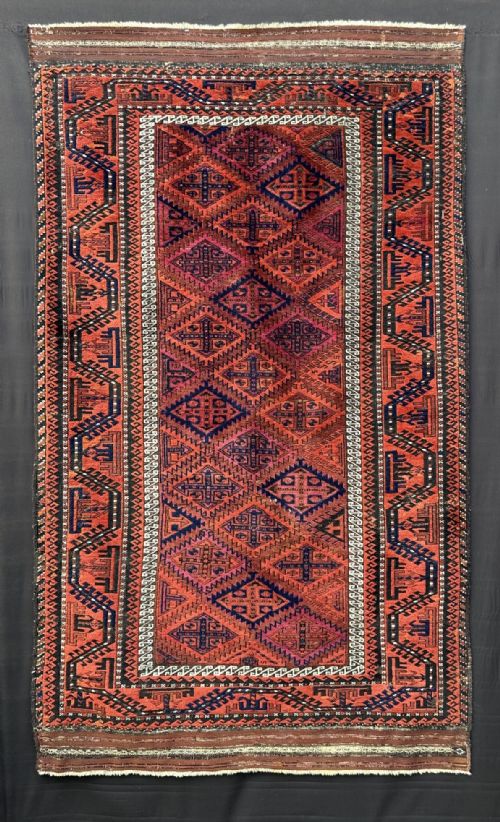
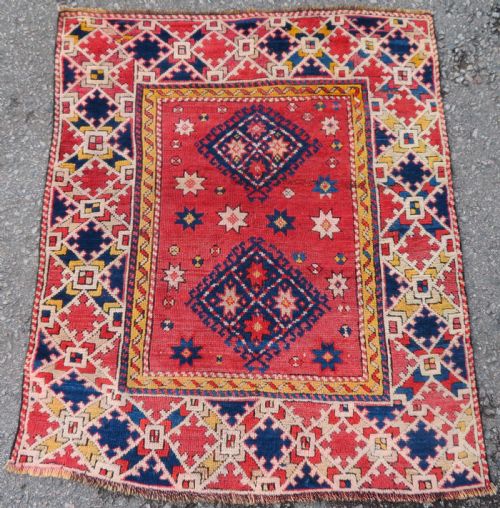
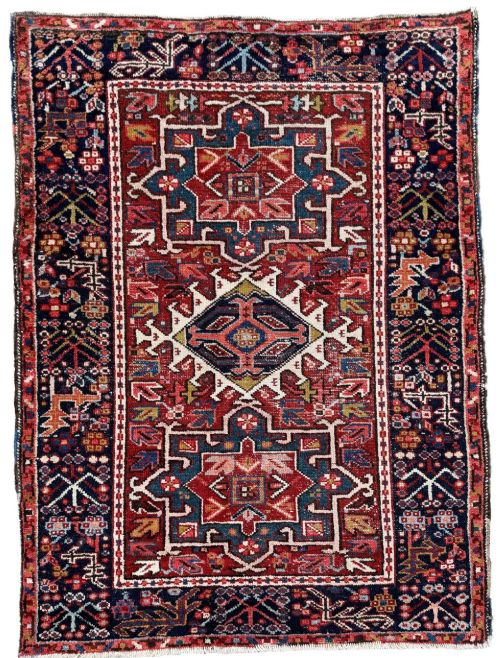
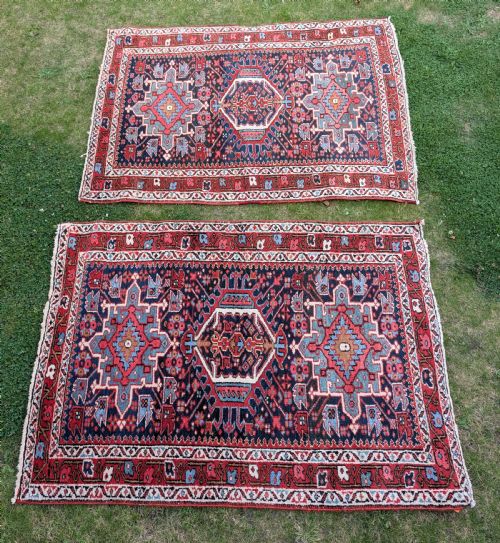



Antique Geometric Hearth Rug
An antique geometric hearth rug brings warmth and structured village design to a fireplace setting, anchoring smaller spaces with authentic tribal character.
Antique Geometric Hearth Rug
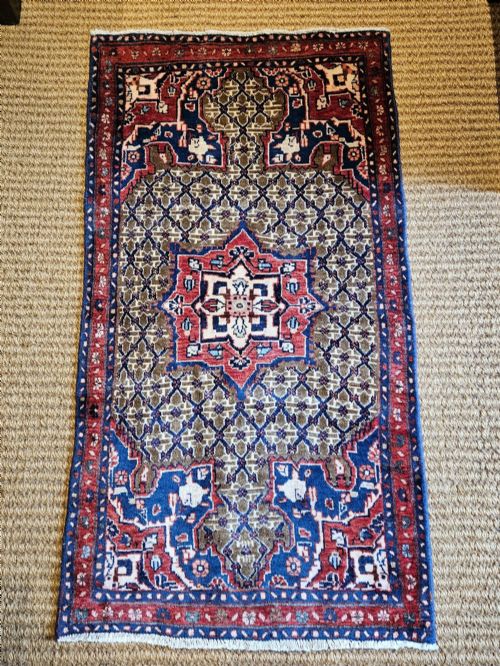
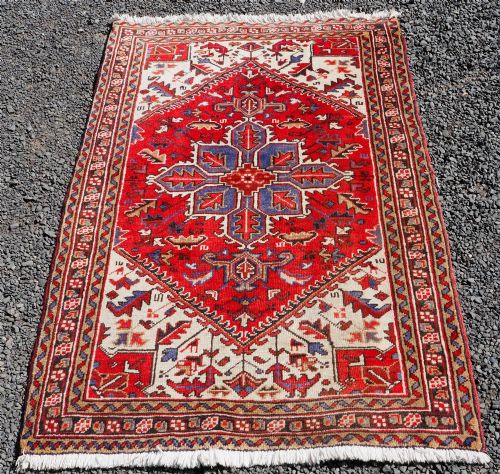
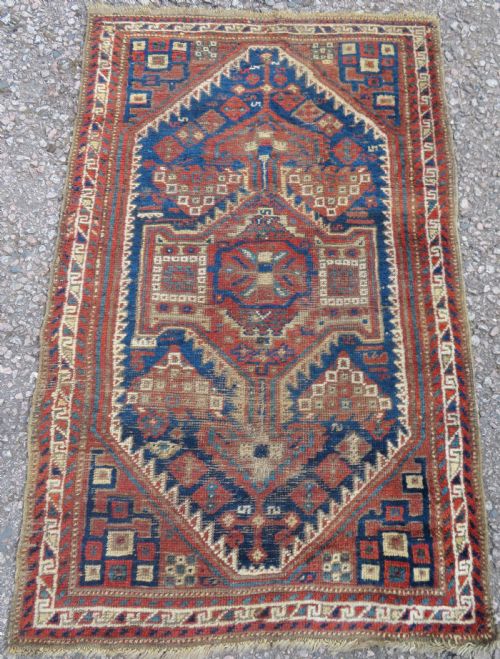
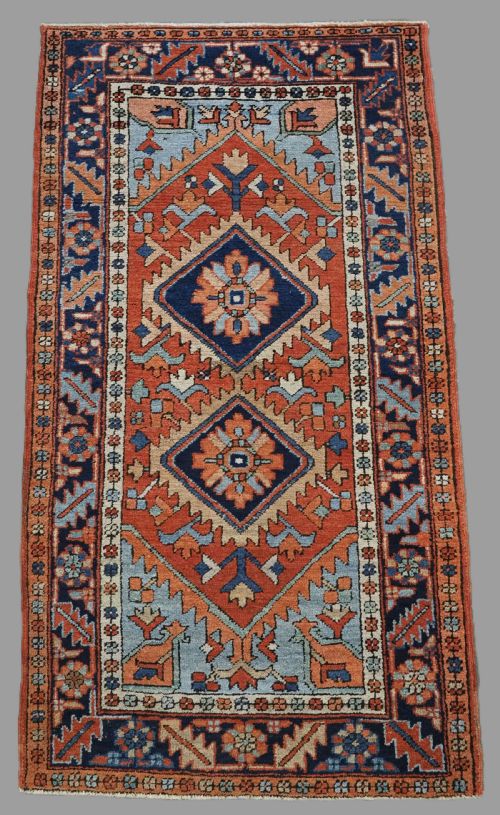
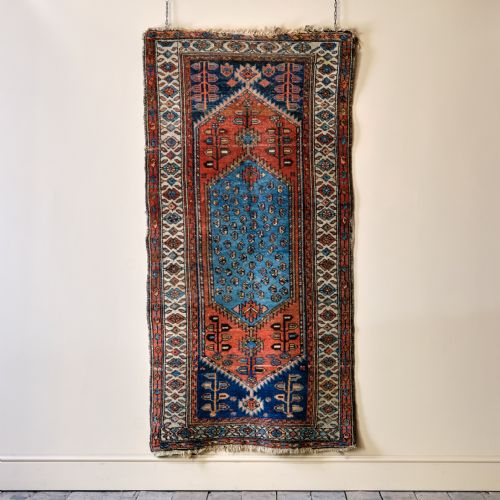
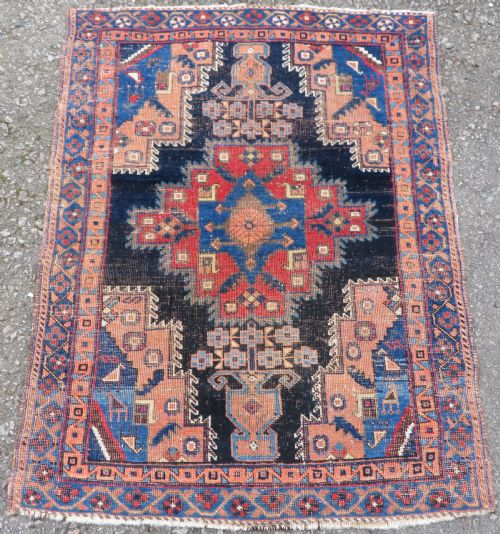
An antique geometric hearth rug brings traditional village weaving into domestic spaces, typically sized for placement before a fireplace or within compact rooms. These pieces originate from Persian, Anatolian, Caucasian, and Afghan tribal regions, spanning production dates from the nineteenth century through the early twentieth century.
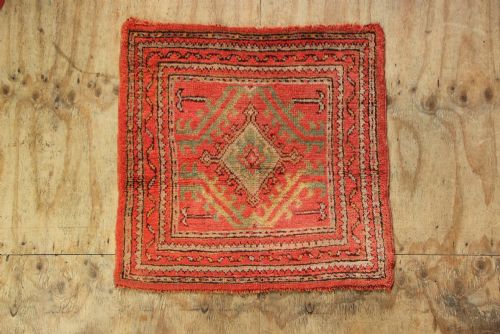
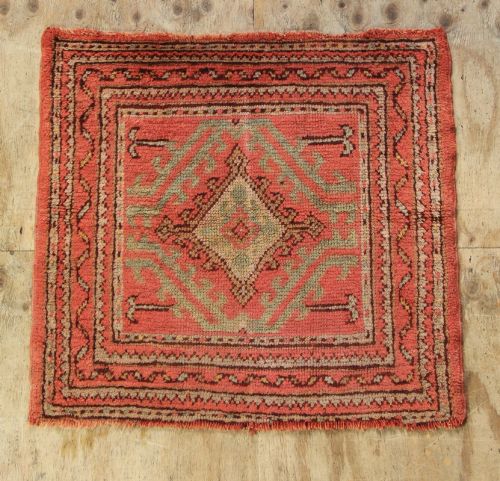
The selection centres on smaller formats, including square mats, narrow runners, and compact area rugs. Designs frequently incorporate medallions, lattice work, and repeating angular motifs characteristic of village workshops and nomadic weavers.
How They Were Made
Construction relies primarily on hand-knotted wool, with specific examples utilising hand-spun yarn and camel wool for varied texture and durability. Cotton warp threads provide structural stability for the denser pile weaves.
Weavers employed traditional upright looms, utilising natural dyes derived from plants and minerals to achieve the characteristic saturated tones seen across the Persian, Turkish, and Caucasian regions.
Antique Geometric Hearth Rug Retail Price Guide 2026
Typical asking prices for geometric hearth rug among the pieces listed under this phrase on Sellingantiques today, from the lower quarter to the upper quarter. They describe what is for sale here now, not the wider market.
Some rugs were originally woven to hang over nomad tent doorways rather than warm cold stone floors.
What Varies in Quality
Quality rests upon the density of the hand-knotting and the integrity of the wool foundation. Tighter knots yield sharper geometric definition in patterns such as medallions and lattice grids.
The nuance and depth of the natural dyework dictate visual distinction, separating standard village production from examples with exceptional colour saturation and preservation.
The Antique Geometric Hearth Rug Glossary
- Warp
- The vertical foundation threads stretched across the loom before knotting begins. These longitudinal threads support the entire structure of the rug.
- Pile
- The upright cut or uncut loops of wool that form the usable surface of the rug. Dense pile contributes to longevity and warmth underfoot.
- Medallion
- A central ornamental motif, often circular, octagonal, or angular, positioned in the middle of the field. This design element anchors the geometric composition.
- Ensi
- A specific type of rug traditionally used as a tent door hanging among Turkmen tribes. These pieces typically feature a quartered cruciform design.
Antique Geometric Hearth Rug: Frequently Asked Questions
How do I style a hearth rug?
Place the rug directly in front of the fireplace opening to protect flooring and add a focal point to the room.
These smaller formats also suit hallways, bedside areas, or compact seating arrangements where large carpets overwhelm the floor space.
What regions made these rugs?
Weaving traditions span Persian, Anatolian, Caucasian, and Afghan regions, each contributing distinct tribal patterns.
Villages and nomadic groups in these areas utilised local materials such as hand-spun wool and camel hair to create durable floor coverings.
How do I care for wool pile?
Vacuum gently without using a rotating brush roll to protect the hand-knotted structure and ancient fibres.
Professional cleaning tailored to antique textiles preserves the natural lanolin in the wool and prevents dye bleeding.
How do I date an old rug?
Examine the materials, structural wear, and dye characteristics against known production periods from the nineteenth and early twentieth centuries.
Natural variations in hand-spun wool and regional weaving structures provide key indicators of age and origin.