






Antique Afghan Runner
An antique afghan runner brings tribal geometry and saturated wool into a hallway, offering durable warmth woven by nomadic and village makers.
Antique Afghan Runner
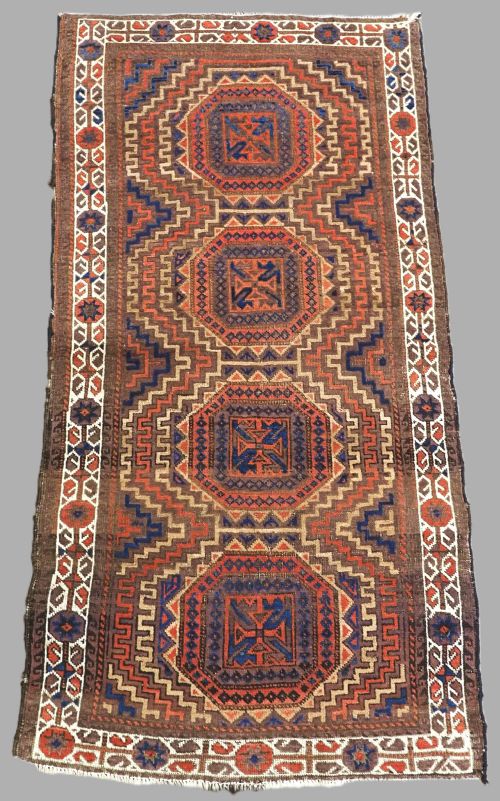
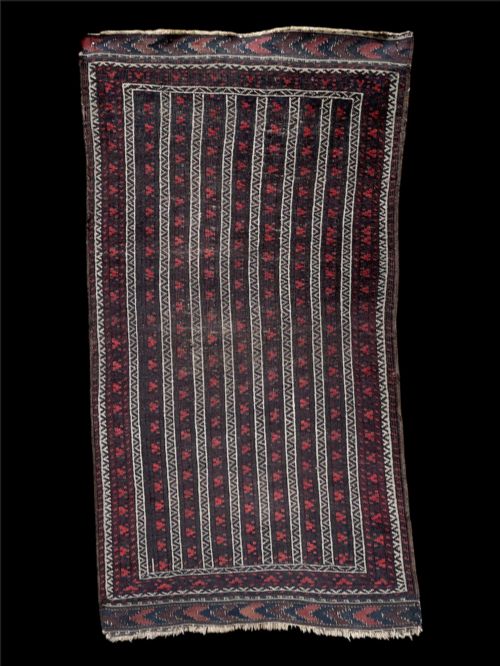
An antique afghan runner serves as a narrow, elongated floor covering originating from the tribal workshops and nomadic groups of Afghanistan and its borderlands. These elongated textiles include pieces woven by Baluch, Timuri, Ersari, and Mushwani weavers, often spanning the late nineteenth and early twentieth centuries. Buyers seeking an antique afghan runner encounter formats designed for corridors, hallways, and narrow spaces, combining functional length with intricate tribal iconography.
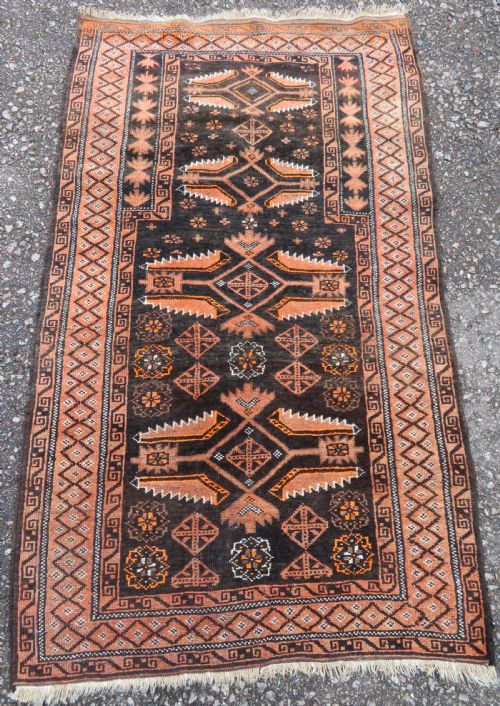
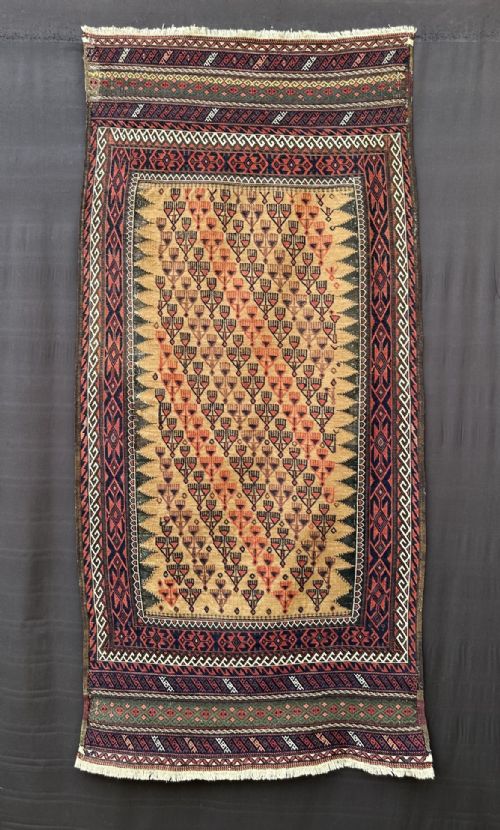
The format varies from corridor carpets to specific village long rugs, encompassing both piled constructions and flatwoven kilims. Tribal groups such as the Taimani, Firozkohi, and Kizil Ayak contribute distinct regional variations to this category, utilising traditional layouts like repeating guls, prayer mihrabs, and geometric border bands. These pieces reflect the utilitarian needs of pastoralists and villagers who required resilient floor furnishings for domestic interiors.
How they were made
Weavers constructed these long carpets using hand-spun wool for the pile, foundations, and supplementary weft-floats, frequently incorporating cotton for structural warps and occasionally camel wool or goat hair for natural tonal variation. The yarn underwent treatment with natural dyes, yielding deep browns, reds, and indigos that mature gracefully over decades of wear. Certain formats involve mixed techniques, combining knotted pile sections with bands of flatwoven weftwork or kilim ends.
Nomadic and village producers utilised upright or horizontal looms to execute complex geometric structures, including pieces woven in two parts and later joined along the centre. Edge finishes often include braided selvedges and extended kilim skirts secured with intricate locking wefts. The integration of sturdy animal fibres ensures the textile withstands heavy foot traffic while retaining structural integrity.
Antique Afghan Runner Retail Price Guide 2026
Typical asking prices for afghan runner among the pieces listed under this phrase on Sellingantiques today, from the lower quarter to the upper quarter. They describe what is for sale here now, not the wider market.
The inventory records regional formats including Timuri Sofreh spreads, Mushwani runners, and Firozkohi flatweaves woven in two parts.
What varies in quality
Quality in these textiles depends on the density of the knotting, the precision of the geometric layout, and the stability of the foundational wool. Finer pieces demonstrate tight, even pile manipulation and well-balanced proportions within narrow formats, whereas coarser examples reveal broader, more relaxed village execution. The clarity of the tribal motifs - such as octagonal guls, multiple mihrabs, and Kalam Donneha pencil box patterns - indicates the weaver's control over the medium.
The condition of the wool and the vibrancy derived from natural dye usage also distinguish finer examples from standard production. Intact kilim ends, secure original selvedges, and minimal structural intervention preserve the integrity of the piece. The choice of supplementary materials, such as soft camel wool or lustrous hand-spun fleece, elevates the tactile and visual depth of the finished runner.
The Antique Afghan Runner Glossary
- Gul
- A medallion motif commonly found in tribal weaving, often repeated across the field in octagonal or turreted forms. These primary design elements identify specific regional weaving groups.
- Mihrab
- A niche design representing a prayer arch, frequently duplicated as single, double, or triple mihrabs on village rugs. This architectural motif directs the focus of the textile.
- Kilim
- A flatwoven textile produced without a pile by tightly inter-weaving warp and weft strands. These sections often appear at the ends of runners or as independent mats.
- Sofreh
- A ceremonial dining or food-spread cloth woven by tribal groups in the borderlands. These formats feature specialised field designs distinct from standard floor rugs.
- Selvedge
- The reinforced edge of a carpet formed by wrapping lateral cords with weft threads. Secure finishing prevents the pile from unravelling along the margins.
Antique Afghan Runner: Frequently Asked Questions
How do I clean an antique afghan runner?
Maintenance requires gentle surface dusting and professional immersion washing tailored to natural wool piles and traditional dyes. Avoid harsh chemical detergents and mechanical agitation to preserve the integrity of the animal fibres.
Regular rotation prevents uneven wear patterns in high-traffic hallways and corridors. Prompt attention to spills using dry blotting protects the foundation from moisture damage.
Where were these runners originally used?
Nomadic households and village communities placed these elongated textiles in tents, mud-brick dwellings, and communal gathering spaces for insulation and floor protection. Their narrow format suited transitional spaces and tent entryways.
Today, the dimensions adapt naturally to modern corridors, stair landings, and galley kitchens. They introduce historical texture and grounding geometry to contemporary architectural interiors.
What is a prayer rug design?
Prayer designs incorporate a distinct arched niche or mihrab that traditionally oriented the weaver or user toward a sacred direction during daily devotions. Village workshops often multiplied these arches into double or triple formats.
These symbolic layouts feature balanced geometry and meditative symmetry. They remain highly sought after by collectors for their narrative iconography.
How do I date an older runner?
Dating relies on assessing the saturation of natural dyes, the handling of hand-spun wool, and structural characteristics typical of nineteenth and early twentieth-century production. Variations in tribal attributions and structural quirks offer further chronological clues.
Comparing knot styles and design motifs against documented archives helps narrow the period of origin. Physical evidence of wear and foundation materials confirms age without relying on labels.