





Small Afghan Wool Carpet
A small afghan wool carpet brings rich tribal geometry and deep natural dyes to compact floor spaces, prized by collectors for genuine nomadic character.
Small Afghan Wool Carpet
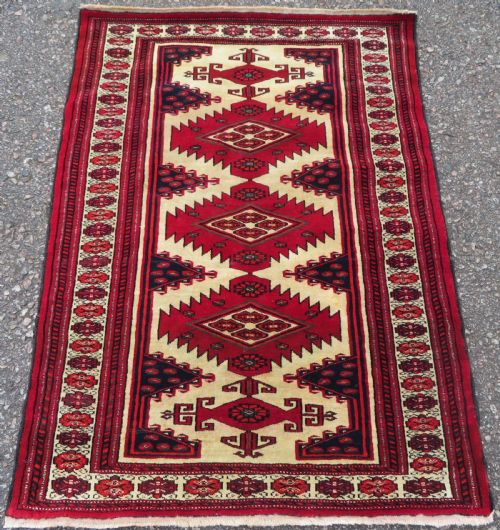
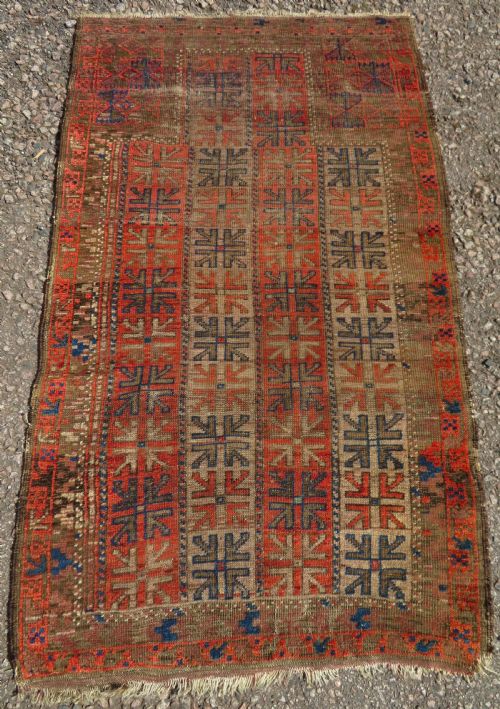
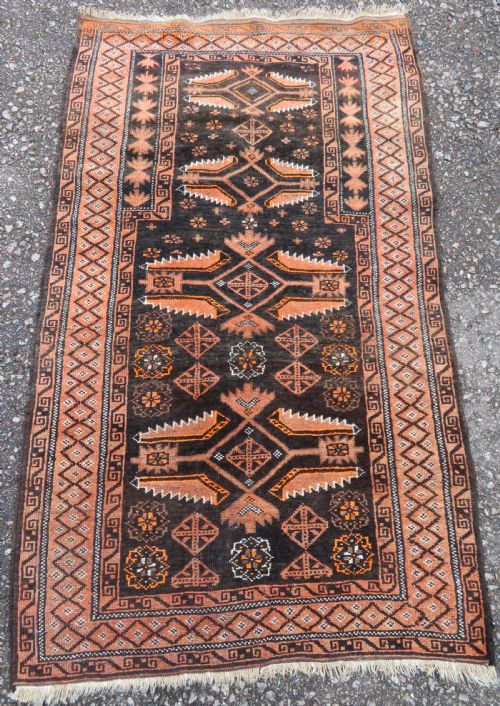
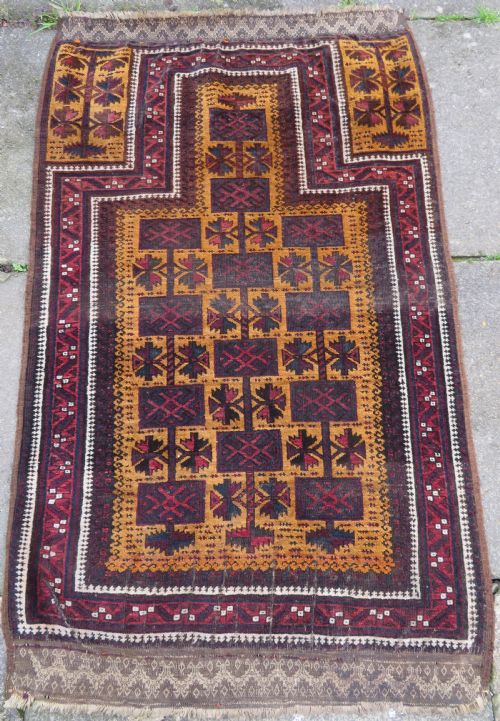
A small afghan wool carpet represents centuries of nomadic and village weaving traditions originating from Afghanistan and the wider border regions. These pieces encompass various formats including compact area rugs and dedicated prayer rugs designed for portable daily use.
Most examples encountered here date from the late nineteenth century through to the early decades of the twentieth century. They reflect distinct tribal identities such as Baluch, Turkmen, and Taimani groups, each bringing specific regional motifs to the loom.
The format is inherently portable, historically suited to the migratory lifestyles of the makers. Buyers select them to anchor smaller rooms, hallways, or study spaces with authentic textile history.
How they were made
Weavers utilised hand-spun wool for the pile, yielding a resilient texture that ages with a soft, faded patina over decades of use. Certain pieces incorporate camel hair within the foundation or ground, adding natural tone and varied weight to the weave.
Natural dyes provide the enduring colour palette, derived from regional plants and minerals that maintain depth across generations. These dyes interact organically with the wool, producing subtle tonal variations across the field of the rug.
Small Afghan Wool Carpet Retail Price Guide 2026
Typical asking prices for small afghan wool carpet among the pieces listed under this phrase on Sellingantiques today, from the lower quarter to the upper quarter. They describe what is for sale here now, not the wider market.
Nomadic weavers occasionally embedded stray goat hairs and pocket lint into the wool, leaving permanent tiny signatures of their working day.
What varies in quality
The standard of a small afghan wool carpet depends on the clarity of the design motifs and the fineness of the knotting executed by the weaver. Crisp execution of complex symbols, such as multiple mihrabs or lattice patterns, indicates a higher level of technical skill.
The preservation of the original pile and the integrity of the selvedges determine the overall structural survival of the piece. Examples that retain their full wool pile alongside balanced natural dye distribution command greater appreciation among collectors.
The Small Afghan Wool Carpet Glossary
- Prayer rug
- A small rug featuring a mihrab or arch design indicating the direction of prayer, used traditionally for daily devotions. These pieces often display specific niche layouts tailored to individual tribal workshops.
- Mihrab
- An architectural niche design represented on prayer rugs, symbolising a doorway or sanctuary. Multiple arches within a single field are often referred to as seh mihrab.
- Seh mihrab
- A design layout featuring three arched niches grouped together across the upper field of a prayer rug. This motif is frequently documented in Baluch and Taimani weaving traditions.
- Dokhtar-e-qazi
- A traditional tribal rug design pattern associated with Baluch weavers, characterised by specific geometric medallion arrangements. The name translates historically to the judge's daughter.
- Camel hair
- Undyed wool sourced from camels, utilised in tribal rugs to provide a durable, warm brown ground colour. It often displays a distinct soft texture compared to standard sheep wool.
Small Afghan Wool Carpet: Frequently Asked Questions
How do I identify a prayer rug?
A prayer rug is distinguished by its specific niche motif at one end, known as a mihrab, which points in a directional manner. These formats are generally smaller in scale to allow for portable personal use.
Historically, the weaver constructed the field layout specifically to frame this central arch, often incorporating tree of life or lotus leaf motifs within the design.
Where were these rugs made?
These textiles originate from village and nomadic workshops across Afghanistan, including the Herat region and northern territories. Different tribal groups, such as the Baluch and Turkmen, inhabited these areas and produced distinct regional styles.
Local access to specific grazing lands and dye plants directly influenced the wool quality and colour palettes unique to each district.
How should I care for wool rugs?
Wool rugs require gentle maintenance, primarily through careful, regular vacuuming without a rotating brush bar to protect the hand-spun pile. Keeping them out of harsh, direct sunlight preserves the stability of the natural dyes.
Professional cleaning should be utilised periodically to remove embedded dust safely without damaging the historic foundation fibres.