

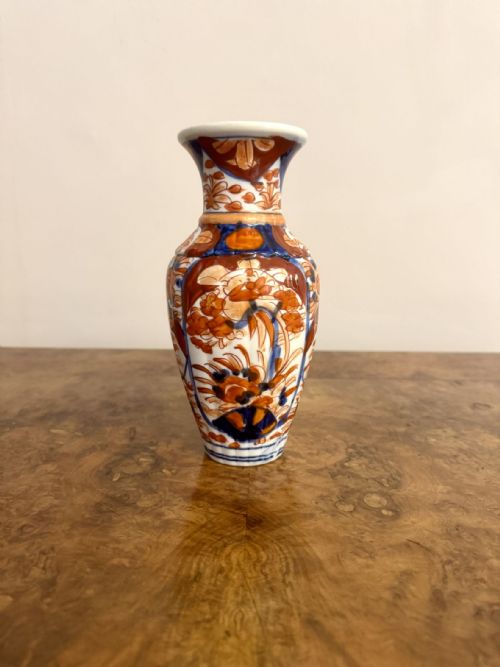


Orange Pottery Vessels
These orange pottery vessels bring rich warmth and striking colour to any room, offering centuries of ceramic craftsmanship from British, European, and Asian kilns.
Orange Pottery Vessels
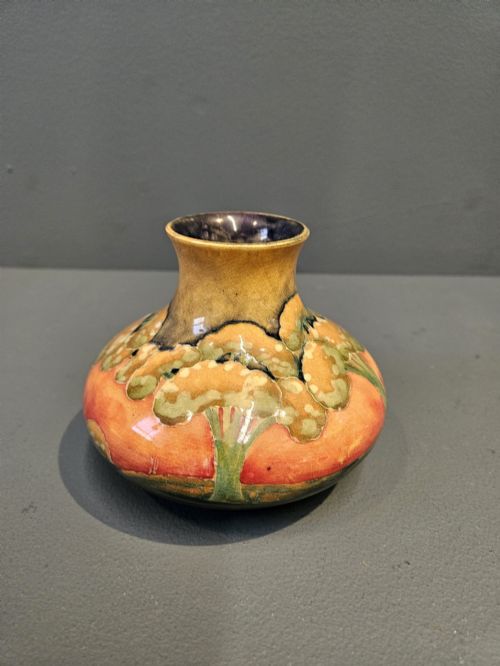
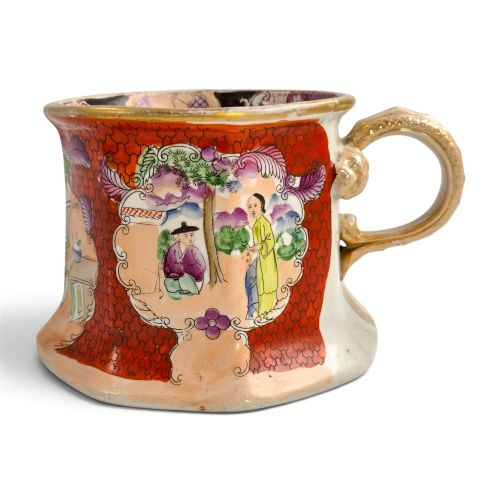
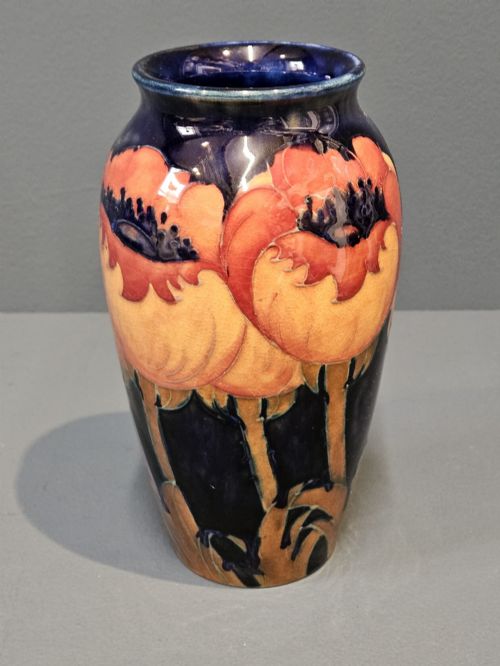
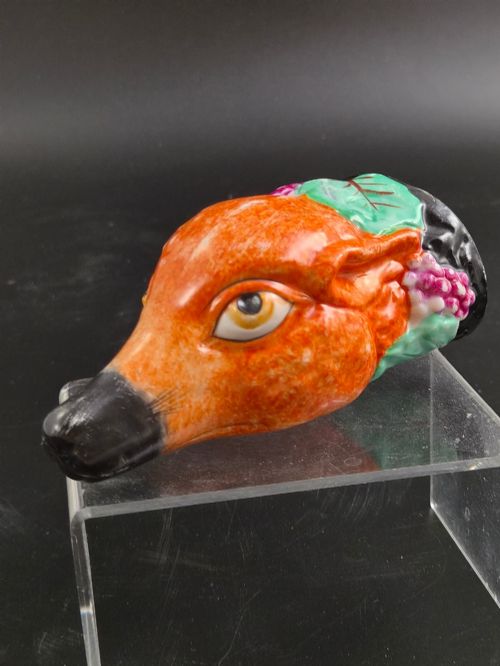
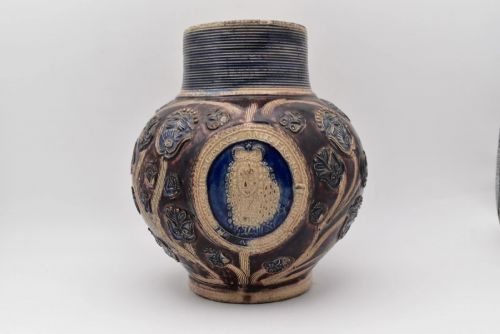
When searching for orange pottery vessels, collectors encounter a diverse selection of ceramics spanning multiple centuries, from early Dutch slipware and German stoneware to refined Asian porcelains and twentieth-century British earthenware. The pieces on this page primarily take the form of vases, decorative jugs, jars, mugs, and stirrup cups, originating from distinct periods such as the seventeenth, eighteenth, nineteenth, and early twentieth centuries.
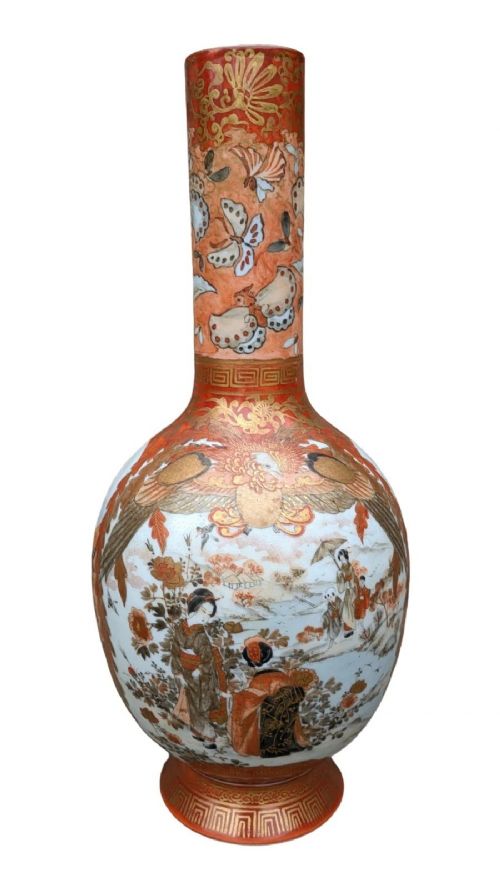
The most common examples on this page reflect vibrant stylistic traditions, notably Japanese Imari, Kutani, and Satsuma wares, alongside European ironstone and earthenware. These vessels range from domestic kitchenalia and large cider mugs to intricate, hand-painted display vases with intricate glazes and enamels.
Materials and construction
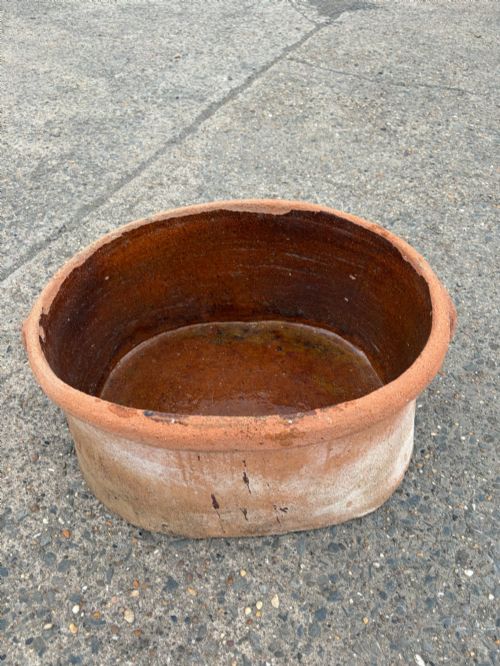
Potters utilised earthenware, porcelain, ironstone, and stoneware as the primary body materials for these vessels, shaping them by hand or on the wheel before firing. Earthenware and terracotta formed the sturdy basis for traditional utilitarian pieces like North Devon salters and Dutch slipware jars.
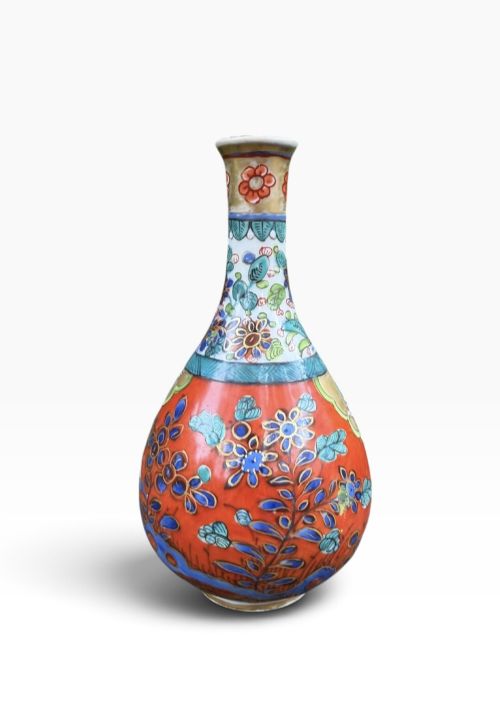
Makers applied surface colour through rich glazes, enamel paints, and occasionally gold leaf details. Techniques such as clobbering, moriage relief work, and hand-painted underglaze or overglaze decoration created the characteristic orange and multi-coloured palettes seen across Japanese export wares and British ironstone.
Orange Pottery Vessels Retail Price Guide 2026
Typical asking prices for orange pottery vessels among the pieces listed under this phrase on Sellingantiques today, from the lower quarter to the upper quarter. They describe what is for sale here now, not the wider market.
Listings feature items from the seventeenth century up to the 1930s, encompassing earthenware, porcelain, stoneware, and ironstone.
Distinctions in quality
The provenance and artistic ambition of the maker also set finer examples apart from standard utilitarian ware. Pieces bearing distinct period signatures, sophisticated Chinoiserie or floral motifs, and well-executed decorative techniques like moriage represent the upper tier of this selection.
Mason's·Moorcroft·Royal Staffordshire·Miles Mason·Wedgwood·Charlotte Rhead
The Orange Pottery Vessels Glossary
- Clobbered
- Refers to porcelain or pottery that has been decorated overseas, usually in Europe, by adding extra enamel colours and gilding over an earlier underglaze blue Chinese export design. This secondary decoration fundamentally alters the appearance of the piece.
- Imari
- A traditional style of Japanese porcelain originating from Arita, typically characterised by a palette of underglaze blue, iron red, and gold. These pieces often feature dense floral and geometric panels.
- Kutani
- A style of Japanese coloured pottery and porcelain known for bold designs and rich palettes, frequently incorporating extensive use of gold and vibrant orange or red tones. Kutani wares became highly popular for export during the Meiji period.
- Ironstone
- A type of durable semi-porcelain developed in nineteenth-century Britain as a robust alternative to true porcelain. It readily accepts transfer printing and enamel painting.
- Moriage
- A decorative technique used on Japanese ceramics where clay is piped onto the surface in raised dots or lines before firing, creating a tactile, textured effect that often outlines floral or animal motifs.
Orange Pottery Vessels: Frequently Asked Questions
How do I care for antique ceramic vessels?
Keep these vessels out of direct sunlight to protect enamel colours and gold leaf details from fading over time. Dust them gently with a dry, soft cloth and avoid submerging older earthenware or slipware in water.
Display them on stable surfaces away from high-traffic areas to prevent accidental knocks. If a piece requires cleaning, use a damp cloth sparingly and dry the surface immediately.
How were slipware jars used?
Traditional slipware jars and terracotta vessels served primarily utilitarian purposes in early kitchens and dairies for storing liquids, preserves, and dry goods. Their dense clay bodies helped maintain stable internal temperatures for food storage.
Over time, many of these robust everyday items transitioned into decorative objects appreciated for their rustic surfaces and historical character. Their earthy tones make them popular focal points in traditional interior schemes.
What defines Meiji period ceramics?
The Meiji period saw Japanese ceramic production expand rapidly to satisfy international demand, resulting in highly decorative export wares. Workshops focused on intricate hand-painted details, rich enamels, and complex decorative schemes.
Pieces from this era, such as Satsuma and Kutani vases, often feature dense gilding and pictorial scenes depicting figures, birds, and flowers. Their vibrant colour palettes make them instantly recognisable in any collection.
How do I distinguish ironstone from porcelain?
Ironstone is a heavy, opaque ceramic material designed to withstand daily use while mimicking the appearance of true porcelain. It tends to feel denser and sounds heavier when tapped compared to translucent porcelain bodies.
Nineteenth-century British manufacturers utilised ironstone for large jugs, mugs, and decorative vases that required both strength and a refined surface for colourful enamel decoration.