


Orange Ironstone Ceramic
Orange ironstone ceramic pieces are sturdy domestic wares decorated with vibrant glazes, offering collectors robust historical utility and rich colour.
Orange Ironstone Ceramic
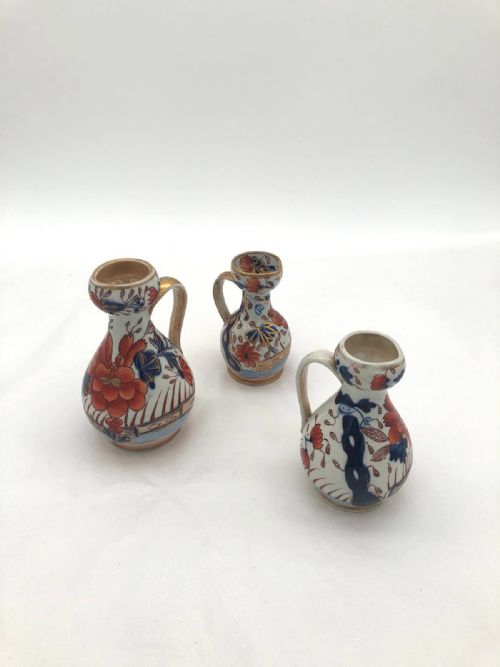
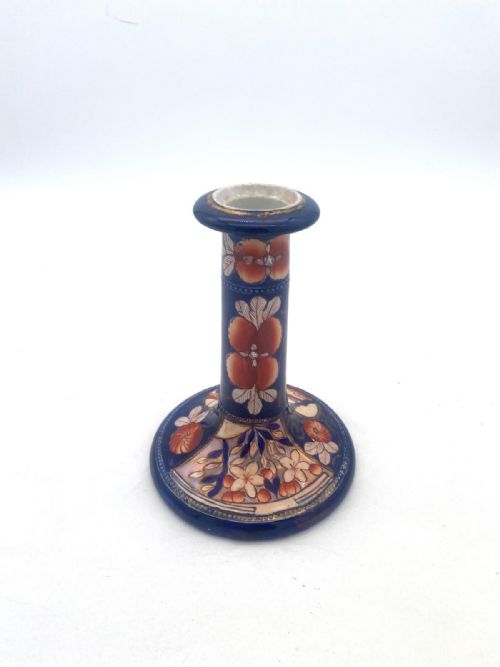
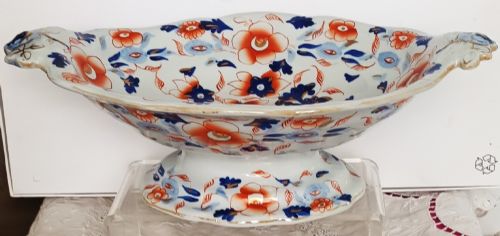
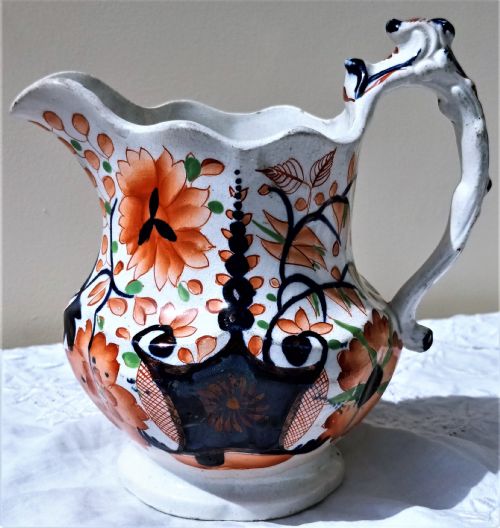
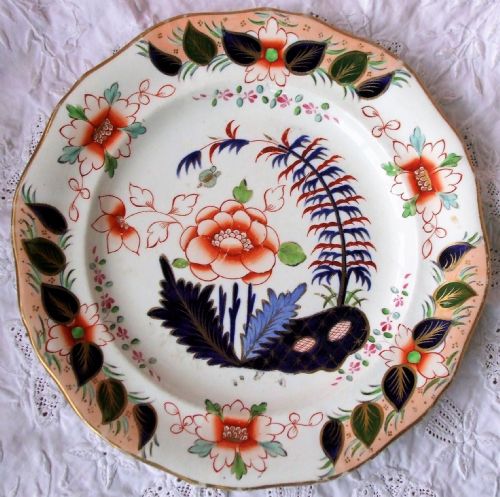
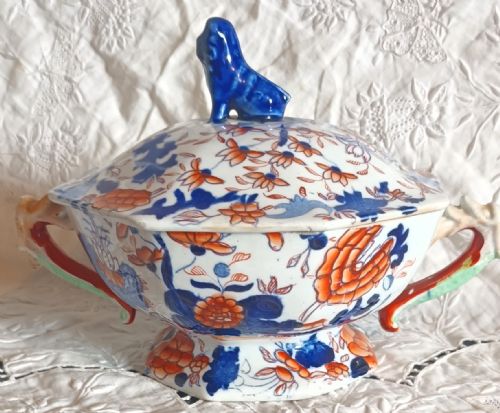
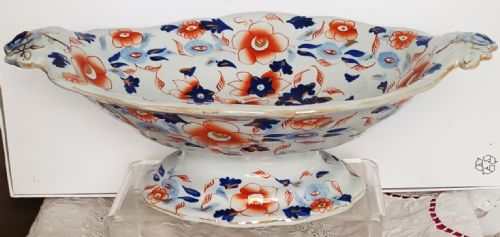
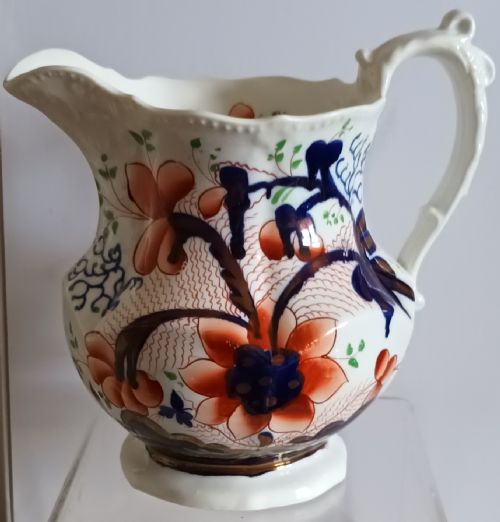
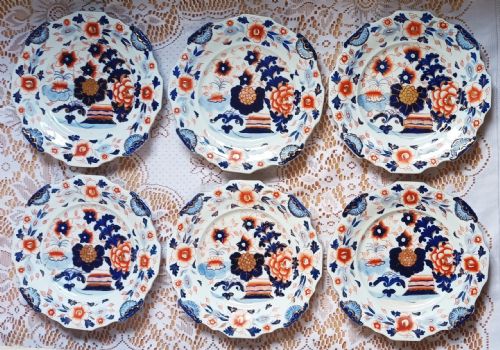
When searching for orange ironstone ceramic, collectors look at durable nineteenth-century tableware and decorative items designed for heavy household use. These dense earthenware pieces include plates, jugs, tureens, candlesticks, and comports decorated in striking patterns.
The version most commonly met on this page is the nineteenth-century vessel or service bearing Imari, Japan, or Schoolhouse patterns. Makers applied these decorative schemes in bright orange enamel and gilt over ironstone bodies during the Georgian, Regency, and Victorian eras.
Forms range from miniature hydra jugs and salts to large dinner services, chargers, and lidded vases. English potteries produced these objects to combine the resilience of stoneware with the refined appearance of oriental porcelain.
How they were made
Potters manufactured these objects using a dense earthenware body known as ironstone, which combined refined clay with slag and feldspar to create a heavy, durable fabric. This robust ceramic body resisted chipping far better than standard porcelain while accepting thick glazes.
Workers decorated the fired pieces with hand-applied enamel pigments, notably bright orange, alongside blue, iron-red, and gold leaf highlights. Many items featured transfer-printed outlines filled in with hand-painted washes depicting exotic birds, flowers, and Chinoiserie landscapes.
Listings feature nineteenth-century ironstone pieces from the Georgian, Regency, Victorian, and Edwardian periods.
What varies in quality
Quality separates through the crispness of the transfer printing and the richness of the hand-painted enamel and gold leaf details. Superior examples exhibit precise brushwork and vibrant orange glazes that remain thick and glossy without fading.
The intricacy of the moulding shapes the tier of a piece, as seen in serpentine edges, serpent-handled hydra jugs, and faceted octagonal forms. Well-preserved matching services and marked pieces from prominent makers retain greater desirability among collectors.
Mason's·John Davenport of Longport·Miles Mason·Gaudy Welsh
The Orange Ironstone Ceramic Glossary
- Ironstone
- A heavy, durable ceramic patented in the nineteenth century to imitate Chinese porcelain while offering superior strength. It forms the solid body for plates, jugs, and tureens.
- Imari
- A decorative style featuring rich orange, iron-red, cobalt blue, and gold leaf, inspired by Japanese export wares. Potters widely adopted this palette on nineteenth-century English ceramics.
- Hydra jug
- A distinctive vessel featuring a snake-shaped handle and an octagonal or rounded body. These jugs appear frequently in early nineteenth-century ironstone productions.
- Comport
- A footed dish or bowl elevated above the table surface for serving fruit or desserts. These decorative pieces sit on circular or pedestal bases.
- Ashet
- A large oval platter or dish used for serving meat or joints at the dining table. This Scottish and northern English term denotes generous proportions in nineteenth-century dinner services.
Orange Ironstone Ceramic: Frequently Asked Questions
What is orange ironstone ceramic?
Orange ironstone ceramic comprises nineteenth-century English pottery items made from a dense, durable earthenware body. They feature vibrant orange enamel decorations, often combined with gilt and oriental-inspired patterns.
Potteries designed these wares for practical dining and decorative display, blending robust construction with colourful artistic styles.
How were these ceramic items used?
These vessels served everyday and formal dining functions, including serving dinners, desserts, tea, and sauces. Large tureens held soups and stews, while jugs poured liquids at the table.
Smaller items like salts, candlesticks, and miniature watering cans fulfilled specialised household tasks or ornamented sideboards and mantelpieces.
How do I date an ironstone piece?
Dating relies on maker marks stamped or printed on the underside, stylistic cues like Regency shapes, and the character of the enamel colours. Early nineteenth-century pieces often display hand-painted pattern numbers alongside maker names.
Victorian and Edwardian items generally show standardised registry marks or later factory stamps that narrow the production window.
How do I care for antique ironstone?
Antique ironstone requires gentle hand washing in lukewarm water with mild soap to protect the surface glazes and delicate gold leaf highlights. Avoid soaking pieces for prolonged periods, especially if the ceramic body shows old hairline cracks.
Keep them away from modern dishwashers and harsh abrasive scourers to preserve the vibrant orange enamels.