





Openwork Gilt Frame Mirror
An openwork gilt frame mirror brings radiant warmth and intricate carved detail to a room, catching the light with centuries of craftsmanship.
Openwork Gilt Frame Mirror
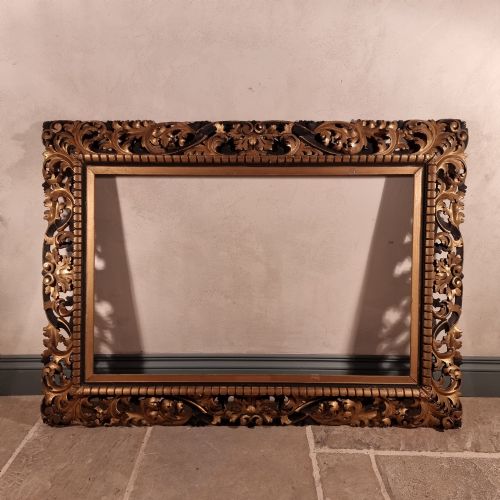
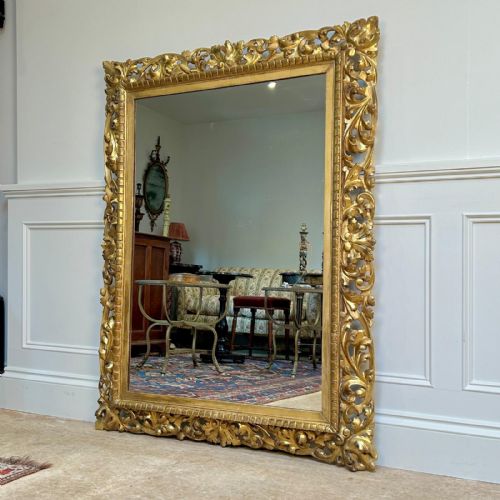
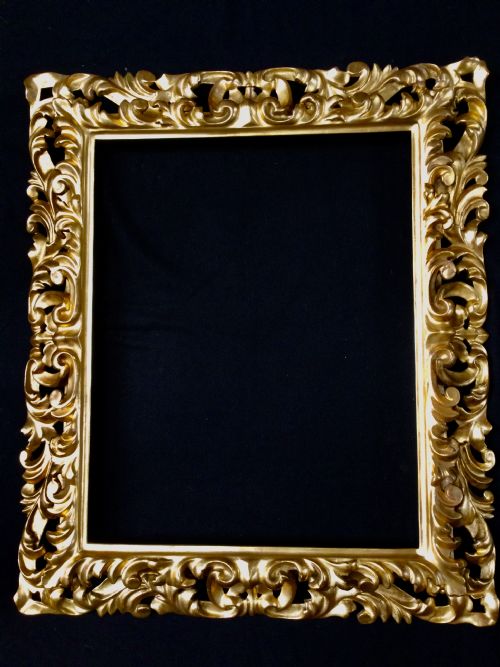
When you search for an openwork gilt frame mirror, you seek a decorative wall hanging defined by intricate carved wood and a bright gold surface. These pieces range from substantial wall mirrors to antique picture frames adapted for reflection, often displaying elaborate open scrollwork and pierced motifs.
You are most likely to meet nineteenth-century examples on this page, alongside pieces referencing earlier periods like the eighteenth century. They appear in distinct regional styles, notably Florentine carvings and French or Spanish revivals, creating a striking focal point in any interior.
How they were made
Carvers shaped timber bases from wood before applying layers of gesso to build up the intricate relief details. Artisans then meticulously laid gold leaf over the prepared surfaces to achieve a brilliant, enduring metallic sheen.
The openwork effect required skilled hand-carving to pierce the wooden frame, creating light-filled spaces within the scrollwork and floral motifs. Glass was then fitted into the finished rebate, often accompanied by traditional backing boards.
Openwork Gilt Frame Mirror Retail Price Guide 2026
Typical asking prices for openwork gilt frame mirror among the pieces listed under this phrase on Sellingantiques today, from the lower quarter to the upper quarter. They describe what is for sale here now, not the wider market.
Listings span four distinct centuries, featuring traditional materials like giltwood, gesso, and hand-applied gold leaf across wall mirrors and picture frames.
What varies in quality
The depth and crispness of the hand-carved detail separate standard decorative items from finer expressions of the craft. Superior examples exhibit sharp undercutting in the foliage and scrollwork, whereas lesser pieces appear softer and more uniform.
The application of the gold leaf and the preservation of the underlying gesso layers also dictate the visual depth of the frame. Original mercury glass or aged mirror plates with authentic foxing add significant character compared to modern replacements.
The Openwork Gilt Frame Mirror Glossary
- Giltwood
- Timber that has been decorated with gold leaf or gold powder. This surface treatment provides the characteristic warm metallic glow found on antique frames.
- Gesso
- A plaster-like mixture applied to wood frames to create a smooth surface for gilding. It allows carvers to achieve fine relief details before applying gold leaf.
- Florentine
- A regional style originating from Florence, known for ornate carved foliage and deep scrollwork. These frames often feature rich gilding designed to catch candlelight.
- Parcel gilt
- A decoration method where only specific parts of an object are gilded while other areas show painted or natural wood surfaces. This creates a striking contrast between the gold and the darker base material.
Openwork Gilt Frame Mirror: Frequently Asked Questions
Where should I hang an openwork mirror?
These mirrors suit principal reception rooms, hallways, or above a mantelpiece where their reflective qualities amplify natural light.
Position them opposite a window to maximise brightness and showcase the intricate carved frame against a plain wall.
How do I clean a giltwood frame?
Dust the carved surfaces gently with a soft, dry brush to prevent accumulating dirt within the intricate openwork crevices.
Avoid using water, chemical sprays, or abrasive cloths, as these can easily damage the delicate gold leaf and historic gesso layers.
How do I identify a Florentine frame?
Florentine frames typically display dense, continuous carved scrollwork, acanthus leaves, and deep profiles without plain borders.
They rely on rich gilding and pierced openwork rather than architectural mouldings to define their distinctive regional aesthetic.