
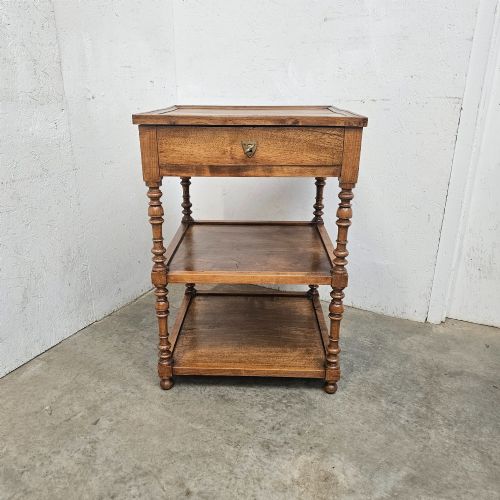
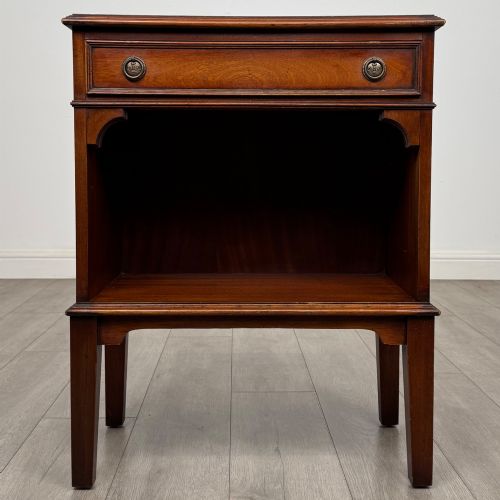
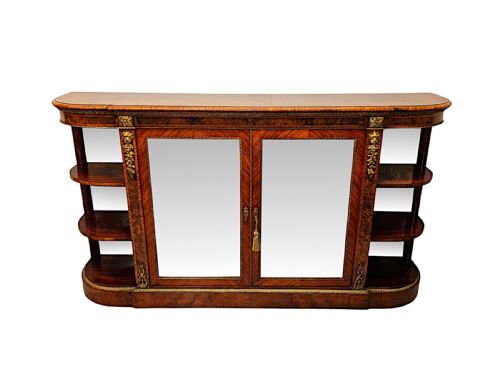
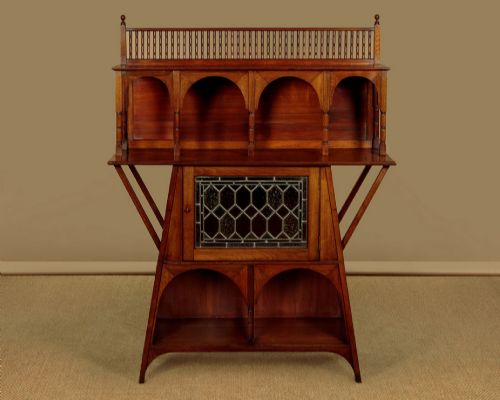

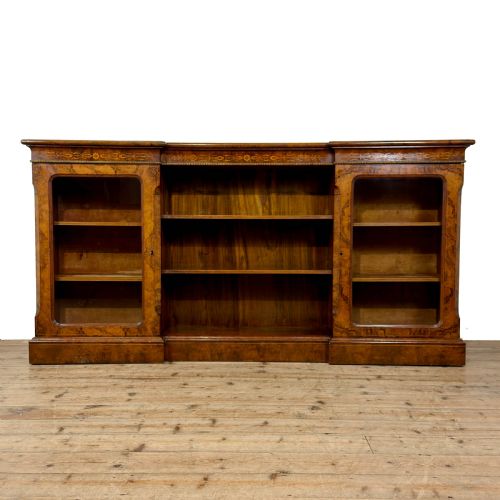
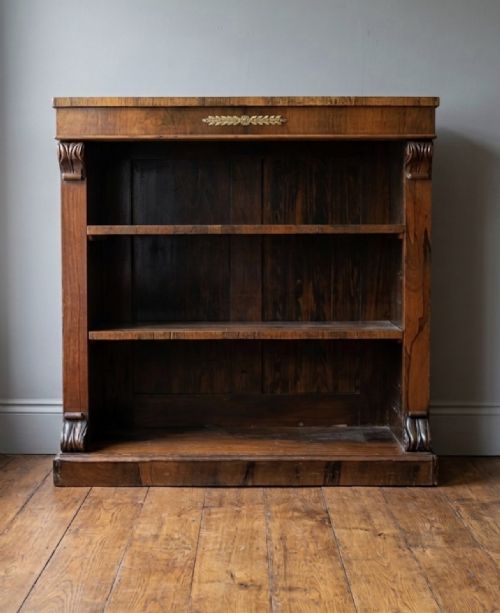

Open Shelf Side Cabinet
An open shelf side cabinet brings accessible display space and structured storage into a room, spanning periods from the Regency era through to Art Deco.
Open Shelf Side Cabinet
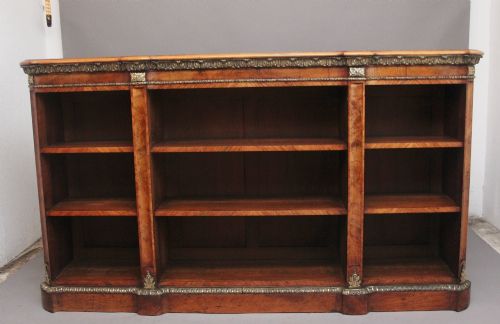
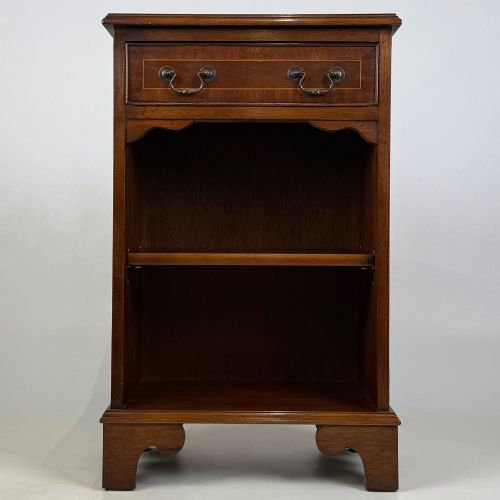
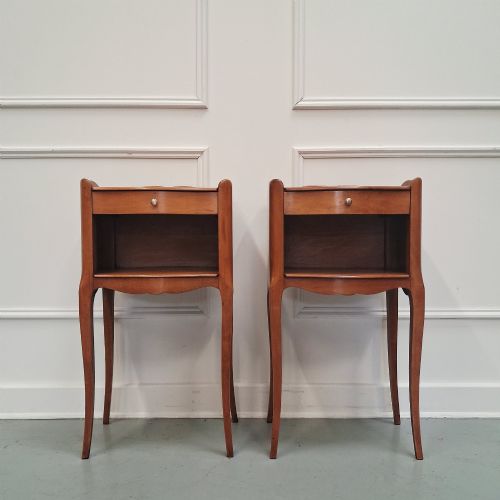
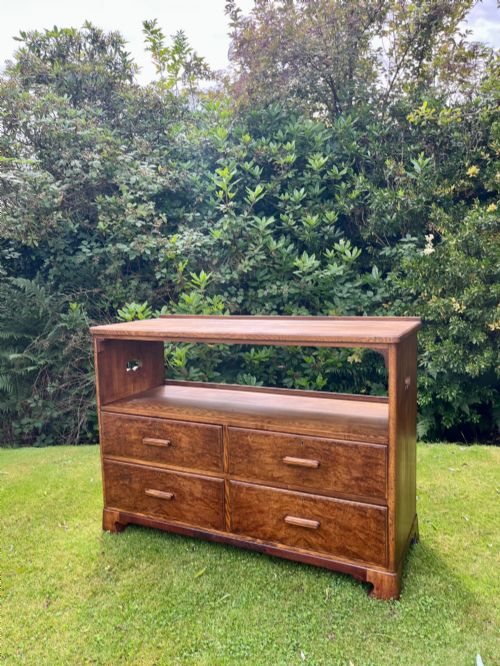
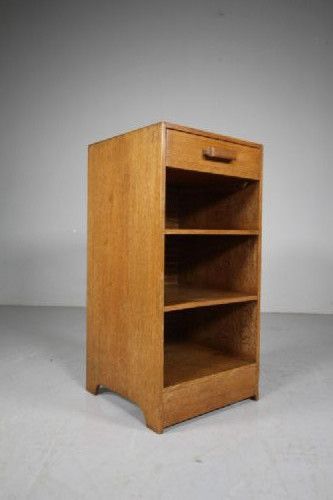
An open shelf side cabinet combines open display tiers with enclosed storage, fulfilling a dual purpose in domestic interiors. When exploring open shelf side cabinet designs, buyers encounter diverse forms ranging from low bedside tables to large credenzas and bookcases.
The pieces on this page originate from periods including the Regency era, Victorian decades, the Edwardian period, and the 1930s. Styles stretch across Victorian, Edwardian, Art Deco, and revival aesthetics.
Makers and retailers represented include Johnstone and Jeanes, Whytock and Reid, Gillows, Liberty and Co., Heal's, and Betty Joel. Forms vary from compact bedside cabinets to substantial rosewood and walnut bookcases.
Materials and construction methods
Cabinet makers utilised a variety of primary timbers including mahogany, walnut, burr walnut, oak, rosewood, elm, cherry wood, and satinwood. These woods were selected for their grain patterns and structural durability.
Decorative elements involve brass mounts, ormolu enrichments, ebonised details, inlaid marquetry, painted panels, and green marble tops. Construction techniques range from traditional joinery to veneered surfaces applied to carcases.
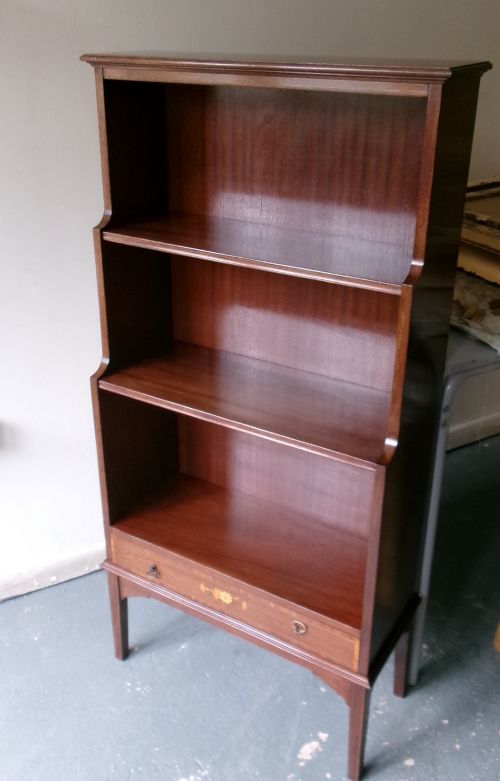
Open shelving sections are frequently integrated with drawers, glazed doors, or cupboards below, demonstrating meticulous cabinet work across nineteenth and twentieth-century examples.
Listings feature items spanning the 19th Century, Regency, Victorian, Edwardian, and 1930s periods, constructed from mahogany, walnut, rosewood, oak, and ormolu.
Evaluating standard and craftsmanship
Quality in an open shelf side cabinet rests upon the selection of timber figures and the precision of the joinery. Figured walnut, burr walnut, and rosewood veneers indicate higher tier commissions.
The presence of fine mounts, such as fire-gilded ormolu or cast brass, separates standard production items from workshop pieces bearing attribution or maker stamps.
Johnstone and Jeanes·Whytock and Reid·Gillows·Liberty and Co·Heals·Betty Joel
The Open Shelf Side Cabinet Glossary
- Ormolu
- Gilded bronze ornamentation applied to furniture. It provides decorative contrast against dark timbers like walnut and mahogany.
- Credenza
- A sideboard or cabinet, often featuring central cupboards flanked by curved glass or open shelves. It originated in Italy as a buffet for holding dishes.
- Credenza
- A sideboard or cabinet, often featuring central cupboards flanked by curved glass or open shelves. It originated in Italy as a buffet for holding dishes.
- Etagere
- A piece of furniture consisting of a set of open shelves for displaying small objects. These tiers are supported by slender columns or turned legs.
- Marquetry
- Decorative veneer work formed by small pieces of wood, ivory, or shell fitted into a background. It creates intricate pictorial or geometric patterns on cabinet doors.
Open Shelf Side Cabinet: Frequently Asked Questions
What is an open shelf side cabinet?
An open shelf side cabinet is a piece of furniture that combines accessible open shelving with enclosed storage or display space. These items function as bookcases, bedside tables, or credenzas.
They appear in various woods like mahogany, walnut, and oak across several design periods.
How do I date an open shelf side cabinet?
Dating relies on identifying timber choices, construction methods, and stylistic markers associated with specific eras. Regency and Victorian pieces show distinct proportions and carving compared to 1930s Art Deco examples.
Makers' stamps and retailer labels also provide precise chronological attribution.
Were these cabinets used as bedside tables?
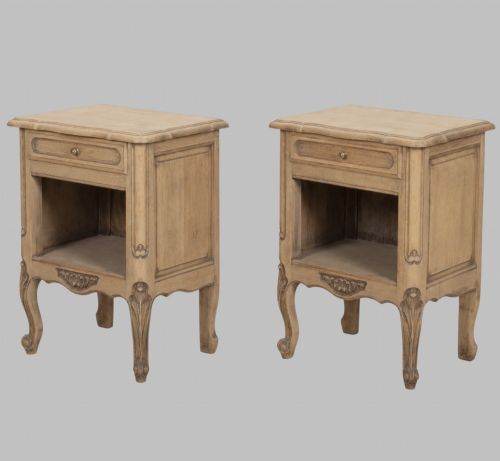
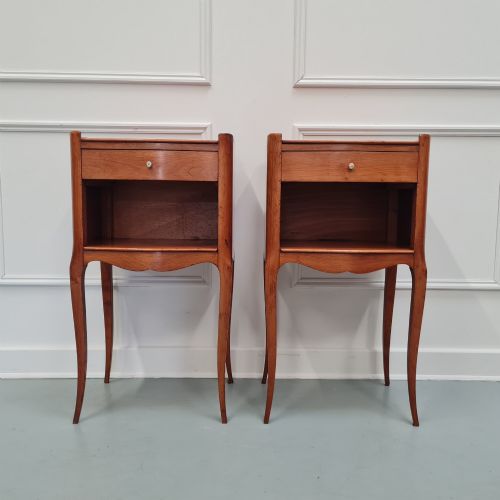
Many smaller scaled pieces function as bedside tables or lamp tables alongside their primary roles as bookcases. Compact cabinets with single drawers and open lower shelves suit bedroom placement.
Pairs of these cabinets frequently appear in Edwardian and 1930s inventories.
What woods were used for these cabinets?
Cabinet makers utilised timbers such as mahogany, walnut, burr walnut, rosewood, oak, elm, and satinwood. Exotic veneers were chosen for their decorative grain.
Secondary woods were often used for interior framing and drawer linings.