
Open Fronted Bookcase
An open fronted bookcase offers accessible storage and displays collections effectively within any room.
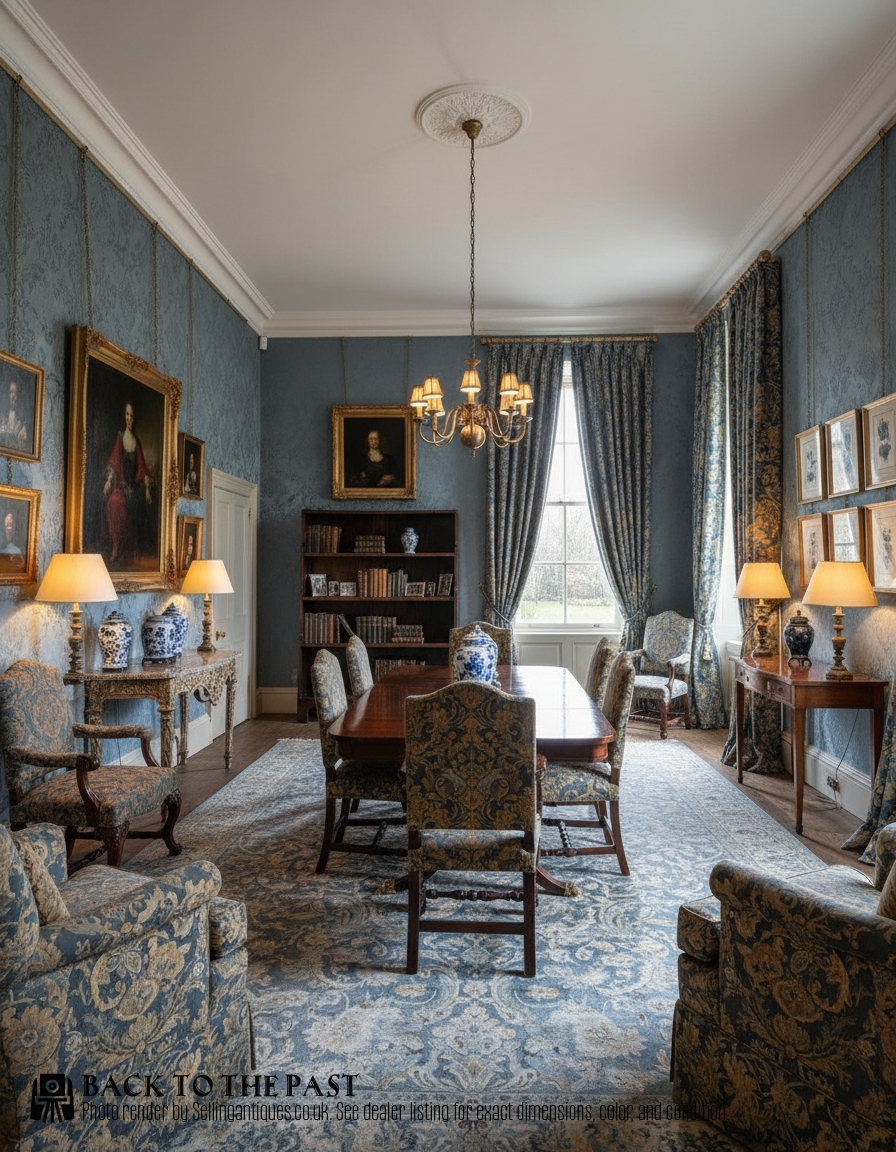
Open Fronted Bookcase
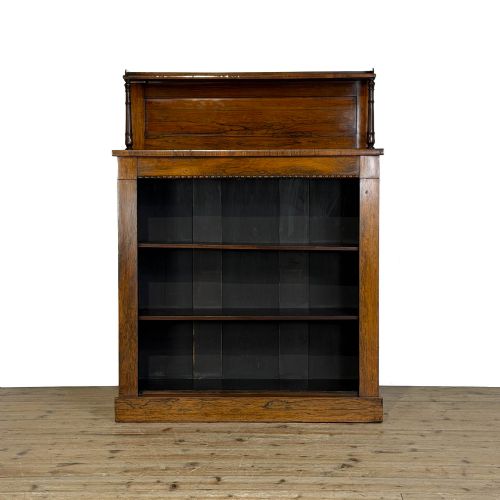
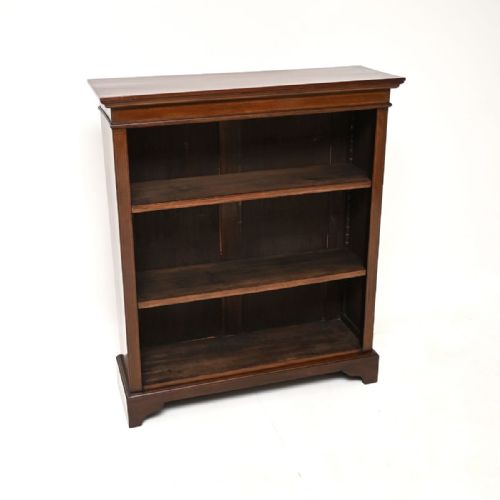
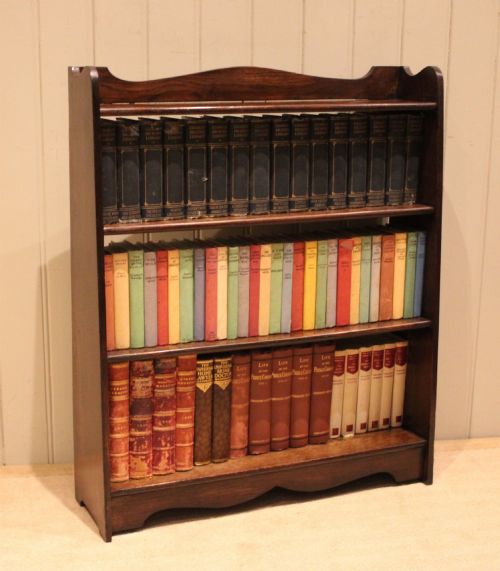
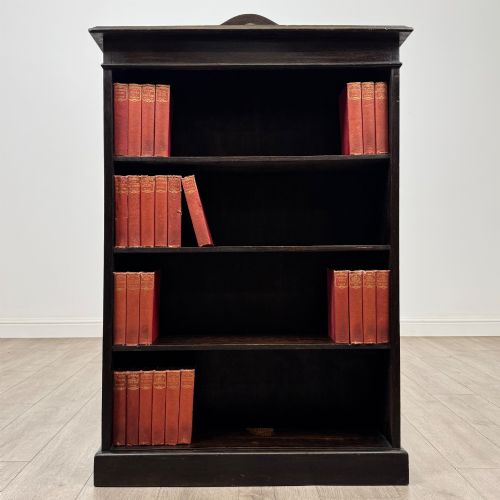
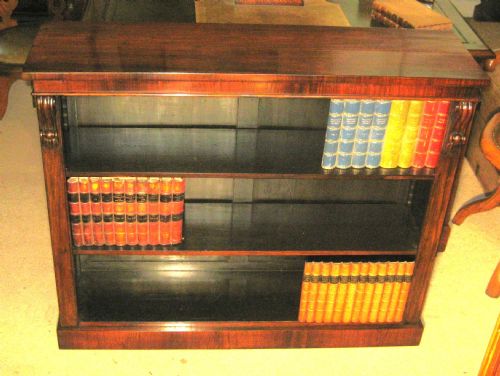
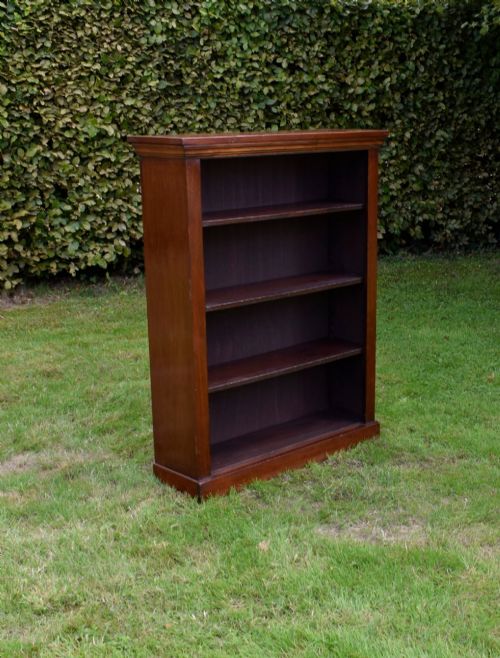
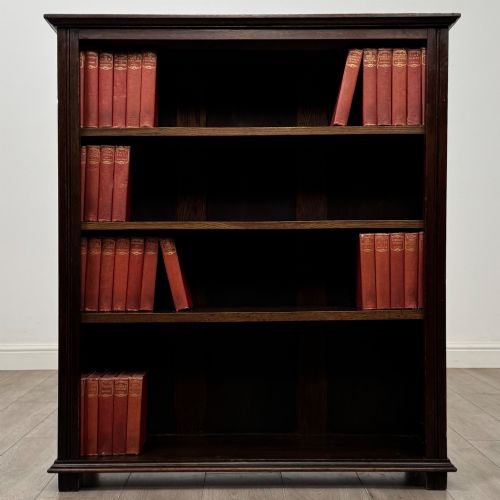
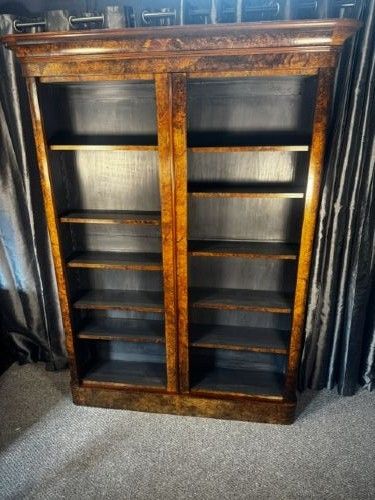
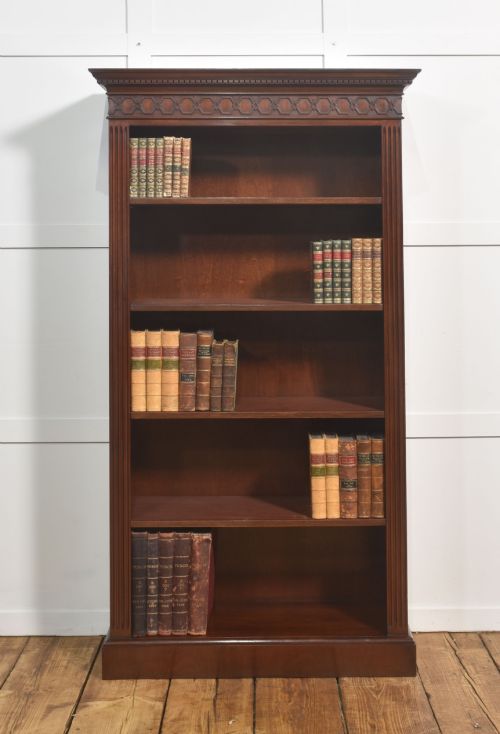
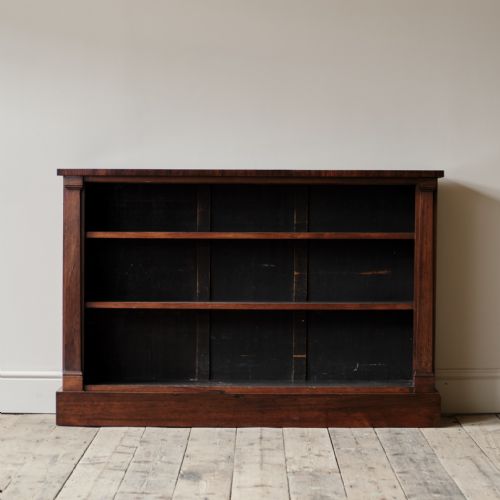
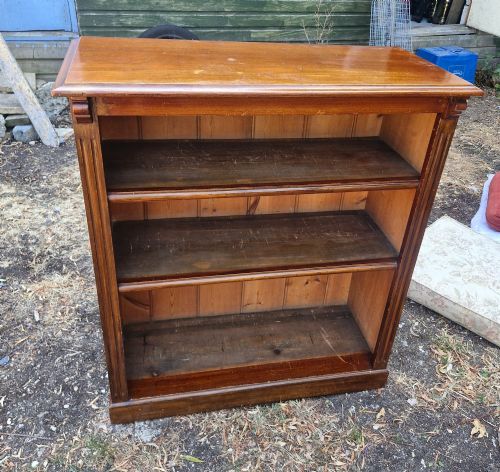
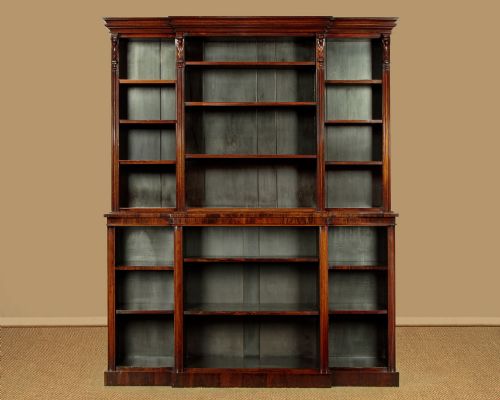
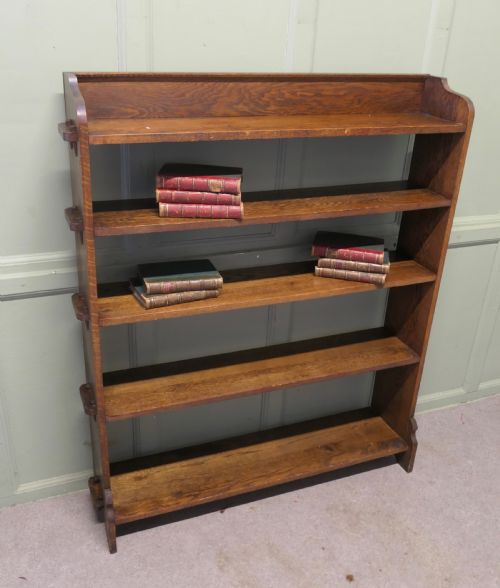
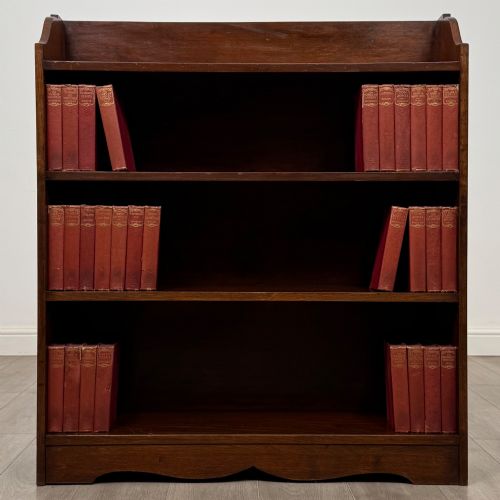
An open fronted bookcase provides unobstructed shelf space for books and decorative objects without cabinet doors. The pieces appearing here span the Victorian, Edwardian, and twentieth-century periods, alongside styles such as Regency and Arts and Crafts. Buyers encounter numerous forms ranging from modest oak and mahogany examples to larger breakfront library furniture.
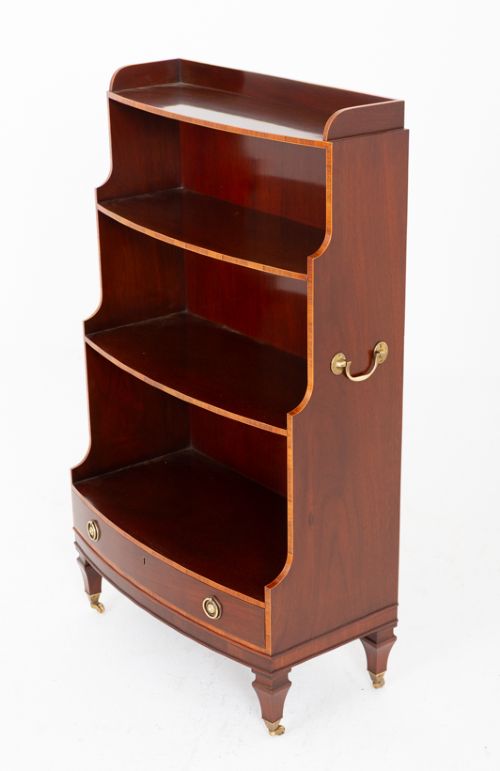
Makers utilised various native and imported timbers, resulting in items constructed from rosewood, walnut, pine, and satinwood. Specific variations include waterfall bookshelves, angled shelves, and dwarf bookcases designed for domestic interiors. These furnishings served as practical library additions and display furniture in traditional homes.
How They Were Made
Cabinet makers constructed these open fronted bookcase pieces primarily from solid hardwoods like oak and mahogany, often incorporating veneers such as burr walnut, flame mahogany, and birdseye maple across prominent surfaces. Workshops employed traditional joinery techniques to house fixed or adjustable timber shelving securely within sturdy carcasses.
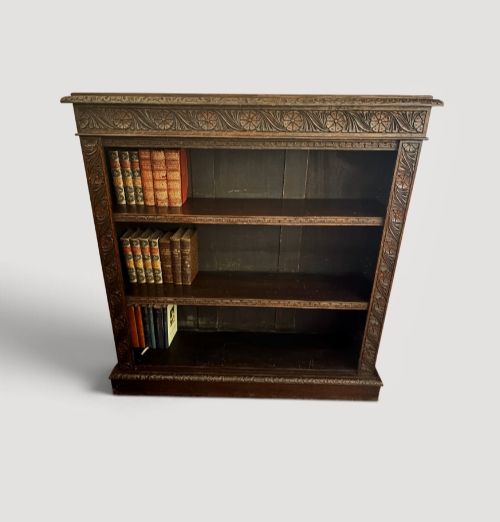
Surface ornamentation involved brass inlay, ormolu mounts, carved details, and delicate wood marquetry, particularly on Edwardian and Victorian examples. Finishers applied polishes to accentuate the natural grain patterns of rosewood, satinwood, and walnut.
The archive records architectural three-sectional designs alongside compact book troughs and breakfront formats.
What Varies in Quality
The standard of timber selection heavily dictates quality, with highly figured grains like burr walnut and flame mahogany marking superior workshop output. Architectural detailing, such as carved mouldings and inlaid brass work, distinguishes standard utilitarian items from finer cabinet work.
The inclusion of functional mechanisms, including adjustable shelf ratchets and integrated drawers, reflects the original tier of manufacture. Well-proportioned breakfront designs and balanced proportions indicate greater skill in the original construction.
Sir Charles Barry
The Open Fronted Bookcase Glossary
- Breakfront
- A piece of furniture where the central section projects forward from the flanking wings. This configuration adds architectural depth to larger library bookcases.
- Waterfall bookcase
- A set of open shelves that steps back progressively from bottom to top, resembling cascading water. These compact pieces date predominantly to the late nineteenth and early twentieth centuries.
- Adjustable shelves
- Shelves that can be moved up or down using vertical tracks, wooden tooth moulding, or brass pins. This system allowed owners to accommodate books of varying heights.
- Book trough
- A small, open shelving unit designed to sit on a table or floor for holding a selection of current reading material. They often appear in Arts and Crafts contexts.
Open Fronted Bookcase: Frequently Asked Questions
How do I date an open fronted bookcase?
Dating relies on identifying the prevailing timber choices, construction methods, and decorative styles characteristic of specific eras. Victorian examples often feature rich mahogany or rosewood, whilst Edwardian pieces frequently utilise lighter oak with inlaid details.
Examining the shelf adjustment mechanisms and backboards also helps determine whether a piece originates from the nineteenth or twentieth century.
Are the shelves adjustable?
Many examples listed across the periods feature adjustable shelving supported by wooden ratchets or metal pins. This practical arrangement allowed historical owners to rearrange interiors for different book sizes.
Some smaller or earlier pieces retain fixed shelves integrated directly into the vertical carcass sides.
Where were these bookcases used?
Historically, these bookcases furnished domestic libraries, studies, and drawing rooms for displaying literature and decorative ornaments. Their accessible shelves suited daily reading as well as formal collections.
Smaller variants such as book troughs and dwarf bookcases functioned effectively beside firesides or in bedrooms.