


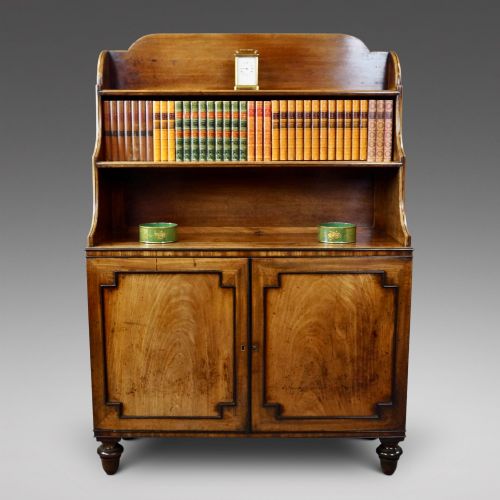


19th Century Waterfall Shelves
Nineteenth century waterfall shelves offer stepped tiers of graduated storage designed to hold books and display objects.
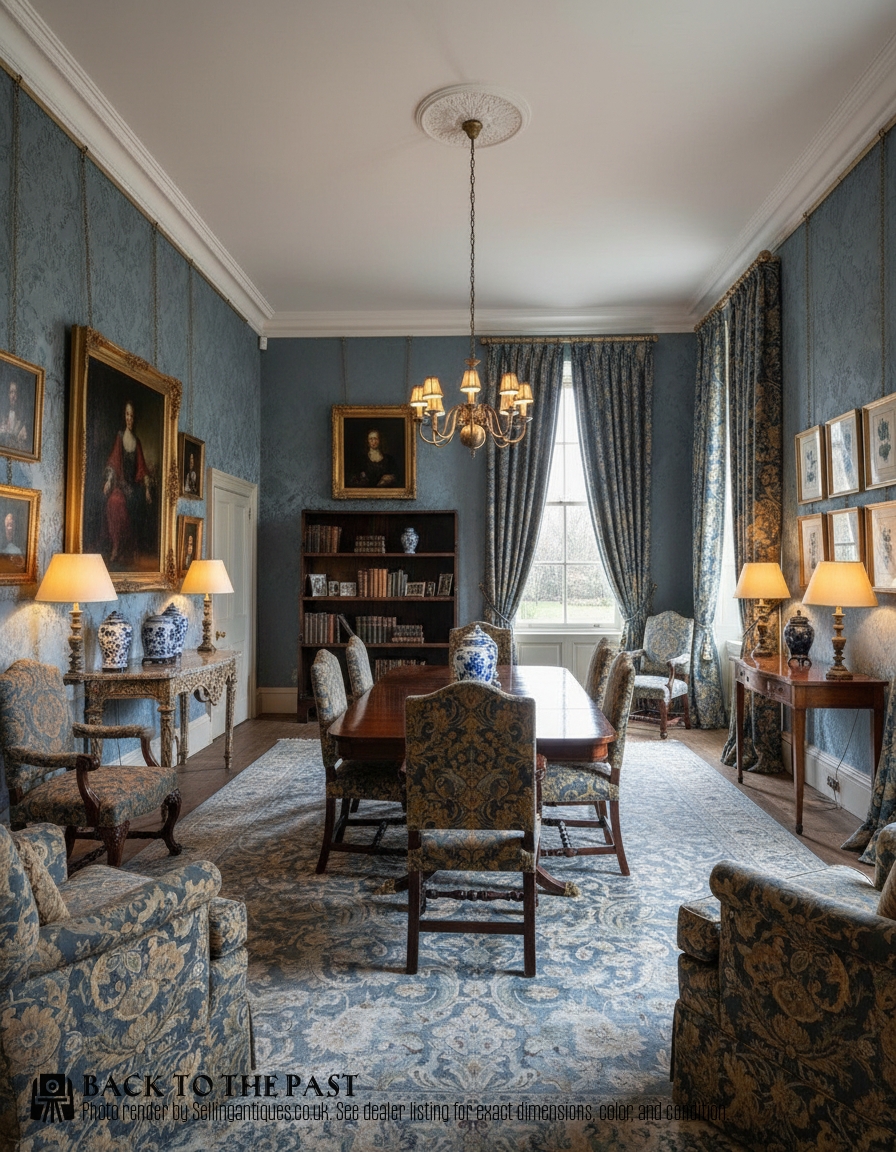
19th Century Waterfall Shelves
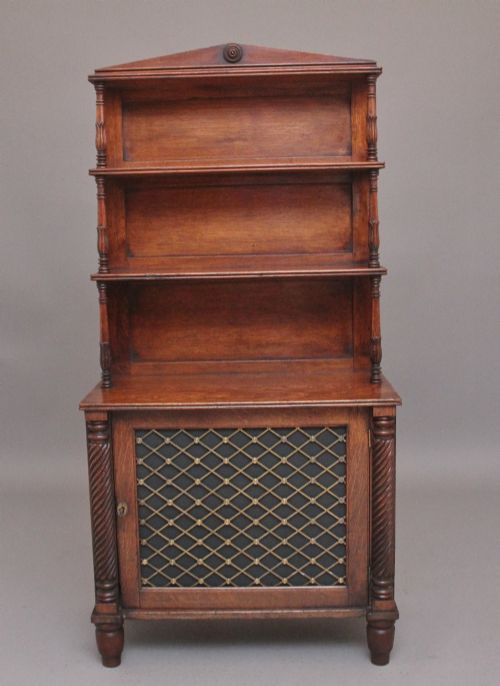
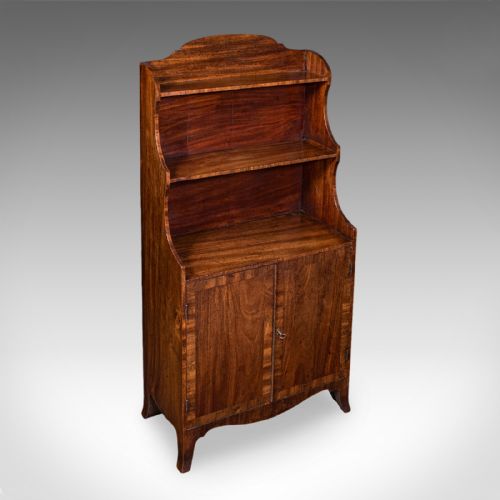
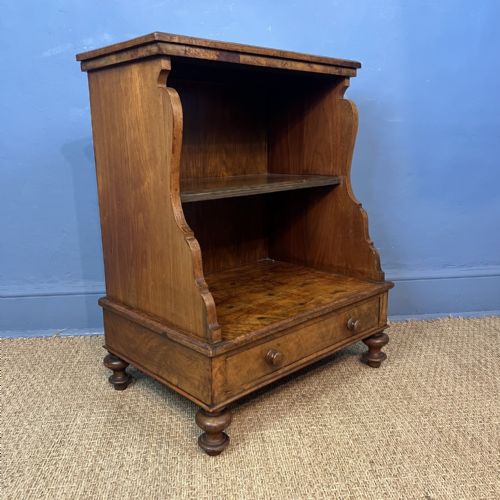
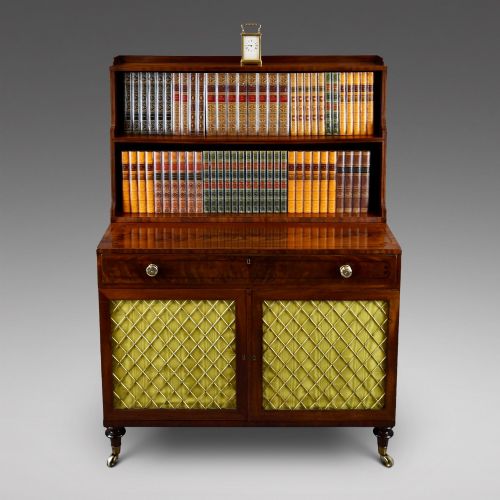
Nineteenth century waterfall shelves present stepped, descending tiers arranged for books and display objects, appearing in forms ranging from wall-hanging brackets to freestanding dwarf bookcases, chiffoniers, and low open library cabinets. Buyers seeking these pieces encounter varied configurations such as six-tier open gallery designs, low bedside cabinets, and pieces fitted with cupboards or mirrored backs.
The prevailing style spans the Regency, George IV, William IV, and Victorian periods, reflecting the tastes of the nineteenth century through architectural graduated shelves. Pieces appear in both compact petite sizes suitable for smaller spaces and larger proportions designed for substantial libraries.
Origins trace across English cabinet-making traditions of the eighteen hundreds, utilising formats that combine open book storage with lower enclosed compartments or canterbury sections. The most common version met on this page is the freestanding or wall-mounted mahogany bookcase featuring graduated tiers.
How they were made
Makers constructed these pieces predominantly from solid and veneered timbers including mahogany, flame mahogany, rosewood, burr walnut, pine, and yew wood, sometimes applying paint or a grained finish to simulate rarer woods. Decorative enrichment involved brass inlay, cross-banding, and boxwood stringing along the edges and panels.
Structural techniques combined stepped vertical supports with graduated horizontal shelves secured to backboards, occasionally incorporating mirrored panels or fabric linings within enclosed sections. Wall-hanging variants relied on sturdy hanging brackets, whilst freestanding examples stood upon dwarf bases or low cabinetry.
19th Century Waterfall Shelves Retail Price Guide 2026
Typical asking prices for 19th century waterfall shelves among the pieces listed under this phrase on Sellingantiques today, from the lower quarter to the upper quarter. They describe what is for sale here now, not the wider market.
Listings feature woods including mahogany, flame mahogany, rosewood, burr walnut, yew, and pine across Regency, Georgian, and Victorian periods.
What varies in quality
Quality separates through the choice of timber figurations, such as highly figured flame mahogany or rich burr walnut, compared against plain or painted pine boards. The refinement of decorative additions like contrasting cross-banding, delicate boxwood stringing, and precise brass inlay dictates the standing of a piece.
Construction integrity distinguishes workshop output, seen in the proportion of the graduated tiers, the integration of galleries, and the preservation of original surfaces including grained finishes. Superior examples maintain crisp architectural lines across the stepped shelves and well-fitted lower cupboards.
The 19th Century Waterfall Shelves Glossary
- Waterfall bookcase
- A set of open shelves stepped back in a descending series resembling the tiers of a waterfall, designed for books or display.
- Cross-banding
- A narrow strip of veneer laid across the grain of the primary wood to form a decorative border along shelf edges or panels.
- Stringing
- Inlaid lines of contrasting timber, such as boxwood, used to outline panels and structural members on cabinet furniture.
- Chiffonier
- A low cabinet originating in the nineteenth century, often combined with shelving or upper tiers for storage and display.
- Canterbury
- A low stand featuring slatted partitions for holding folios, books, or music sheets, occasionally incorporated beneath open shelves.
19th Century Waterfall Shelves: Frequently Asked Questions
Where should I place waterfall shelves?
Freestanding low bookcases suit living rooms or studies where books and display objects remain accessible at a comfortable height. Wall-hung versions fit smaller spaces or hallways where floor area is limited.
Ensure wall-mounted tiers are secured firmly to support the weight of timber and books. Keep pieces away from direct heat sources to protect timber veneers and polished finishes.
How do I identify the period?
Examine the timber selection, secondary woods, and decorative details like brass inlay or boxwood stringing. Regency and George IV pieces often display crisper proportions and finer grain matching.
Later Victorian examples tend toward heavier timbers or painted finishes. Comparing construction methods at the joints helps confirm nineteenth-century origin.
Can these shelves hold heavy books?
Graduated tiers accommodate standard volumes securely, though the depth narrows toward the top shelf. Upper tiers suit smaller books, while deeper lower shelves support heavier folios.
Check the fixing of shelf supports on wall-mounted versions before loading them with heavy volumes. Freestanding dwarf bookcases distribute weight directly through vertical uprights to the floor.
What is simulated rosewood?
Simulated rosewood is a painted or stained finish applied to a more common timber to mimic the dark grain and figure of genuine rosewood. Craftsmen utilised this technique during the nineteenth century to achieve an ornamental appearance.
This finish appears on pieces from the Regency and William IV eras. Preserved original graining adds interest to the surface texture of the cabinet.