





Old Silver Tableware
Old silver tableware brings the heavy gleam of Georgian dining rooms and nineteenth-century feasts straight to the modern table.
Old Silver Tableware
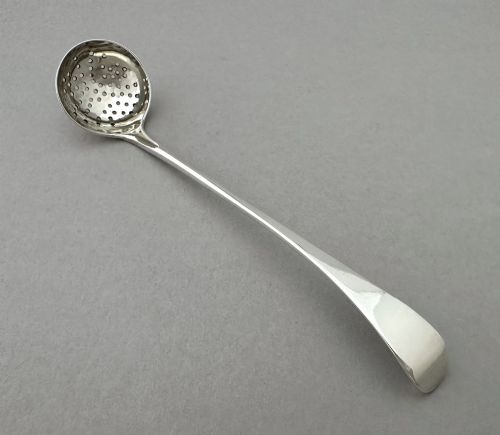
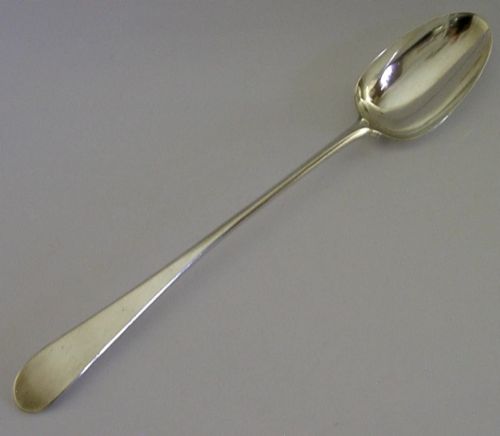
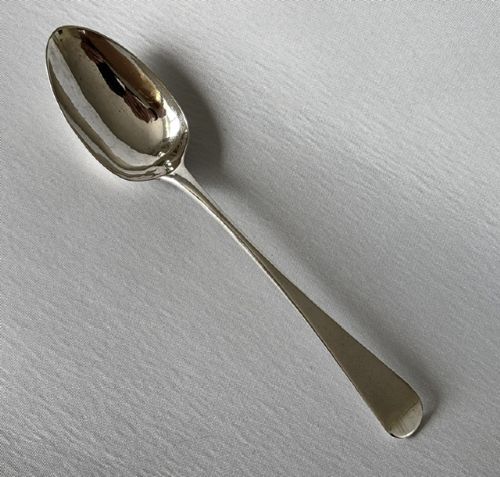
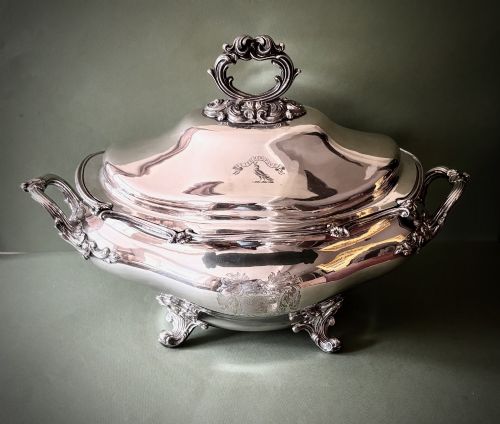
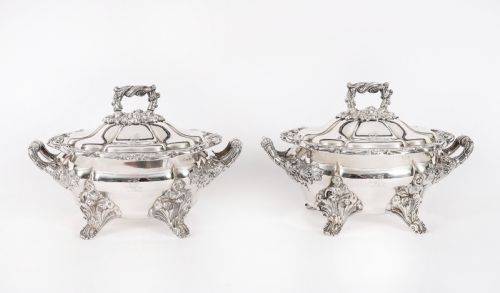
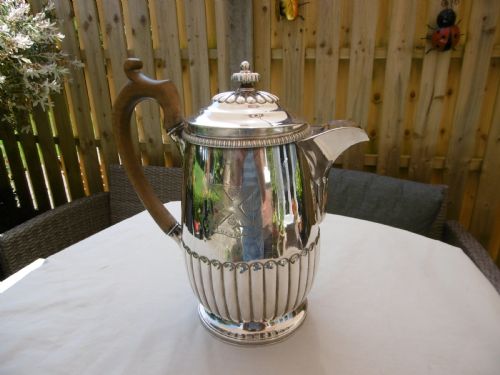
Old silver tableware covers everything from grand soup tureens and coffee pots to individual sauce boats, baskets, and serving spoons used across formal dining tables.
The pieces you encounter most often on this page are substantial Old Sheffield Plate serving vessels and solid sterling silver spoons hailing from the eighteenth and nineteenth centuries.
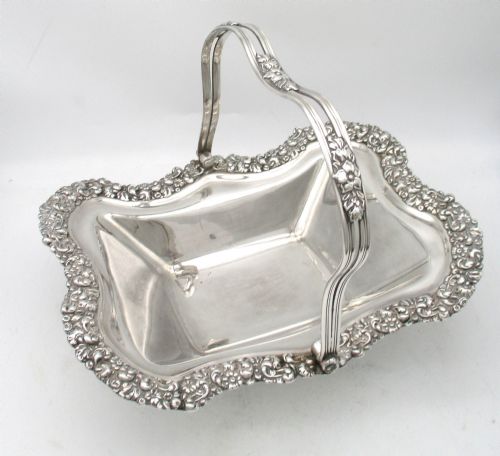
Forms range from intricate wirework sweetmeat baskets and lidded entree dishes down to practical knife trays, beer jugs, and stilton scoops.
Materials and construction
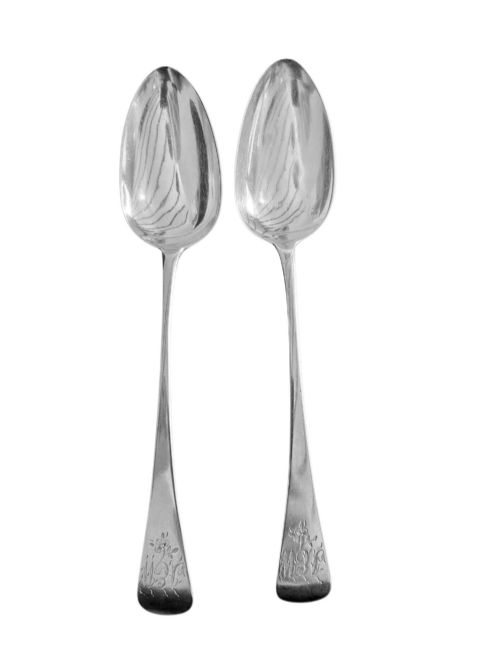
Makers utilised sterling silver for heavy serving spoons and smaller implements, often applying a gold wash to the interior bowls of certain pieces.
Much of the larger tableware relies on Old Sheffield Plate, a fused technique binding a thin sheet of silver to a thick copper core, sometimes supplemented by copper highlights.
Many items incorporate wooden handles, applied crests, and detailed wirework frames shaped during the Georgian and Regency eras.
Old Silver Tableware Retail Price Guide 2026
Typical asking prices for old silver tableware among the pieces listed under this phrase on Sellingantiques today, from the lower quarter to the upper quarter. They describe what is for sale here now, not the wider market.
Listings feature sterling silver and Old Sheffield Plate alongside copper, wood, and gold wash elements from the eighteenth and nineteenth centuries.
Judgements of quality
Quality depends upon the crispness of the chased decoration, the sharpness of engraved family crests, and the preservation of the underlying silver layer over copper.
Pieces bearing clear silversmith marks or workshop stamps from known makers retain sharper historical integrity than unmarked vessels.
John Lambe·Peter and Jonathan Bateman·Matthew Boulton·John Hoyland·Walker Knowles·Cresswick
The Old Silver Tableware Glossary
- Old Sheffield Plate
- A fused metal made by sandwiching a thin layer of silver onto a thick copper ingot. This technique preceded modern electroplating.
- Tureen
- A deep covered bowl used for serving soups, sauces, or vegetables at formal meals. These vessels often sit on matched stands.
- Mazarine
- A pierced draining plate fitted inside a larger dish to keep food clear of accumulated juices. They appear in silver and Old Sheffield Plate.
- Sterling Silver
- An alloy consisting of pure silver and other metals, traditionally copper, standardised for strength and durability. Most British pieces carry assay office hallmarks.
Old Silver Tableware: Frequently Asked Questions
How do I clean old silver tableware?
Wash pieces gently in warm soapy water with a soft cloth and dry them immediately. Avoid abrasive pastes that wear away thin silver layers on plated items.
Store items in dry conditions away from direct sunlight and rubber materials. Regular gentle handling helps maintain a stable, natural lustre.
Can I use these pieces for dining today?
Many solid silver spoons and sturdy serving dishes remain entirely functional for modern meals and dinner parties. Care must be taken with delicate wirework and plated items to avoid harsh foods.
Hand washing is essential for all antique tableware to protect historic surfaces and applied crests. Modern dishwashers will ruin plated and sterling items alike.
What is the difference between silver plate and sterling?
Sterling silver is solid metal throughout, marked with statutory assay symbols indicating its precise purity. Old Sheffield Plate consists of a silver sheet fused to a base metal core.
Edges and undersides of Old Sheffield Plate often reveal hints of the underlying copper where centuries of use have worn the outer layer.
How do I date a piece of tableware?
Sterling items carry specific letter punches, maker marks, and leopard heads that pinpoint the exact year and assay office of production. Stylistic clues like neoclassical shapes or Regency curves help date unmarked plated items.
Comparing handle designs, crest engraving styles, and manufacturing techniques offers further evidence of a piece's age.