



Old Master Female Portrait
An old master female portrait brings centuries of character and aristocratic presence into a room, offering an intimate encounter with historical sitters.
Understanding Old Master Female Portraits
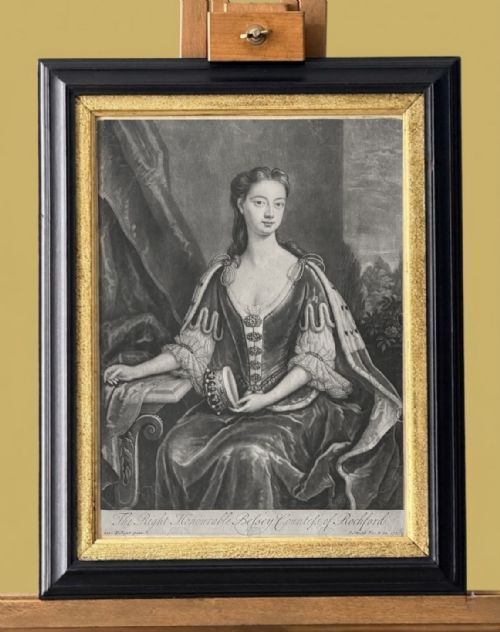
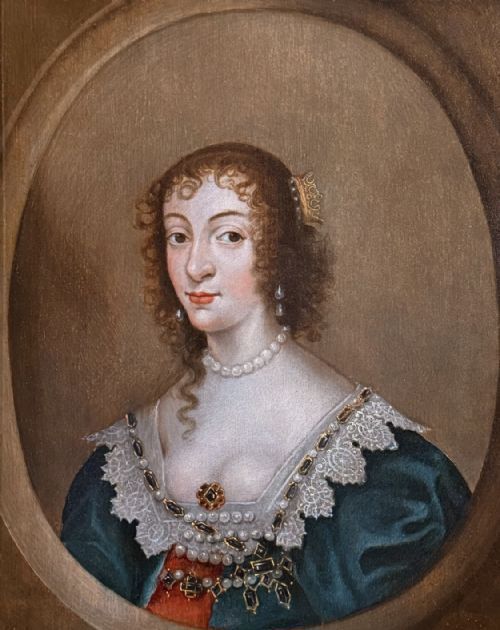
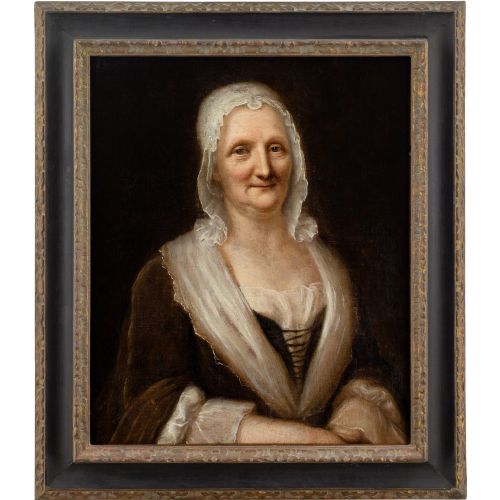
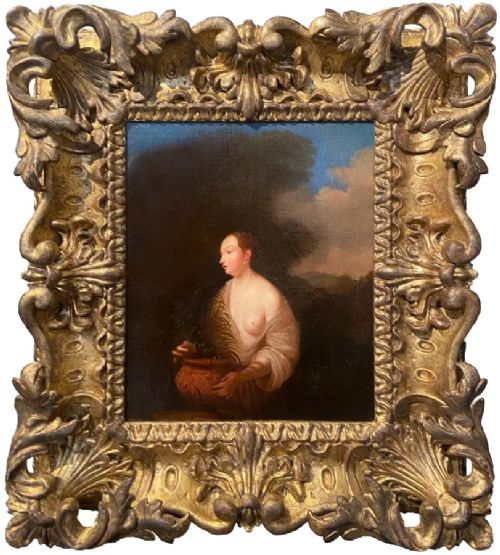
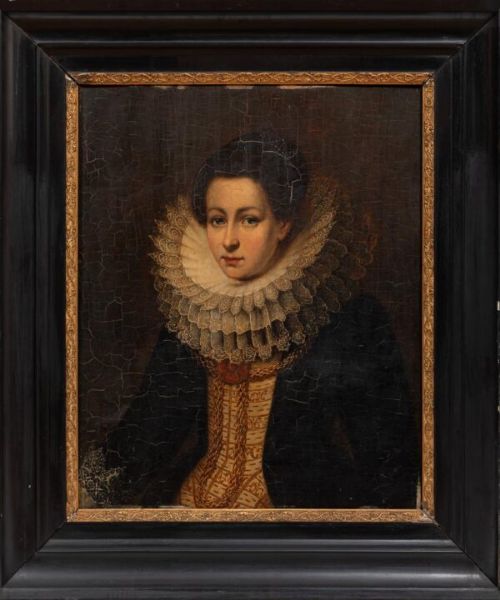
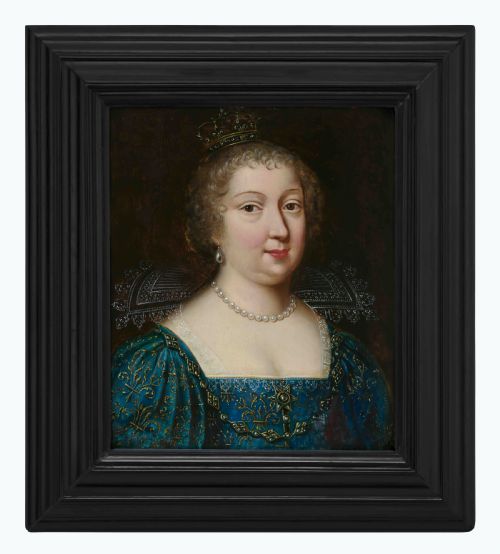
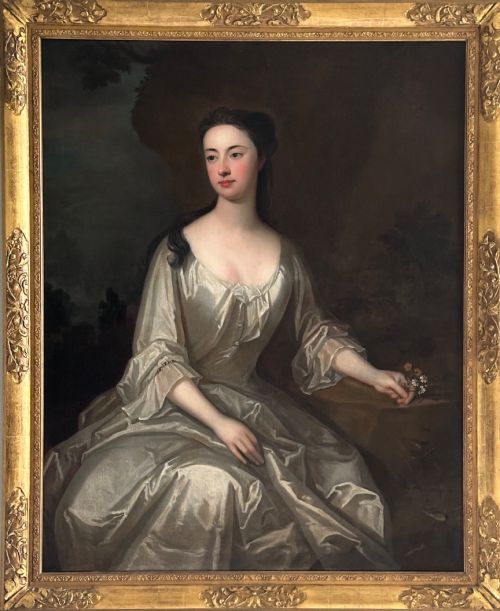
An old master female portrait captures women of noble and aristocratic standing across the sixteenth, seventeenth, and eighteenth centuries. These fine art paintings record historical sitters ranging from young women with vases to queens and duchesses, painted in oil on canvas or wood panel.
The pieces appearing on this page span several distinct European artistic traditions including Italian Renaissance, Dutch Golden Age, Baroque, and Georgian styles. Viewers encounter works attributed to specific master circles or recorded hands, reflecting the diverse portraiture output of past centuries.
The physical forms are oil paintings enclosed in traditional frames of giltwood or ebonised wood, preserving the likeness of women from eras such as the Caroline period. Each canvas or panel serves as both a historical document and a sophisticated decorative focal point.
Materials and Techniques
These works rely on traditional pigment applications in oil paint laid upon stretched canvas or solid wood panel supports. Artisans of the sixteenth to eighteenth centuries built up these compositions using layered oils to achieve rich garment textures and lifelike flesh tones.
Framing and presentation play a fundamental role, utilising carved wood embellished with gold leaf, giltwood, or ebonised finishes. These heavy, period-appropriate frames protect the painted surface while completing the aesthetic of the artwork.
Retail Price Guide 2026
Typical UK retail prices for old master female portrait, calculated from the Sellingantiques database of over a million retail prices indexed since 2003. This retail price guide relies exclusively on Sellingantiques data; no external sources or auction records are used, so the figures do not describe the wider market.
Listings feature works spanning three centuries, utilising oil paint on canvas and wood panel with giltwood and ebonised frames.
Assessing Quality and Execution
The preservation of the original paint surface and the authenticity of the supporting panel or canvas determine the integrity of the piece. Works retaining their early frames, such as those in period giltwood or ebonised wood, offer a more complete historical package.
Toussaint Gelton·Henri and Charles Beaubrun·Charles Jervas·Pieter Nason·Cornelius Johnson
The Old Master Female Portrait Glossary
- Old Master
- A European painter of skill working before about eighteen hundred. This term encompasses recognised masters and their immediate circles.
- Oil on Panel
- A painting executed on a flat piece of wood rather than stretched canvas. This rigid support is frequently encountered in earlier works from the sixteenth and seventeenth centuries.
- Giltwood
- Wood that has been coated with a thin layer of gold leaf or powder. It provides a luminous, reflective border standard for fine historical portraits.
- Circle of
- A designation indicating an artist working closely alongside a known master in the same style and period. It denotes strong stylistic ties without definitive attribution to the master alone.
- Ebonised Wood
- Timber treated to resemble ebony, producing a dark, polished finish. This technique appeared on frames to create a stark, elegant contrast with the gilt elements or the painting itself.
Frequently Asked Questions
What periods do these portraits cover?
The works span from the late sixteenth century through the seventeenth and into the eighteenth century. This covers eras such as the Italian Renaissance, Dutch Golden Age, and Georgian periods.
Each period brings distinct stylistic conventions in dress, posture, and paint application, reflecting the evolving tastes of European portraiture over three hundred years.
How should I care for an oil on panel painting?
Wood panels require stable environmental conditions regarding humidity and temperature to prevent warping or splitting. Keep the artwork away from direct sunlight and dramatic climate fluctuations.
Dust the surface gently with a soft, dry brush and avoid using chemical cleaners or liquids on either the painting or its frame.
What is the difference between canvas and panel supports?
Panels are rigid wooden boards utilised frequently in earlier centuries, offering a smooth, stable surface for fine detail work. Canvas is a flexible woven fabric stretched over a wooden frame, which became more widespread as painting scales increased.
Both supports require careful handling, but wooden panels are particularly sensitive to environmental changes.
How do I identify the sitter in a historical portrait?
Sitters are sometimes identified through contemporary inscriptions on the canvas, archival records, or distinctive heraldry and costume details. Portraits of notable figures like queens or duchesses often carry documented provenances.
When a specific name is absent, clues are drawn from the sitter's dress, jewels, and status symbols depicted within the composition.