





Old English Silver Spoons
Old english silver spoons bring understated elegance to the table, offering a refined profile that collectors prize for everyday service.
Old English Silver Spoons
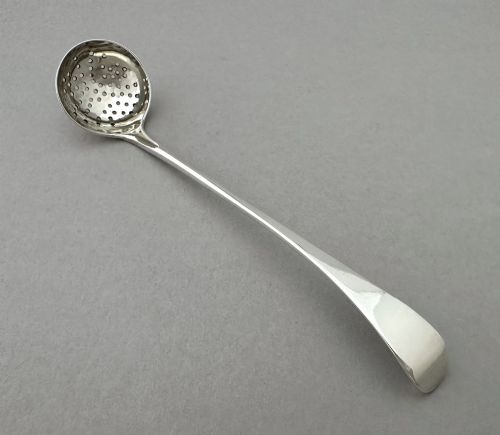
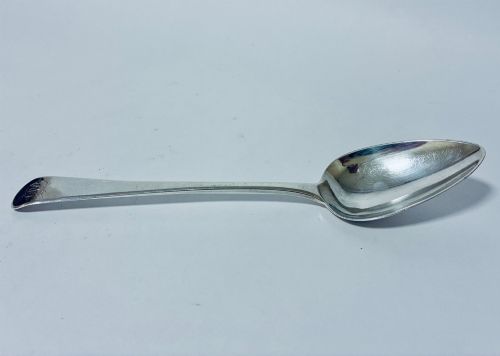
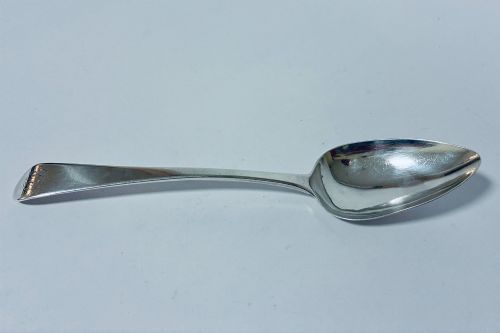
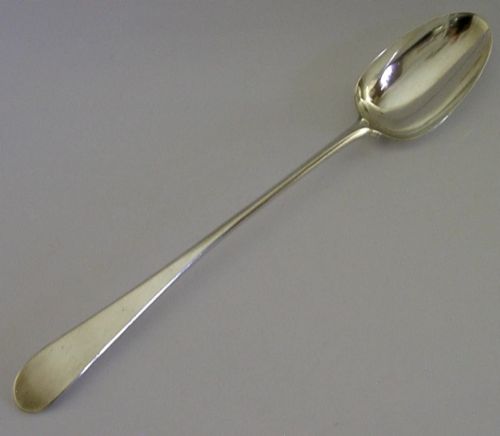
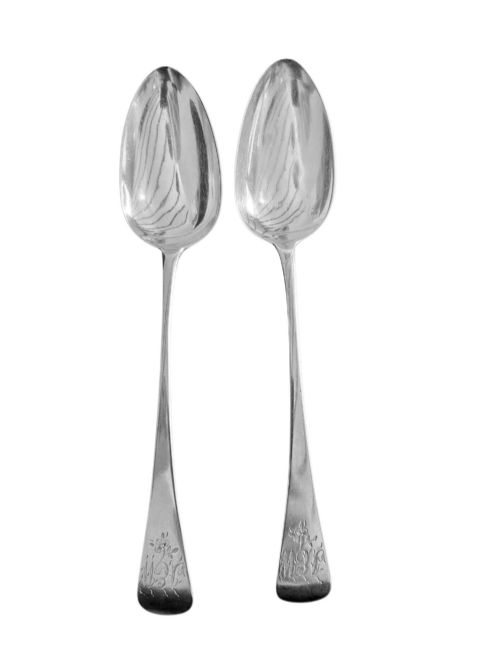
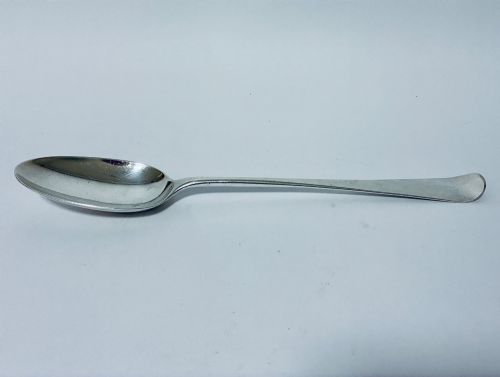
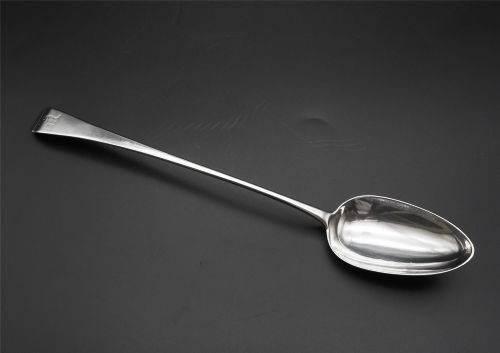
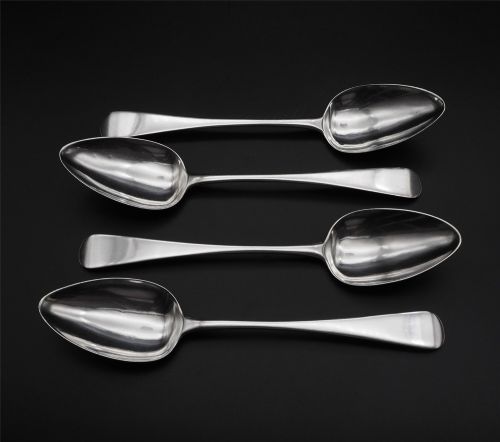
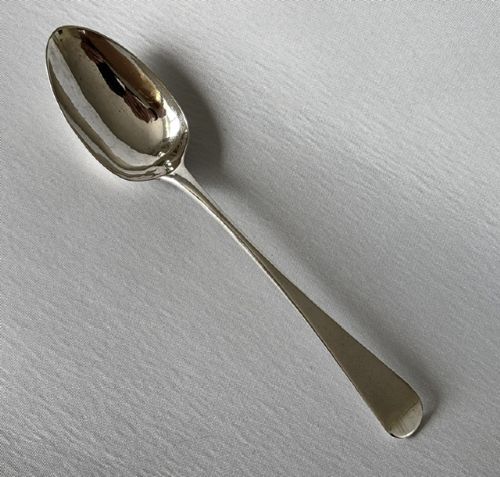
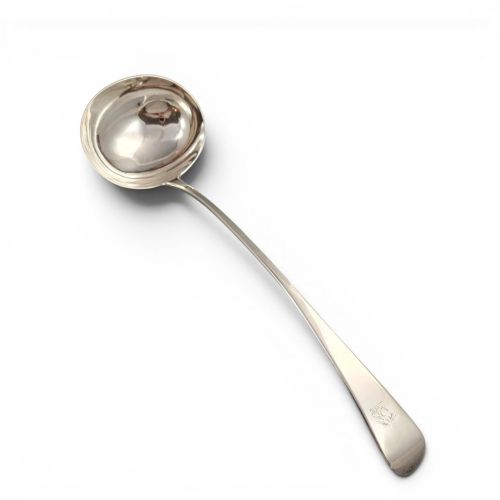
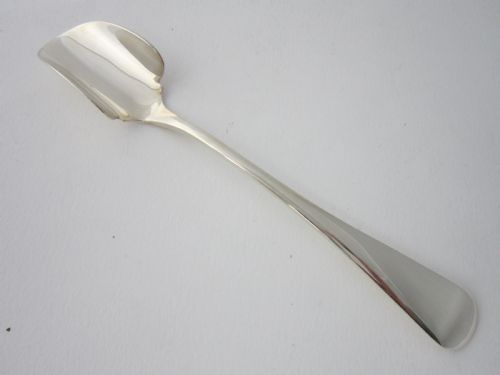
When you search for old english silver spoons, you encounter table implements spanning the eighteenth and twentieth centuries, produced in sterling silver and standard silver. The form encompasses large serving pieces, basting spoons, soup ladles, gravy straining spoons, cheese scoops, and sets of tablespoons or smaller spoons.
The pieces on this page heavily feature Georgian examples alongside twentieth-century iterations carrying the definitive Old English pattern. Makers worked across London, York, Sheffield, Inverness, and Ireland, resulting in varied regional assay marks.
You find both individual grand serving pieces designed for large feasts and coordinated sets intended for dining and dessert courses. The defining characteristic remains the simple, tapered handle shape associated with the Old English pattern, which evolved during the Georgian era.
How They Were Made
Smiths utilised solid sterling silver to hammer and shape these spoons by hand during the eighteenth century, later incorporating mechanised rolling for twentieth-century production. The metal was heated, beaten to thickness, and shaped into bowls and handles.
Assay offices in London, Sheffield, York, and provincial centres struck the silver with hallmarks to guarantee purity and origin. Engravings and monograms were often added by hand to personalise the flatware for specific households.
Old English Silver Spoons Retail Price Guide 2026
Typical asking prices for old english silver spoons among the pieces listed under this phrase on Sellingantiques today, from the lower quarter to the upper quarter. They describe what is for sale here now, not the wider market.
Listings feature sterling silver and standard silver forms across the eighteenth, nineteenth, and twentieth centuries, spanning Georgian to Art Deco periods.
What Varies in Quality
The weight of the silver in the stem and bowl dictates the durability and tactile balance of each spoon. Thicker gauges resist bending during use, whilst finer workmanship shows in the crispness of the hallmarks and the smoothness of the handle contours.
Makers and provincial origins heavily influence the standing of a piece, with regional Scottish or Irish marks and recorded silversmiths commanding greater attention. Preservation of the original bowl shape, free from excessive wear or aggressive polishing, distinguishes superior survivals.
Peter and Jonathan Bateman·Emile Viner·Josiah Williams and David Landsborough Fullerton
The Old English Silver Spoons Glossary
- Old English pattern
- A traditional flatware design featuring a smooth, plain stem with a downturned end. It became popular in the late eighteenth century and remains a staple of silver cutlery.
- Hallmark
- A series of official stamps applied to silver items indicating the maker, purity of the metal, assay office, and year of production. These marks are essential for dating and attribution.
- Basting spoon
- A large serving utensil designed for spooning juices over meat during roasting or for serving large portions. These typically measure significantly longer than standard tablespoons.
- Gravy straining spoon
- A specialised serving spoon featuring a built-in partition or pierced grid in the bowl. It allows liquid to drain whilst retaining solids during service.
- Stilton scoop
- A utensil featuring a long, half-cylinder trough designed for carving and serving crumbly cheeses. Examples frequently utilise the Old English handle pattern.
Old English Silver Spoons: Frequently Asked Questions
What are old english silver spoons?
Old english silver spoons are eating and serving utensils defined by a distinctive tapered handle with a downturned tip. They appear in sterling silver across multiple centuries, ranging from large basting implements to small coffee spoons.
Most examples originate from the Georgian period through the early twentieth century. Their understated design allowed them to complement diverse dining settings over generations.
How do I use them today?
These spoons transition easily from display collections to active service on the dining table. Large serving spoons, ladles, and cheese scoops function well for modern dinner parties and festive meals.
Hand washing with mild soap keeps the silver surface protected. Regular gentle use prevents tarnish from accumulating deeply in the crevices.
How do I read silver hallmarks?
Hallmarks consist of small stamped symbols that reveal the history of the piece. They typically show the maker's mark, the lion passant for sterling silver purity, the town mark for the assay office, and a date letter.
Reference guides help match the date letter shapes and town symbols to specific years. This system allows you to pinpoint where and when a silversmith worked.
Why are some spoons pierced?
Piercing appears on specialised serving implements like gravy straining spoons. The slotted or perforated bowl separates liquids from solid ingredients during service.
These functional additions were vital for grand dining tables of the eighteenth and nineteenth centuries. They remain sought-after examples of specialised silver craftsmanship.