

Oil Portrait of Woman
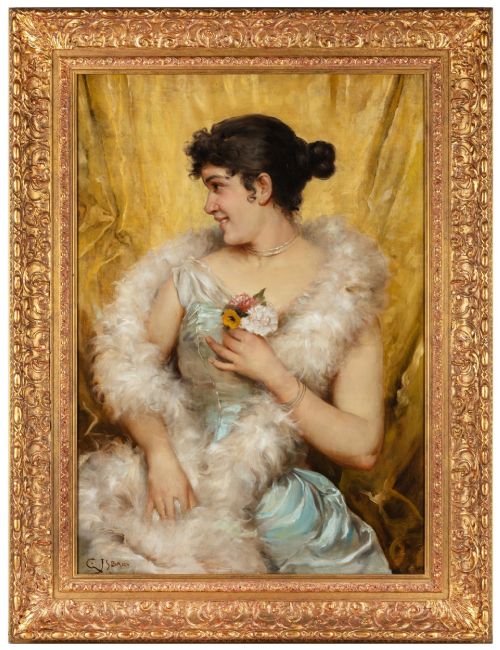
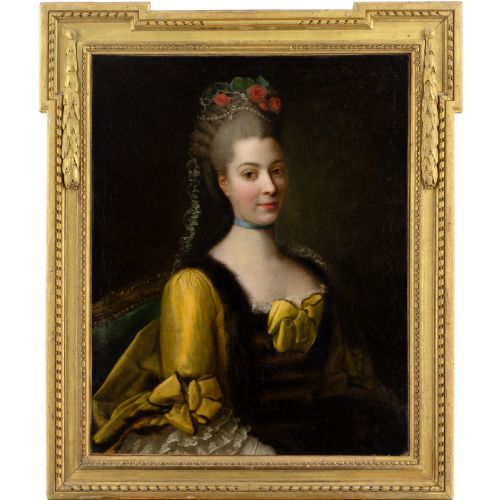
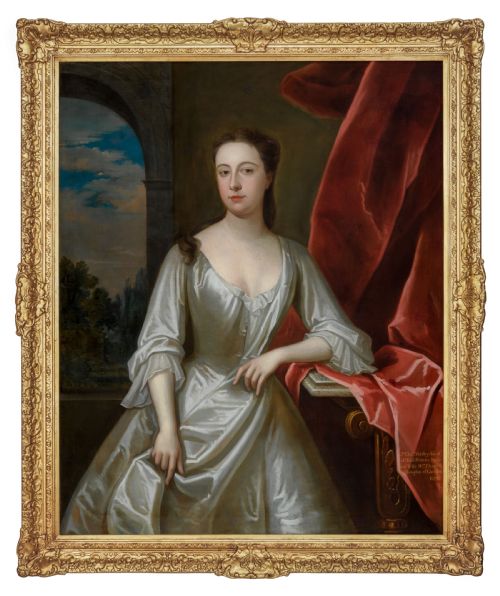
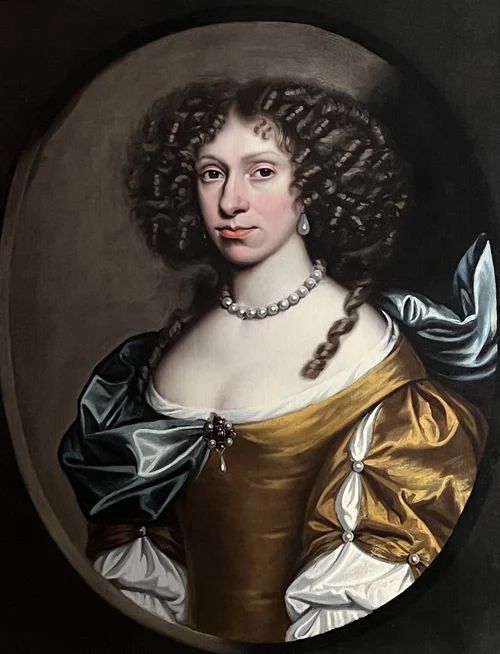
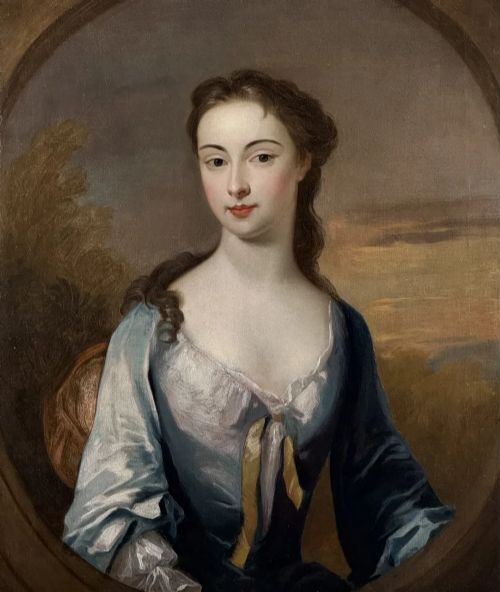
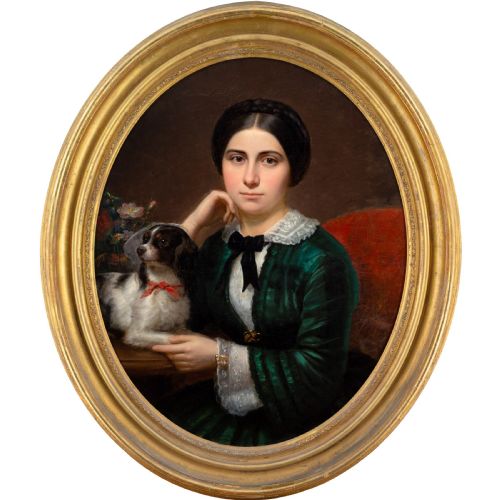
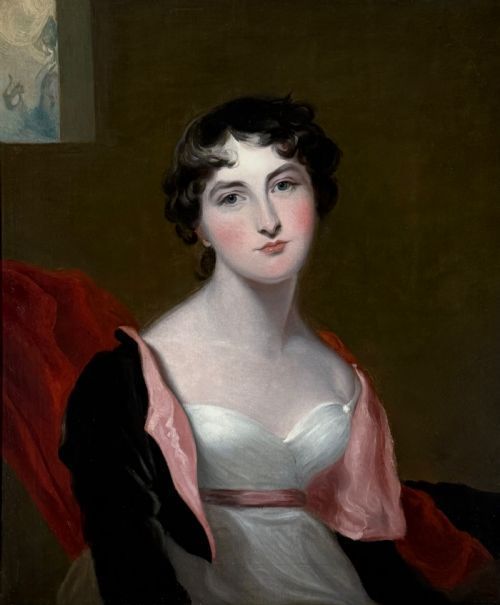
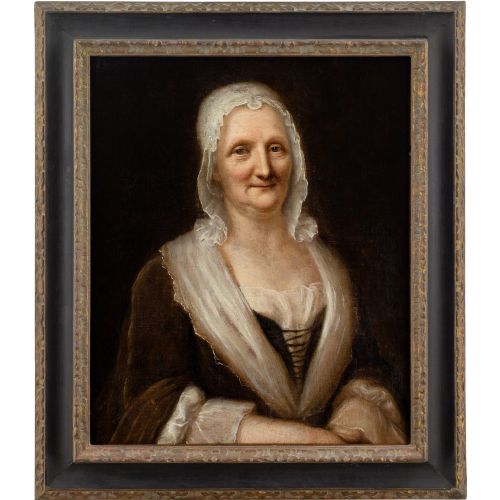
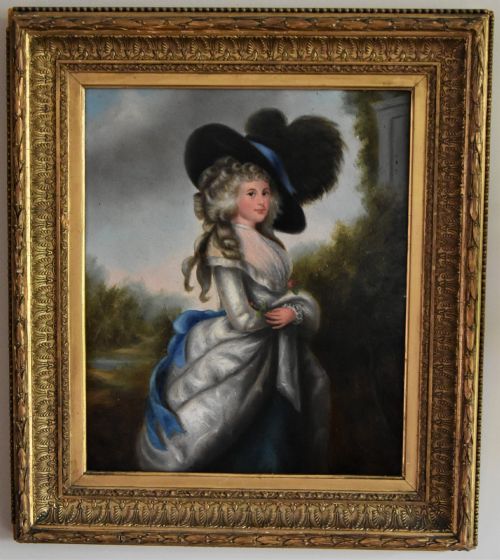
An oil portrait of woman captures the likeness, character and social standing of its subject through centuries of artistic tradition.
Oil Portrait of Woman
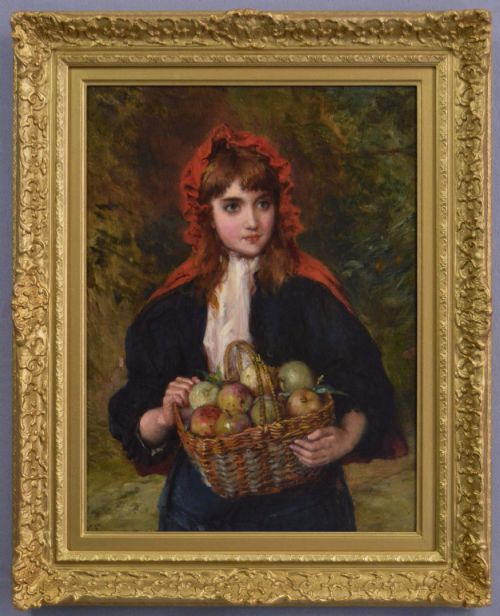
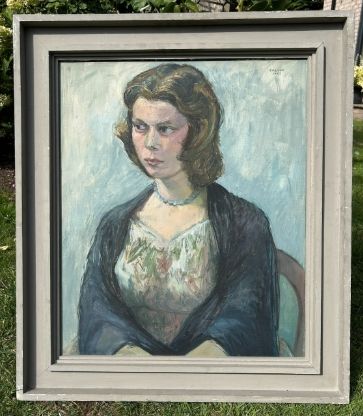
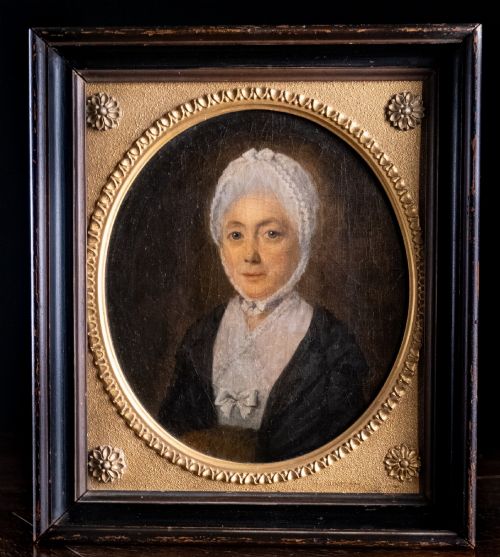
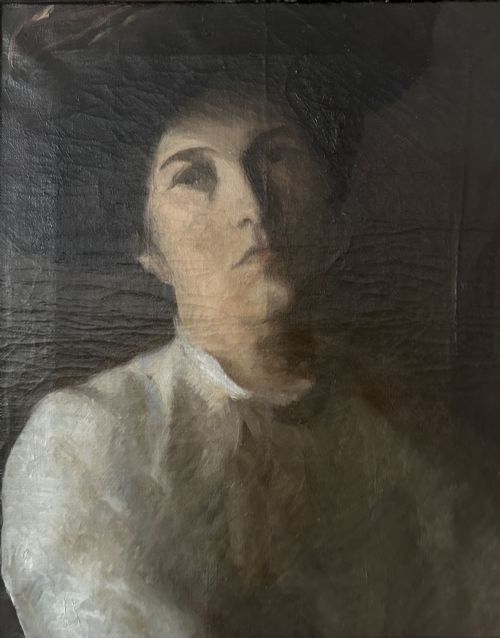
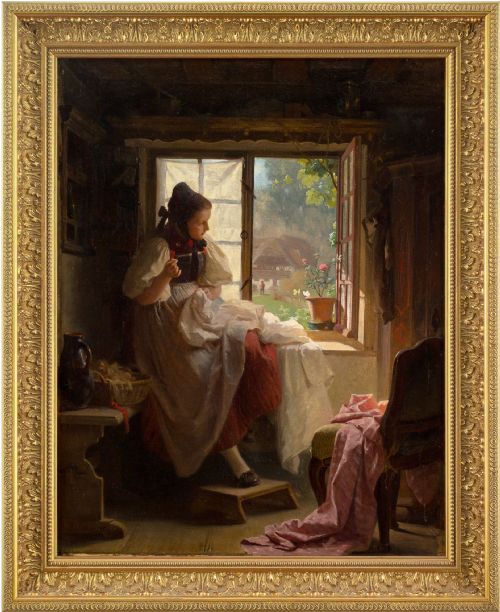
When you search for an oil portrait of woman, you encounter painted likenesses spanning from the sixteenth century through to the mid-twentieth century. The selection encompasses formal society commissions, intimate domestic studies and academic works executed by various European and British schools.
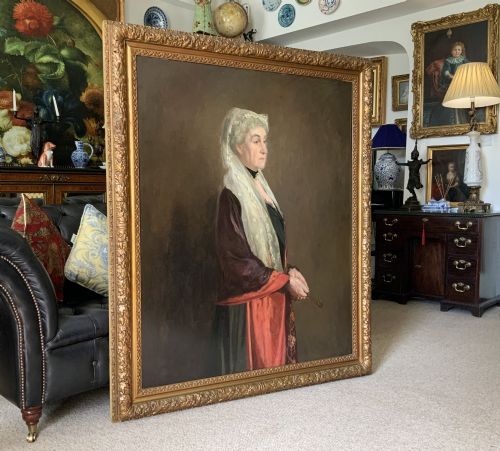
The nineteenth and eighteenth-century examples dominate the offerings, often depicting ladies in period dress, bonnets or contemporary attire. These works range from monumental framed canvases to smaller portrait studies on board or panel.
Examples stretch from early depictions influenced by the Italian Renaissance and Dutch Golden Age up to modernist interpretations from the nineteen-fifties. This chronological spread allows buyers to find pieces reflecting distinct historical aesthetics and portraiture conventions.
How They Were Made
The primary technique relies on oil paint applied to stretched canvas, wooden panels or prepared boards. Artists utilised traditional pigments combined with oils to build depth, tone and luminosity across the subject's skin and garments.
Many historical pieces retain their original frames, constructed from carved wood, gesso and finished with gold leaf or giltwood. These frames frequently date alongside the painting or reflect later period mountings that complement the artwork.
Oil Portrait of Woman Retail Price Guide 2026
Typical asking prices for oil portrait of woman among the pieces listed under this phrase on Sellingantiques today, from the lower quarter to the upper quarter. They describe what is for sale here now, not the wider market.
Several portraits quietly preserve the likenesses of sitters accompanied by their pet dogs, apples or a basket of flowers.
What Varies in Quality
The provenance and attribution to documented artists or recognised schools elevate the standing of a canvas. Signed works or those linked through archival research to specific painters command greater attention from collectors.
Sir Godfrey Kneller·Sir Thomas Lawrence·Charles Jervas·David Scougall·Attilio Toro
The Oil Portrait of Woman Glossary
- Oil on Canvas
- A painting medium where pigments bound in oil are applied to a woven fabric support. This combination permits subtle blending and rich colour saturation.
- Gesso
- A paint mixture consisting of a binder mixed with chalk, gypsum or pigment used as a smooth base for fine art surfaces and frames.
- Giltwood
- Wood that has been treated with a thin layer of gold leaf or powder. It provides a reflective, ornate border for traditional artworks.
- Panel
- A flat wooden board utilised as a rigid painting support prior to the widespread adoption of canvas.
- School
- A group of artists working in a similar style or geographical region during a particular era. It often denotes followers or pupils of a master.
Oil Portrait of Woman: Frequently Asked Questions
How do I date an oil portrait?
Dating relies on the sitter's costume, hairstyle and the construction methods of the canvas and stretcher frame. Clothing fashions and textile patterns often provide the narrowest chronological window.
Signatures, inscriptions on the reverse and framing styles further aid in establishing the period of creation.
Where should I hang an antique portrait?
These works suit traditional reception rooms, studies or hallways where stable environmental conditions protect the paint surface. Avoid direct sunlight and areas subject to high humidity or rapid temperature changes.
Selecting a wall with adequate load-bearing capacity ensures secure mounting for heavy framed canvases.
What is the difference between canvas and panel?
Canvas consists of stretched fabric primed to receive oil paint, offering a flexible and textured surface that became standard in later centuries. Panels utilise rigid wood supports which were common in earlier portraiture.
Both materials require careful handling to prevent cracking or warping of the paint layer over time.