


Oil Portrait of Officer
These canvases capture service and rank, bringing centuries of military history and commanding presence directly into your room.
Oil Portrait of Officer
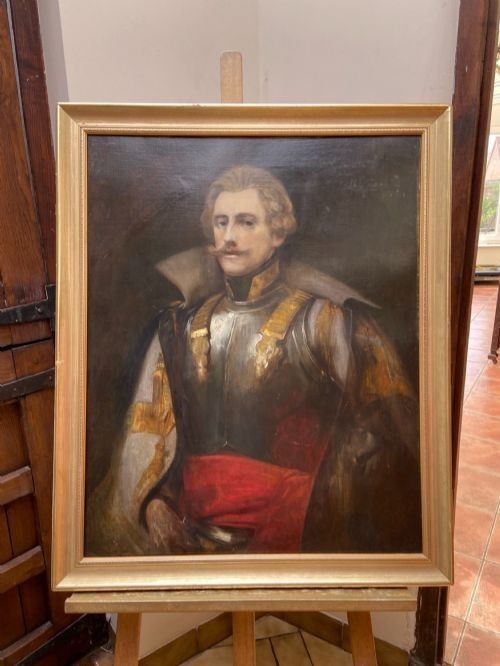
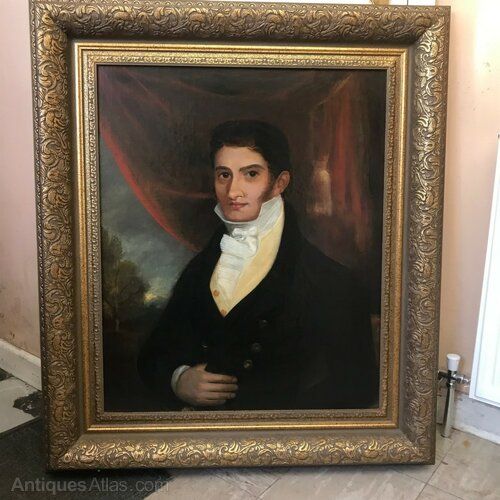
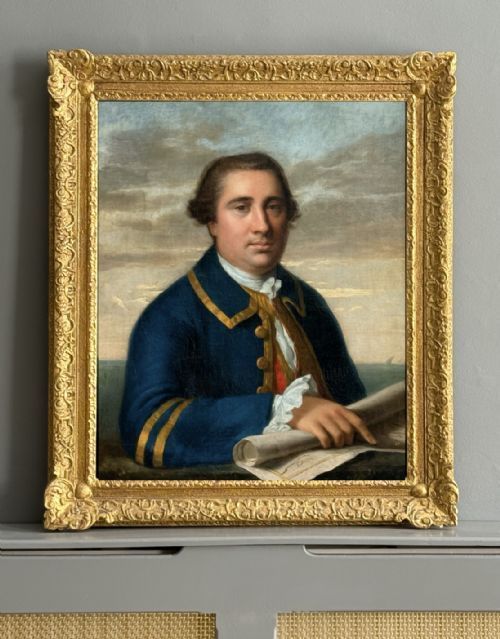
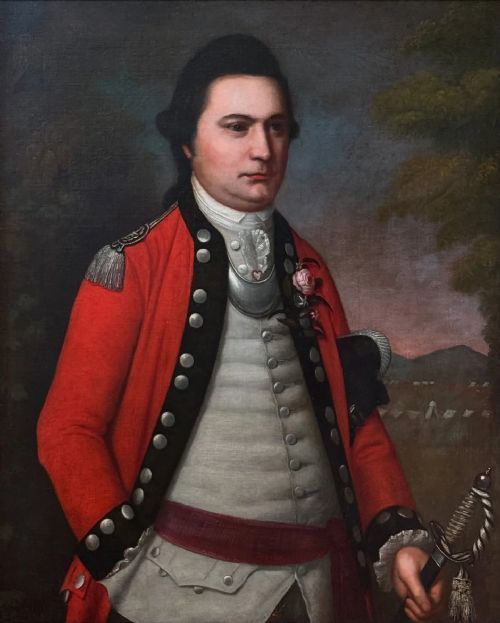
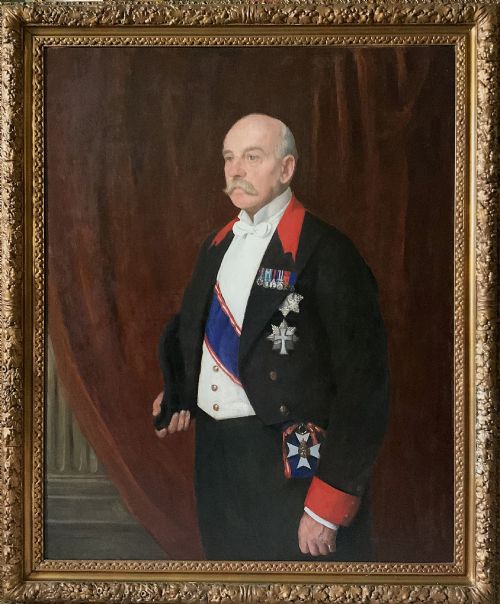
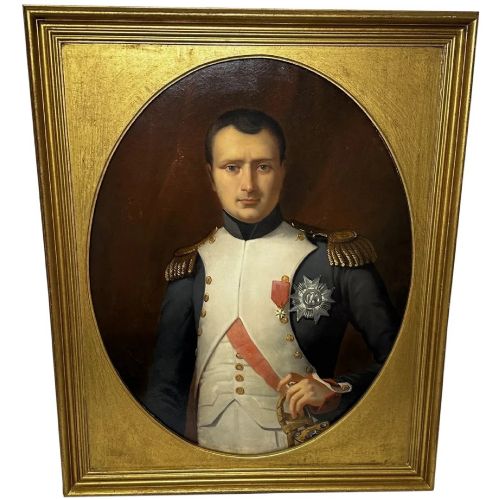
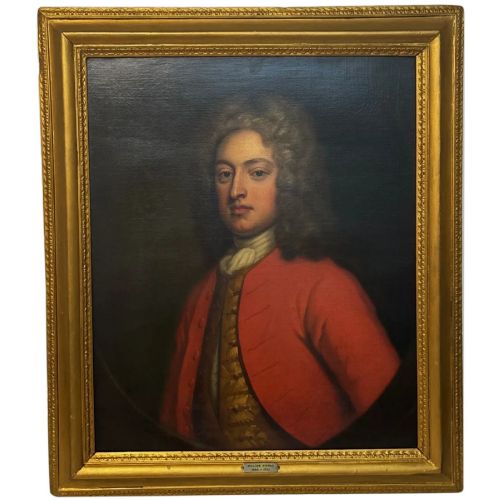
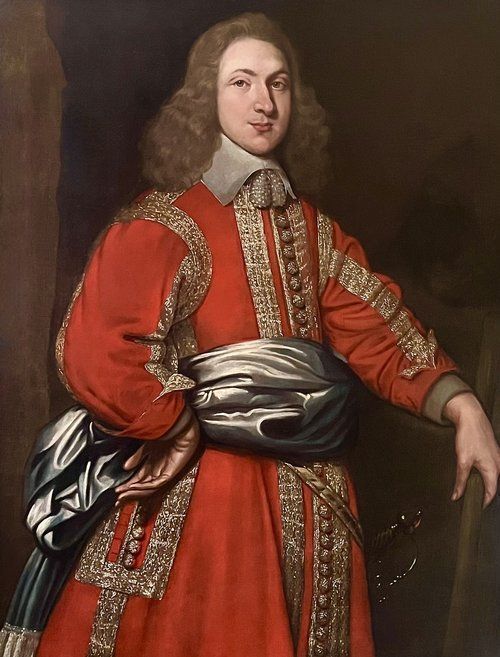
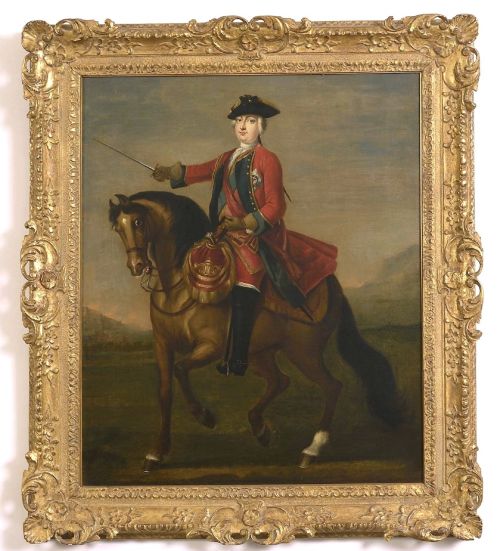
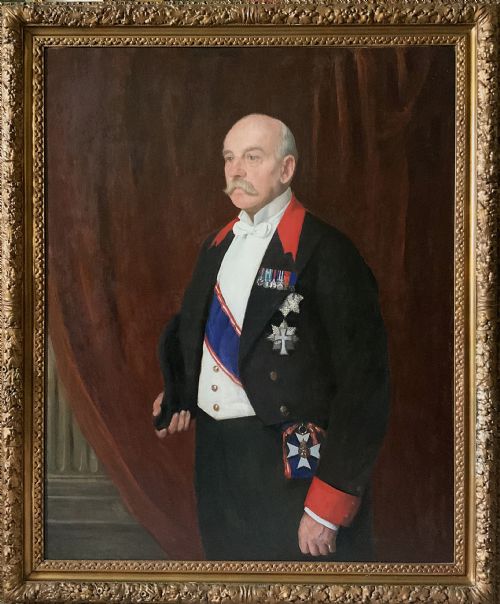
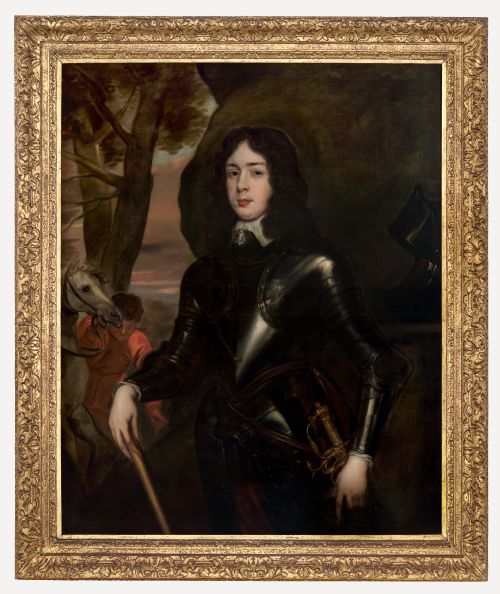
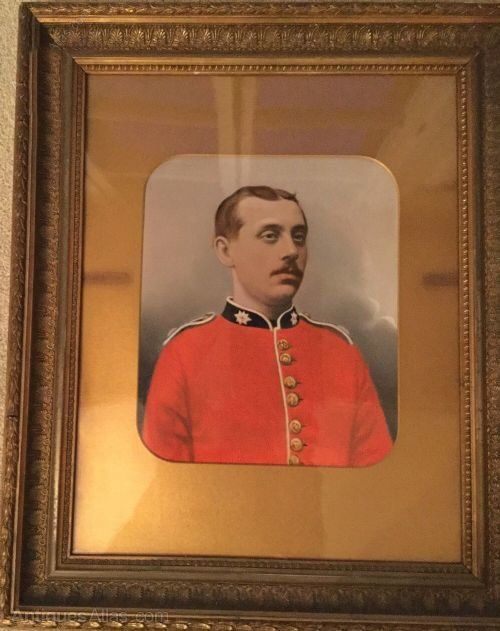
An oil portrait of officer presents military and naval commanders, captains, and generals painted in their service uniforms, often wearing medals and ceremonial red tunics. These works span from the seventeenth century through the Victorian era up to the First World War, recording actual figures from British, French, Dutch, and German regiments.
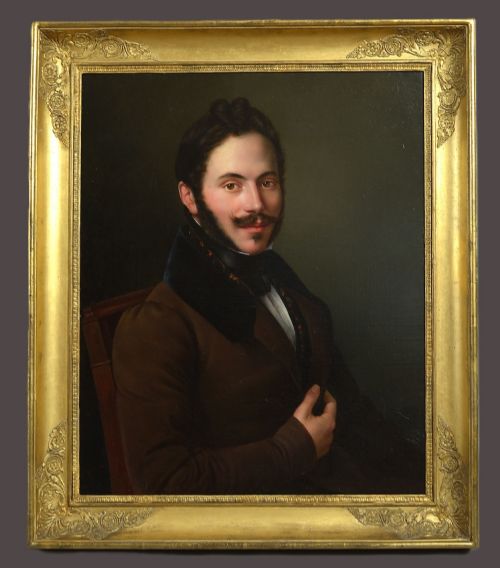
The most common examples on this page date from the eighteenth and nineteenth centuries, showing half-length or full-length figures in oil on canvas. Many depict named historical commanders, while others record anonymous subalterns and decorated veterans from naval and infantry regiments.
How they were made
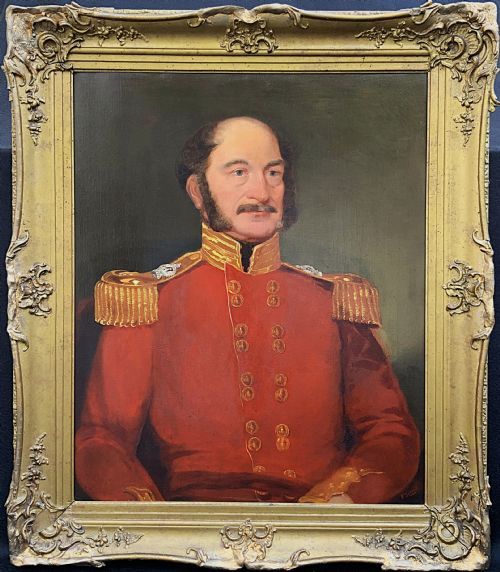
Painters applied oil paint to stretched canvas, panel, or board using fine bristle brushes to build up the rich dark backgrounds and detailed scarlet uniforms. Artists layered pigments to capture the metallic sheen of gold leaf epaulettes, brass buttons, and embroidered braid.
Surviving works are frequently housed within their original giltwood, wood, or gesso frames, which often match the period of the painting. Some smaller nineteenth-century examples utilise tin supports preserved under glass within mahogany surrounds.
The inventory includes named figures from British, French, German, and Dutch military history alongside anonymous officers.
What varies in quality
The skill of the brushwork and the accuracy of the facial anatomy separate standard studio pieces from masterworks by named academic painters. Superior portraits convey the sitter's individual likeness and psychological presence rather than relying on generic uniform templates.
The condition of the painted surface and the survival of the original maker's frame influence the desirability of each piece. Intact nineteenth-century canvases without excessive retouching retain their original depth of pigment and atmospheric lighting.
Lemuel Francis Abbott·Stickland Lowry·Edouard Pingret·Sir Thomas Lawrence·George Frederic Watts
The Oil Portrait of Officer Glossary
- Oil on canvas
- A traditional painting method where pigments suspended in drying oils are applied to a woven fabric support. This technique allowed artists to achieve subtle tonal gradations and rich textures in uniform fabrics.
- Giltwood
- Timber carved and coated with a thin layer of gold leaf or metallic powder. These decorative frames provided a grand architectural boundary for formal military commissions.
- Epaulette
- An ornamental shoulder piece worn on military uniforms to denote rank. Painters rendered these details in metallic gold leaf or thick impasto to signal the officer's status.
- Red coat
- The iconic scarlet military tunic worn by British infantry and army officers for centuries. This vibrant garment dominated eighteenth and nineteenth-century military portraiture.
Oil Portrait of Officer: Frequently Asked Questions
How do I identify the military rank?
Painters recorded specific uniform details such as lace, gorgets, epaulettes, and sleeve insignia to signal the sitter's exact position. Higher-ranking generals and admirals often appear with detailed medals and sashes.
Background elements like troop movements or naval anchors also provide clues to the officer's branch of service and level of command.
Are these portraits always painted from life?
Many eighteenth and nineteenth-century works were commissioned directly from sitting officers in the artist's studio. Official military portraits recorded the likeness of commanders during active campaigns or upon promotion.
Other examples were painted posthumously or derived from earlier source paintings by followers of prominent portraitists.
How should I care for an antique canvas?
Keep oil paintings away from direct sunlight and fluctuating humidity to prevent the canvas from sagging and the paint layer from cracking. Dust the surface gently with a soft, dry brush without applying pressure.
Avoid using liquid cleaners or touching the pigment directly with bare hands.
How do I date an officer portrait?
The style of the uniform, cut of the collar, and shape of the lapels provide the most reliable dating evidence for military dress. Portrait styles, wig fashions, and canvas preparation techniques further narrow down the decade.
Original framing and inscribed plaques on the canvas or stretcher also help confirm the period.