
Oil Portrait in Gilt Frame
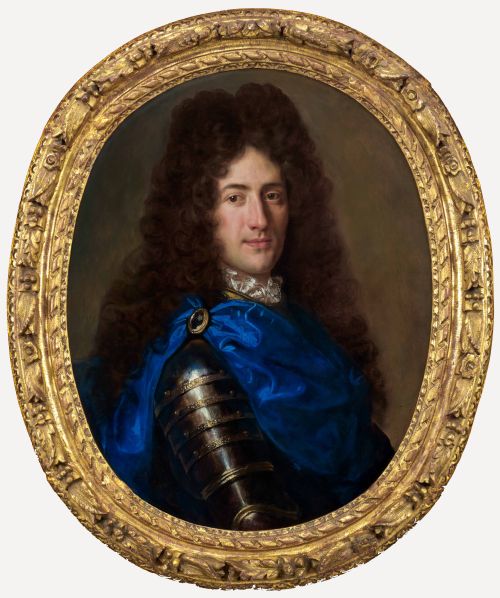
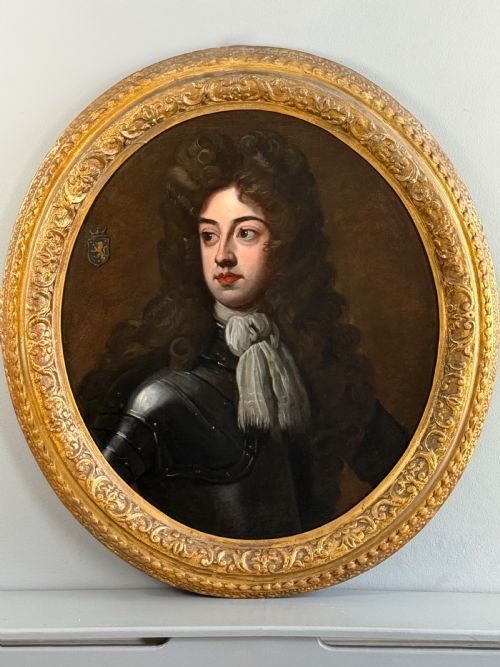
An oil portrait in gilt frame captures centuries of likeness, bringing historic character and traditional warmth directly to any wall.
Oil Portrait in Gilt Frame
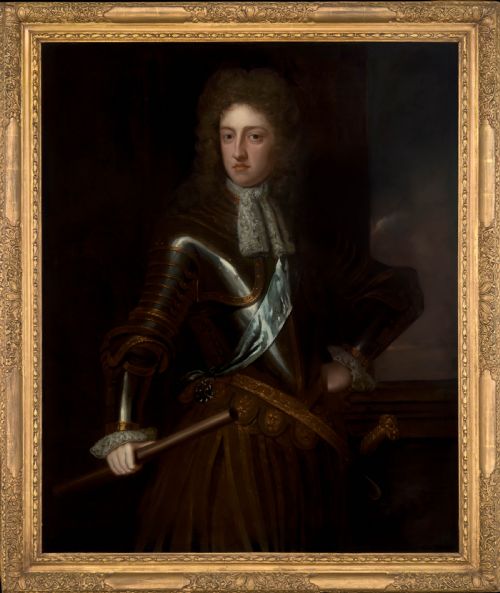
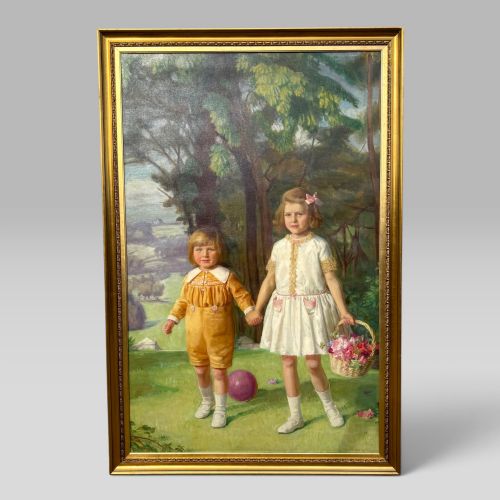
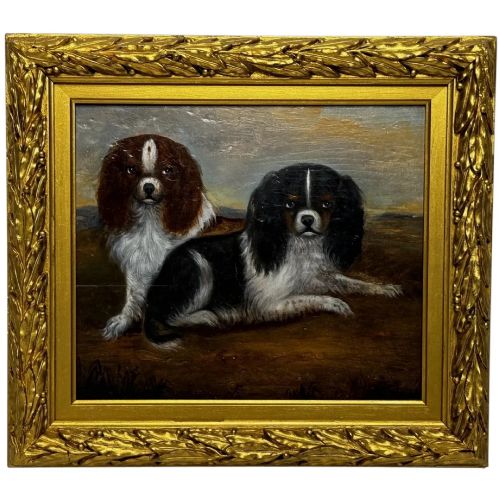
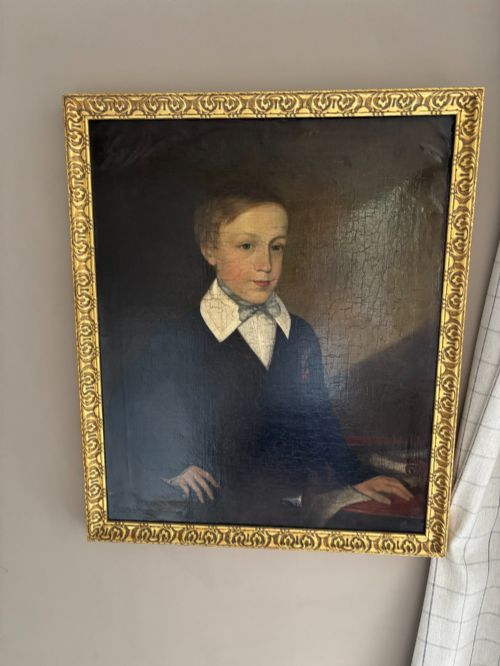
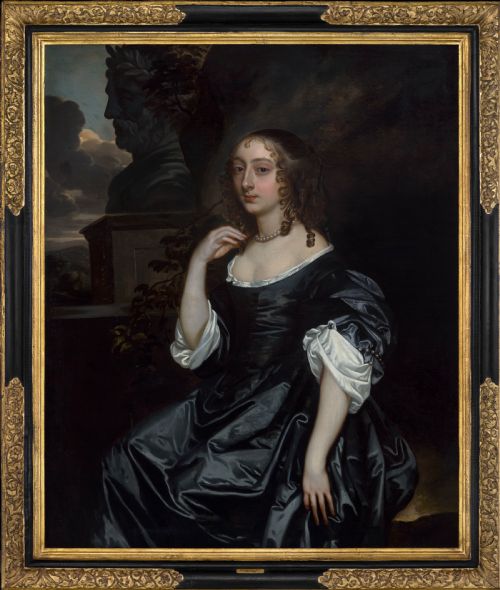
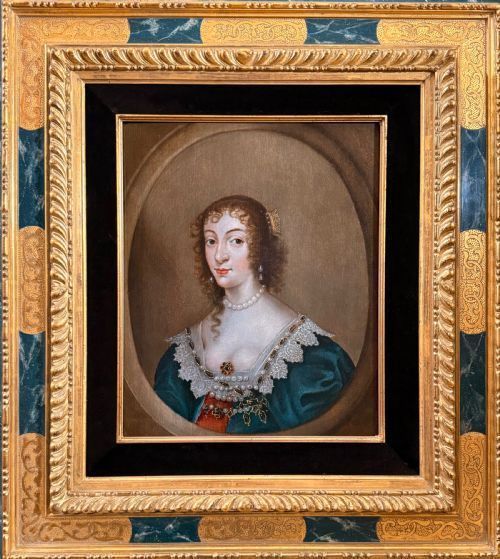
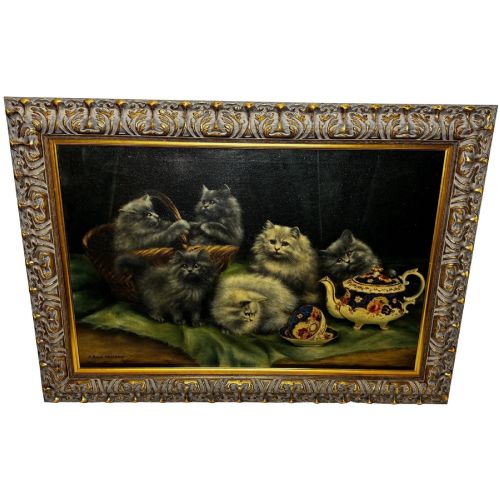
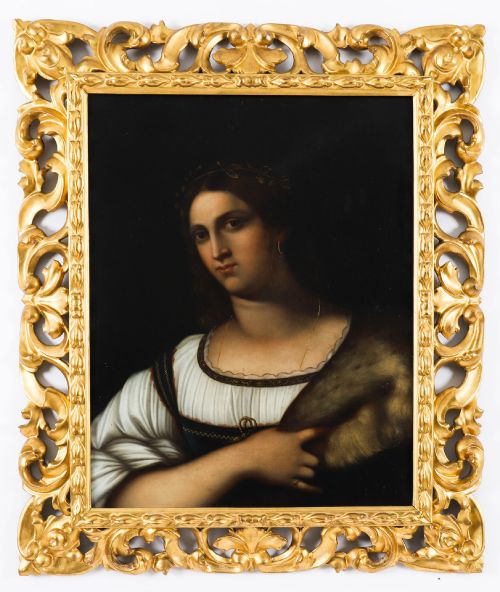
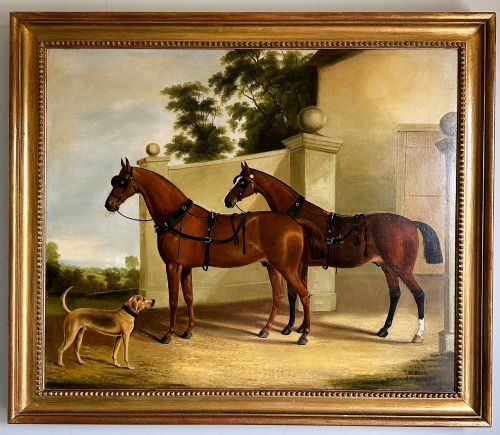
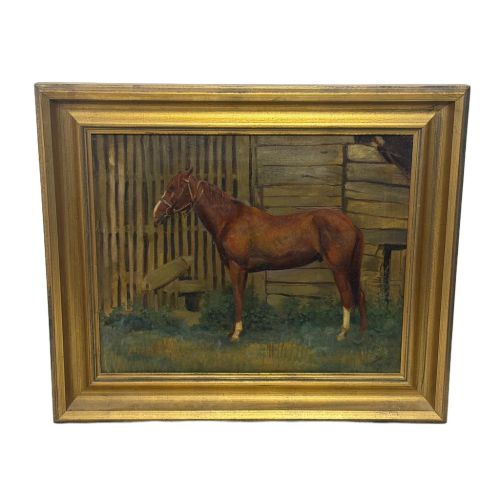
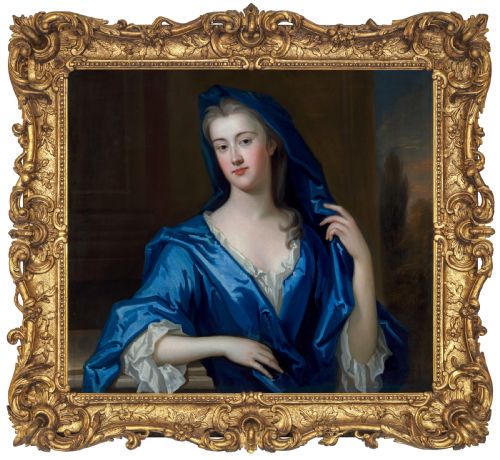
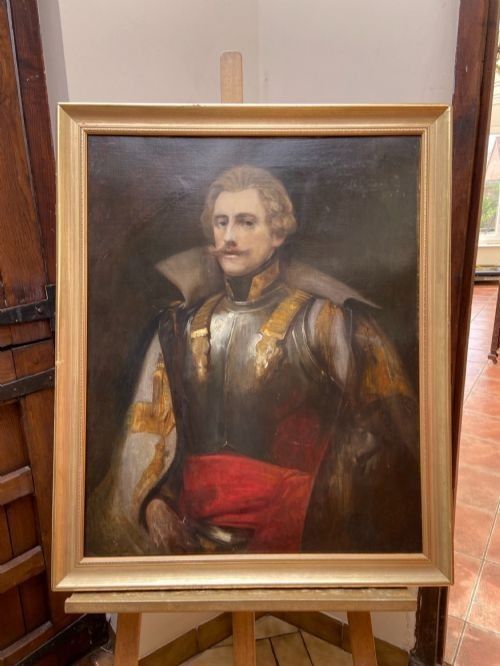
When you search for an oil portrait in gilt frame, you encounter centuries of figurative art ranging from seventeenth-century nobility to Victorian citizens. The selection spans grand British school canvases, continental depictions, and later copies after old masters.
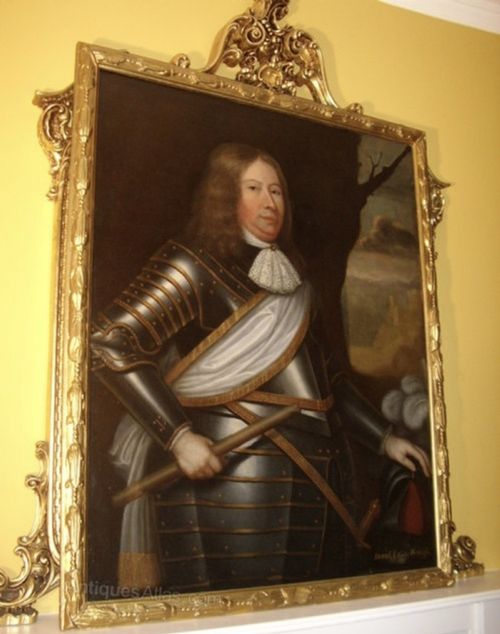
Most examples you meet on this page date from the seventeenth, eighteenth, and nineteenth centuries, often executed on stretched canvas or wooden panels. Subjects include seated gentlemen, society ladies, children, and military officers posed alongside classical columns or heavy drapery.
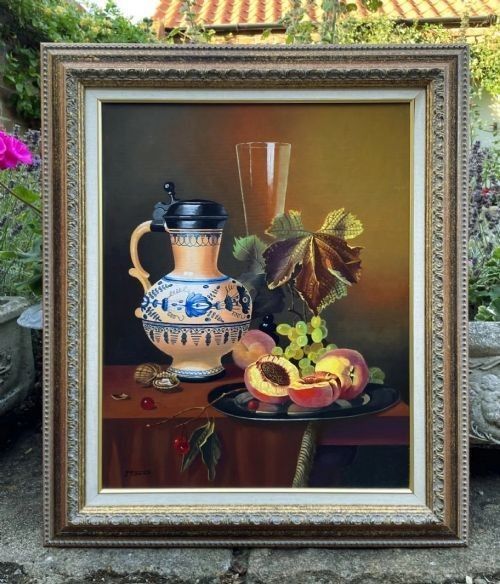
The enclosing surrounds are integral to these works, varying from deep swept Victorian mouldings to carved seventeenth-century giltwood frames. Together, the painting and its housing form a complete historical artefact reflecting the aesthetic tastes of its period.
Canvas, Paint, and Gilt
Makers built these pieces using oil paint applied to woven canvas, wooden panels, or occasionally copper and leather supports. Painters layered pigments to achieve depth in garments, skin tones, and background shadows.
The surrounds rely on wood or gesso foundations shaped into intricate botanical or scrolling patterns. Artisans then applied gold leaf or metallic gilt finishes to catch the light around the canvas.
Listings span multiple centuries, uniting seventeenth-century noble portraits with nineteenth-century oil on canvas works and later twentieth-century interpretations.
Evaluating Hand and Material
The integrity of the enclosing structure matters just as much as the canvas within. Original carved giltwood or gesso frames that match the age of the painting elevate the piece far above later replacements.
Sir Godfrey Kneller·Sir Joshua Reynolds·William Oliver·Joseph Clover·Lemuel Francis Abbott
The Oil Portrait in Gilt Frame Glossary
- Gesso
- A plaster-like mixture applied to wood frames to create a smooth base for gilding. Artisans carved intricate relief patterns directly into this dried layer.
- Giltwood
- Timber that has been coated with gold leaf or metallic paint. This material defines the bright borders surrounding historical canvases.
- Old Master
- A term for a European artist of high skill working before about eighteen hundred. These paintings set the stylistic standard for later portraiture.
- Swept Frame
- A style of framing featuring scrolling, fluted corners and deep flowing curves. Popular during the Victorian era, these enclosures add dramatic weight to a composition.
Oil Portrait in Gilt Frame: Frequently Asked Questions
How do I date an oil portrait in gilt frame?
Dating relies on the sitter's costume, hairstyle, and the construction methods of the canvas support. Examining the joinery and material of the frame also provides vital chronological clues.
Secondary indicators include inscriptions on the reverse and the type of stretchers used behind the canvas. Comparing these elements with documented examples helps narrow down the decade of creation.
Are these paintings original or copies?
The listings include both original site-specific commissions and historical copies made after famous old masters. Studio pieces and follower works represent common variations from past centuries.
Examining the craquelure and pigment stability helps distinguish period originals from later reproductions. Documentation or provenance notes often clarify whether a work was painted from life.
How should I hang and light my portrait?
Position the piece away from direct sunlight and damp environments to protect both the oil pigments and the wooden frame. Stable indoor temperatures prevent the canvas from slackening.
Use dedicated picture lights with low heat output to illuminate the surface without causing damage. Ensure the wall fixings match the substantial weight of the timber and gesso structure.
What do clothing and props tell us?
Accessories like books, letters, or drapery indicate the sitter's profession, wealth, or social standing. Military uniforms and specific lace ruffs provide precise chronological markers for the attire.
Objects such as orange trees or musical instruments often carried symbolic meanings in earlier centuries. These details transform a simple likeness into a narrative document of the era.