

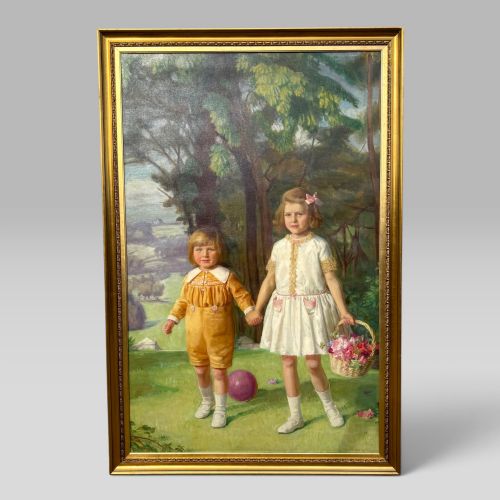
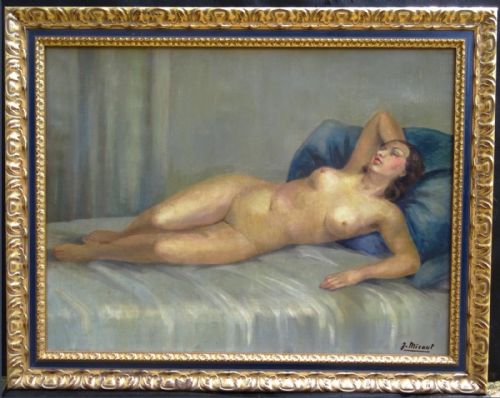
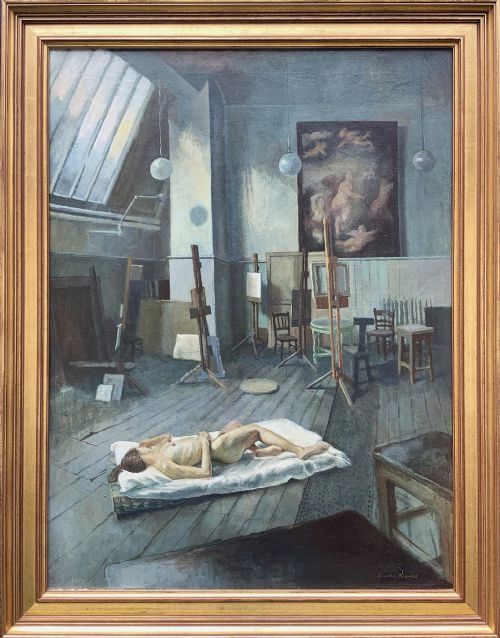
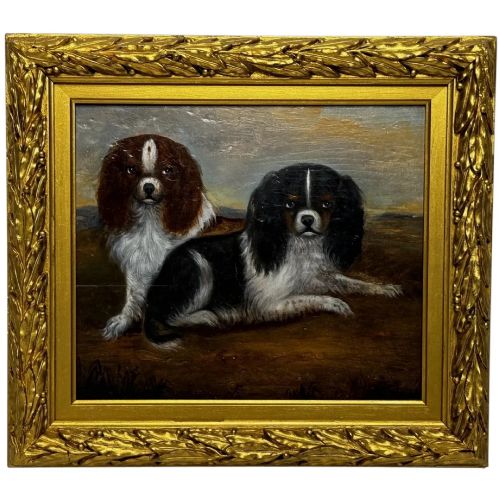
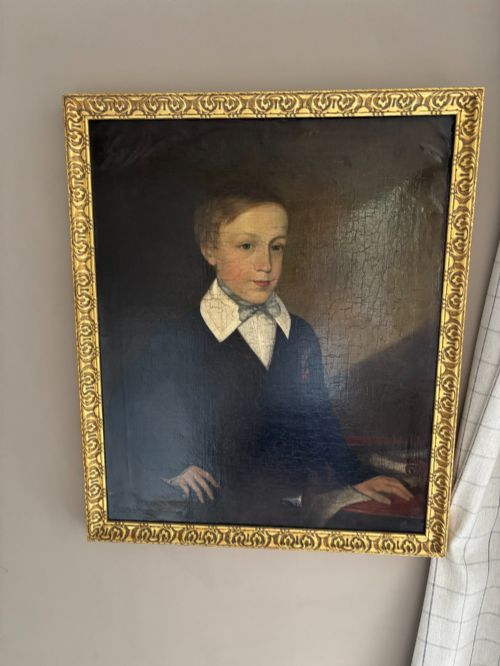
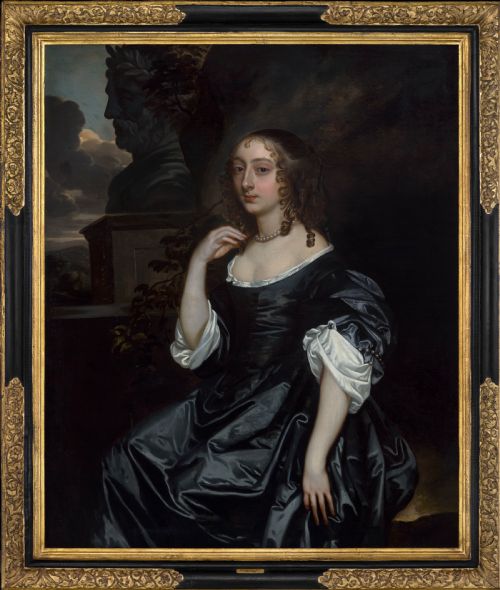
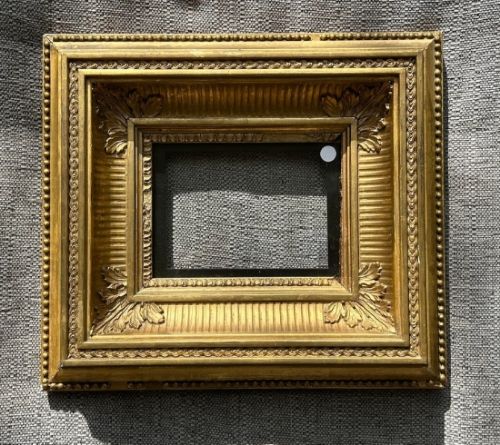
Oil Painting with Frame
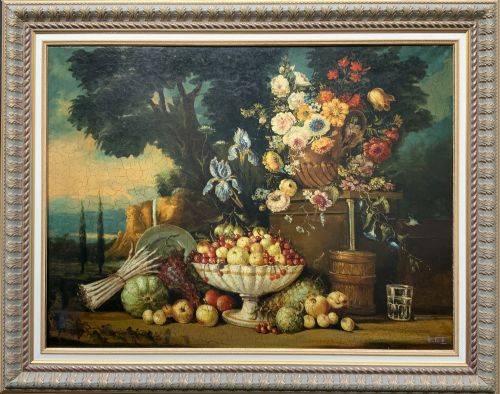
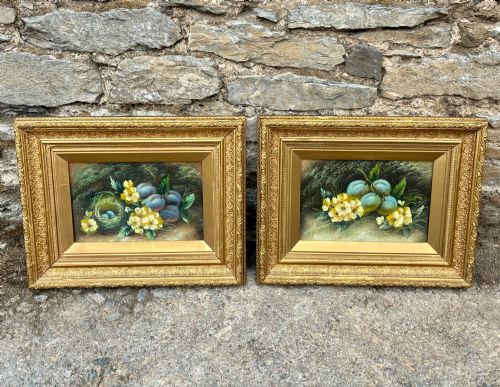
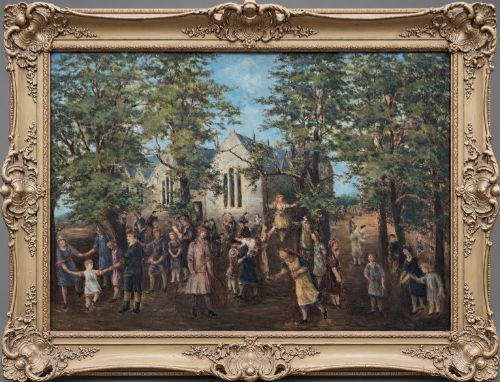
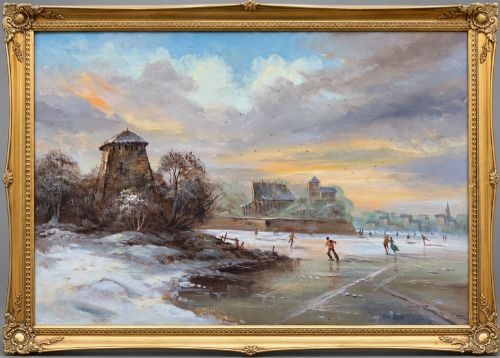
An oil painting with frame brings centuries of hand-rendered pigment and carved timber straight to the wall.
Oil Painting with Frame
When searching for an oil painting with frame, a buyer encounters centuries of fine art spanning the seventeenth century through to the mid-twentieth century.
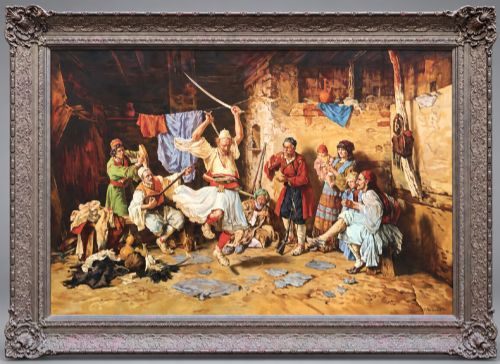
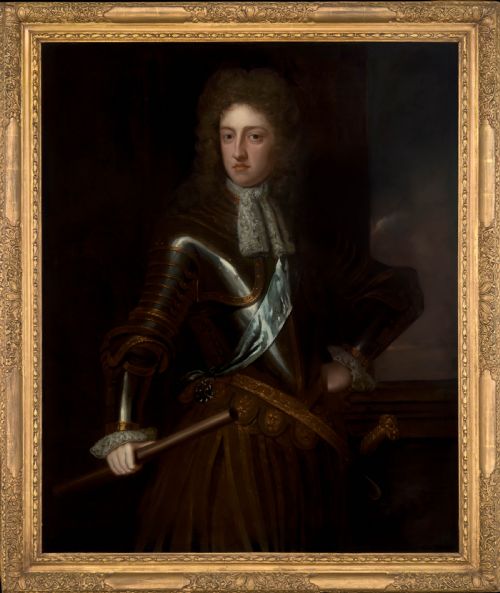
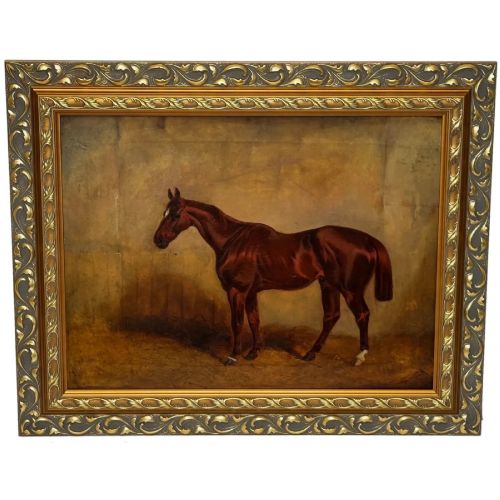
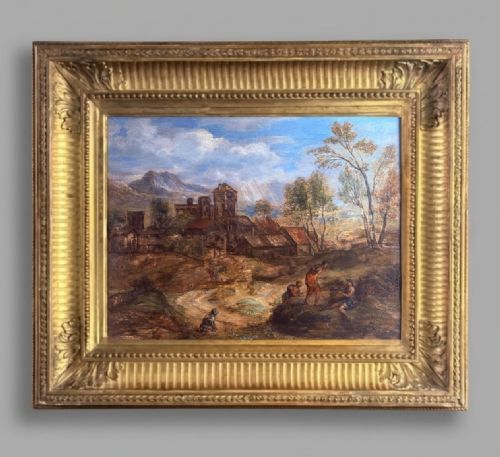
The selections here range from pastoral landscapes and sporting scenes to detailed portraiture of noblemen and ladies, often housed in period surrounds.
Many of these works originate from British, French, and Dutch schools, showcasing subjects such as cattle, domestic animals, and maritime views.
How they were made
Artists traditionally applied oil paint to stretched canvas or wooden panels, building up layers of pigment to achieve depth and texture.
The accompanying frames are constructed from wood, then finished with gesso, gold leaf, or giltwood to create ornate decorative mouldings.
Several seventeenth-century portraits feature remarkably intricate ruff collars and periwigs that demand a second look.
What varies in quality
The skill of the brushwork and the precision of the subject's anatomy distinguish finer portraits and landscapes from simpler works.
The integrity and period accuracy of the frame, particularly hand-carved gesso and original gilding, elevate the piece.
Joseph Vivienne·Sir Peter Lely·Thomas Murray·Henry Pickering·Jeremiah Davison·Vittorio Reggianini·Gaspar Peeter Verbruggen
The Oil Painting with Frame Glossary
- Gesso
- A plaster-like mixture applied to wood frames as a base for gilding or paint. This substance allows for deeply carved decorative details.
- Trumeau
- A decorative wall mirror or panel that often incorporates an oil painting at the top. These French interior pieces combine carved woodwork with pastoral or marine art.
- Giltwood
- Timber that has been coated with gold leaf or gold paint. This finish provides a luminous border to antique canvases.
- Provenance
- The documented history of ownership of a work of art. A clear record adds historical context to the canvas.
Oil Painting with Frame: Frequently Asked Questions
How do I date a frame?
The materials and joinery of the timber backing offer clues to the age of the surround. Plaster composition and the wear of the gold leaf also indicate the period.
Comparing the style of the moulding to known historical eras helps confirm whether the frame is original to the canvas.
Are oil paintings fragile?
The dried paint surface is reasonably robust, but fluctuations in temperature and humidity can cause the canvas to slacken or the wood panel to warp.
Direct sunlight can fade organic pigments over time, so careful placement away from intense heat sources is necessary.
How should I clean my painting?
Dust should be removed gently from the canvas and frame using a very soft, dry brush. Moisture and household cleaners must be avoided entirely.
Professional conservators should handle any removal of old varnish or deeper dirt accumulation on the painted surface.
What is a trumeau mirror?
A trumeau is an architectural mirror designed to hang between windows, frequently featuring an oil painting set into the upper wooden panel.
These French decorative pieces combine reflective glass with framed artwork for domestic interiors.