

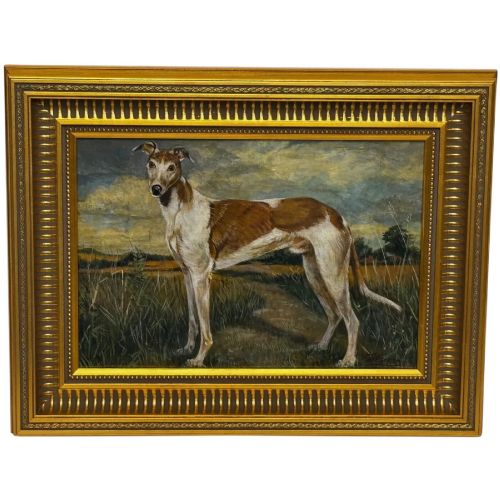
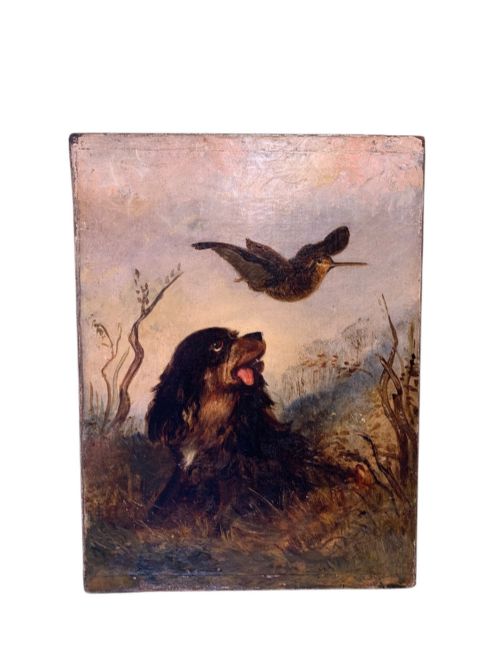
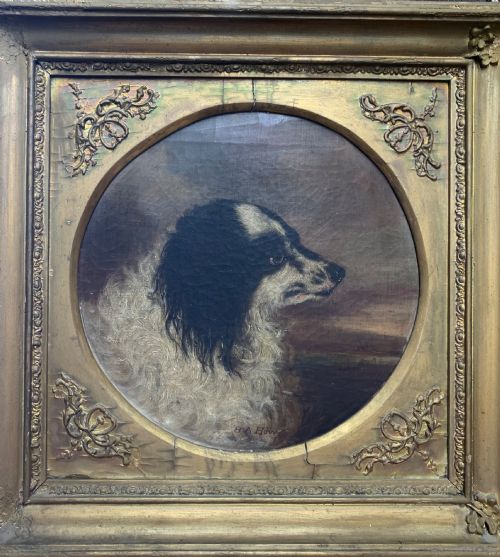
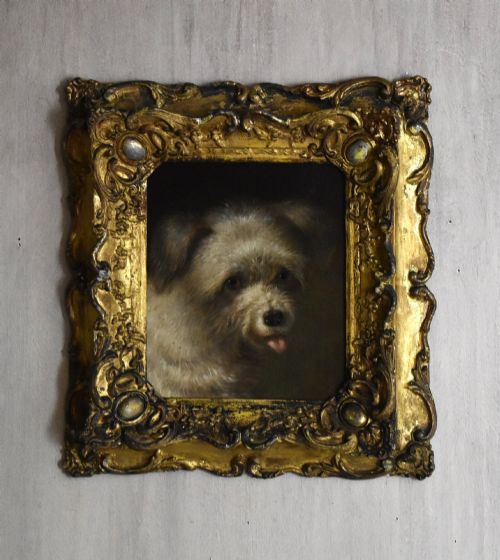



Oil Painting Dog Portrait
When choosing an oil painting dog portrait, buyers secure a tangible piece of canine history rendered through historical brushwork.
Oil Painting Dog Portrait
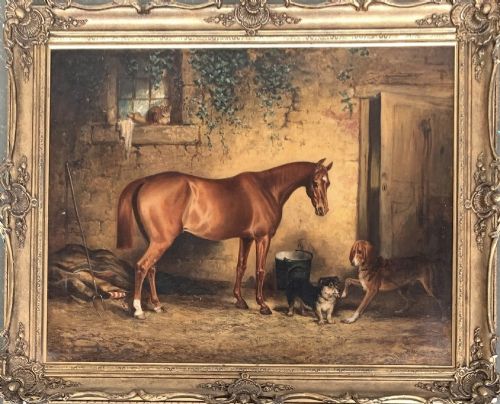
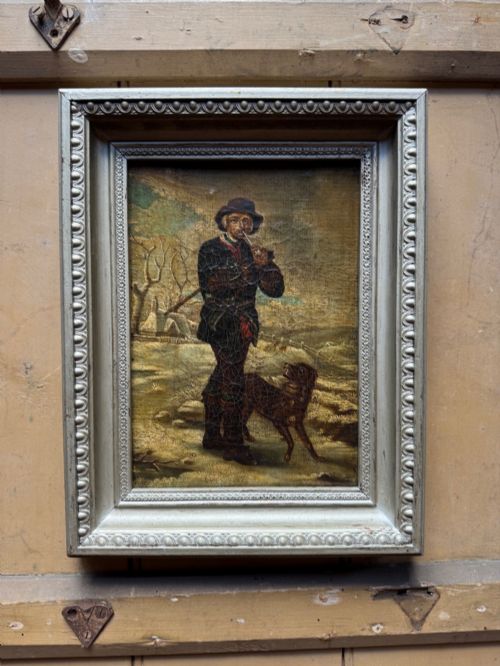
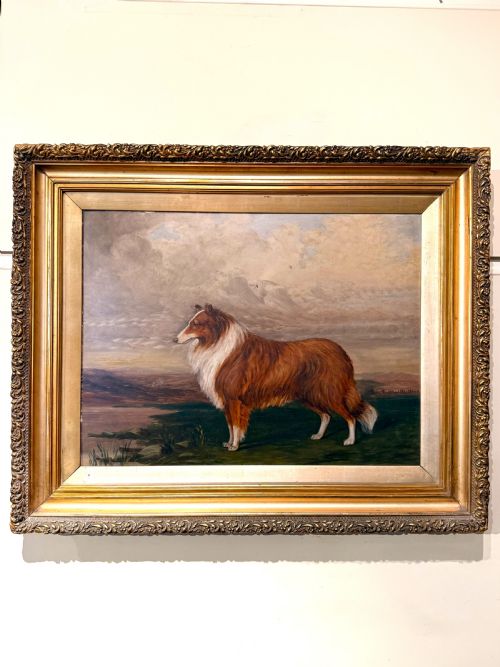
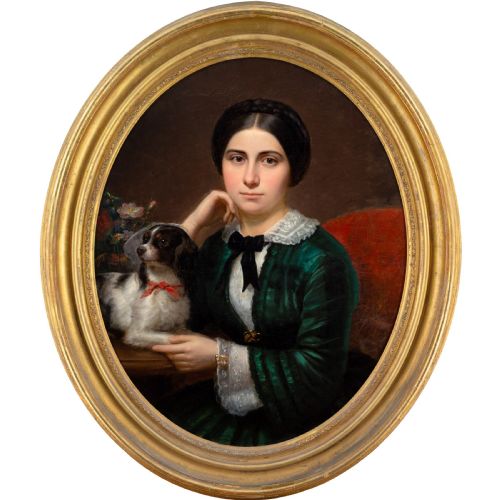
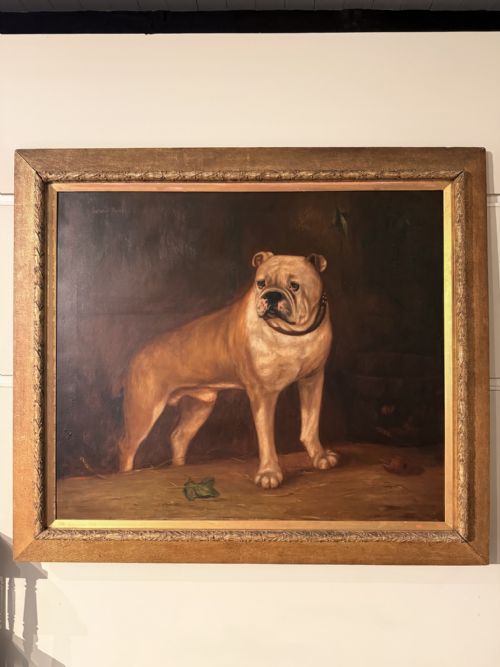
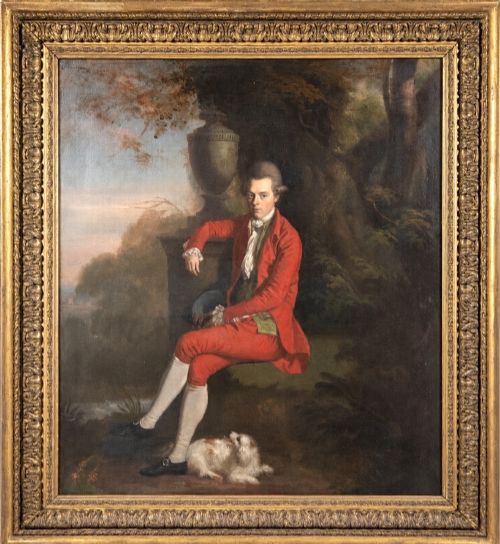
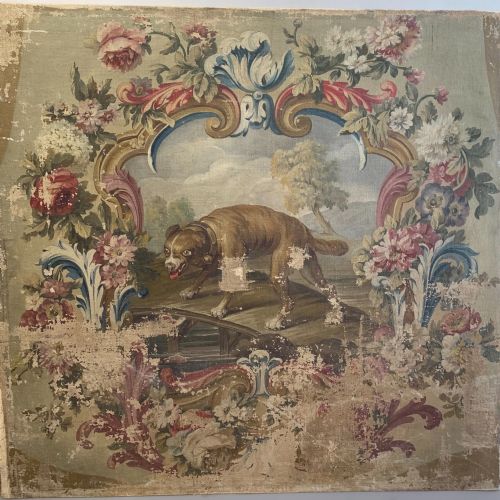
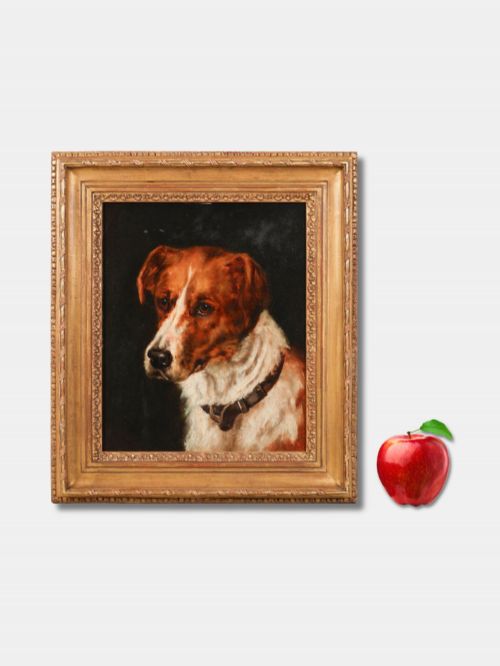
An oil painting dog portrait captures individual animals, sporting hounds, and family pets through traditional pigment application. These works span from Georgian and Victorian periods into the mid-twentieth century, recording breeds from spaniels and terriers to collies and setters. Collectors encounter these depictions on canvas, wood panels, and occasionally board, often framed in period giltwood.
Nineteenth-century examples dominate the selection, reflecting a strong British sporting art tradition alongside European and American school pieces. These compositions range from naive folk-art studies to accomplished academic renderings of working dogs and pampered companions in landscapes. The selection preserves the changing relationships between humans and animals across centuries.
Materials and construction
Painters relied primarily on oil paint applied to stretched canvas or wooden boards, utilising the rich consistency of the medium to build texture in fur and expression. Support structures often included timber stretchers and panels, framed in elaborately moulded gilt or gold leaf wooden surrounds.
Artists layered oil pigments to achieve depth in animal coats, using fine brushes for individual hairs and broader strokes for atmospheric landscapes behind the subject. Over time, these organic materials acquire a characteristic craquelure and varnish patina that authenticates their age.
The archive includes a remarkably self-referential nineteenth-century canvas depicting a dog in the act of painting its own portrait.
Factors of quality and execution
Quality rests upon the artist's anatomical accuracy, brushwork control, and ability to capture the distinct personality of the animal. Superior works demonstrate precise handling of light across fur and intelligent composition within the surrounding landscape.
The integrity of the original support and the condition of the pigment layer also dictate overall merit. Works retaining their period gilt frames and untouched paint surfaces hold stronger historical value for collectors.
Henry Barraud·Valentine T. Garland·Martin Theodore Ward·John Sargent Noble·John Emms·John Frederick Herring Senior·Thomas Hicks·William Barraud·Samuel Raven·Edwin Landseer·George E Sharpe·Colin Graeme Roe·John Trivett Nettleship·Mary Beale·James Clark·Henry Bernard Chalon·Wasdell Trickett·David Monies·Nina Colmore·Robert Surtees Snr
The Oil Painting Dog Portrait Glossary
- Canvas
- A heavy woven fabric stretched across a wooden frame to serve as a support for oil painting. It provides a flexible yet durable ground that responds well to traditional sizing and priming.
- Giltwood
- Timber carved and coated with a thin layer of gold leaf or metallic powder. This material defined high-status picture framing during the Georgian and Victorian periods.
- Naive art
- A style of visual art created by a person without formal artistic training, often characterised by a charming disregard for strict perspective and proportion. These works frequently appear in folk-art portraits.
- Sporting art
- A genre dedicated to depicting hunting, shooting, horses, and dogs engaged in field sports. It forms a cornerstone of nineteenth-century British painting traditions.
- Craquelure
- A fine network of microscopic cracks appearing on the surface of old oil paint and varnish layers. It serves as a natural indicator of age and material shrinkage.
Oil Painting Dog Portrait: Frequently Asked Questions
How do I identify the age of a dog portrait?
Age is determined by examining the canvas preparation, stretcher construction, and the style of the gilt frame alongside the clothing or hairstyle of any human figures present. Pigment analysis and the presence of natural ageing characteristics like craquelure also help narrow down the decade of creation.
Historical records, artist signatures, and inscriptions on the reverse of the canvas or board frequently provide definitive dates. Comparing the depicted dog breed standards to historical records offers further chronological clues.
Were these portraits meant for homes or kennels?
Many fine art portraits of prized gun dogs, spaniels, and hunters hung in country house libraries, drawing rooms, and halls to celebrate successful sporting lines or beloved companions. Wealthy owners commissioned accomplished painters to record their favourite animals much like human family members.
Some simpler works, particularly naive or folk-art pieces, belonged to a broader domestic tradition celebrating everyday pets. These pictures reflected the rising Victorian sentimentality towards animals as household fixtures.
How should I care for an antique oil painting?
Protect the artwork from direct sunlight, extreme temperature fluctuations, and high humidity to prevent the canvas from sagging and the paint from cracking. Dust the surface and the gilt frame gently with a dry, soft, lint-free cloth without applying pressure.
Avoid using water, chemical cleaners, or modern cleaning solutions on the paint or the gold leaf. Professional conservation should be sought if the canvas requires cleaning or re-tensioning.
What distinguishes British sporting art from other schools?
British sporting art focuses heavily on the accurate depiction of horses, hounds, and shooting scenes within recognizable rural landscapes. Artists in this tradition prioritized correct animal anatomy and operational realism over romantic fantasy.
Works often documented specific named animals belonging to landed gentry or nobility, complete with detailed background scenery. This documentary approach separates sporting art from generic European genre painting.