

Oil Painting Dark Portrait
When you search for an oil painting dark portrait, you encounter centuries of solemn faces framed in gold leaf and wood.
Oil Painting Dark Portrait
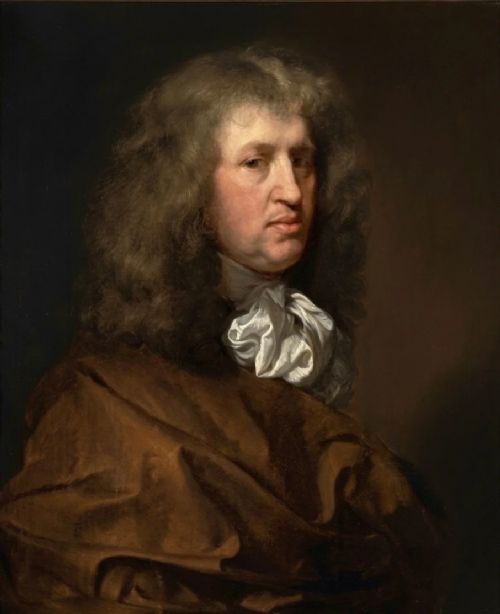
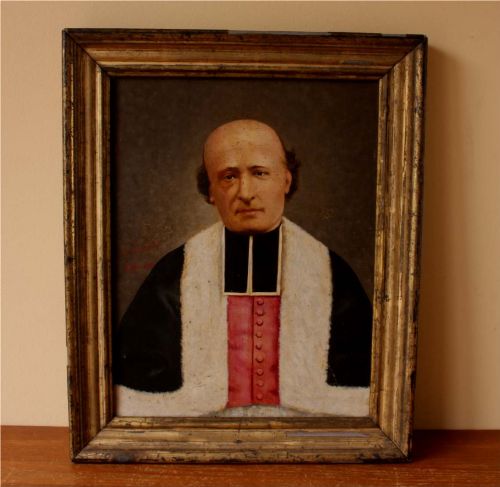
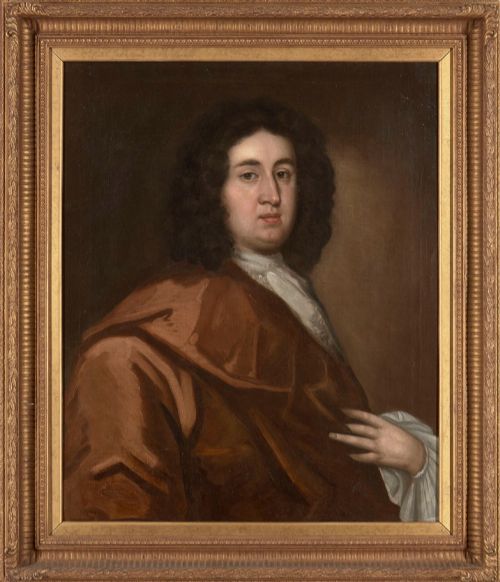
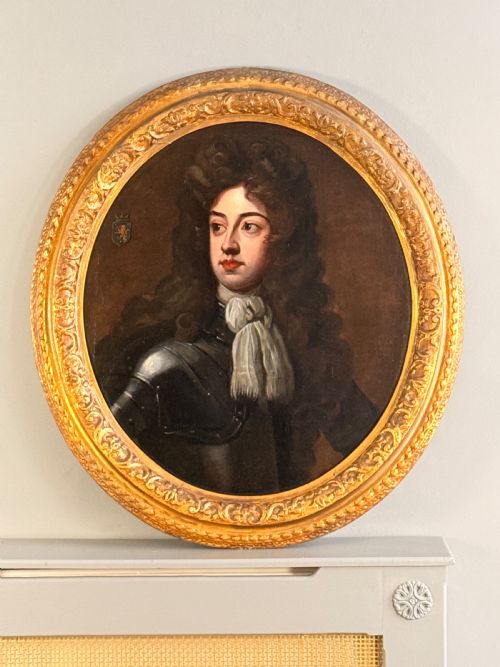
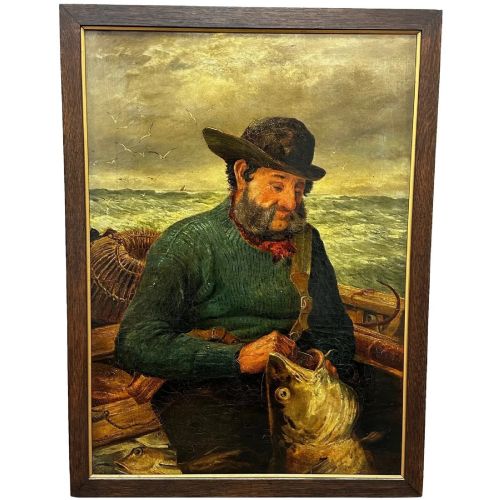
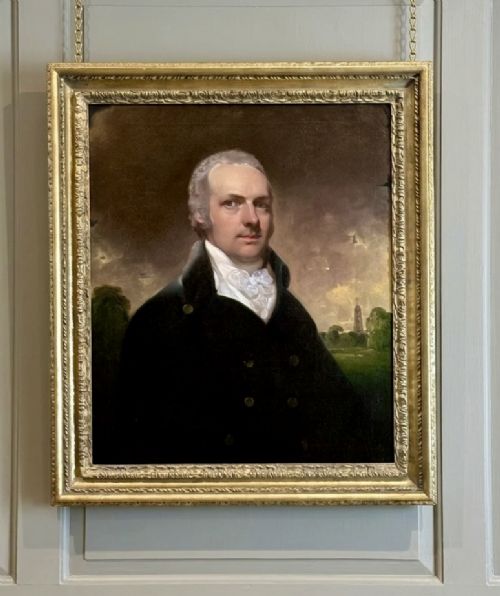
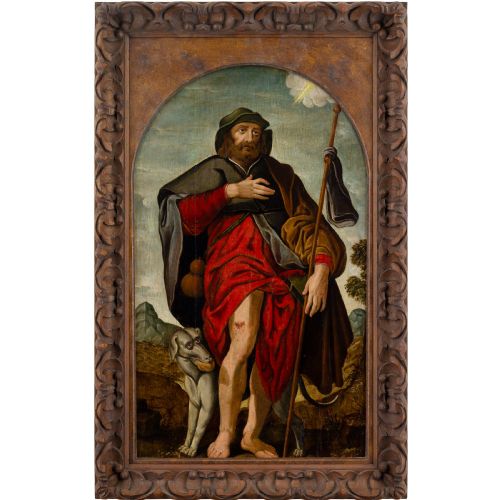
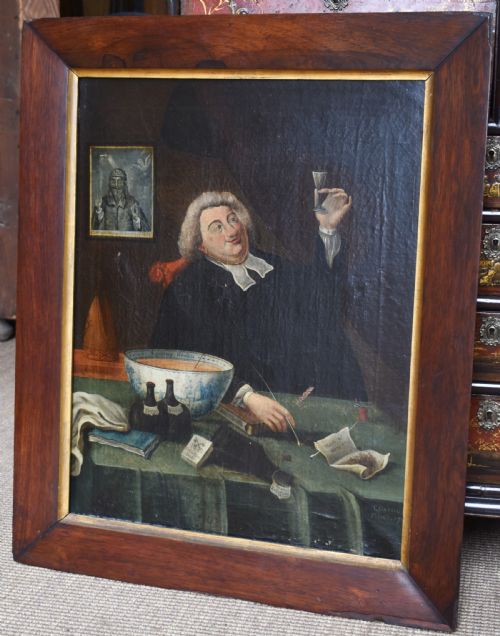
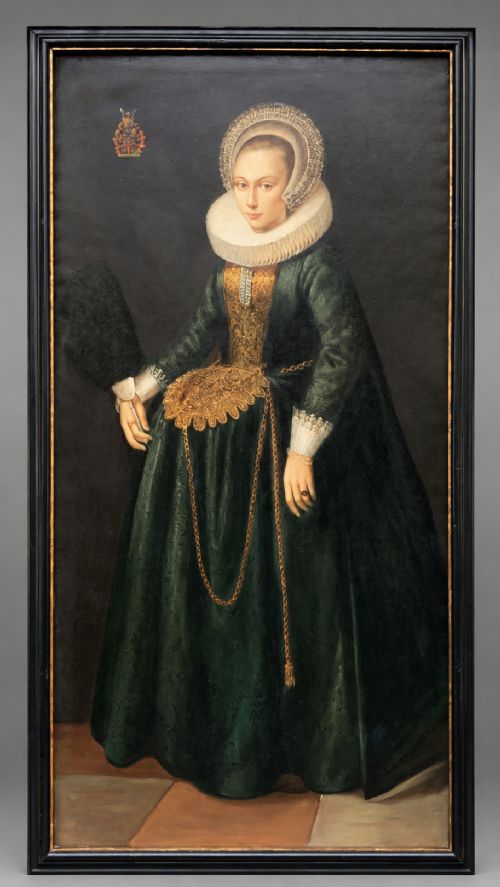
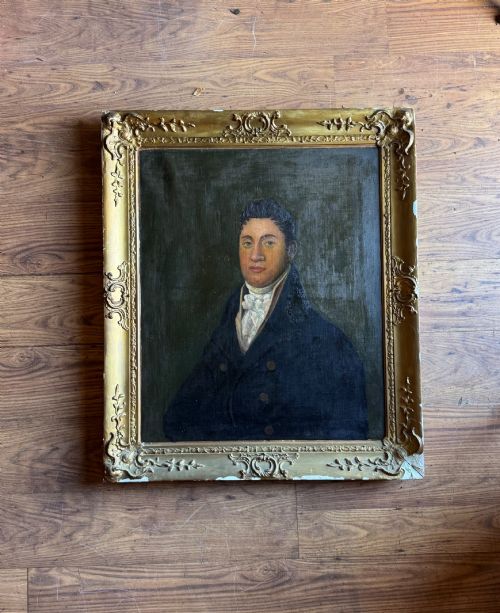
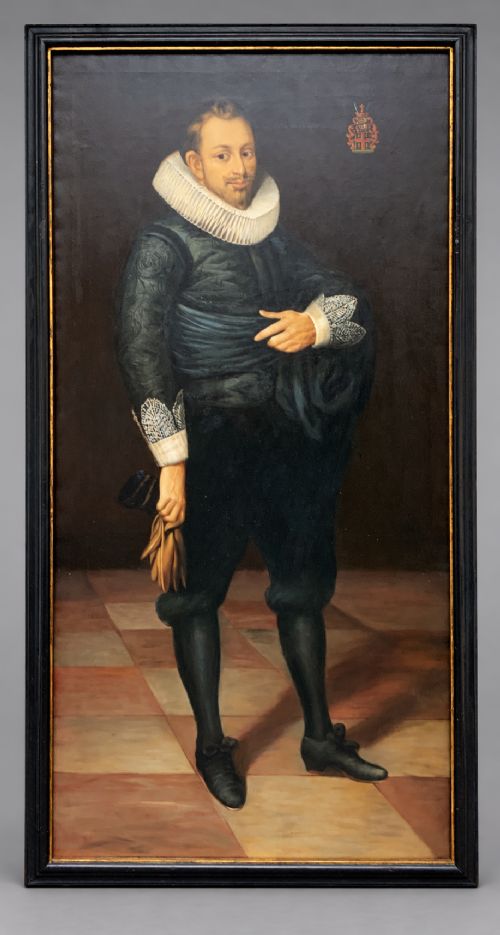
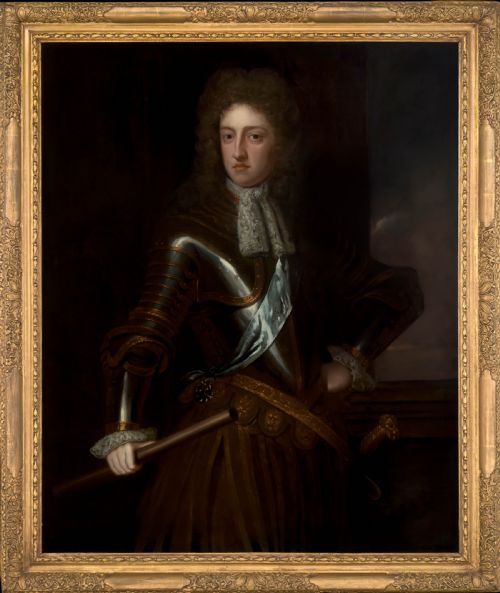
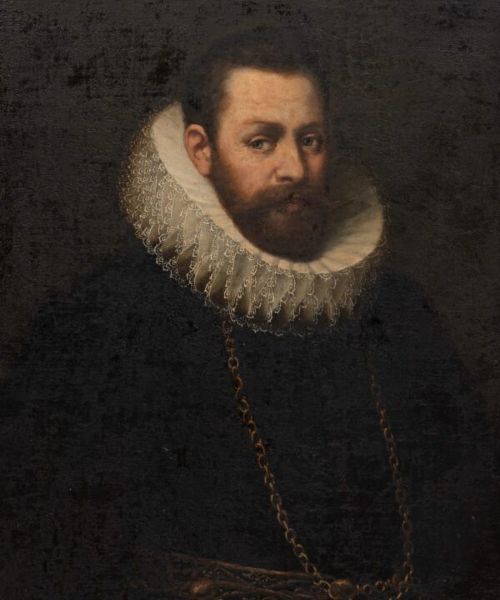
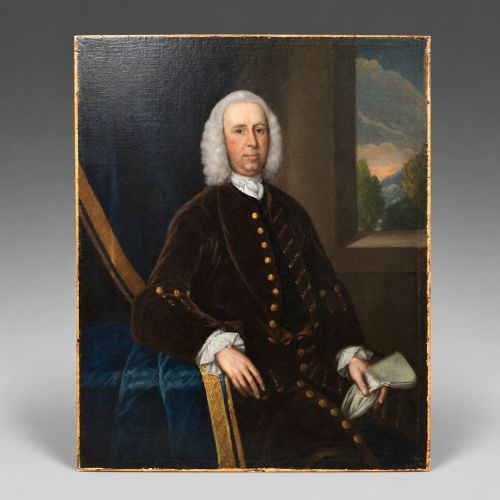
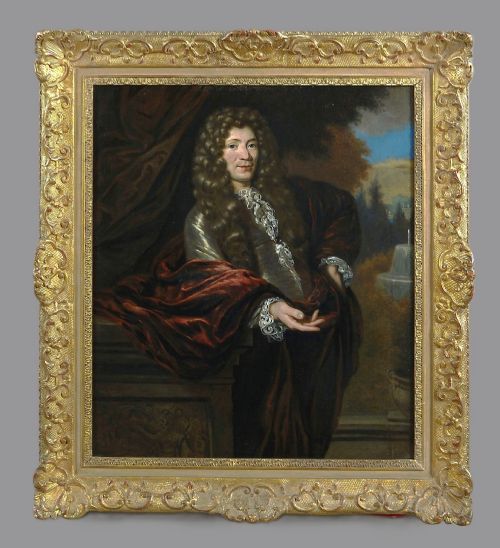
An oil painting dark portrait presents human subjects rendered in low-key lighting, often emerging from shadowy backgrounds with dramatic contrast. These works range from seventeenth-century aristocratic depictions to later regional and academic iterations.
The versions most common on this page stem from seventeenth, eighteenth, and nineteenth-century schools, utilising canvas or wood supports. Subjects include gentlemen, clergymen, and aristocrats captured in formal attire.
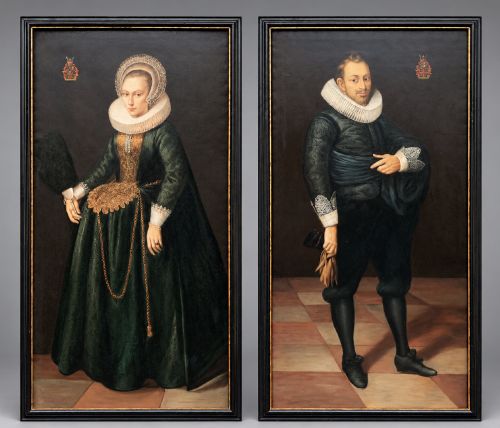
Compositions often draw upon Baroque, Jacobean, or Georgian traditions, placing emphasis on facial expression and rich garments against subdued backdrops.
Distinctions in craftsmanship
Quality in these works rests upon the precision of facial rendering, the handling of light across fabrics like ruffs and doublets, and the structural integrity of the canvas or wood support. Superior pieces exhibit confident brushwork that defines anatomy and texture with distinct clarity.
The depth achieved through layered oil glazes separates masterworks from simpler regional or decorative school productions, where shadows appear flat rather than luminous.
Oil Painting Dark Portrait Retail Price Guide 2026
Typical asking prices for oil painting dark portrait among the pieces listed under this phrase on Sellingantiques today, from the lower quarter to the upper quarter. They describe what is for sale here now, not the wider market.
Materials documented across the inventory include canvas, wood, oil paint, gold leaf, and giltwood frames.
John Closterman·Sir Godfrey Kneller·Sir William Beechey·Charles Jervas
The Oil Painting Dark Portrait Glossary
- Baroque
- A European style spanning the seventeenth and eighteenth centuries characterised by dramatic lighting and deep shadow. It underpins many solemn portrait compositions.
- Giltwood
- Wood carved and coated with gold leaf or gold paint to form decorative picture frames. It frequently houses period oil paintings.
- Jacobean
- Pertaining to the reign of James I in the early seventeenth century, noted in portraiture for distinct costume details like stiff ruffs and embroidered doublets.
- Panel
- A rigid wooden support used by artists before canvas became universal. It provides a stable surface for early portraiture.
- School
- A designation for a group of artists working in a particular region or following a specific master's style during a given era.
Oil Painting Dark Portrait: Frequently Asked Questions
What periods do these dark portraits cover?
The listings span from the sixteenth century through the nineteenth century, including specific works from the Regency and Jacobean eras.
Earlier pieces often reflect seventeenth-century Dutch, English, or Spanish schools, while later examples incorporate nineteenth-century realism and Victorian styles.
How should I care for an old oil painting?
Keep the artwork away from direct sunlight and maintain stable room temperatures to prevent the canvas or wood panel from warping. Avoid using liquid cleaners on the painted surface.
Dust the frame gently with a dry, soft brush. Professional conservation should be sought if the paint layer requires cleaning or stabilization.
What surfaces were used for these portraits?
Artists painted these portraits on woven canvas or rigid wooden panels. Canvas became increasingly common over time, stretched across wooden frames to support the oil layers.
Wood supports appear more frequently in earlier centuries, providing a firm base for detailed brushwork on subjects like ruffs and doublets.
How do I identify the school of a painting?
Attributions are typically determined by comparing the brushwork, palette, and subject attire with documented works from specific regional traditions, such as the Dutch Golden Age or English school.
Signatures, inscriptions, and historical documentation on the reverse of the canvas or frame also aid in identifying the originating circle or maker.