


Oil Paint on Canvas
Oil paint on canvas brings centuries of portraiture, landscapes, and maritime scenes directly to your walls.
Oil Paint on Canvas
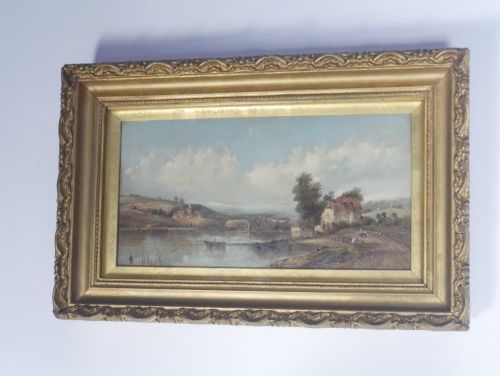
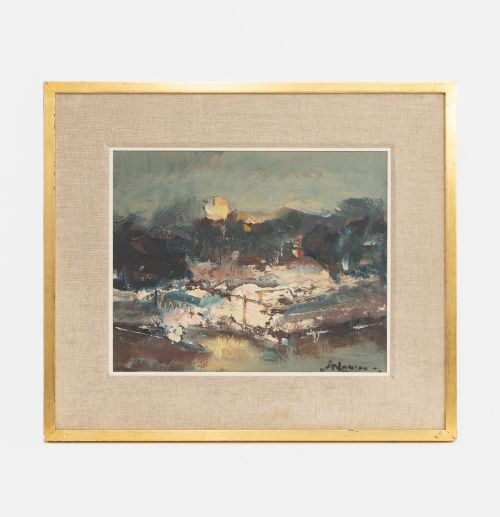
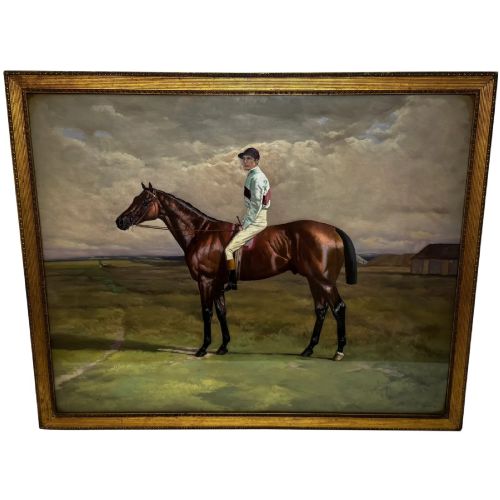
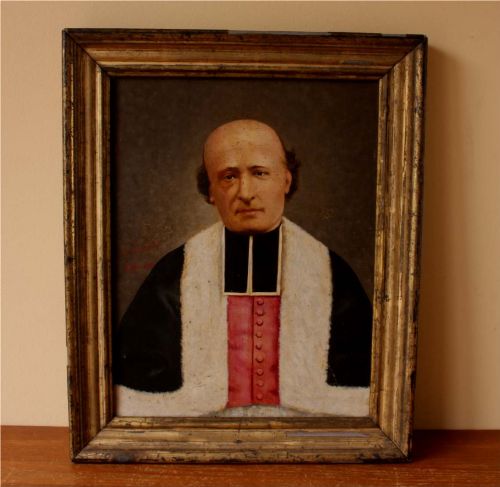
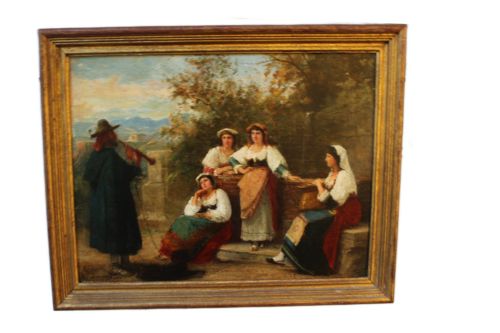
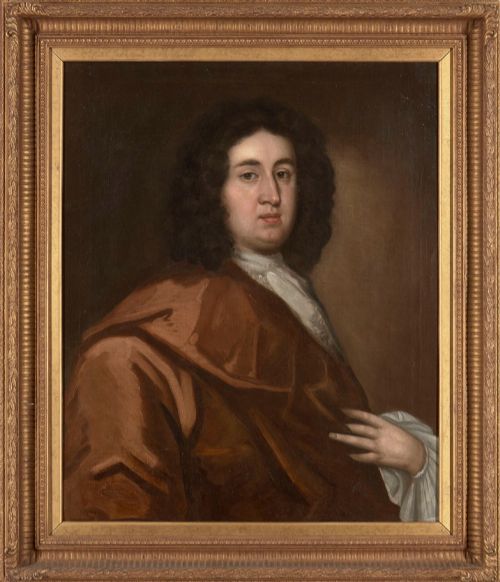
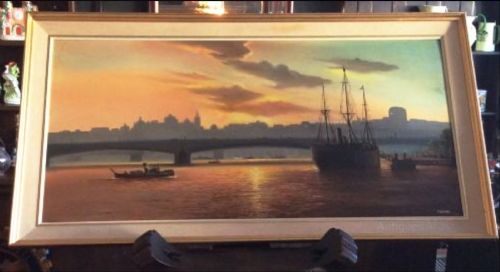
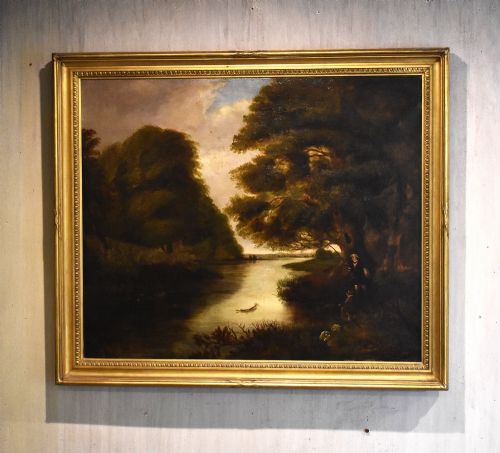
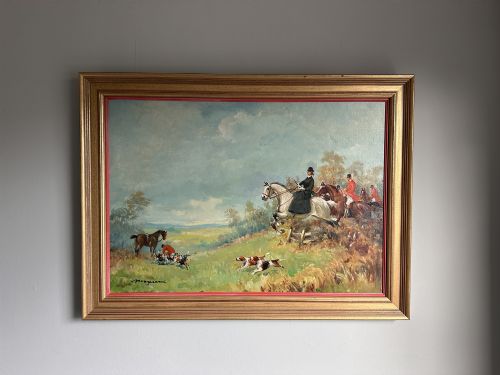
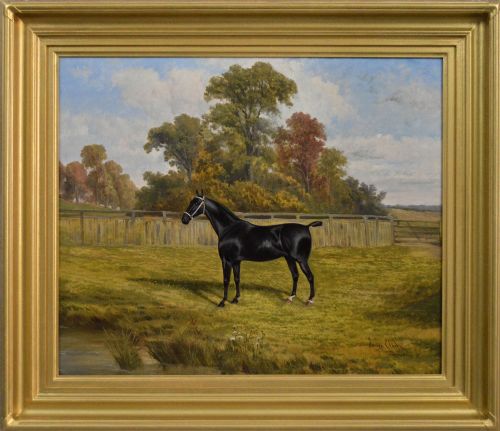
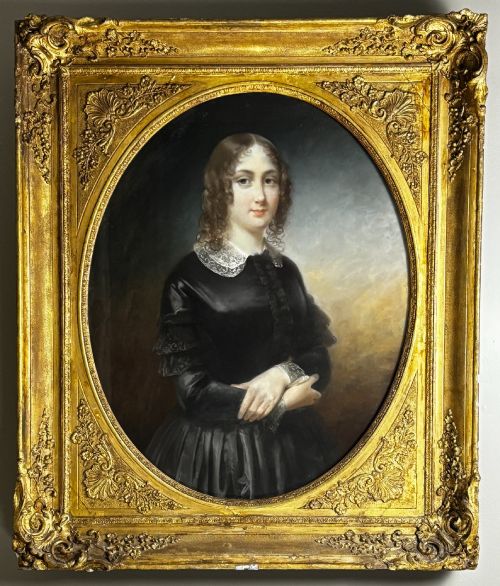
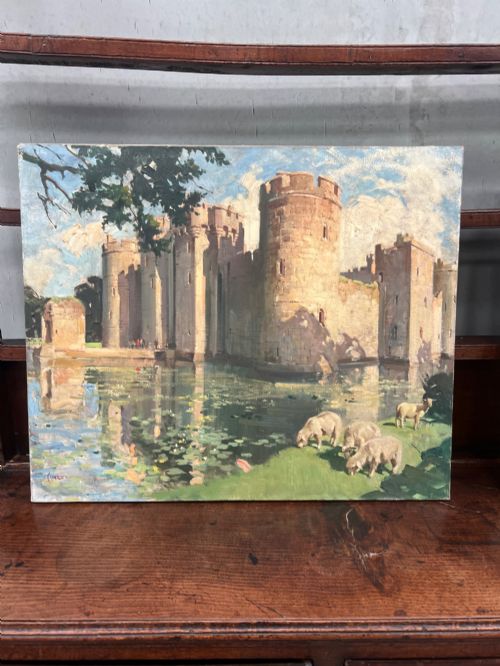
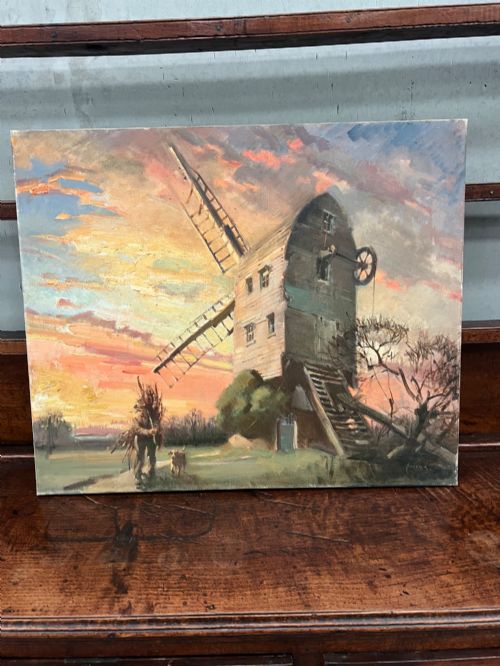
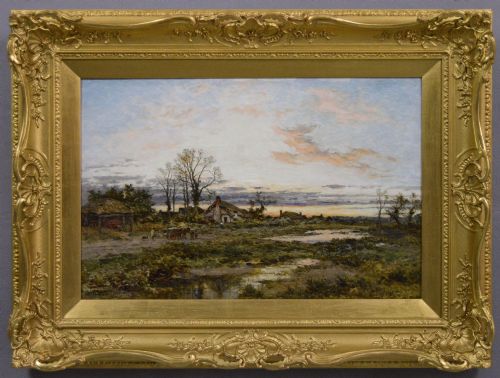
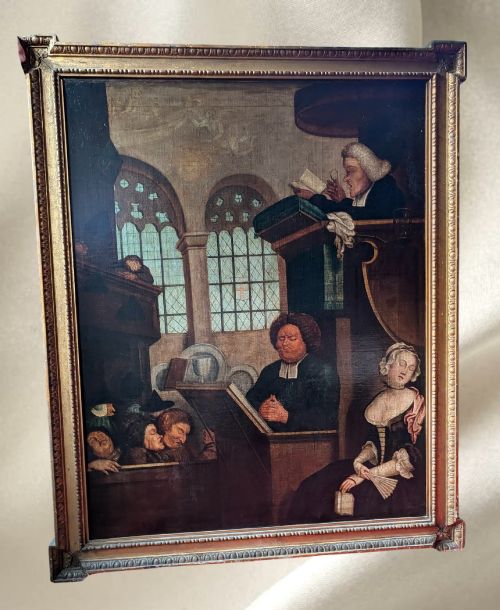
Portraiture dominates the earlier centuries, capturing sitters from gentlemen in elaborate doublets to Victorian figures and society ladies. Landscapes and maritime works depict pastoral estates, rugged seascapes with dramatic sea stacks, and quiet rural farmyards.
The most common pieces met on this page originate from the nineteenth and eighteenth centuries, executed by regional British schools, continental workshops, and named academic artists. These works reflect the shifting academic and realist styles of their respective periods.
How They Were Made
Artists painted using oil pigments applied to stretched woven canvas, a versatile surface that allowed for rich blending, luminous glazes, and textured impasto. Many historic canvases utilised wood stretchers and were housed in ornate giltwood or gesso frames.
Subsequent conservation sometimes involved canvas laid onto board to stabilise fragile grounds. Pigments were layered meticulously to capture the play of light on fabrics, foliage, and water.
The physical support ranged from finely woven linen to heavier canvas grounds, primed to accept oil paint and preserve the composition across centuries.
Oil Paint on Canvas Retail Price Guide 2026
Typical asking prices for oil paint on canvas among the pieces listed under this phrase on Sellingantiques today, from the lower quarter to the upper quarter. They describe what is for sale here now, not the wider market.
Listings feature works spanning the 17th, 18th, 19th, and 20th centuries, executed in oil on canvas, wood panels, and canvas laid on board.
What Varies in Quality
Quality in these paintings rests primarily upon the sureness of the brushwork, the psychological depth of portraits, and the atmospheric conviction of landscapes. Master painters captured facial expressions, fabric folds, and natural light with authority that lesser studio copies or provincial student works miss.
Condition and originality dictate much of the standing within the category. Works retaining their original stretchers, untouched paint surfaces, and period gilt frames hold greater art-historical integrity than heavily restored or relined examples.
The reputation of the hand matters greatly, distinguishing signed works by established academicians from anonymous school pieces or later follower output.
Sir William Beechey·Henry Barraud·Theude Grönland·Charles-Antoine Coypel·Sir Joshua Reynolds·Eugène Verboeckhoven·Jonathan Richardson
The Oil Paint on Canvas Glossary
- Canvas
- A heavy woven fabric, usually linen or cotton, used as a surface for painting. It provides a flexible and durable ground when properly stretched and primed.
- Impasto
- The technique of laying paint on canvas thickly so that it stands out from the surface. This method adds visible texture and catches light dynamically.
- Giltwood
- Wood carved and covered with a thin layer of gold leaf or gold paint. Frames of this material frequently accompany fine period paintings.
- Relining
- A conservation process where a historic canvas is adhered to a new backing canvas for structural support. This practice helps preserve fragile or degraded paintings.
- Provenance
- The chronological record of ownership of a work of art. Documented history establishes authenticity and previous exhibitions.
Oil Paint on Canvas: Frequently Asked Questions
How do I date an oil painting?
Dating relies on stylistic clues within the subject's clothing, hairstyle, and framing conventions, alongside stretcher construction and canvas type. Costume details offer particularly precise chronological markers for portraits.
Signatures, artist registry records, and inscriptions on the reverse of the canvas or frame further narrow the period of creation.
What is canvas laid on board?
Canvas laid on board is a conservation or mounting method where an original canvas painting is permanently adhered to a rigid flat support. This technique often stabilises brittle or sagging materials.
Collectors encounter this method frequently in nineteenth and early twentieth-century works where the original stretcher failed.
How should I frame a historic painting?
Historic oil paintings look best in period-appropriate frames such as moulded giltwood or deep gesso designs that complement the era of the artwork. The frame should protect the canvas edges without obscuring the composition.
Matching the aesthetic weight of the frame to the boldness of the brushwork maintains the visual balance of the piece.
Who were the British schools?
British schools refer to loose groupings of artists working within Britain during specific centuries, often sharing regional techniques, academic training, or stylistic influences. These encompass portrait painters, landscape artists, and genre painters.
Many works from these schools remain unsigned or attributed to followers rather than master artists.