
Oil on Canvas Still Life
An oil on canvas still life brings quiet domesticity and intense colour to a room through the careful arrangement of inanimate objects.
Oil on Canvas Still Life
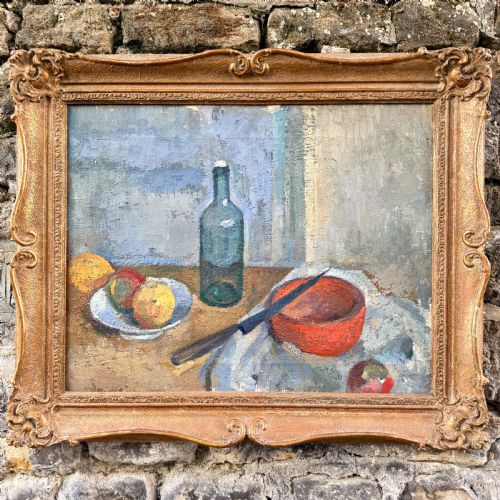
When searching for an oil on canvas still life, a buyer encounters centuries of artistic tradition focused on arranged subjects such as flowers, fruit, game, and household vessels. The pieces span from the seventeenth century through the Victorian and Edwardian eras into mid-century modern and impressionist interpretations.
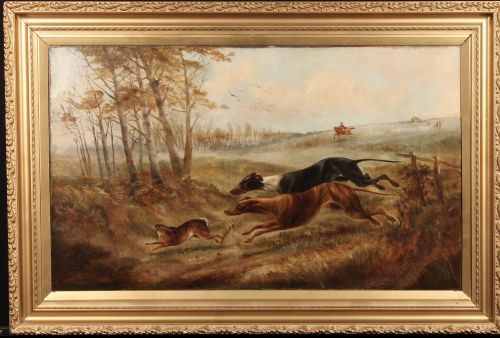
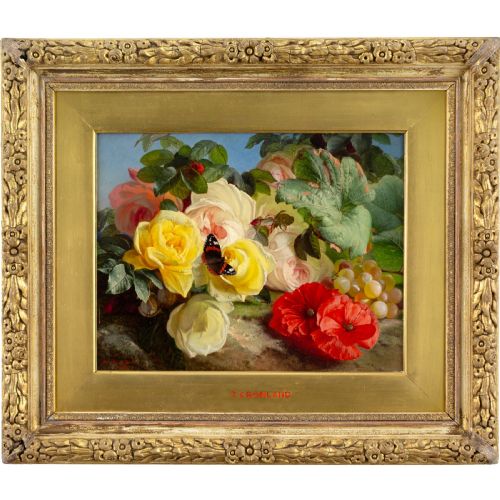
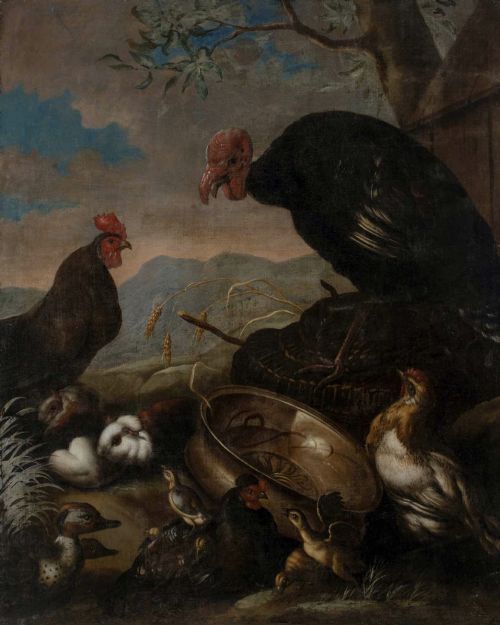
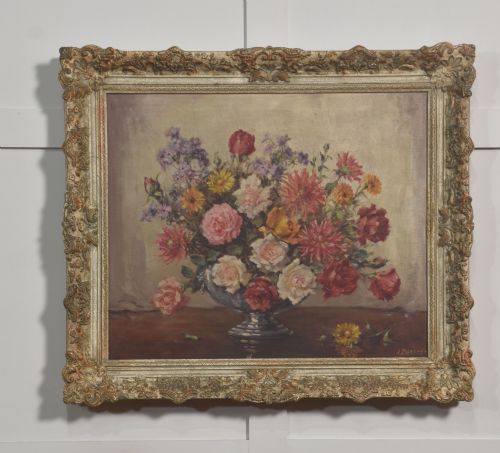
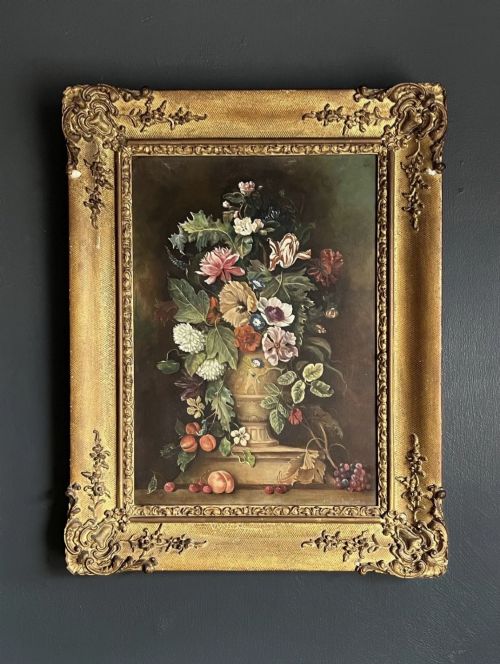
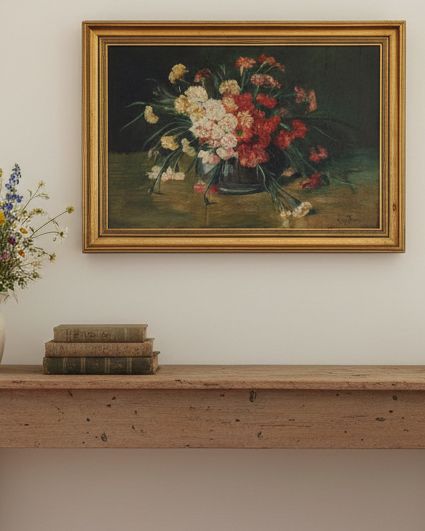
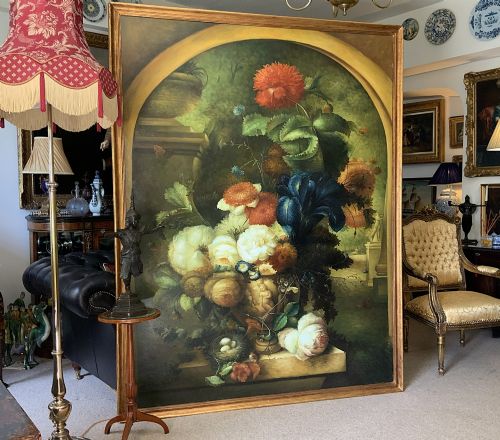
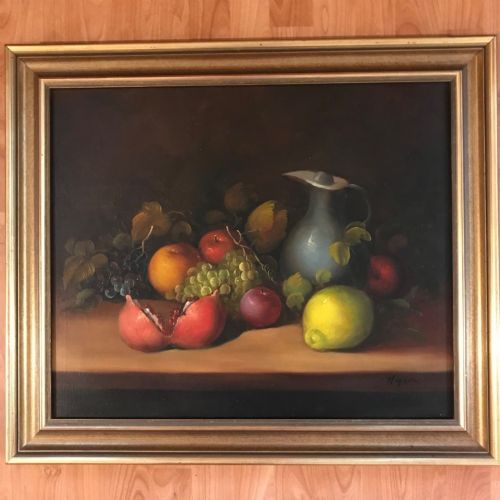
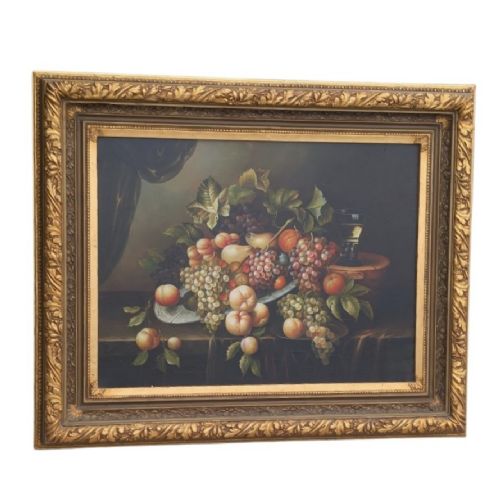
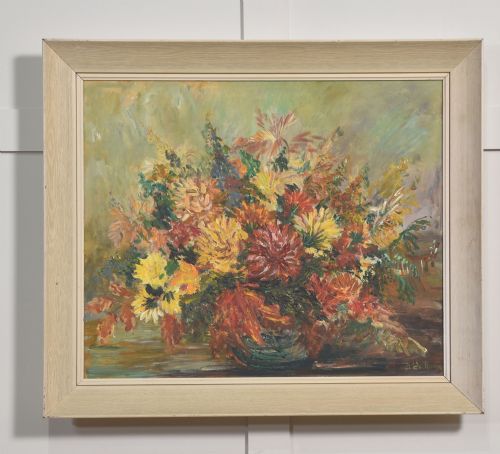
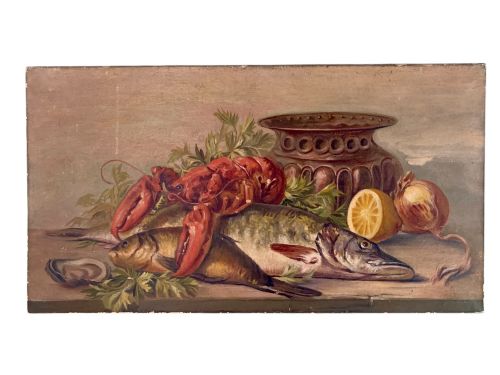
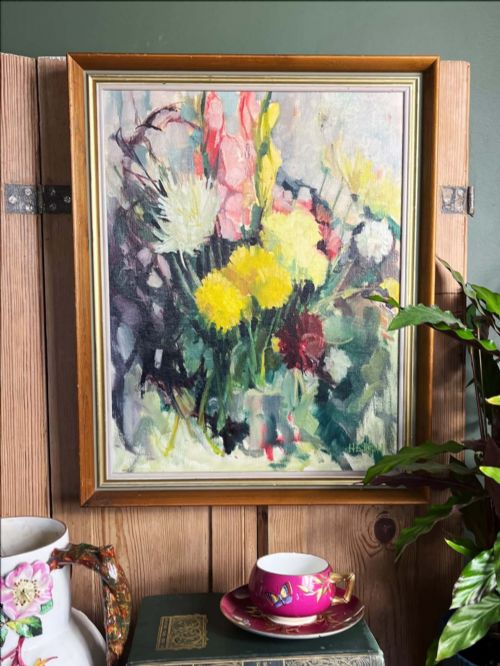
The most common examples on this page date from the early to mid-twentieth century, alongside nineteenth-century continental and British works. Subjects range from simple glass vases filled with roses to elaborate Dutch-style floral compositions and rustic larder scenes with game birds.
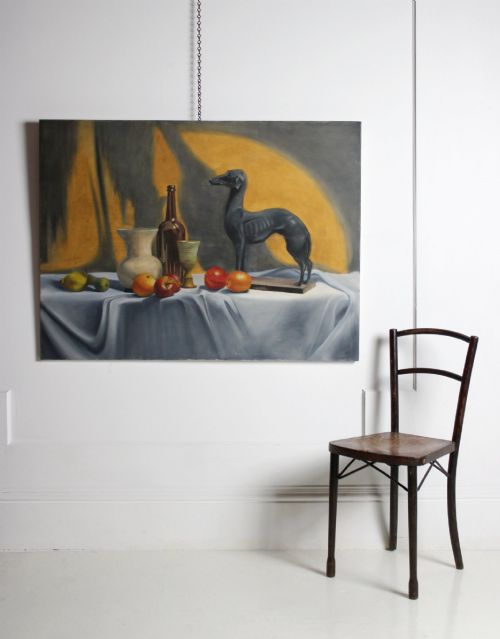
Works appear in various formats, from intimate cabinet paintings to monumental decorative canvases. Many retain their period frames, including gilt gesso, carved wood, and oak surrounds.
Materials and Technique
Artists painted primarily using oil pigments applied to stretched woven canvas, sometimes mounted on wood panels or boards. The rich medium allowed for deep tonal gradations, subtle blending, and thick impasto textures that catch the light.
Frames played an integral role in the presentation and survival of these works, utilising gilded wood, gesso mouldings, and decorative joinery. Gold leaf and gilt finishes enhanced the warmth and depth of the painted compositions within.
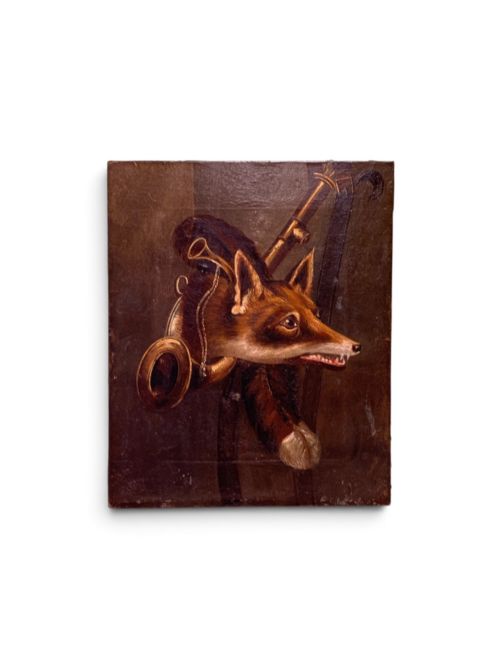
Several paintings include uninvited dinner guests, hiding a stray fox, a curious bird, or a nibbled biscuit among the fruit.
Distinctions in Quality
Quality rests upon the artist's mastery of light, shadow, and spatial depth within the composition. Superior works display confident brushwork and precise tonal control, whereas lesser examples rely on rigid symmetry and flat application.
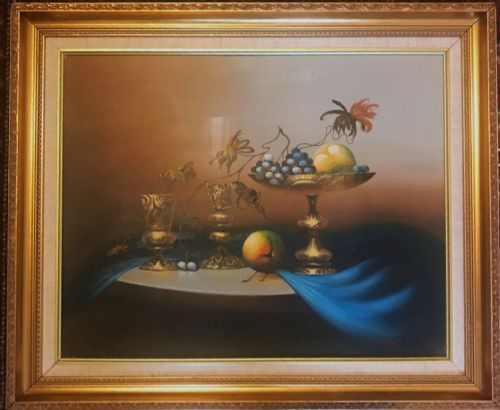
The complexity of the arrangement and the fidelity of texture - such as the translucent skin of grapes, the delicate petals of roses, or the glossy plumage of fowl - distinguish skilled academic or impressionist execution from naive or decorative studio output.
Angelo Maria Crivelli·Edward Ladell·Edwin Steele·Gaspar Peeter Verbruggen·Konstantin Stoitzner
The Oil on Canvas Still Life Glossary
- Impasto
- Paint applied thickly to a canvas, standing out in relief from the surface so that the marks of the brush or palette knife remain visible. This technique adds tactile dimension to floral petals and highlights.
- Gilt gesso
- A plaster-based material applied to wooden frames and carved before being coated in gold leaf or metallic paint. It provides an ornate border that complements traditional oil paintings.
- Vanitas
- An artistic motif using symbols such as decaying fruit, skulls, or extinguished candles to remind the viewer of the transience of life. These symbolic still lifes were popular in Flemish and Dutch traditions.
- Provenance
- The documented history of ownership of an artwork, tracing its origin and path through sales and collections. A verified background establishes authenticity and historical context.
- Larder view
- A specific subgenre of still life depicting dead game, fish, cheese, and provisions intended for the kitchen. These scenes emphasise realistic textures of fur, feathers, and food.
Oil on Canvas Still Life: Frequently Asked Questions
What subjects do these paintings feature?
Paintings show arranged collections of cut flowers, fruit in baskets, dead game, and everyday vessels on tables. Artists focused on capturing the interplay of light and shadow across natural textures.
Floral compositions range from simple rose studies to massive Dutch revival bouquets. Larder scenes incorporate fish, fowl, and earthenware to evoke domestic interiors.
How do I date an oil painting?
Dating relies upon stylistic markers, framing methods, canvas preparation, and signatures where present. Victorian and Edwardian works often feature academic realism and heavy gilt frames.
Mid-century pieces embrace impressionist brushwork and brighter, looser palettes. Examining the reverse of the canvas can reveal period stamps, labels, or inscriptions.
Are original frames important?
Period frames enhance the historical integrity and visual impact of an oil painting. Gilt gesso and carved wooden surrounds matched the aesthetic standards of their respective eras.
Replacing a missing frame requires matching the period style to ensure the artwork is properly balanced. Original framing often bears gallery labels that add to the history of the piece.
How should I display a canvas?
Canvases require stable indoor environments away from direct sunlight and excessive humidity. Hanging them securely on interior walls prevents warping of the wooden stretcher frames.
Proper lighting from an adjustable picture light highlights the texture of the oil paint and impasto work. Regular dusting with a soft brush keeps the surface clear without risking moisture damage.