


Oil Canvas Military Portrait
An oil canvas military portrait captures officers, generals, and rulers in structured uniforms and armour, offering a direct record of service across centuries.
Oil Canvas Military Portrait
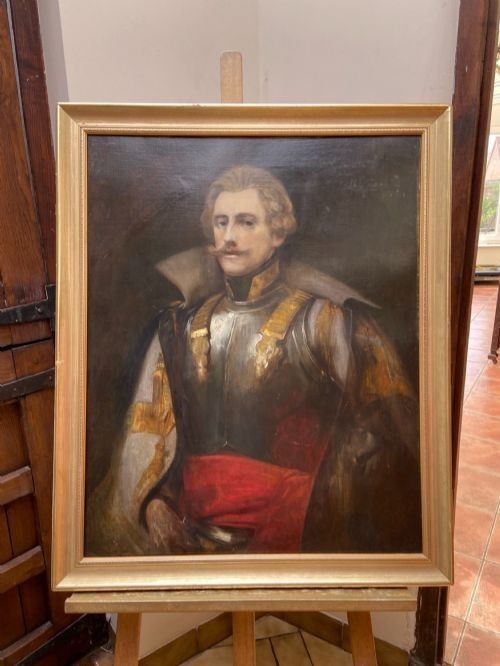
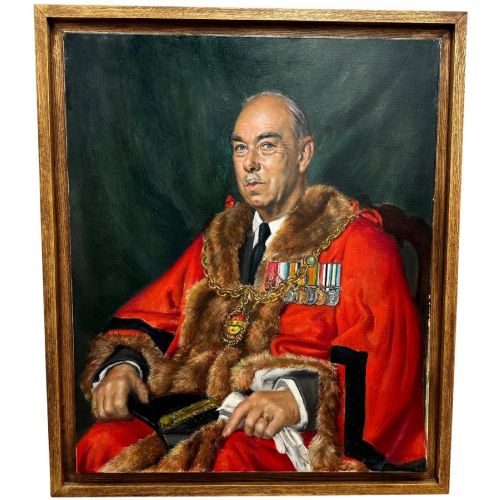
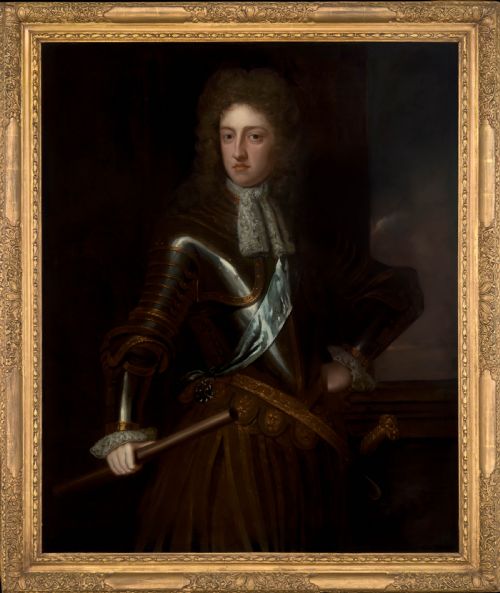
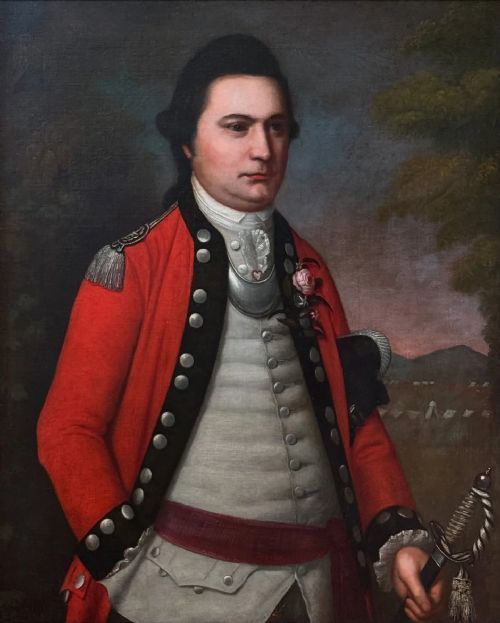
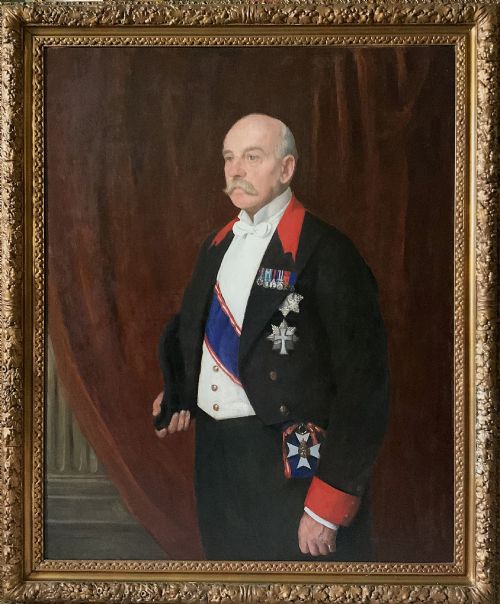
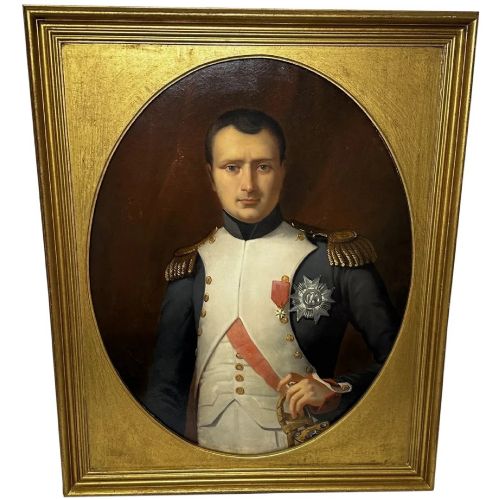
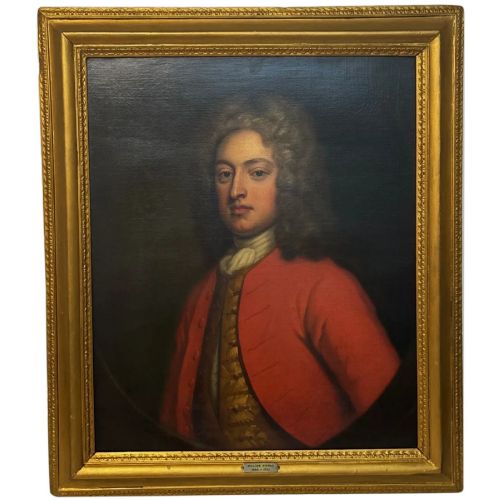
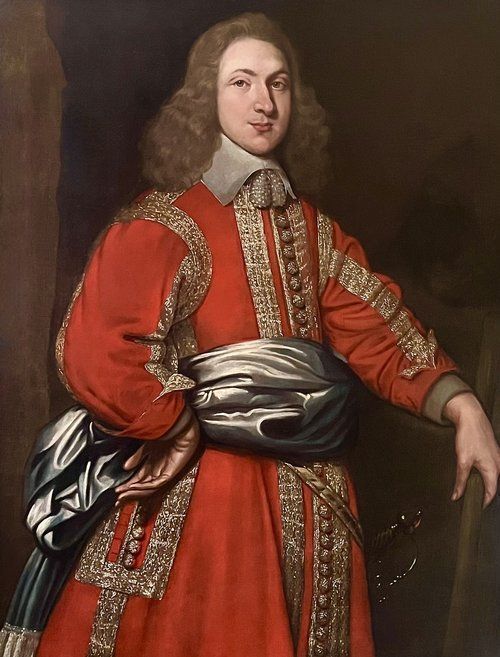
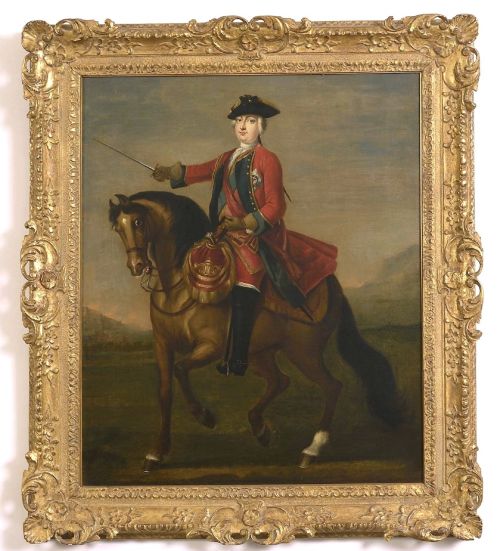
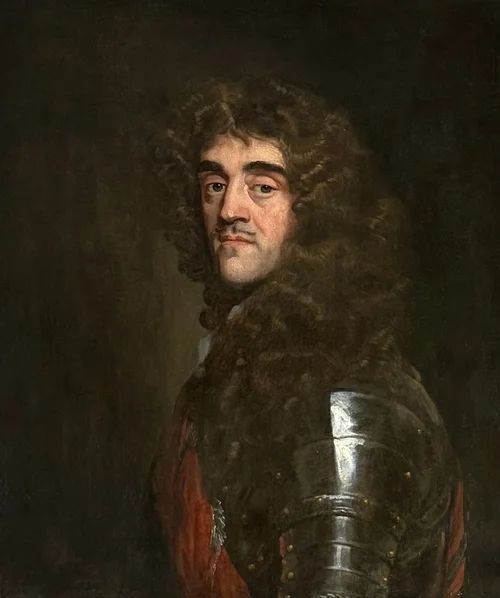
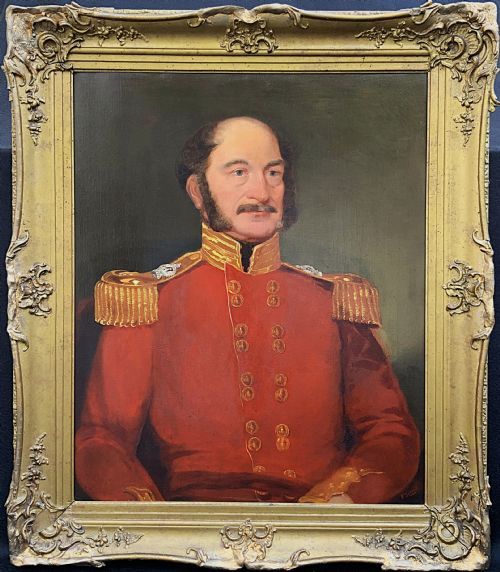
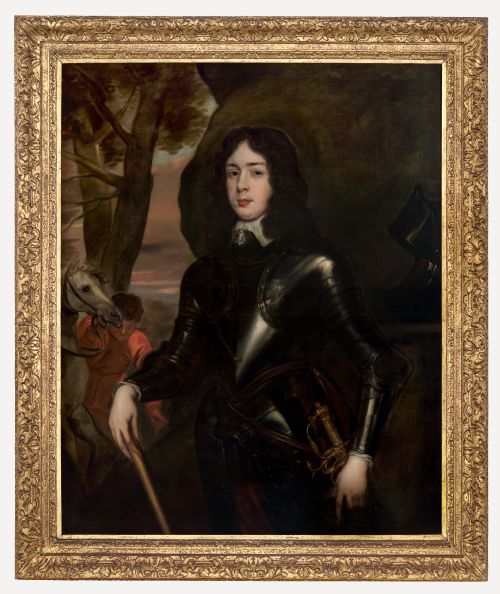
An oil canvas military portrait depicts figures of rank, from 17th-century cavalrymen in full steel armour to 20th-century officers in service dress and red tunics. These works record historical figures, regiment commanders, and monarchs through formal painted likenesses.
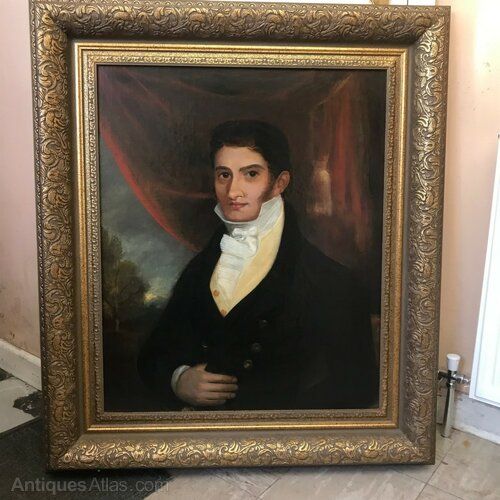
The pieces on this page span the 17th century through to the mid-20th century, encompassing Georgian, Victorian, and Edwardian aesthetic traditions. Canvas works survive alongside original wood panel supports and decorative giltwood frames.
Most entries focus on British and European military personnel, capturing naval commanders, infantry officers, and historical militia figures. Each canvas serves as both a fine art painting and a documented historical record.
How these portraits were constructed
Artists built these works using oil paint applied to stretched woven canvas, often supported by wooden stretcher frames. Painters layered pigments to render the rich textures of red coats, wool tweed, gold leaf details, and polished steel armour.
Many historical examples retain their period frames constructed from wood and finished with giltwood or gold leaf. The interaction of oil paint with organic canvas fibres produces the stable, enduring surfaces seen in surviving works.
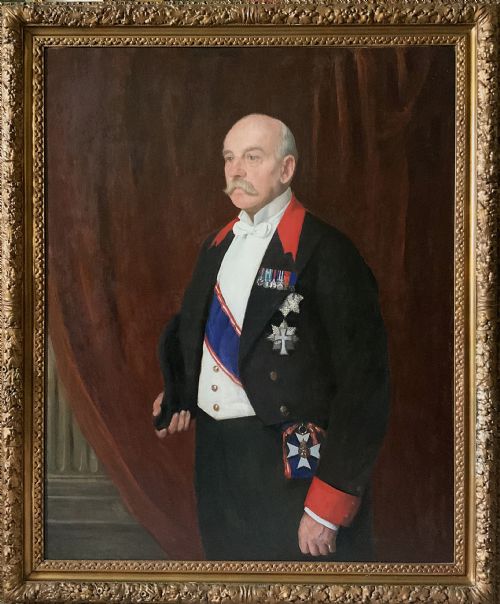
One Edwardian subject chose to face eternity holding an open copy of a Poppy Day Report while wearing a fresh blossom in his lapel.
What separates works of higher quality
Quality rests in the precision of the facial likeness, the anatomical accuracy of the figure, and the detailed rendering of uniform insignia, medals, and decorative sashes. Master painters captured light across metal plate and fabric with striking depth.
Provenance and documentation elevate a piece, particularly when archival records identify the sitter, regiment, and artist conclusively. The condition of the original canvas and the preservation of early giltwood frames also influence the overall standing of the work.
Bernard Hailstone·Sir Godfrey Kneller·Stickland Lowry·John Greenhill·Sir Anthony van Dyck·Nicolas De Largilliere·John Simmons·Sir Thomas Lawrence·Ernest Crofts·Francis Russell Flint·Albert Ferdinand Le Dru
The Oil Canvas Military Portrait Glossary
- Giltwood
- Wood carved and coated with gold leaf or gold paint to form an ornate decorative frame. These frames often match the period of the painting they enclose.
- Armour
- Protective steel plates worn by officers in earlier centuries, frequently included in portraits to signal status and martial readiness. Painters used it to demonstrate skill in reflecting light.
- Cavalier
- A supporter of the royalist cause during 17th-century conflicts, typically depicted with long hair, lace collars, and military sash. The style defines many Anglo-Flemish school works.
- Red Tunic
- The distinctive scarlet military coat worn by British infantry and staff officers through the Victorian era and earlier campaigns. It provides a striking focal point in oil compositions.
- Realism
- An artistic movement focusing on everyday accuracy and truthful depiction without idealized embellishment. 19th-century works in this style prioritize authentic military detail.
Oil Canvas Military Portrait: Frequently Asked Questions
What is an oil canvas military portrait?
An oil canvas military portrait is a painted likeness of a soldier, officer, or naval commander executed in oil paint upon a woven canvas support. These works range from 17th-century depictions of noblemen in plate armour to 20th-century records of decorated generals.
Created to commemorate service, rank, and lineage, these paintings often include specific regimental uniforms, medals, and historical backgrounds that anchor the sitter in a precise military context.
How were these military portraits used historically?
Officers, regiments, and aristocratic families commissioned these portraits to display authority, lineage, and military achievement within stately homes and officers' messes. They served as public statements of status and personal memorials of wartime service.
Over generations, these canvases passed down through descendants or remained within institutional collections until entering the antique market.
How do I care for an oil canvas painting?
Protect the canvas by keeping it away from direct sunlight, high humidity, and rapid temperature fluctuations that can cause the paint layer to crack or the wood stretcher to warp. Dust the surface gently with a soft, dry brush without applying pressure.
Avoid using water, chemical cleaners, or modern cleaning solutions on either the canvas or the period giltwood frame, as these can permanently damage the historic materials.
How can I tell the period of a portrait?
Examine the cut of the uniform, the style of any facial hair or wigs, and the type of military headwear, which changed systematically across the 17th, 18th, and 19th centuries. Armour points to earlier centuries, while red coats and specific medals correspond to documented campaigns.
The construction of the canvas, the composition of the wood stretcher frame, and any artist signatures or inscriptions on the reverse provide further chronological markers.