


Fine Art Military Portrait
A fine art military portrait records officers, generals and monarchs in oil, watercolour and miniature.
Fine Art Military Portrait
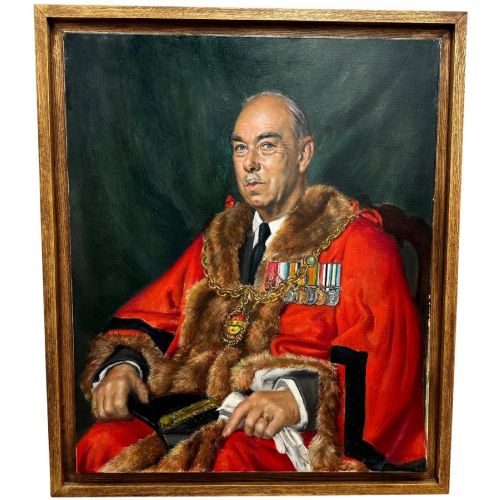
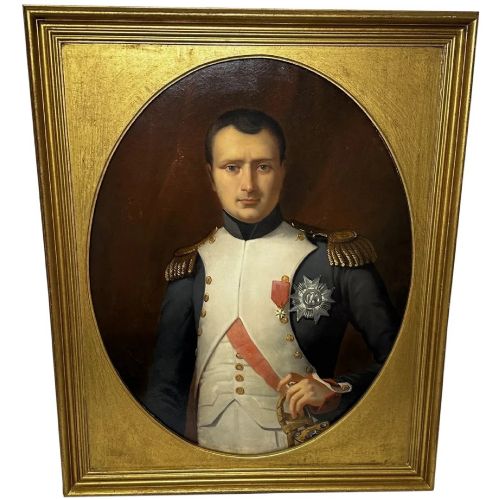
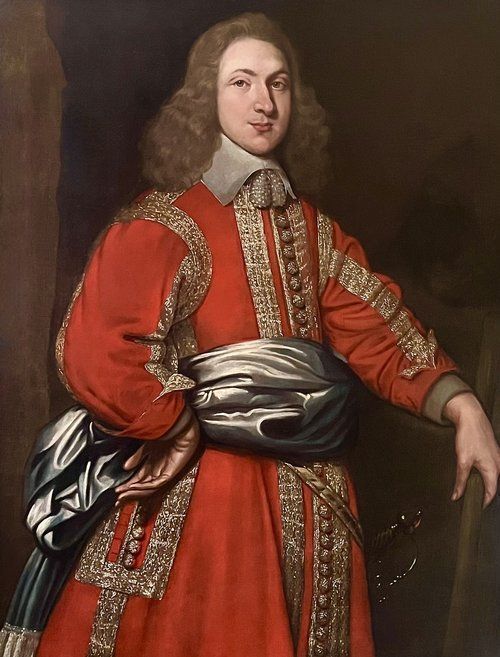
A fine art military portrait depicts figures of rank, from field marshals to naval captains and young midshipmen, captured in uniforms, armour or red coats. These works span the seventeenth, eighteenth and nineteenth centuries, alongside later twentieth-century examples.
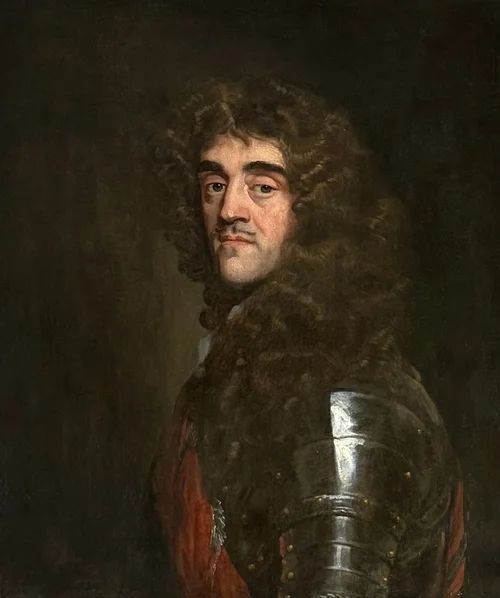
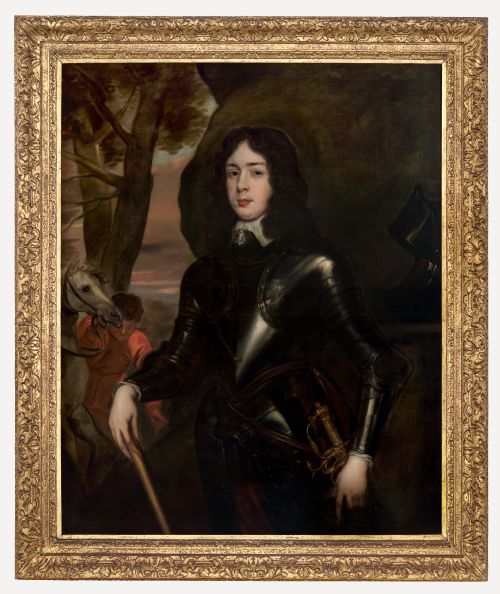
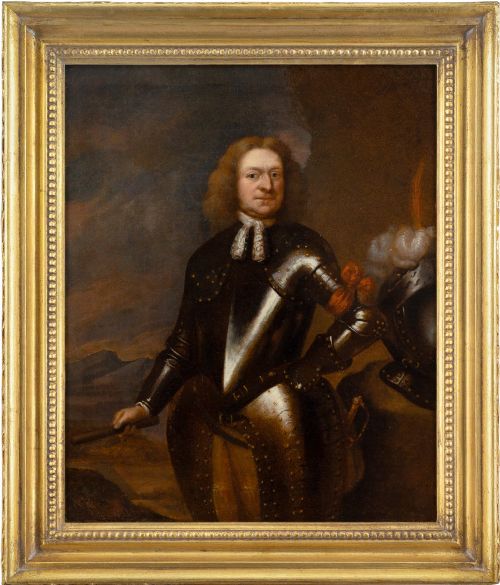
Subjects appear half-length in armour, wearing sashes and medals, or posed with horses and battle backgrounds. The selection ranges from large framed oils on canvas to delicate portrait miniatures on agate panels.
Most pieces date from the Victorian and Georgian eras, reflecting periods of intense military commission and portraiture. Buyers find both named generals such as the Duke of Wellington and anonymous officers from the Anglo-Dutch or English schools.
Materials and Construction
Painters applied oil paint to stretched canvas or wooden panels, building rich tones for uniforms, red coats and dark armour. Watercolours on paper served for smaller, intimate studies of younger naval officers and bandsmen.
Frames play a significant role, particularly heavy moulded giltwood surrounds that complement the formal gravity of the canvas. Miniature portraits often feature fine gold frames, sometimes housing panels of agate.
Several subjects clutch documents like poppy day reports or wear cheerful floral lapel badges amidst their medals.
Distinctions in Quality
Excellence rests in the painter's handling of fabric texture, facial expression and the glint of steel armour or gold braid. Works by recognised portraitists display anatomical precision and psychological depth in the subject's gaze.
The integration of the sitter with background details, such as distant horses or military encampments, separates skilled composition from rigid, formulaic studio production. Original matching frames also contribute to the integrity of the piece.
Sir Thomas Lawrence PRA·Ramsay Richard Reinagle RA·John Greenhill·Nicolas De Largilliere·John Closterman
The Fine Art Military Portrait Glossary
- Armour
- Protective steel clothing worn by officers in earlier centuries, rendered in paint with highlights and shadows to denote polished metal. This element often signifies status and tradition in seventeenth-century works.
- Giltwood
- Wood carved and coated with a thin layer of gold leaf, used extensively for ornate picture frames. These frames enhance the visual weight of large oil paintings.
- Portrait Miniature
- A small, highly detailed painting created on materials such as vellum, card or agate. Artists produced these intimate likenesses to be carried or worn.
- Red Coat
- The iconic bright scarlet military tunic worn by British land forces across multiple centuries. Painters used vibrant vermilion pigments to make the uniform stand out against darker backgrounds.
Fine Art Military Portrait: Frequently Asked Questions
What periods do these military portraits cover?
The selection spans from the seventeenth century through the Georgian and Victorian eras up to the mid-twentieth century.
Early examples feature officers in full plate armour, while later pieces show commanders from the World Wars.
How were these paintings displayed originally?
High-ranking officers and nobility hung large oil canvases in ancestral halls, regimental messes and country houses.
Smaller miniatures were kept in personal chambers or carried as tokens of affection and duty.
How do I identify the rank of the sitter?
Uniform details, sashes, medals and the presence of armour or specific hats offer clear indicators of military rank.
Inscriptions on frames or canvases often record the name, title and regiment of the individual.
How should I care for an antique oil portrait?
Keep paintings away from direct sunlight and fluctuating humidity to protect the canvas and oil pigments from cracking.
Dust giltwood frames gently with a soft, dry brush without applying chemical cleaners.