


18th Century Officer Portrait
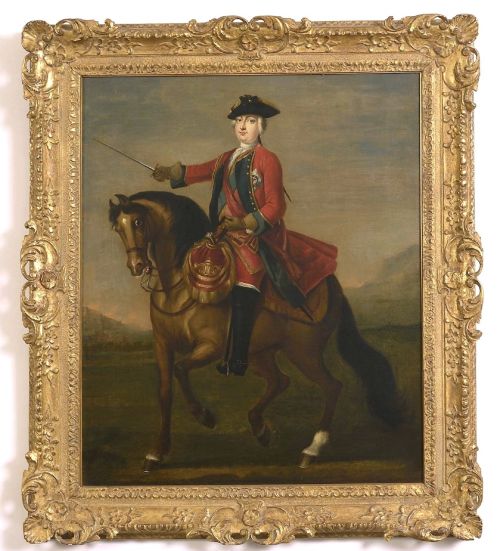
An 18th century officer portrait captures the likeness of military figures in oil or miniature, offering a direct connection to the commanders and regiments of the Georgian era.
18th Century Officer Portrait
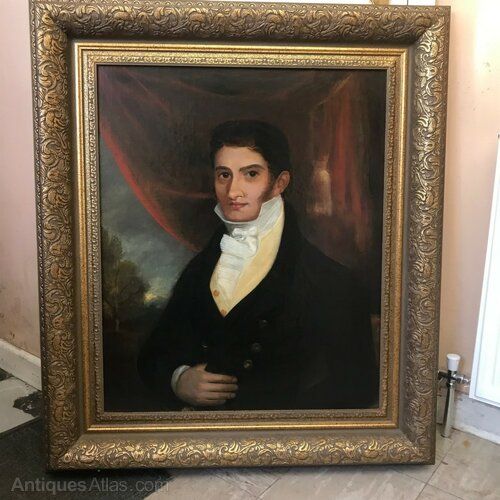
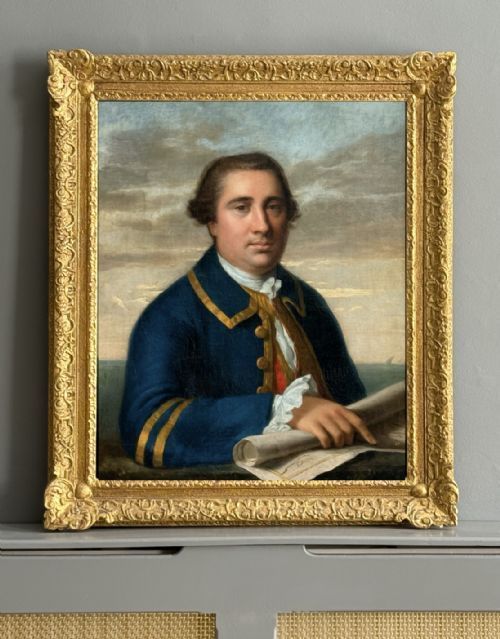
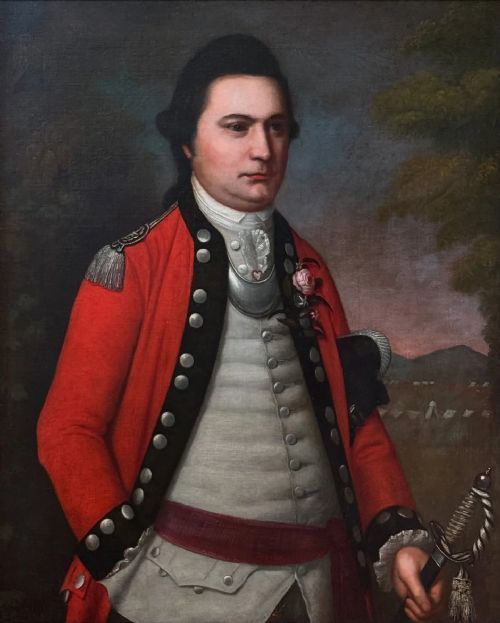
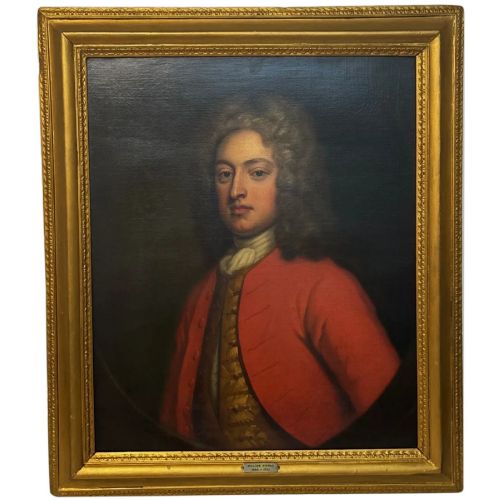
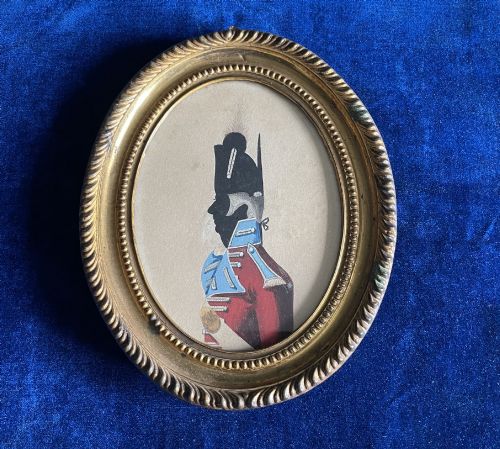
When you search for an 18th century officer portrait, you encounter canvas paintings and small portrait miniatures depicting captains, generals, admirals, and infantry officers. These works span the Georgian and Regency periods, originating from British, French, German, Austrian, and Russian schools.
The subjects appear in uniform, ranging from naval attire and red coat tunics to specific military dress such as busby hats and orders of St. Louis. Many pieces identify the sitter by name and rank, connecting the artwork to historical regiments and campaigns.
Materials and Techniques
Framing forms an integral part of the piece, with many works retained in period giltwood frames or set into gold mountings. Engravings and prints also provide graphic records of naval and military officers from the era.
Several officers deployed to these canvases brought along cymbals and busby hats, proving that military music had serious visual flair.
Assessing Quality and Execution
The standard of an 18th century officer portrait rests upon the precision of the brushwork in the uniform details and the psychological depth captured in the sitter's expression. Works attributed to known portraitists or documented schools display superior handling of light and shadow.
Preservation of the canvas, pigment stability, and the originality of the accompanying period frame influence the standing of the piece within its category.
Lemuel Francis Abbott·Stickland Lowry·Thomas Hudson·Sir Thomas Lawrence·Edward Pugh·Gerrit Schipper·Robert Ker Porter
The 18th Century Officer Portrait Glossary
- Oil on Canvas
- A painting medium where pigments bound in oil are applied to a woven fabric support. This technique allowed artists to achieve rich colour depth and subtle tonal gradations.
- Portrait Miniature
- A small-scale painting designed for intimate viewing or portable display. These works required fine detail work using delicate brush techniques.
- Giltwood
- Wood carved and coated with gold leaf or gold paint. This material is standard for the decorative frames housing period paintings.
- Neoclassical
- An artistic style drawing inspiration from the classical art and culture of ancient Greece and Rome. It influenced portraiture composition and background elements during the period.
18th Century Officer Portrait: Frequently Asked Questions
What uniforms appear in these portraits?
Sitters wear the military and naval dress of their respective regiments, including red coat tunics, naval uniforms with medals, and specialised headwear like busby hats. These details often indicate the specific branch of service and nationality.
Many portraits record specific historical military orders or insignia worn by high-ranking commanders, providing visual evidence of their service during the Georgian and Regency periods.
How do I identify the sitter?
Some pieces include inscriptions on the canvas, stretcher, or frame detailing the name, rank, and regiment of the officer. Biographical details often match historical records from the 18th and early 19th centuries.
When a name is absent, clues reside in uniform styles, campaign dates, and the artistic conventions of the painting school associated with the work.
Where were these portraits displayed?
Officers and their families hung these large oil paintings and small miniatures in country houses, estate drawing rooms, and military residences. They served to document family lineage and military achievement.
Smaller portrait miniatures were often kept as personal mementoes or worn as portable items set in gold frames.
How do I care for an oil painting?
Keep paintings away from direct sunlight and steady fluctuations in temperature and humidity to protect the canvas and oil pigments. Dust the surface gently with a soft, dry brush without applying pressure.
Avoid using liquid cleaners or attempting restoration work without professional conservation guidance.