


Oil Canvas Female Portrait
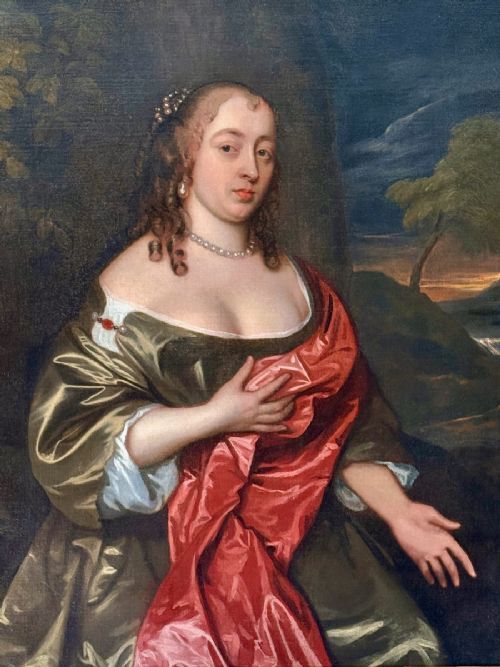
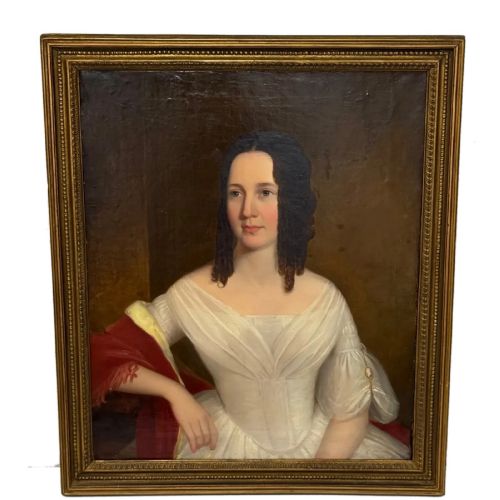
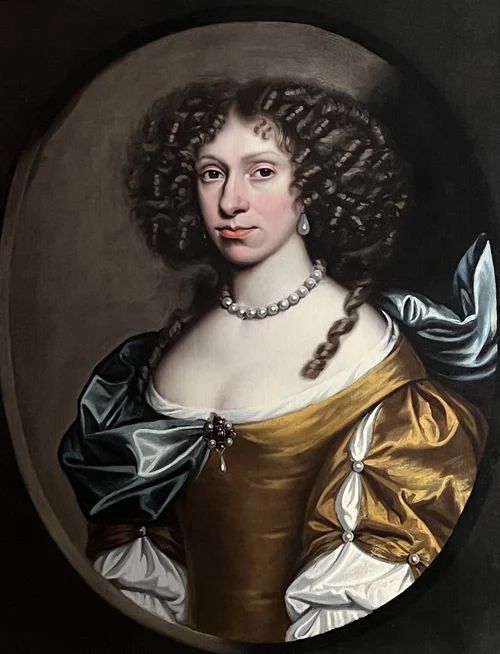
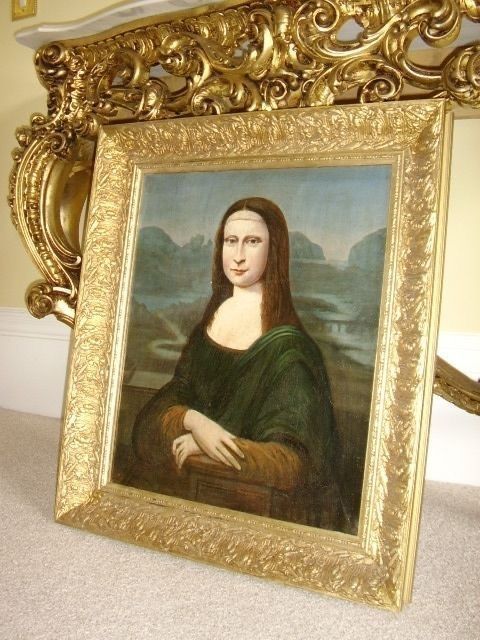
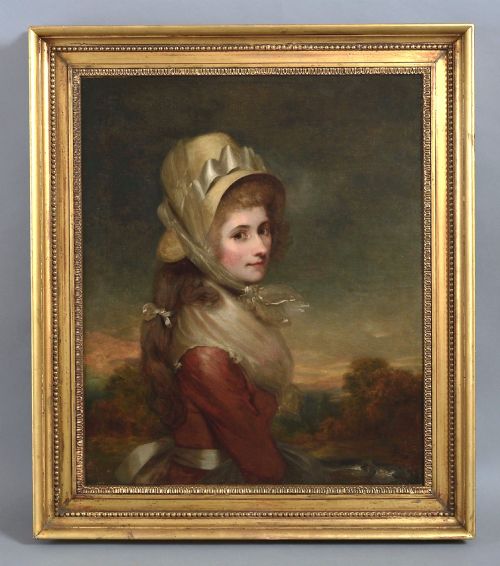
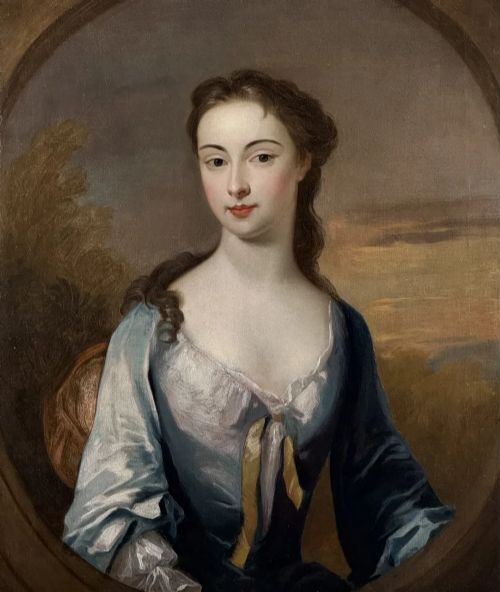
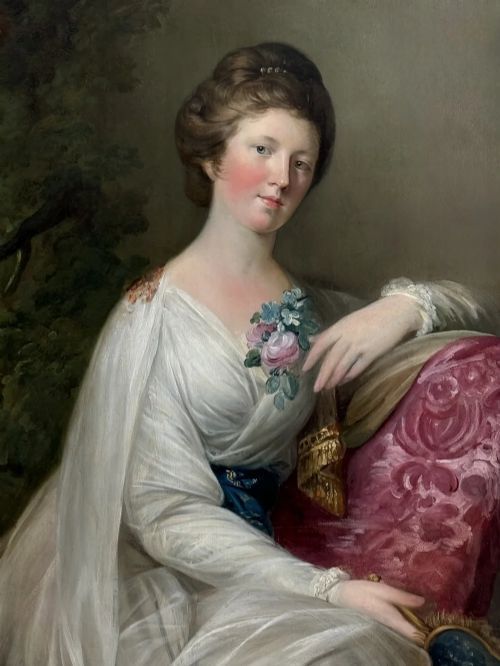
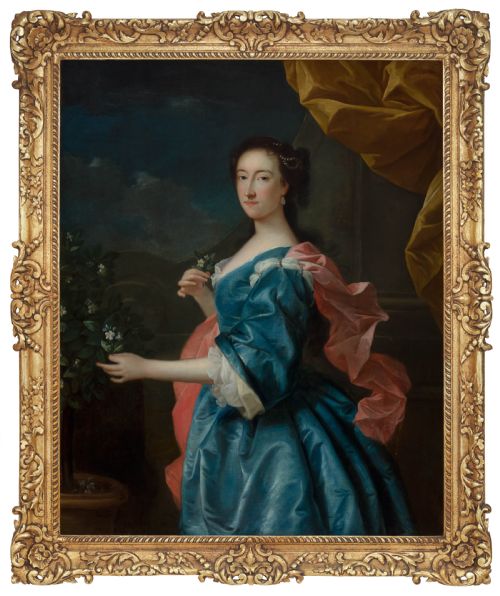
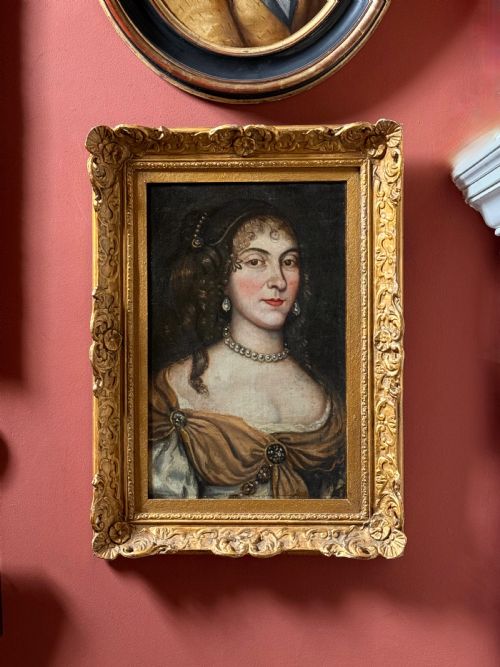
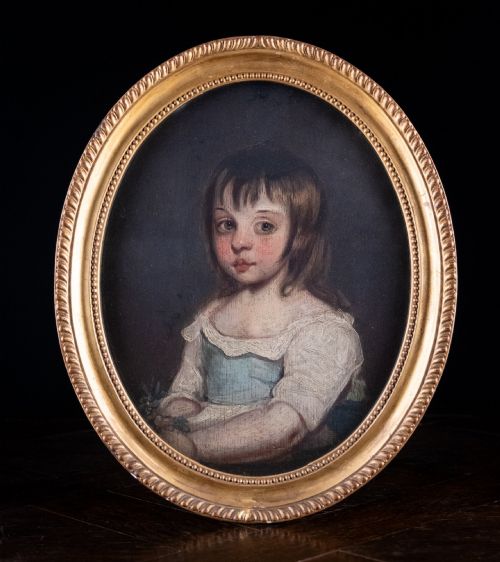
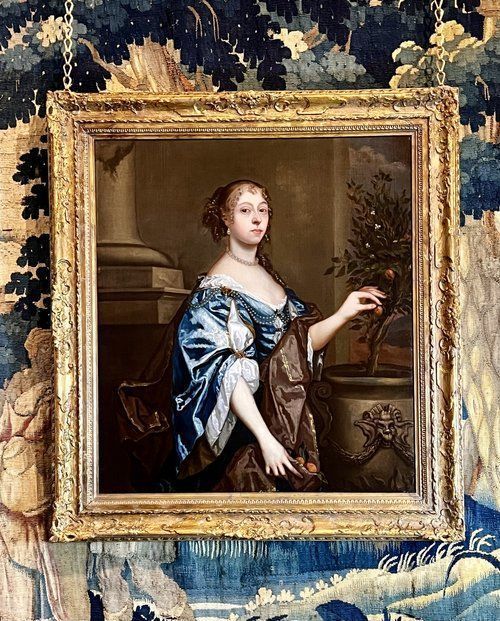
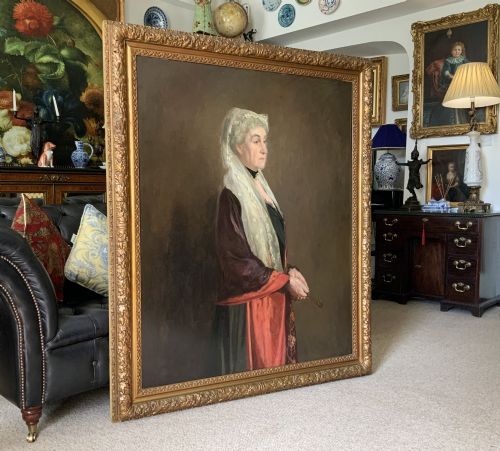
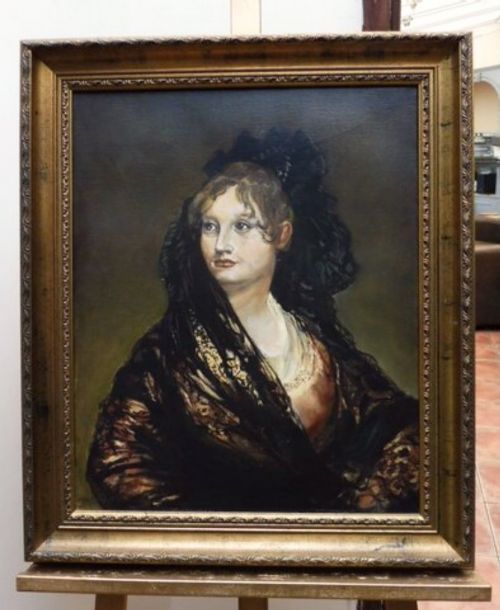
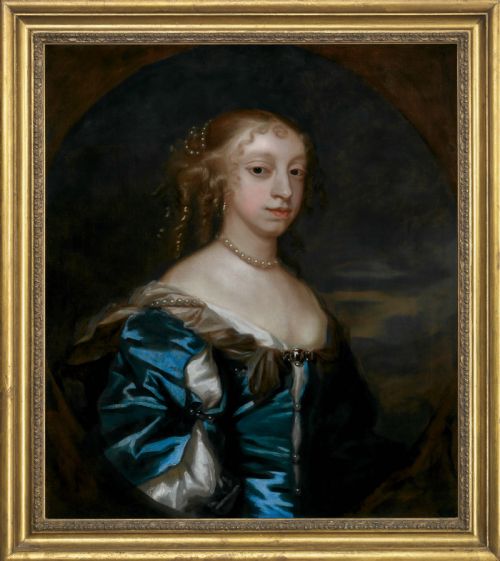
An oil canvas female portrait captures likeness and character across centuries, ranging from seventeenth-century nobility to mid-century studies.
Oil Canvas Female Portrait
An oil canvas female portrait brings historical presence into a room, depicting sitters from nobility to country girls. When searching this phrase, buyers encounter works spanning the seventeenth century through to the mid-twentieth century.
The selection includes formal Georgian depictions, Regency half-lengths, Edwardian canvases, and French School studies. Many pieces preserve identified sitters with documented lineages, while others capture anonymous subjects rendered by regional British and continental hands.
How they were made
These works rely on oil paint applied to stretched canvas, frequently housed within period giltwood frames adorned with gold leaf. Painters built depth through layered glazes and pigments, working under natural studio light.
Earlier examples utilise heavy linen canvases prepared with traditional grounds, whilst later nineteenth and twentieth-century pieces employ commercially prepared supports framed in wood.
Materials recorded across the archive include oil paint, canvas, gold leaf, and carved gilt wood.
What varies in quality
Quality rests in the anatomical precision of the hands and face, the handling of drapery textures, and the psychological depth the artist achieves. Master works convey individual personality and subtle play of light, whereas simpler provincial paintings rely on stiffer convention.
The preservation of the original canvas, minimal intervention by later restorers, and the survival of the contemporary gilt frame elevate the significance of a portrait.
John Hayls·David Scougall·Charles Jervas·George Willison·Jeremiah Davison·Pieter Borsseler·Sir Peter Lely·Thomas Beach·Sir Thomas Lawrence·Sir Allan Ramsay·Robert Byng·John Opie
The Oil Canvas Female Portrait Glossary
- Giltwood
- Wood that has been coated with a thin layer of gold leaf or gold powder. This finish was standard for elite frames intended to complement oil paintings.
- Glaze
- A thin, transparent or semi-transparent layer of oil paint applied over a dry underlayer. This technique deepens colour and luminosity in historical portraits.
- Ground
- The initial layer of size and pigment applied to a raw canvas to prepare it for painting. It seals the fabric and provides a stable working surface.
- Provenance
- The documented history of ownership of an artwork from its creation to the present day. Clear provenance helps verify the identity of sitters and attributions.
Oil Canvas Female Portrait: Frequently Asked Questions
How do I identify the period of a portrait?
Dating relies primarily on the sitter's costume, hairstyle, and framing conventions typical of the era. Examining the canvas preparation and stretcher construction provides further physical clues.
Comparison with documented works by known schools helps narrow the decade of execution.
Are most sitters identified in these paintings?
Many historical portraits retain inscriptions, archival records, or family provenance naming the subject. Others depict anonymous sitters whose identities were lost over centuries.
Anonymous portraits are often catalogued by school and century rather than a specific individual.
How should I hang an oil portrait at home?
Portraits require stable interior humidity and protection from direct sunlight to preserve the oil pigments and canvas. Hanging them at eye level in principal rooms reflects their original domestic placement.
Pairing them with period lighting enhances the depth of the gilt frame and the dark varnishes.
What does studio of mean in an attribution?
Studio works were produced under the direct supervision of a master artist, often utilising assistants to execute secondary elements. These pieces maintain high standards typical of the master's workshop.
Such attributions indicate strong stylistic ties to a documented painter without claiming sole autograph execution.