




Ochre Rural Oil Painting
An ochre rural oil painting captures the quiet tones of the countryside through layered pigments on canvas.
Ochre Rural Oil Painting
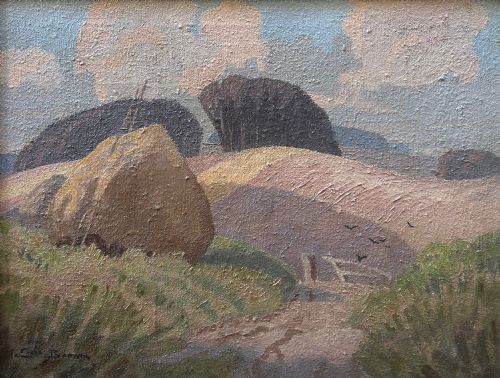
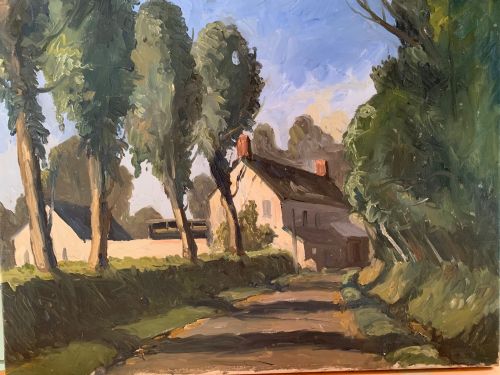
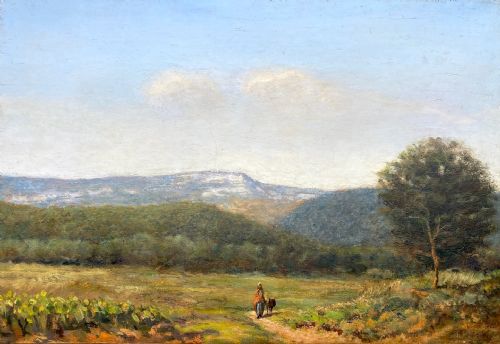
An ochre rural oil painting represents pastoral scenes dominated by earthy yellow, brown, and golden tones. Buyers seeking an ochre rural oil painting will encounter works depicting haystacks, field workers, and countryside paths.
The pieces on this page span from the nineteenth century through the mid-twentieth century, capturing rural life in Britain and France. Common subjects include hayfields, country cliffs, and seasonal landscapes rendered in pastoral styles.
Edwardian pastoral and impressionist canvases form the core of these listings, often framed in wood or fabric. These works reflect the enduring appeal of quiet rural vistas recorded by artists working outdoors.
Materials and methods
These works are executed in oil paint applied to stretched canvas supports. The medium allows for rich texture and deep layering of earthy pigments.
Surviving works are frequently housed in original or period wood frames, occasionally complemented by fabric liners. The combination of canvas and oil provides the durability seen in these nineteenth and twentieth century pieces.
Haystacks appear frequently across these canvases, proving that artists simply could not resist a well-piled field.
Quality variations
The distinction between works rests upon the artist's handling of light and pigment depth across the canvas. Superior examples display confident brushwork that brings immediate atmosphere to the pastoral scene.
Compositional balance and the preservation of the original paint layer distinguish finer canvases from simpler decorative works. The harmony of the earthy palette determines the visual strength of each painting.
Eric Brown·James William Booth·Arthur Winter Shaw·Frederick William Jackson·William Greaves·Francis Wall
The Ochre Rural Oil Painting Glossary
- Canvas
- A heavy woven fabric stretched across a wooden frame to serve as the foundation for oil paintings. It provides a durable surface that accepts layered pigment.
- Impressionism
- A nineteenth century painting style focused on capturing the visual impression of a moment, particularly through shifting light and open brushwork. Artists working in this manner often painted outdoors to record natural scenes.
- Pastoral
- A genre of art depicting rural life, shepherds, fields, and agricultural scenes in an idealized or tranquil manner. These subjects emphasise the peaceful nature of the countryside.
- Ochre
- An earthy pigment ranging from pale yellow to deep brownish-orange, derived from naturally tinted clay. It forms the foundational colour for many rural landscapes.
Ochre Rural Oil Painting: Frequently Asked Questions
What is an ochre rural oil painting?
An ochre rural oil painting is a canvas artwork depicting countryside scenes using earthy yellow and brown pigments. These works typically feature hayfields, pastoral paths, and rural laborers.
They originate from various periods including the nineteenth century, Edwardian era, and mid-century modern movements. The focus remains on natural landscapes rendered in British and French impressionist styles.
How old are these oil paintings?
The paintings listed span from the late nineteenth century through the mid-twentieth century. Dates range from eighteen seventy up to nineteen sixty.
Most pieces date from the early decades of the twentieth century, reflecting pastoral and impressionist traditions. Each dating is supported by stylistic evidence or direct inscriptions on the canvas.
Where were these rural scenes painted?
These landscapes record rural locations across Britain and France, including Yorkshire, Provence, and Brittany. Artists captured specific local landmarks such as hayfields and cliffs.
French works often reflect the influence of continental impressionism in southern regions like the Alpilles. British examples focus on Yorkshire and regional pastoral views.
How should I live with an oil painting?
Oil paintings on canvas require stable indoor environments away from direct sunlight and excessive humidity. Proper framing protects the edges of the canvas from physical damage.
Displaying the work on a secure wall allows the earthy tones and brushwork to be viewed clearly. Regular dusting with a soft, dry cloth preserves the surface of the paint.