




Oak Wooden Barrel
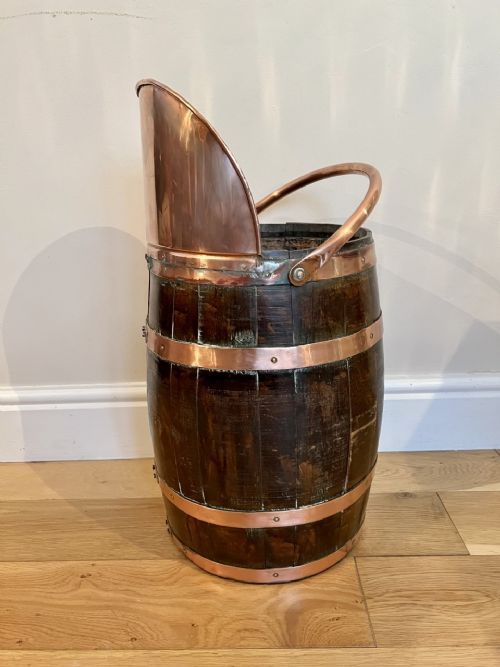
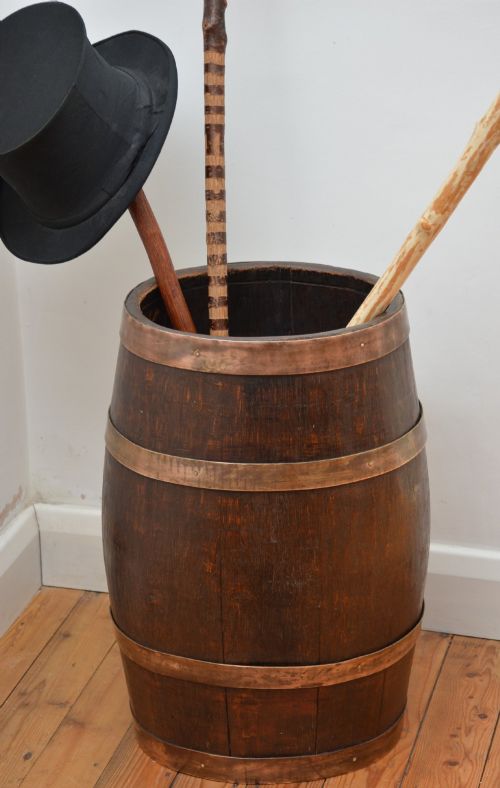
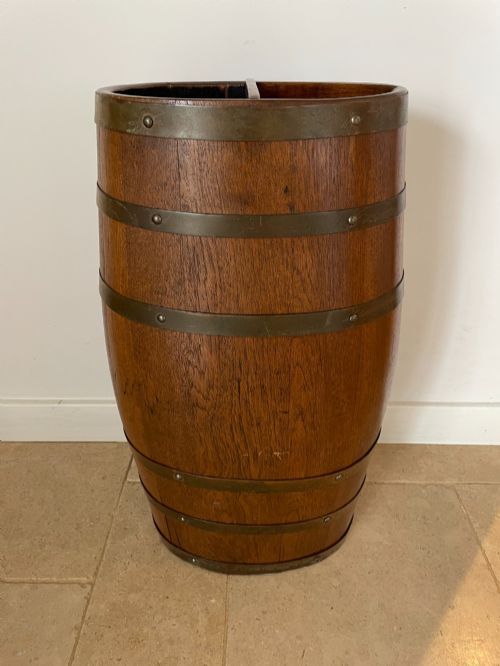
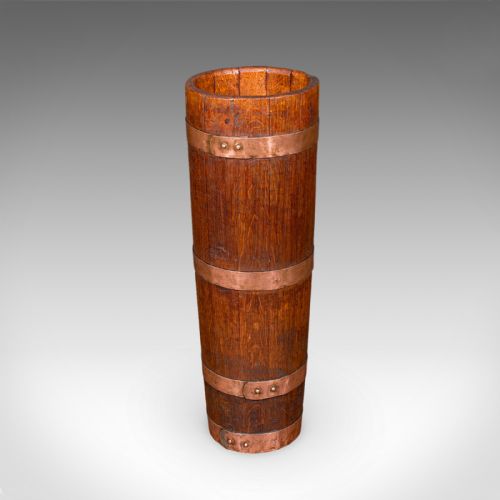
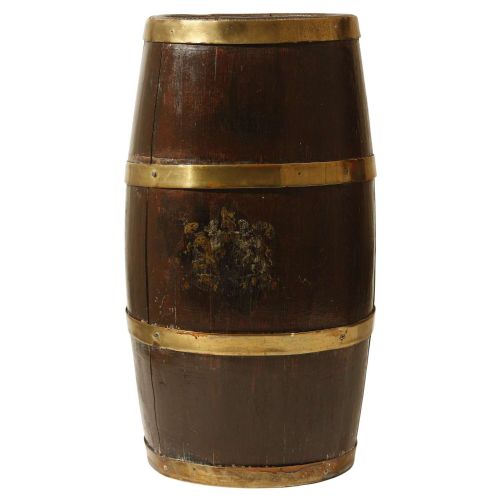
An oak wooden barrel brings sturdy utility and rich grain into a room, serving as a coal bucket, umbrella stand, or biscuit box.
Oak Wooden Barrel
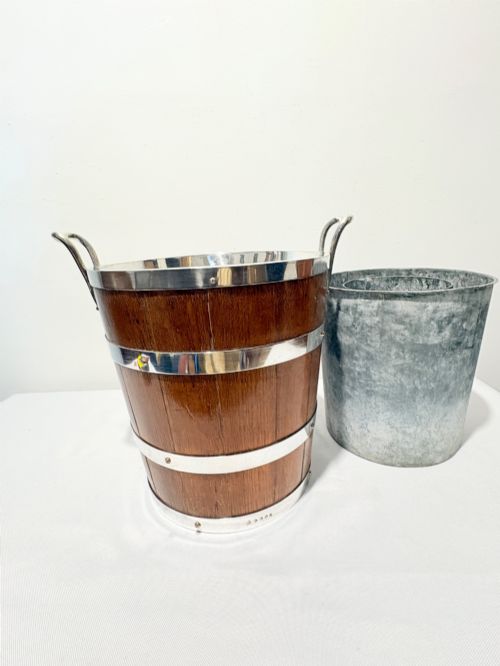
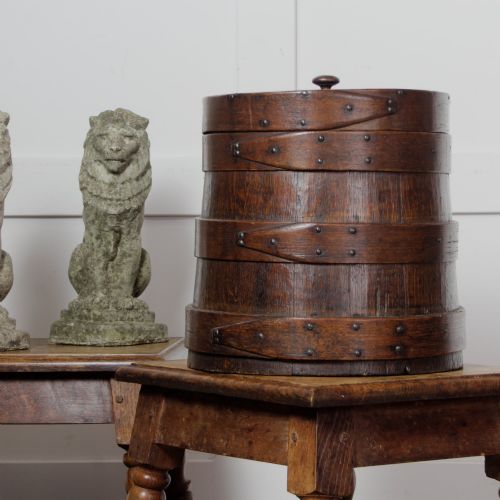
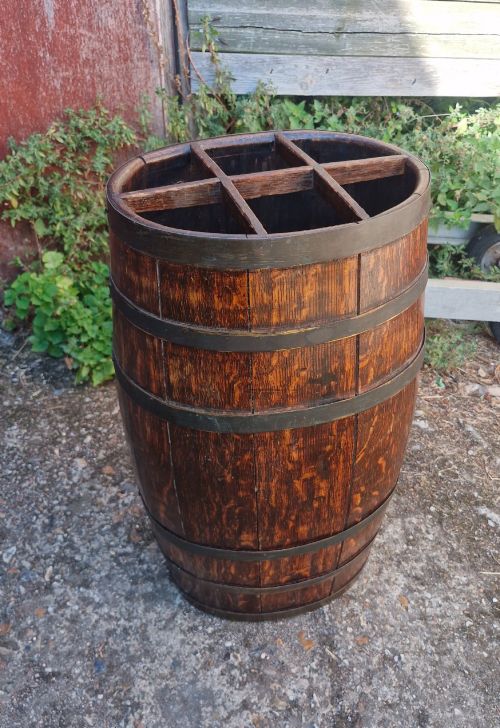
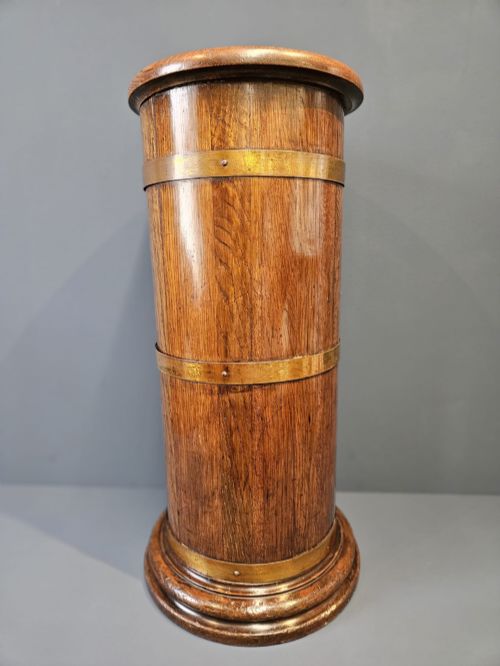
When buyers search for an oak wooden barrel, they encounter vessels adapted for domestic and maritime use across the nineteenth and twentieth centuries. The selection here spans utilitarian storage forms, including umbrella stands, butter barrels, grain bins, and coal buckets.
Domestic hall stands and planters dominate the examples found on this page, reflecting how coopered containers transitioned from service rooms into principal living spaces. These pieces showcase robust oak construction, often fitted with metal mounts for everyday stability.
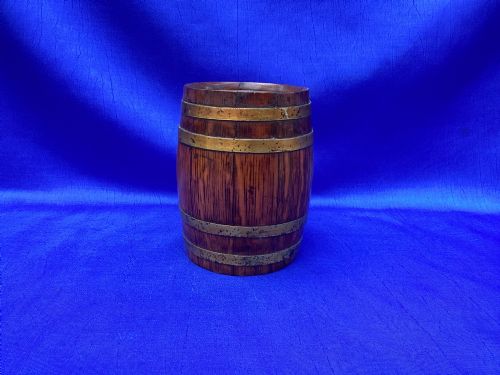
Origins range from English country houses to French maritime settings and Dutch households, demonstrating diverse regional interpretations of stave construction. Whether configured as a money box or a bar top sherry cask, each item retains the distinct silhouette of traditional coopering.
Materials and Technique
Staves of seasoned oak form the structural body of these vessels, shaped individually by hand or machine to curve tightly inward toward the ends. Craftsmen arrange these vertical wooden staves around a circular base, locking the assembly into place with tension.
Metal bands in brass, copper, or iron bind the oak staves together securely, absorbing the outward pressure exerted by the wood and the contents. These mounts frequently feature riveted joints and decorative brass braces that contrast against the warm tone of the timber.
One Edwardian container secretly guards your savings as an oak barrel money box.
Judging Quality
The standard of a coopered vessel rests upon the precision of the stave joints and the snug fit of the metal bands. Pieces constructed with tightly fitted, uniform oak staves maintain structural integrity better than those showing shrinkage or loose bindings.
Hardware selection marks the difference between basic utilitarian containers and finer domestic furnishings. Original brass or copper braces, intact handles, and clean interior surfaces elevate the status of an object from simple workshop tool to considered parlour accessory.
Lister and Co
The Oak Wooden Barrel Glossary
- Coopered
- A method of construction using narrow wooden staves bound together with metal hoops to form a watertight or sturdy vessel.
- Stave
- One of the narrow, shaped strips of oak that form the sides of a barrel or bucket.
- Jardiniere
- An ornamental ceramic or metal-lined pot, often housed inside a coopered oak stand for holding indoor plants.
- Coal hod
- A specialised container used for storing and carrying household coal by the hearth.
Oak Wooden Barrel: Frequently Asked Questions
What were oak wooden barrels used for?
These vessels served diverse roles ranging from storing grain, butter, and grog to holding coal by the hearth.
In domestic settings, smaller iterations functioned as biscuit boxes, ice buckets, and money boxes, while larger examples gathered walking sticks and umbrellas in entrance halls.
How do I date an oak barrel?
Dating relies upon examining the metal mounts, construction marks, and overall styling relative to documented periods like the Victorian and Edwardian eras.
Hand-beaten copper bands and heavy brass braces often indicate earlier nineteenth-century origins, whereas machine-cut elements point toward later production.
Are brass bound barrels waterproof?
Many original coopered items were designed to hold liquids or damp items like umbrellas and plants, utilising tight stave joints to seal the interior.
Over time, wood shrinkage can occur in dry modern environments, so checking for a metal or ceramic liner is wise if moisture retention is required.
How do I clean and maintain an oak barrel?
Maintenance requires preserving the natural moisture of the oak timber by applying a suitable wax polish rather than harsh liquid cleaners.
Metal bands benefit from gentle dusting to prevent tarnishing, keeping the contrast between the polished brass or copper and the dark oak grain sharp.