
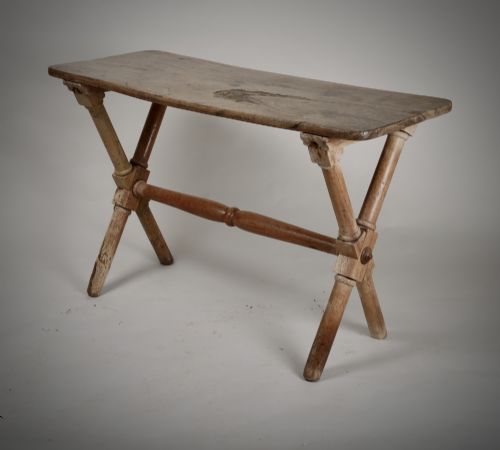
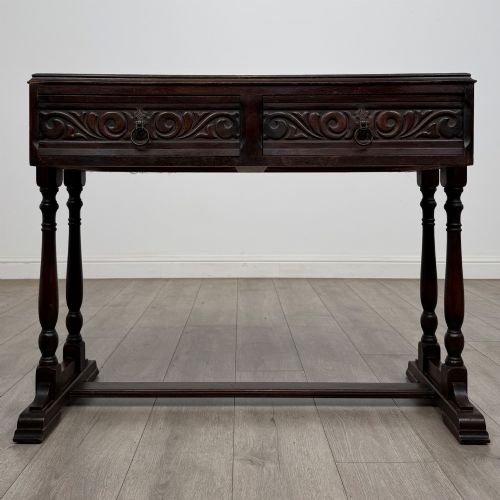

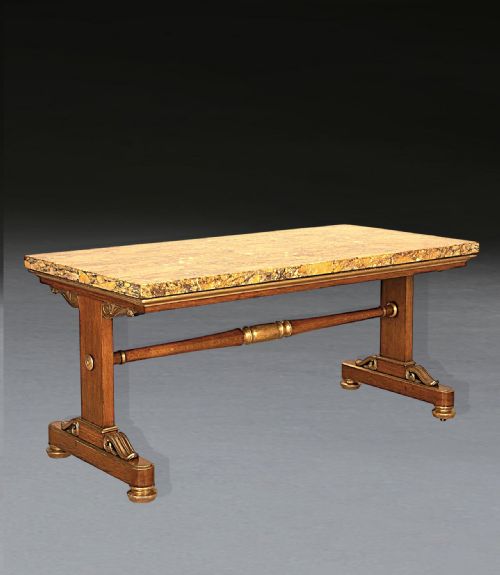

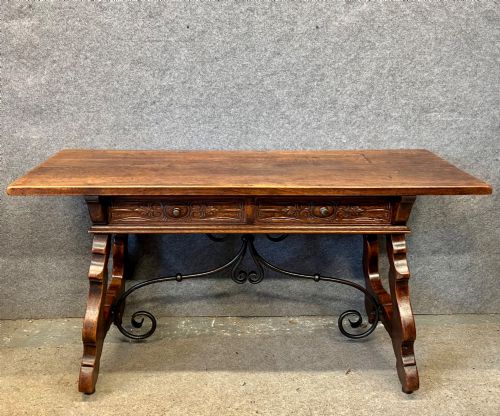


Oak Trestle Side Table
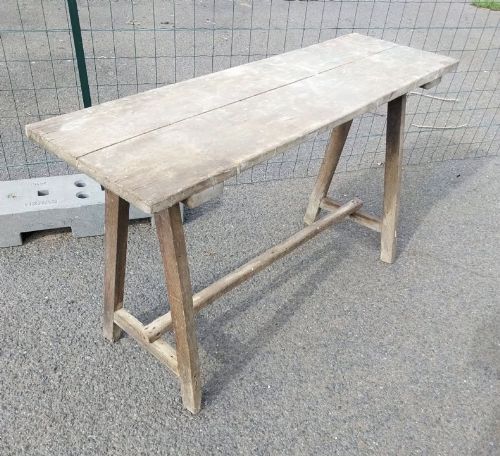
An oak trestle side table brings robust joinery and honest timber into a room, offering a sturdy surface grounded in centuries of vernacular design.
Oak Trestle Side Table
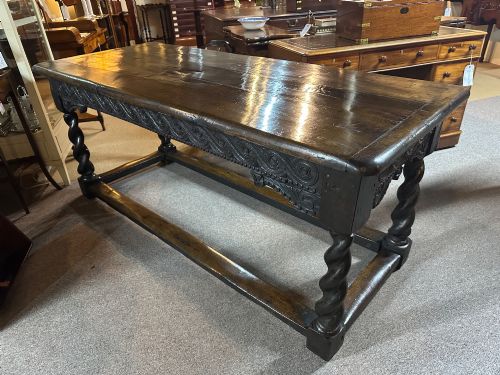
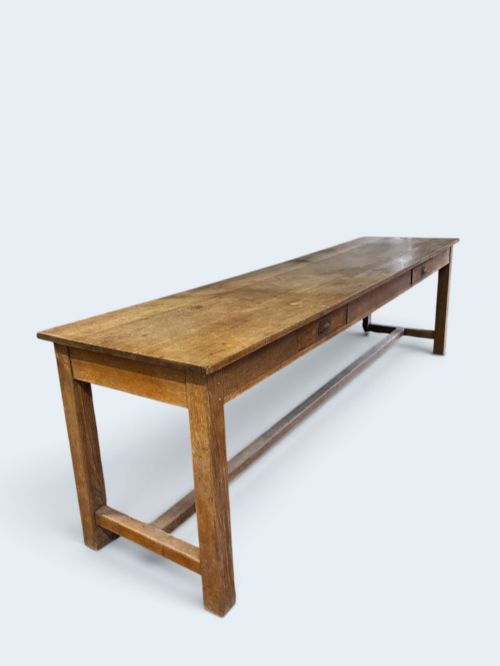
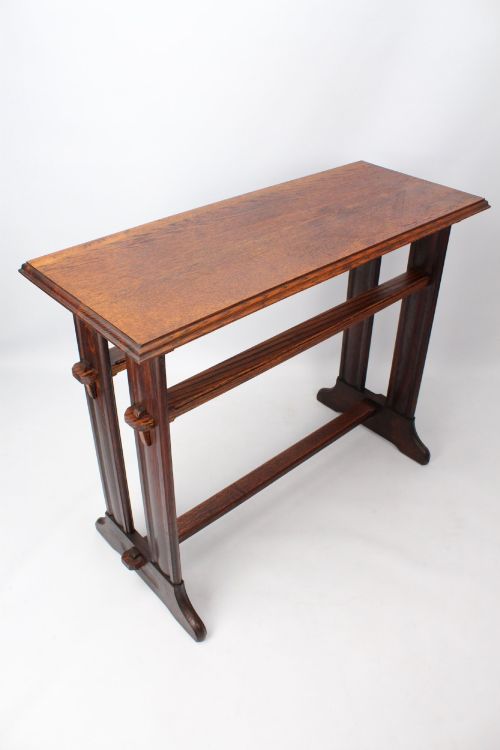
An oak trestle side table combines solid timber construction with characteristic trestle supports, forming a sturdy surface suited to varied domestic rooms. When exploring an oak trestle side table, buyers encounter examples stretching from the seventeenth century through to the Edwardian period and the early twentieth century.
The selection ranges from French bleached trestle tables to Spanish rustic oak variants and Arts and Crafts creations. These pieces frequently overlap in form with console tables, refectory tables, and serving tables found across the listings.
Makers and workshops across continental Europe and Britain produced these items in styles spanning Gothic Revival, Jacobean Revival, and rustic country. The variety reflects a persistent demand for sturdy timber furniture with structural leg supports rather than four simple vertical legs.
Materials and construction
Construction relies heavily on solid oak, frequently complemented by secondary timbers and decorative accents of pollard oak, walnut, fruitwood, and ebony. Metal elements such as brass, iron, and wrought iron appear in mounts, brackets, and underframe bracing.
Joinery methods prioritize visible strength, utilising pegged mortise and tenon joints to secure the heavy tops to sturdy trestle bases. Surfaces are often left with a natural, bleached, or lightly carved finish that highlights the dense grain of the timber.
Tables doubling as ships gallery tables prove that dry land was occasionally optional for fine oak joinery.
Distinctions in quality
Quality in these pieces rests upon the selection of timber and the integrity of the structural joinery within the trestle base. Superior examples display dense, well-figured oak with minimal modern intervention, whereas lesser items may show unsympathetic timber replacement or compromised stability in the underframe.
The sophistication of hand-carved detailing and the balance of proportions distinguish standard utility furniture from finer stylistic expressions such as Gothic Revival or Arts and Crafts pieces. Original surface patination and honest wear through centuries of use further separate exceptional survivors from heavily restored examples.
Howard & Sons·Charles Bevan
The Oak Trestle Side Table Glossary
- Trestle
- A structural support consisting of a horizontal beam fixed to two splayed legs. This design provides robust load-bearing capability without corner legs obstructing seating.
- Pollard oak
- Timber harvested from trees that have been pollarded, producing a highly figured grain with dense clusters of small knots. Cabinet makers prized this wood for decorative veneering on refined writing tables.
- Gothic Revival
- An architectural and decorative style drawing on medieval forms, featuring pointed arches, tracery, and heavy carved mouldings. It appears frequently on nineteenth-century tables and underframes.
- Refectory table
- A long, narrow dining or serving table historically used in monastic dining halls. These pieces are characterised by substantial length and strong longitudinal stretchers.
Oak Trestle Side Table: Frequently Asked Questions
How do I care for antique oak timber?
Antique oak benefits from simple dusting with a dry, soft cloth and occasional treatment with traditional beeswax to nourish the dry timber. Avoid placing these tables near direct heat sources or in areas of high humidity to prevent splitting.
Proper maintenance preserves the natural patination acquired over centuries of domestic use.
Are these tables suitable for daily use?
Solid oak trestle tables are inherently robust and designed for practical utility, making them durable surfaces for everyday placement in hallways, dining rooms, or studies. Their sturdy underframes easily support daily loads without wobbling.
Care should be taken to use coasters or mats to protect historic wooden surfaces from moisture and heat rings.
How can I tell the period of a table?
Dating relies on observing construction techniques, tool marks, timber characteristics, and stylistic details such as Gothic Revival tracery or Arts and Crafts simplicity. Earlier pieces from the seventeenth century often show hand-riven timber and pegged joinery, while twentieth-century examples display more uniform milling.
Comparing the hardware, secondary woods, and overall proportions against known period exemplars helps confirm the age.