

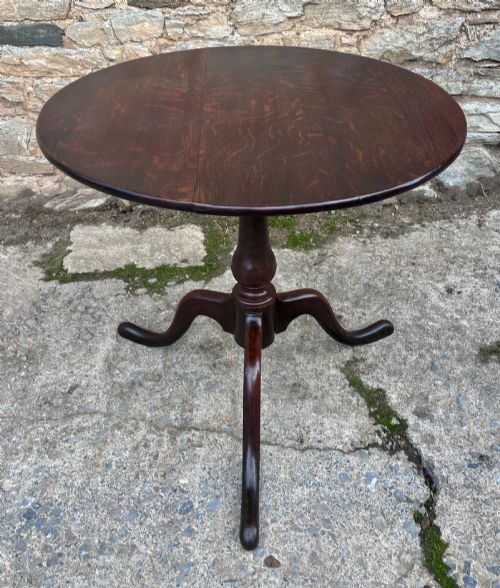
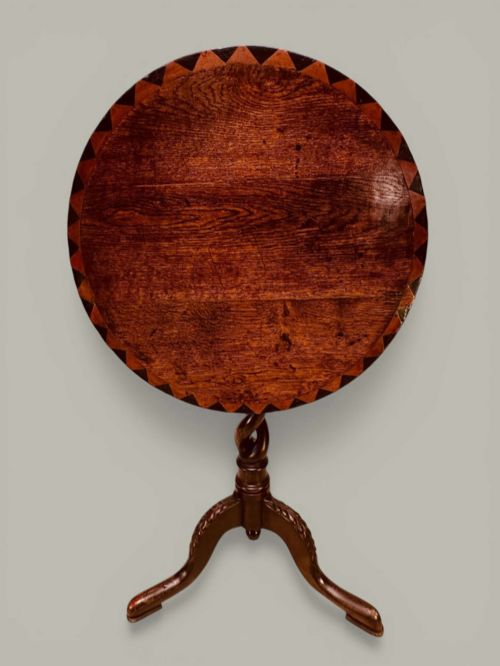
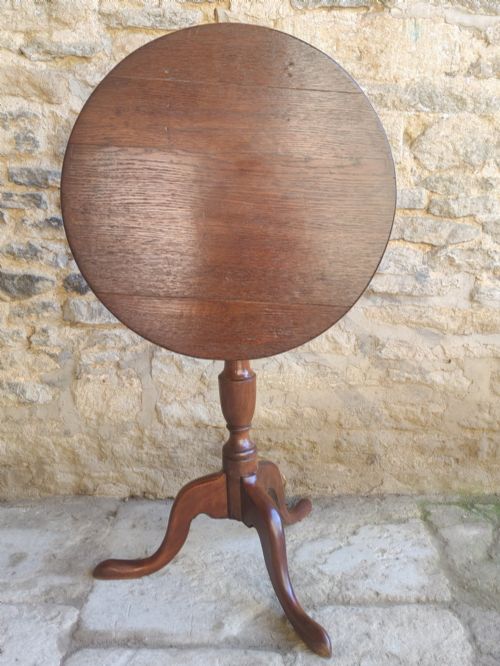
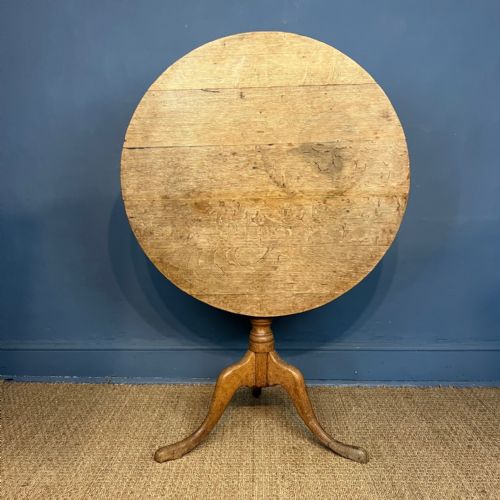

Oak Tilt Top Occasional Table
An oak tilt top occasional table brings compact warmth and clever pivoting utility to any corner of a room.
Oak Tilt Top Occasional Table
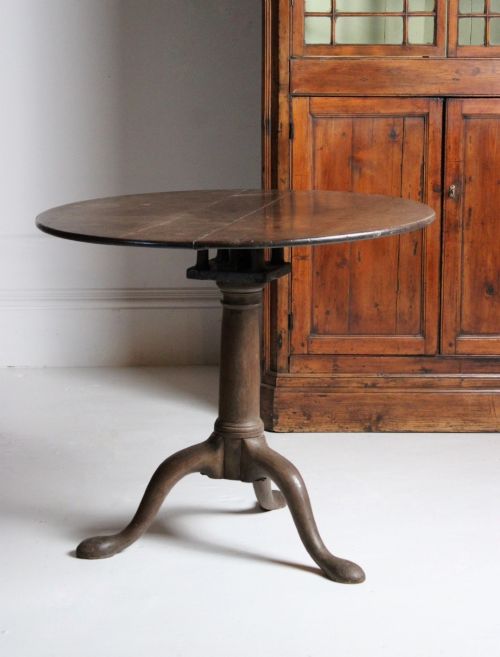
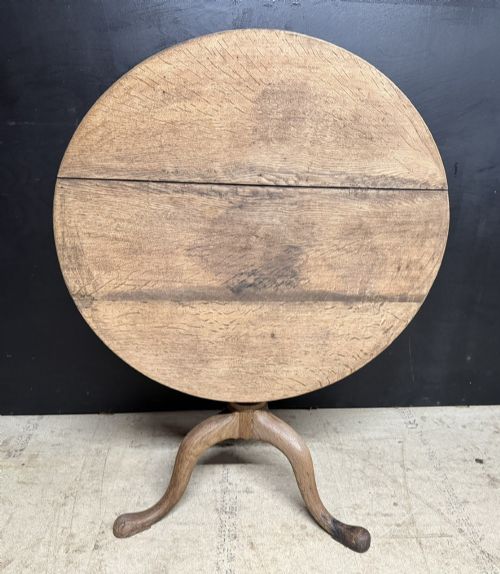
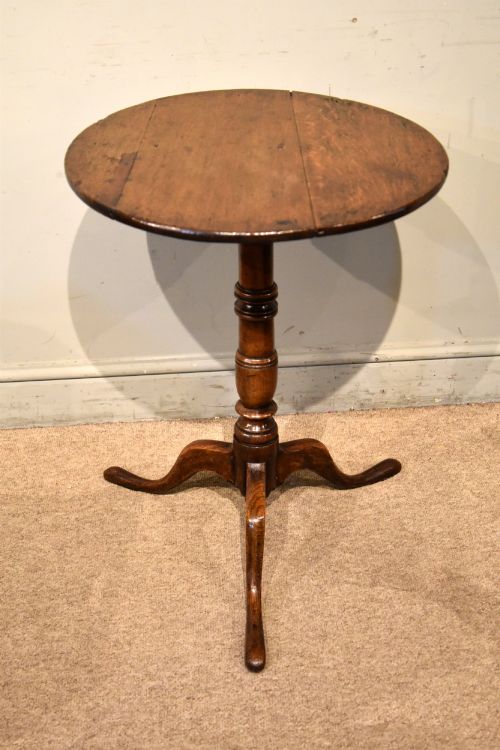
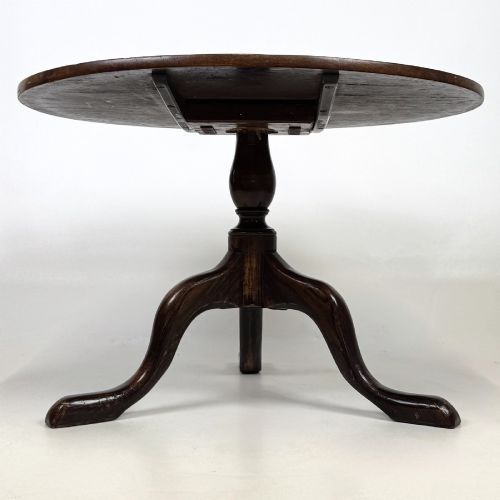
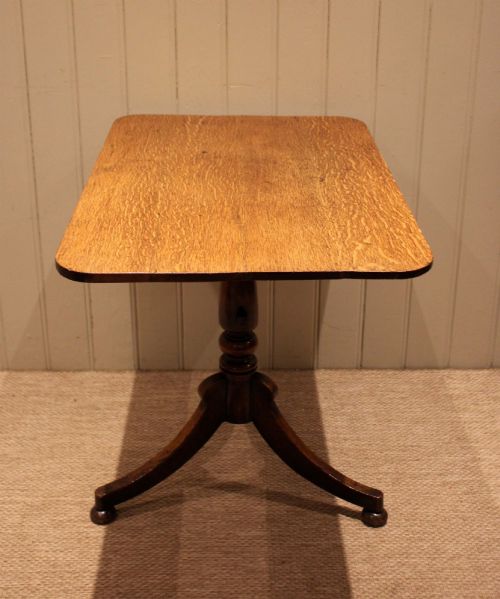
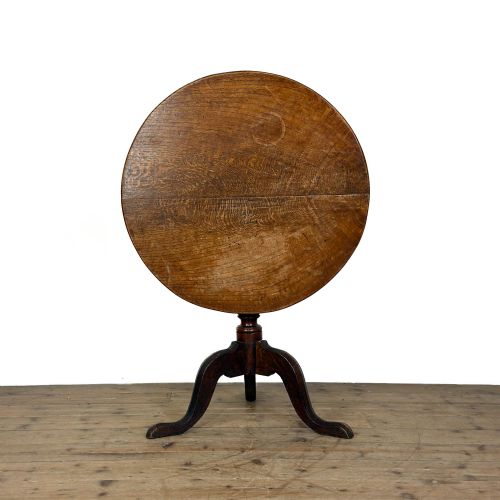
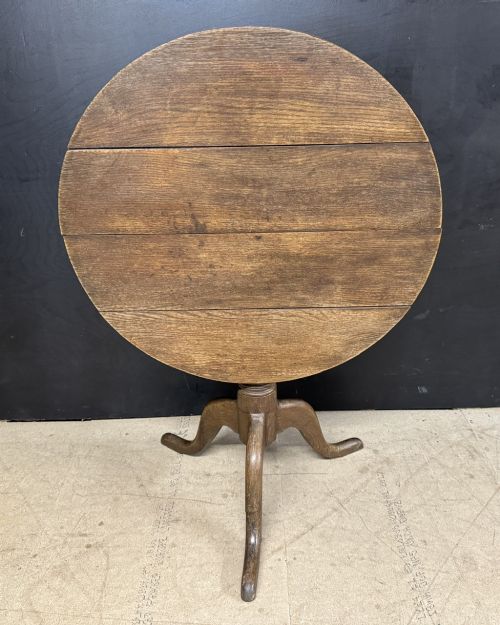
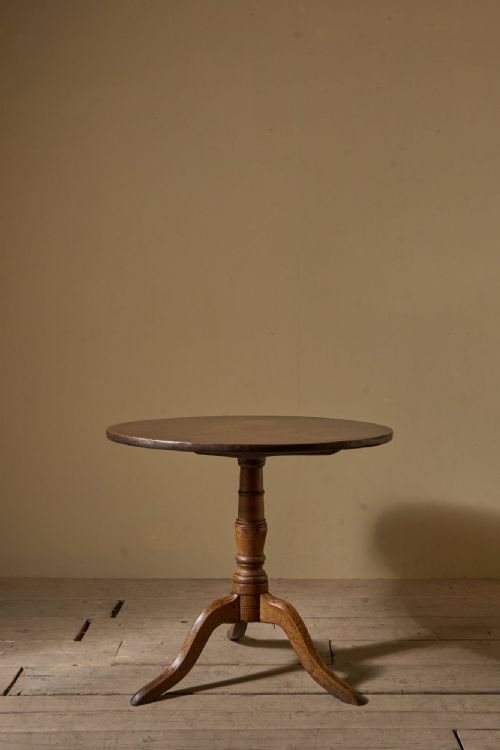
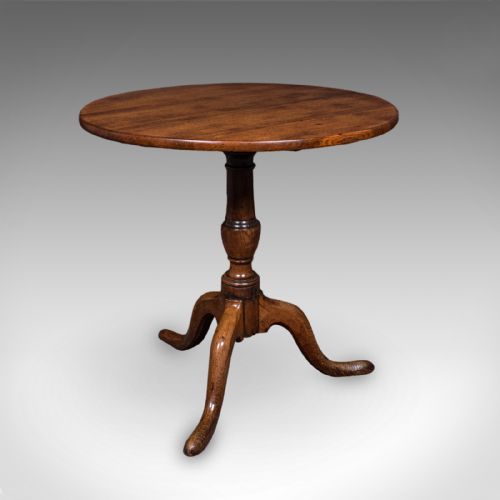
An oak tilt top occasional table serves as a versatile piece of furniture designed for flexible placement and daily use around the home. When you search for this phrase, you encounter compact circular or rectangular surfaces supported by central pillars and tripod feet, with tops that pivot vertically for storage against a wall.
The pieces on this page span several eras including the eighteenth century, Georgian period, Regency, and Victorian times. Most examples you meet are vernacular or country house pieces made from sturdy native timber rather than formal grand furniture.
Makers often fashioned these items to function as wine tables, supper tables, or small lamp stands. Alongside standard three-legged designs, related forms include metamorphic fire screen tables and low occasional proportions.
Distinctions in craftsmanship and design
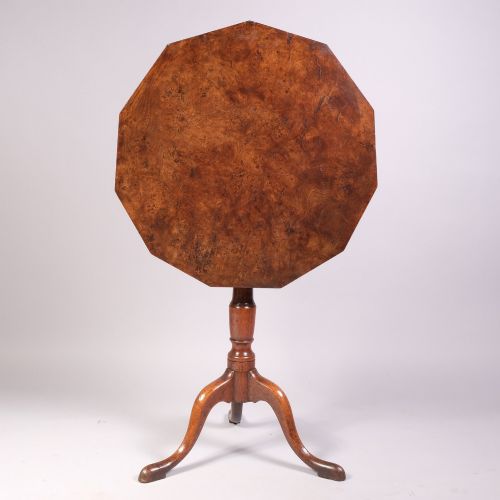
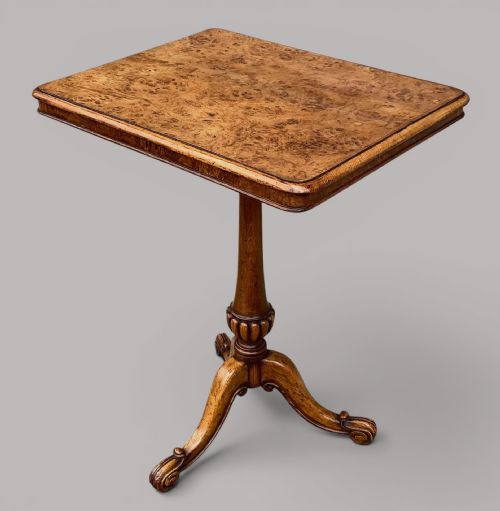
The refinement of the turning on the central pillar and the elegance of the sweeping tripod legs separate standard utilitarian pieces from more accomplished examples. Finely figured burr timber tops and crisp carving details indicate a higher standard of original workshop production.
Proportions also dictate the character of the piece, with well-balanced heights and stable pivoting mechanisms showing superior original construction. Alterations or replacements to the catch mechanism or legs affect the integrity of the table.
Oak Tilt Top Occasional Table Retail Price Guide 2026
Typical asking prices for oak tilt top occasional table among the pieces listed under this phrase on Sellingantiques today, from the lower quarter to the upper quarter. They describe what is for sale here now, not the wider market.
Listings here feature pieces constructed from oak, burr oak, beech, yew wood, and mahogany, spanning the Georgian, Regency, and Victorian periods.
The Oak Tilt Top Occasional Table Glossary
- Tilt top
- A tabletop mounted on a pivot mechanism that allows the surface to turn vertically against the central column when not in use. This clever design saved valuable floor space in historical rooms.
- Tripod table
- A small freestanding table supported by a central pillar resting on three spreading feet. This configuration ensured stability on uneven historical floors.
- Vernacular
- Furniture made by local country craftsmen using regional traditions rather than following strict metropolitan design books. These pieces prioritise honest utility and sturdy native materials.
- Snaptop table
- An alternative historical term for a table with a hinged top that snaps or locks securely into a horizontal position. It describes the exact same pivoting function as a tilt top.
- Metamorphic
- Furniture designed to transform into more than one type of object, such as a table that doubles as a fire screen. These clever dual-purpose items served specific needs in Victorian parlours.
Oak Tilt Top Occasional Table: Frequently Asked Questions
What is an oak tilt top occasional table used for?
These compact tables functioned historically as movable surfaces for drinking wine, eating light suppers, or holding lamps in sitting rooms.
Today, they serve equally well beside a favourite armchair or in a narrow hallway where surface space is limited.
How do you operate the tilt mechanism?
A wooden or brass catch beneath the tabletop releases the pivot, allowing the surface to swing from horizontal to vertical.
When returned to the flat position, the catch secures the top firmly back onto the central pillar block.
How can you tell an eighteenth-century table from a Victorian one?
Eighteenth-century and Georgian examples typically feature simpler vernacular construction, pegged joints, and heavier native oak boards with rich patination.
Victorian pieces occasionally introduce decorative carving, parquetry, or unusual formats like metamorphic fire screens and zodiac motifs.
Are all these tables circular?
While the round top supported by three tripod legs is the most common form, rectangular and square tops also appear in the selection.
Variations include low occasional heights, miniature wine tables, and occasional tables with specialised parlour uses.