

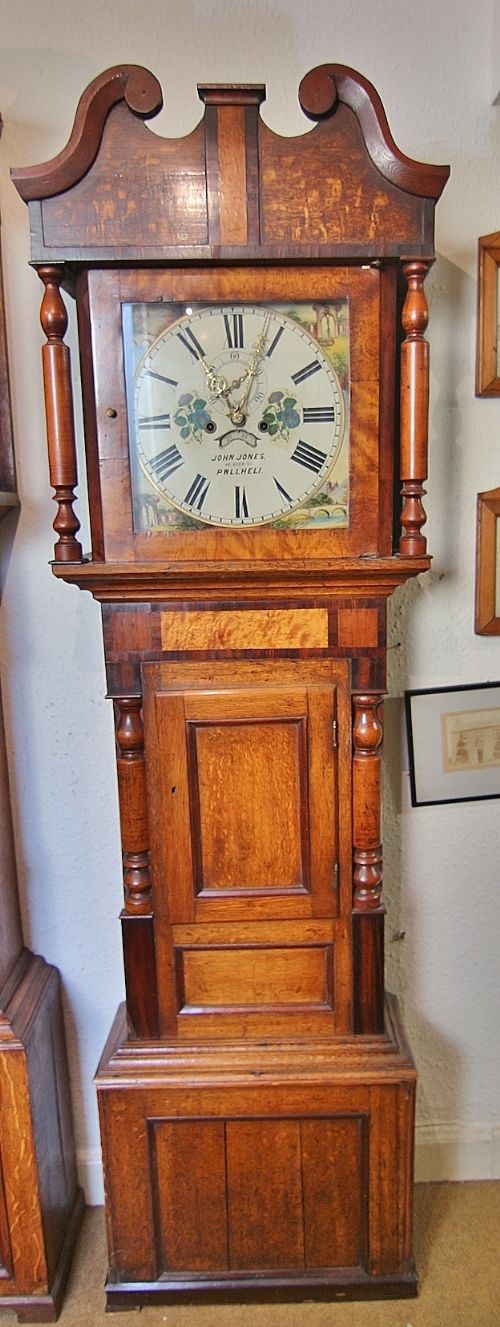
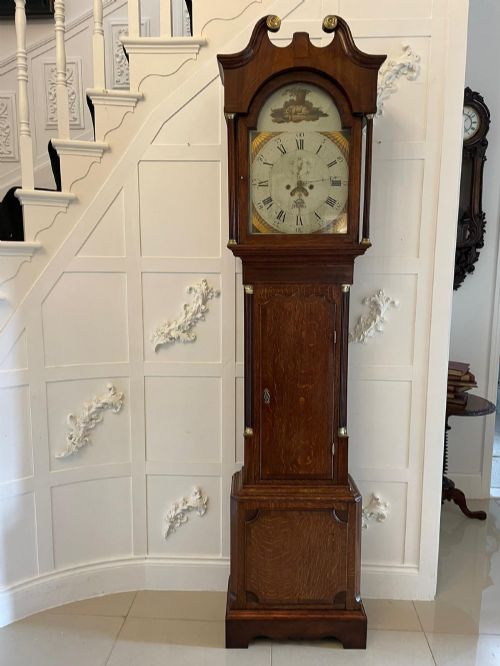
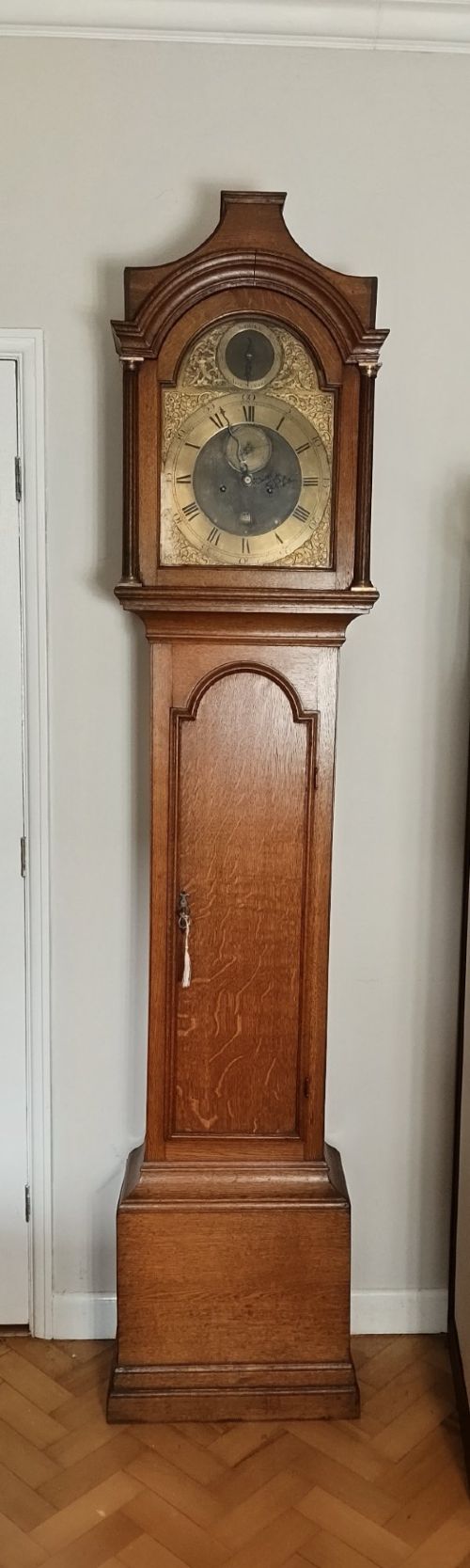
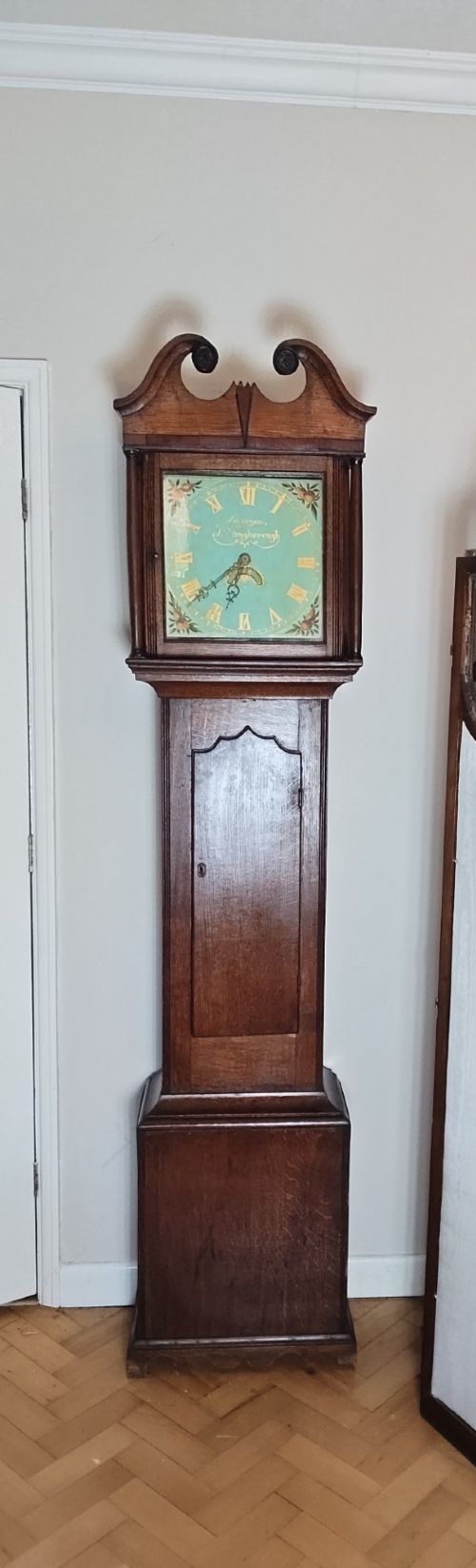
Oak Tall Clock
An oak tall clock brings the steady rhythm of past centuries into a room, combining architectural presence with mechanical artistry.
Oak Tall Clock
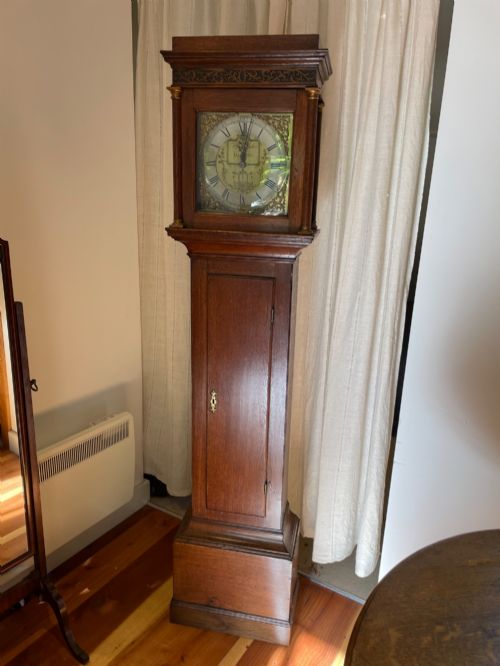
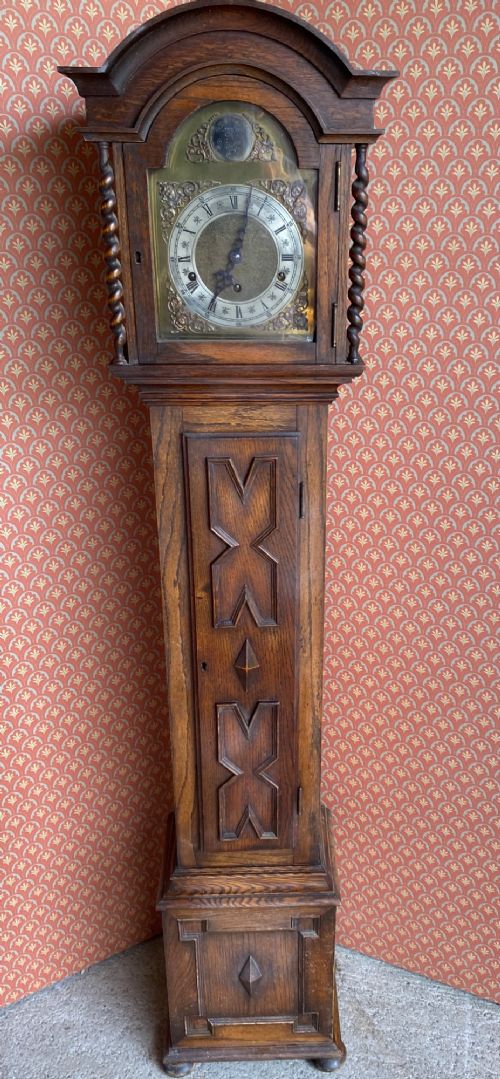
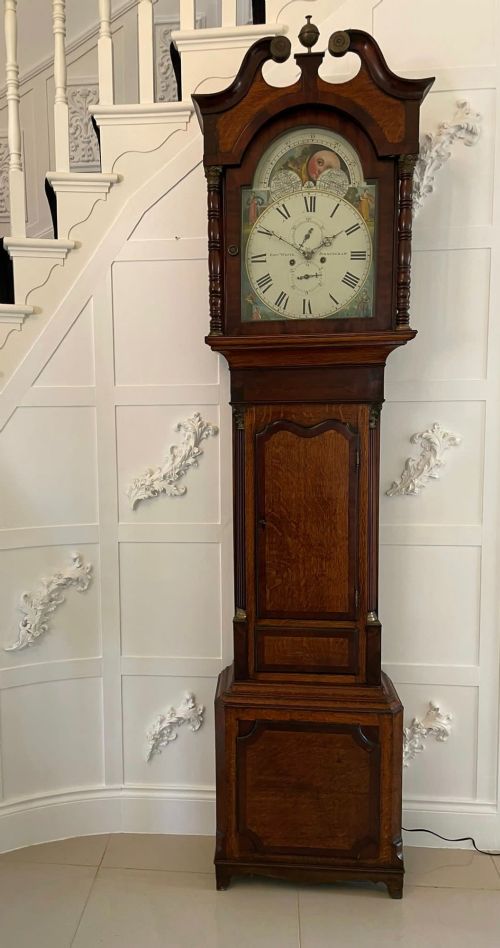
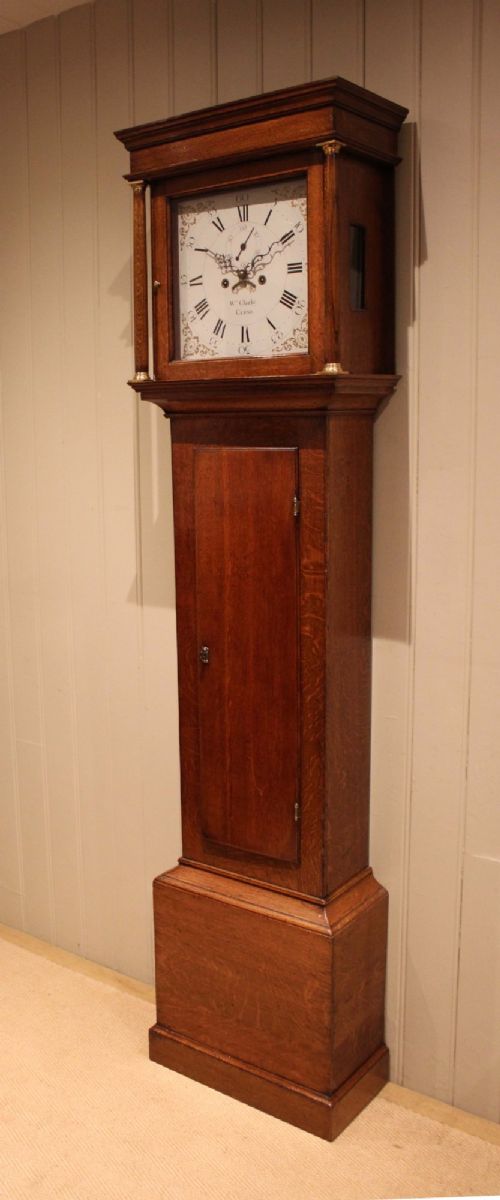
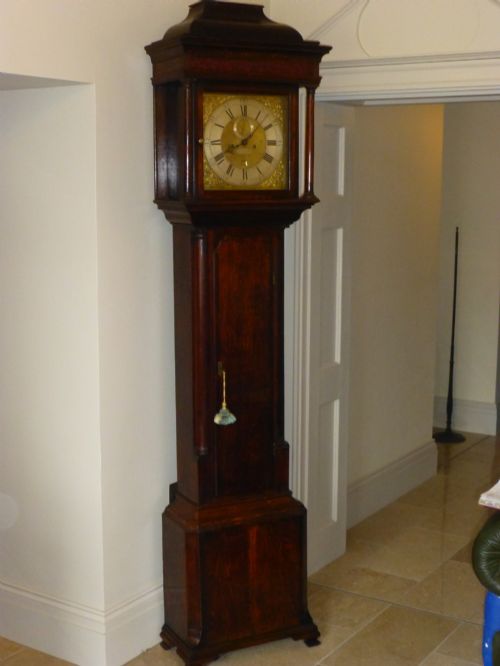
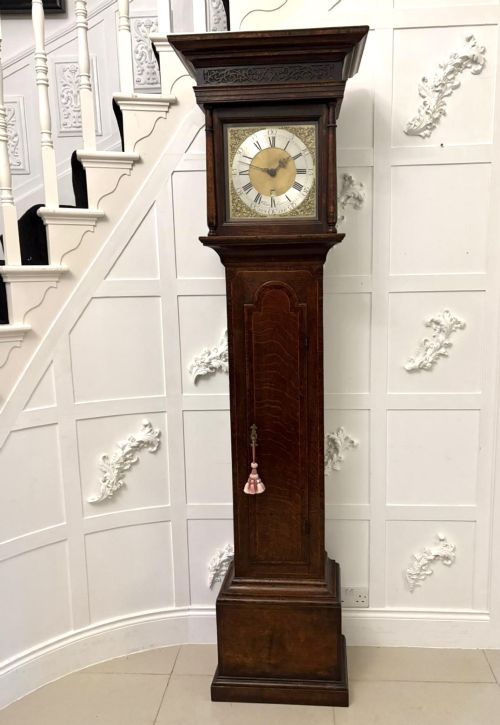
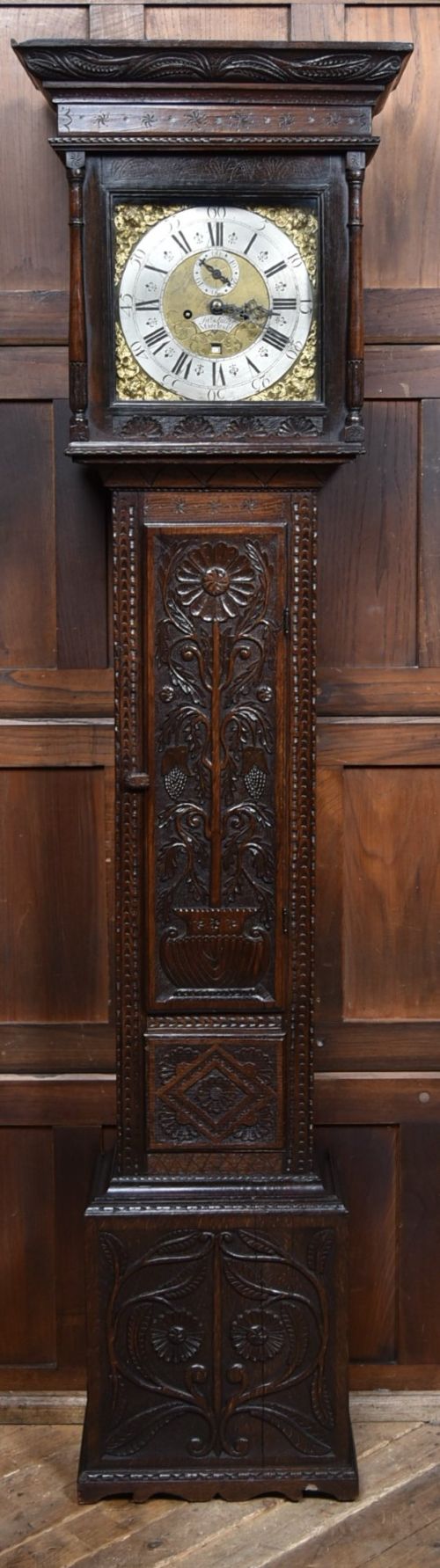
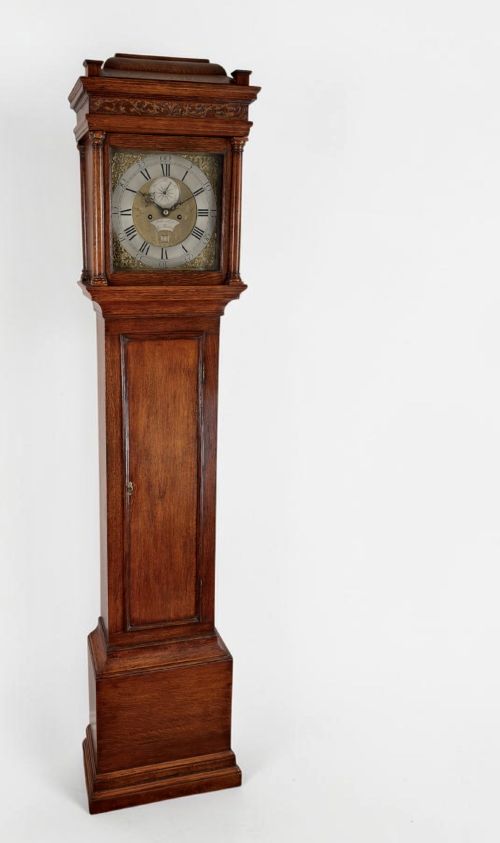
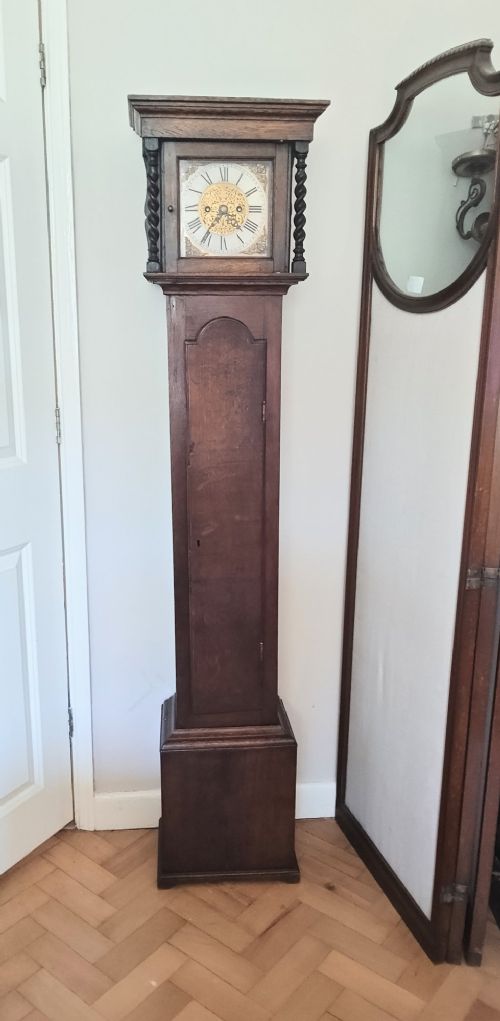
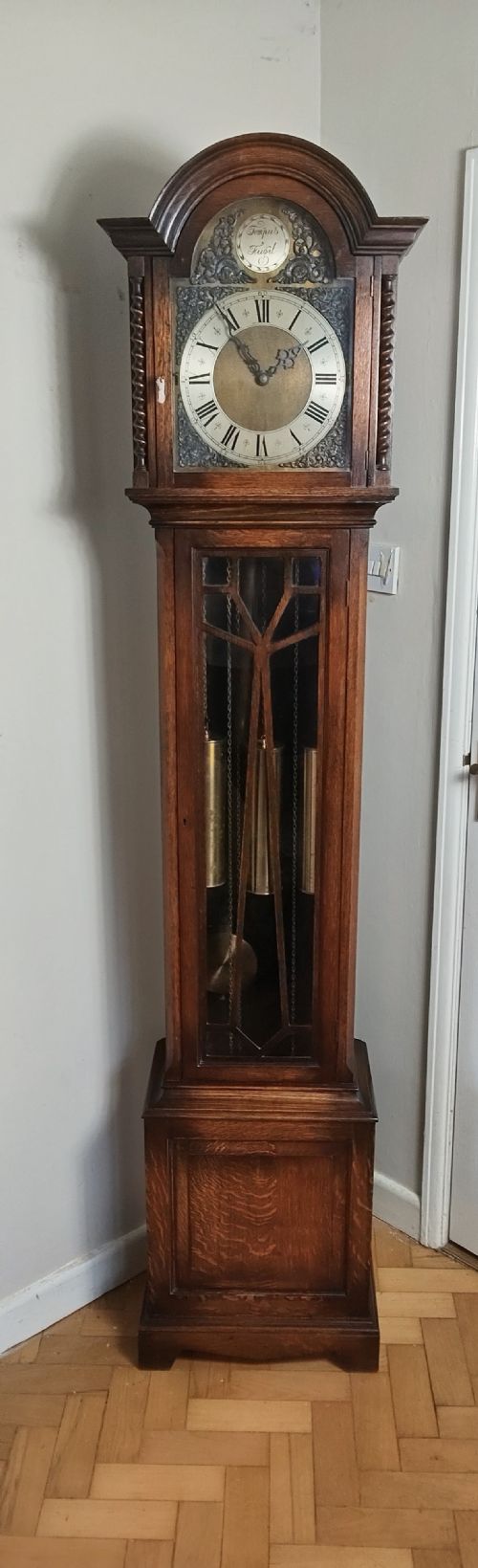
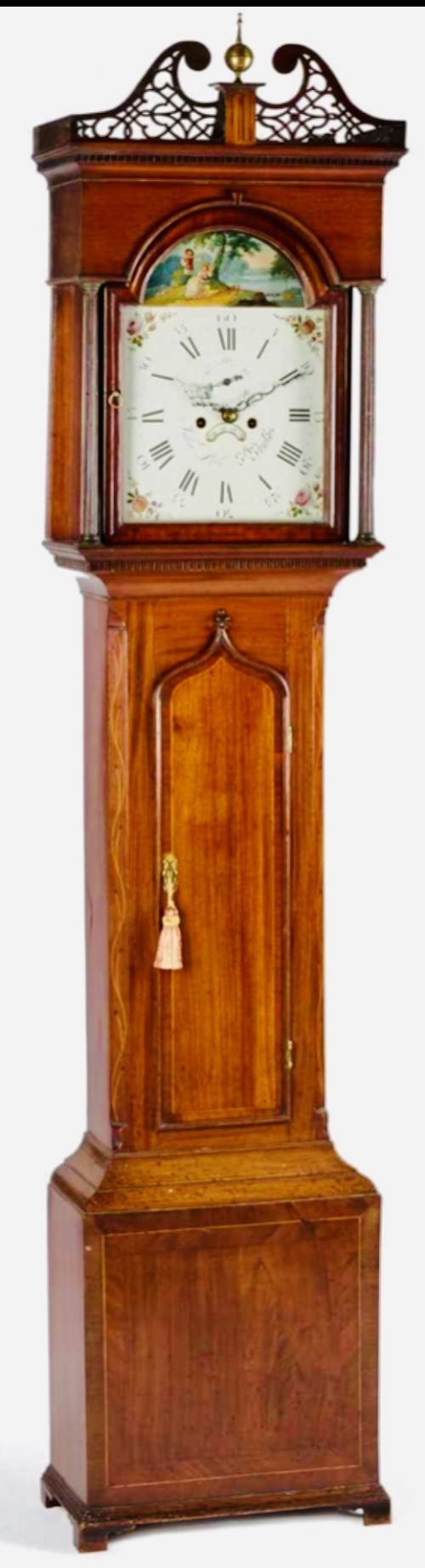
An oak tall clock stands as a floor-standing timekeeper, frequently encountered in forms designated as longcase or grandfather clocks across Georgian, Victorian, and Edwardian periods. These vertical wooden cases house intricate brass dial movements designed to measure hours, minutes, and often lunar phases or musical chimes.
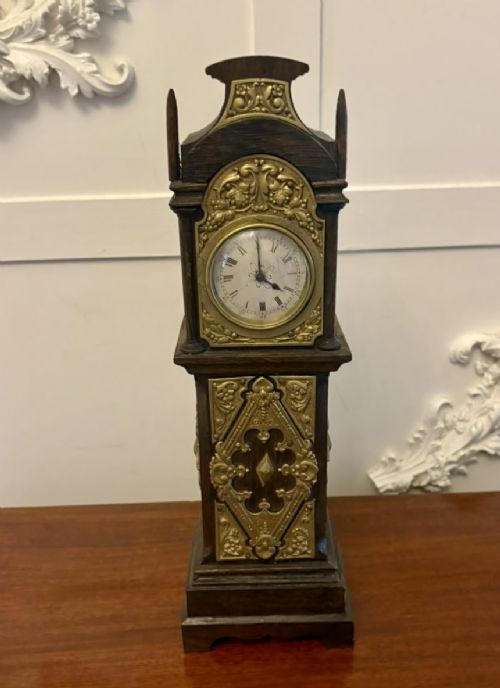
Makers constructed these pieces using native timbers, pairing solid boards with glass hoods to protect the brass and iron internal machinery. Variants range from full-height George III floor models to smaller scaled grandmother and miniature table clocks produced into the early twentieth century.
Materials and construction
Cabinet makers built the primary carcass using sturdy oak, occasionally incorporating mahogany crossbanding, burr oak accents, or walnut veneers to frame the dial. Iron weights and brass gear trains powered the movements, mounted securely within hoods fitted with glazed doors.
Dials combined engraved brass plates with applied spandrels or painted iron faces, signed by regional watchmakers who calibrated the escapements to deliver reliable eight-day or thirty-hour movements.
Oak Tall Clock Retail Price Guide 2026
Typical asking prices for oak tall clock among the pieces listed under this phrase on Sellingantiques today, from the lower quarter to the upper quarter. They describe what is for sale here now, not the wider market.
Recorded object types include longcase clocks, grandmother clocks, and miniature table clocks housing eight-day and triple-weight movements.
Qualities of craftsmanship
The sophistication of the dial work and movement complexity separate standard timepieces from finer examples, especially those featuring moon phase mechanisms, strike-silent options, or triple-weight musical chimes. Cabinet proportion and the crispness of timber carving also distinguish superior regional workshops from basic production.
Originality of the fitted movement to the oak case remains a central distinction, alongside the survival of secondary woods, original weights, and untouched dial signatures by recorded makers.
Walker of Nantwich·Edward White Birmingham·Lee of Great Marlow·Jn° Smith Macclesfd·Richard Corless of Stockport·George Hallifax Of Doncaster·Thomas Webbe of New Quay·David Craig Ford Path head
The Oak Tall Clock Glossary
- Longcase clock
- A tall pendulum clock enclosed in a wooden floor-standing case. These instruments span the eighteenth and nineteenth centuries.
- Grandmother clock
- A smaller, scaled-down version of the traditional tall clock. These compact timepieces often date from the Edwardian era.
- Moon phase
- A dial mechanism tracking the lunar cycle through a rotating painted disk. This complication appears on better eighteenth-century movements.
- Spandrel
- An ornamental corner piece fitted on a clock dial. They evolved from cast brass ornamentation into painted decorative motifs.
- Grandfather clock
- A popular vernacular term for a tall floor-standing longcase clock. The description derives from a nineteenth-century song.
Oak Tall Clock: Frequently Asked Questions
How do I wind an oak tall clock?
Winding requires using a key or pulling the cords to elevate the internal metal weights back toward the top of the trunk. Care must be taken not to overwind the mechanism.
Most eight-day movements need attention at weekly intervals, while thirty-hour versions require daily winding to maintain accurate timekeeping.
Where should I place a tall clock at home?
Position the case against an interior wall away from direct sunlight, heating vents, and damp areas to protect the timber and internal steel components. Level flooring is essential.
Stability ensures the pendulum swings evenly and the escapement ticks with a consistent, reliable beat.
How can I tell a Georgian clock from a Victorian one?
Georgian examples generally display restrained architectural proportions, brass dial spandrels, and fine oak or mahogany veneers characteristic of the eighteenth century. Regional signatures often appear directly on the face.
Victorian and Edwardian pieces frequently introduce heavier mouldings, alternative wood finishes like maple, or advanced chiming apparatus reflecting later manufacturing methods.
Why does my clock have a moon phase dial?
The secondary arched dial tracks the phases of the moon to aid navigation, tidal forecasting, and agricultural planning in past centuries. It rotates twice during a lunar month.
Today, this feature serves as a sign of higher mechanical complexity and desirable craftsmanship in antique timepieces.