

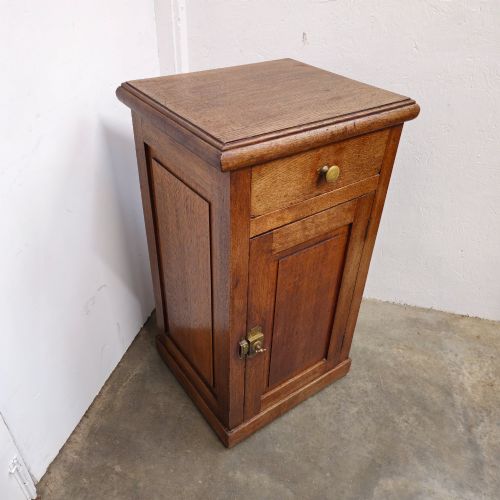
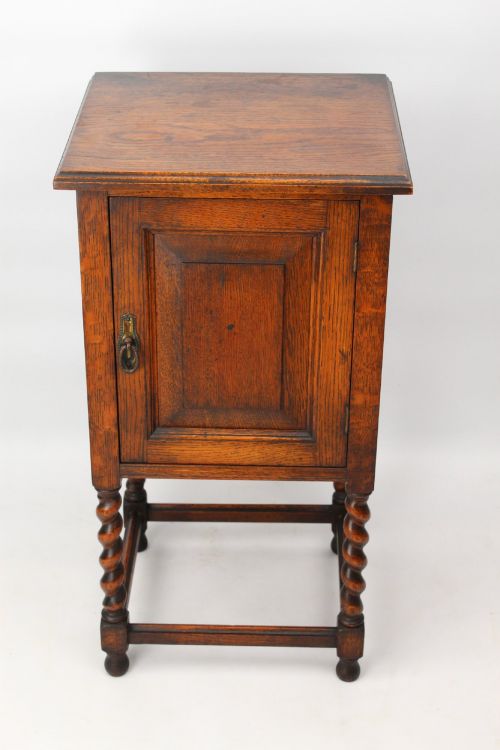
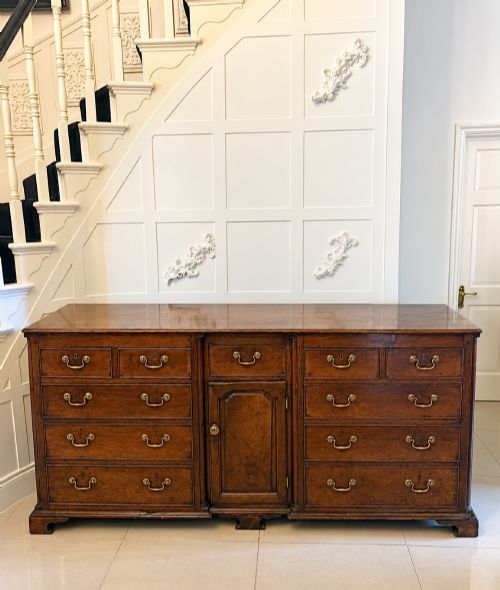
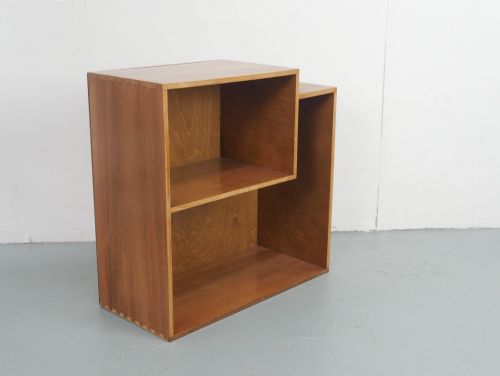
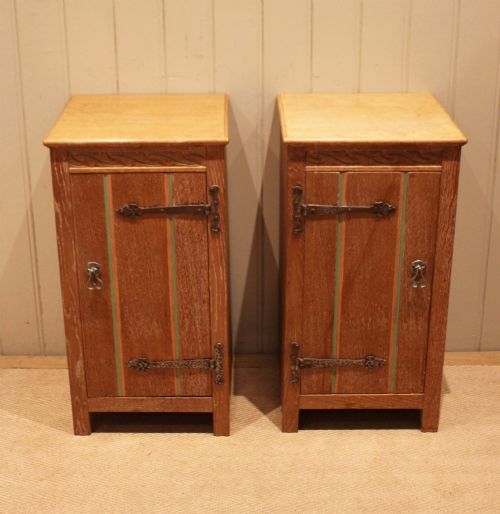
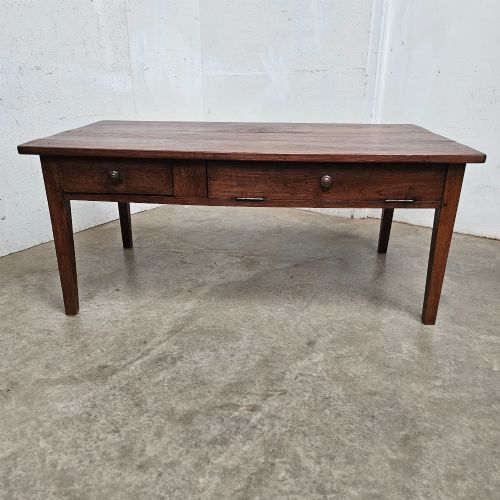
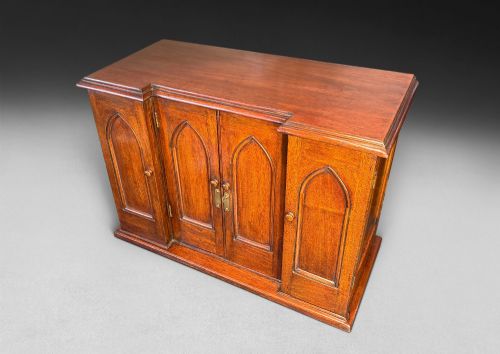
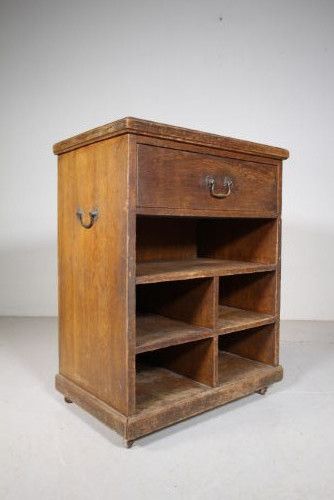
Oak Table with Storage
An oak table with storage offers practical utility hidden within robust historic woodwork, making it a clever choice for modern rooms.
Oak Table with Storage
An oak table with storage brings together sturdy domestic timber and clever compartments designed to keep rooms tidy. When searching this phrase, buyers encounter everything from compact side tables to expansive dresser bases.
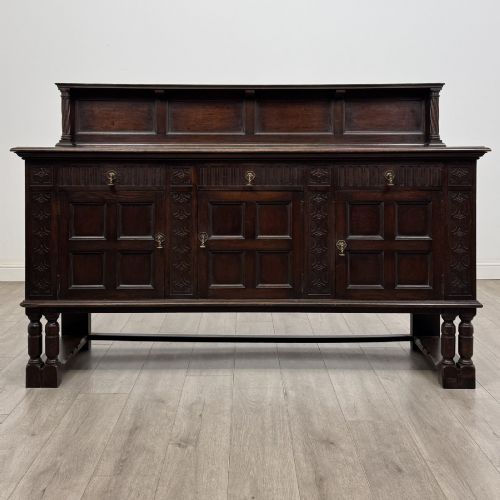
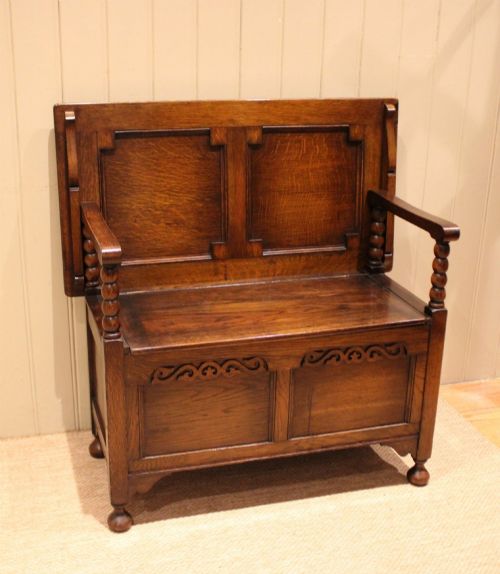
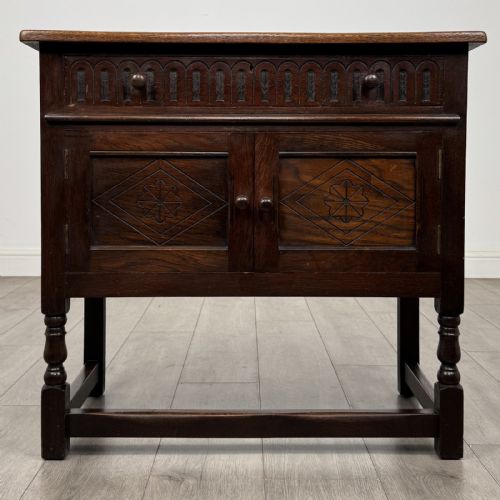
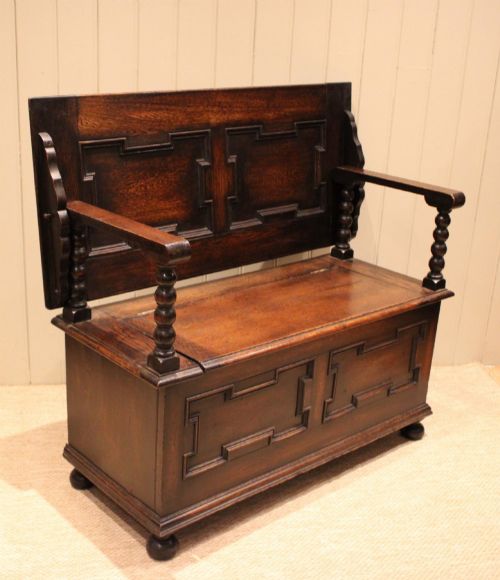
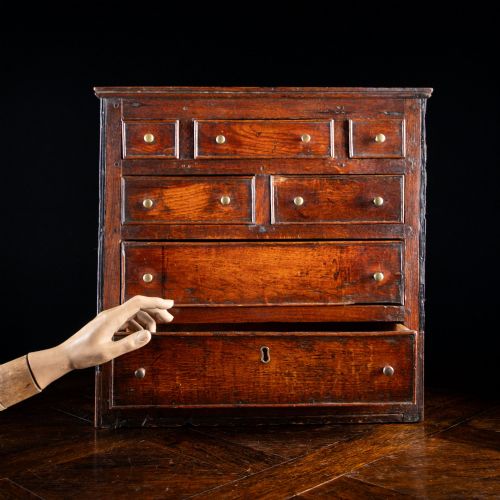
The pieces appearing on this page span several distinct periods, including the eighteenth century, Victorian era, and early twentieth century. Common forms include monks benches with lift-up seats, low tables with drawers, and multi-drawer dresser bases.
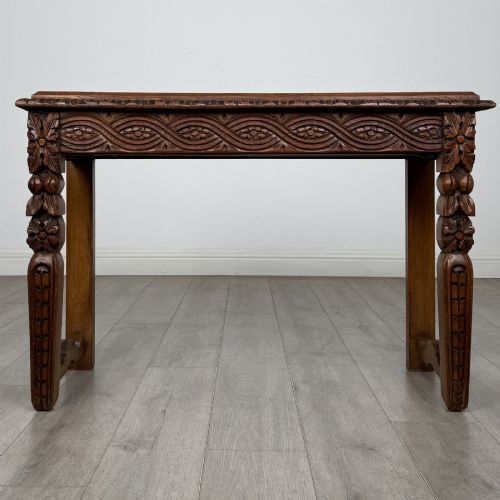
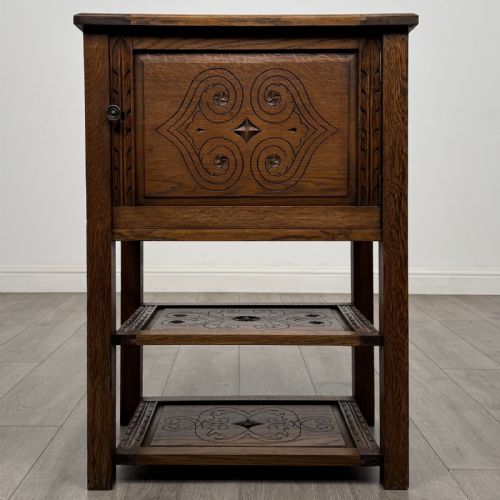
Regional styles and revivals shape the appearance of these items significantly. Examples range from Jacobean revival carved consoles to French country low tables and Edwardian chests.
Materials and construction methods
Solid oak serves as the primary structural material across these listings, prized for its dense grain and durability. Joinery methods involve traditional pegged framing, panelled construction, and hand-cut dovetails for internal drawers.
Metal hardware such as brass handles, iron hinges, and glass elements occasionally accent the woodwork. Carved friezes, panelled backs, and hinged lids demonstrate the hands-on cabinetmaking techniques of past centuries.
Oak Table with Storage Retail Price Guide 2026
Typical asking prices for oak table with storage among the pieces listed under this phrase on Sellingantiques today, from the lower quarter to the upper quarter. They describe what is for sale here now, not the wider market.
Early sewing boxes on stands kept clandestine needlework safely tucked away from wandering household eyes.
Judging quality in historic storage tables
Quality rests upon the crispness of hand-carving and the integrity of the timber framing. Pieces with original hinges, untouched drawer linings, and sound structural joints command higher regard among collectors.
Proportion and utility dictate the appeal of each example. A balanced form with smooth-operating drawers and a rich, patinated surface represents superior craftsmanship compared to heavily altered or mismatched items.
Walker & Hall
The Oak Table with Storage Glossary
- Dresser base
- A low wooden sideboard equipped with multiple drawers and cupboards used for storing household goods. These pieces often feature numerous drawers arranged around a central cupboard.
- Monks bench
- A versatile convertible hall seat featuring a folding top that transforms the backrest into a table surface. The seat itself typically lifts up to reveal a storage compartment beneath.
- Bible box
- A small desktop chest designed to hold religious texts and writing materials, often fitted with internal drawers. They frequently sit upon tables or stands.
- Bread flap
- A hinged extension leaf on a table, historically utilised for food preparation or extra surface space. This feature expands the usable top without permanent alteration.
- Frieze
- The decorative horizontal band situated beneath the top surface of a table or cabinet. Carvers often embellish this area with geometric patterns or foliage motifs.
Oak Table with Storage: Frequently Asked Questions
What is an oak monks bench?
A monks bench is a dual-purpose hall seat that converts into a small table by folding the backrest over. The base conceals a storage well underneath the hinged seat.
Historically placed in hallways or parlours, these items served as seating and table space in compact dwellings.
How do I date an oak table?
Dating relies on examining construction marks, joint types, and decorative styles like Jacobean carving or Victorian Gothic revival. Tool marks left by hand saws and adzes indicate older periods.
Hardware styles, timber ageing, and secondary woods inside drawers also help establish the approximate decade of manufacture.
Are these tables suitable for daily use?
Solid oak construction makes these historic tables remarkably sturdy for contemporary living spaces. Built to withstand generations of domestic activity, they handle everyday demands with ease.
Storage compartments help reduce clutter while providing functional surfaces for lamps, books, and decorative objects.
What maintenance do historic oak surfaces need?
Maintaining antique oak involves keeping pieces away from direct heat sources and extreme humidity fluctuations. Simple dusting and occasional application of appropriate wax nourish the dry timber.
Avoiding harsh chemical cleaners preserves the natural patina built up over centuries of use.