

Oak Storage Press
An oak storage press gives you substantial utility alongside centuries of honest craftsmanship, bringing domestic history directly into your daily routine.
Oak Storage Press
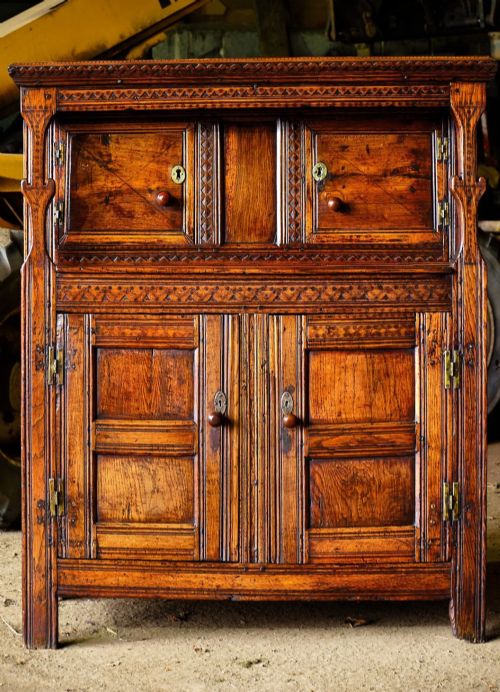
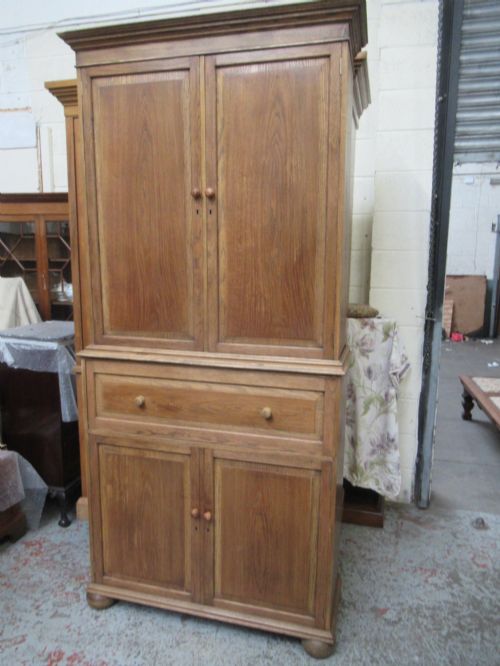
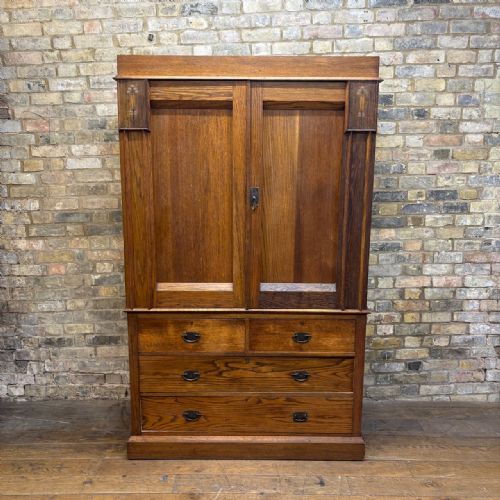
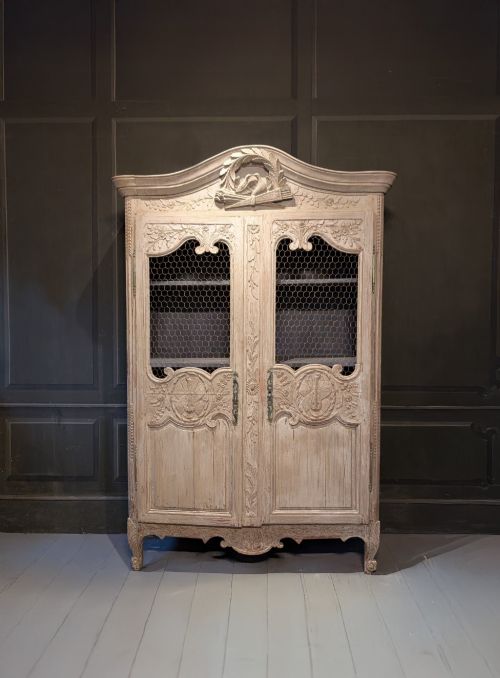
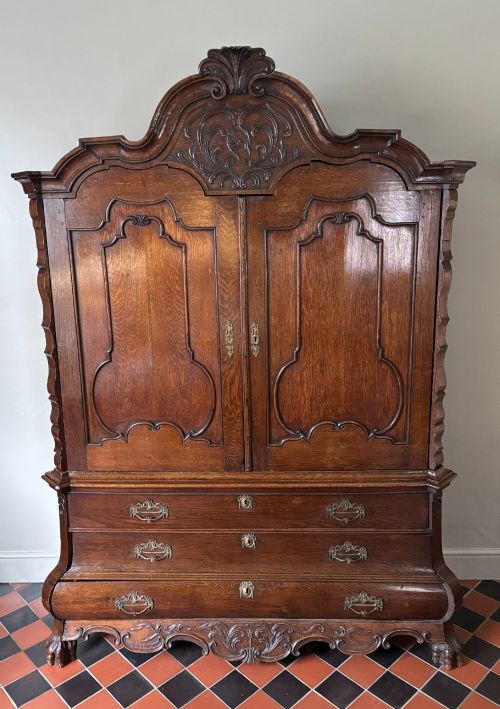
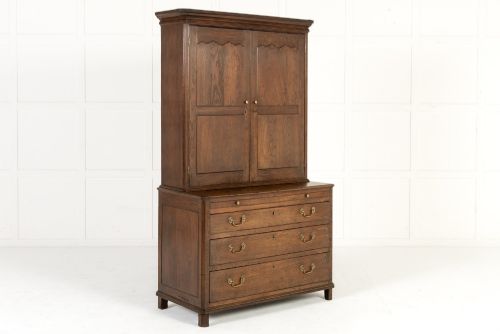
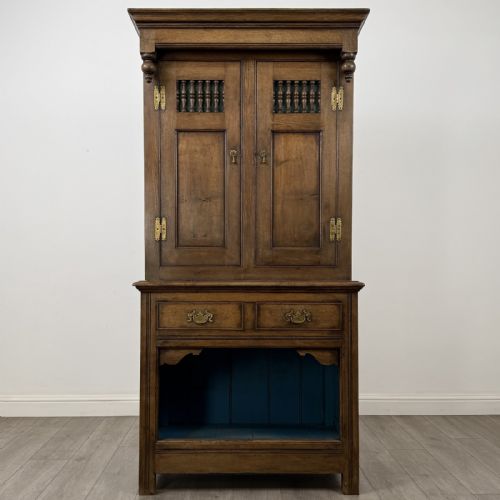
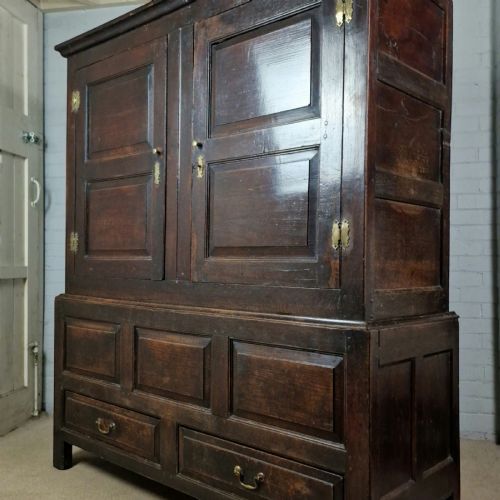
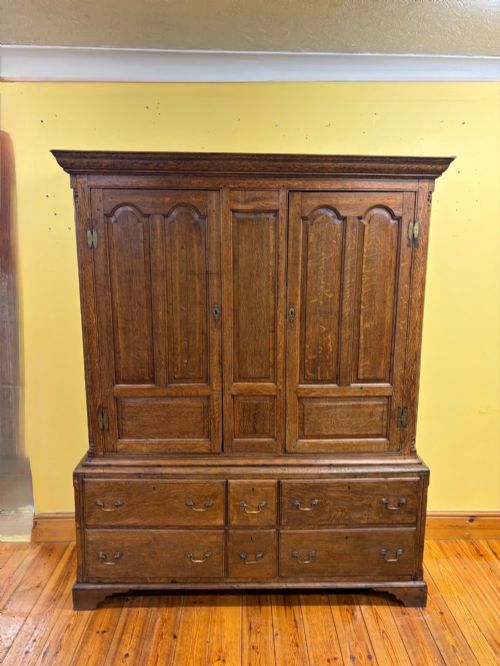
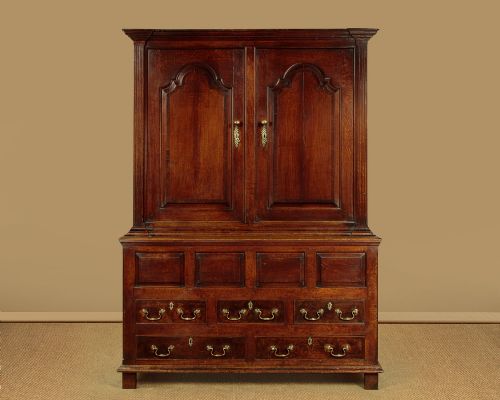
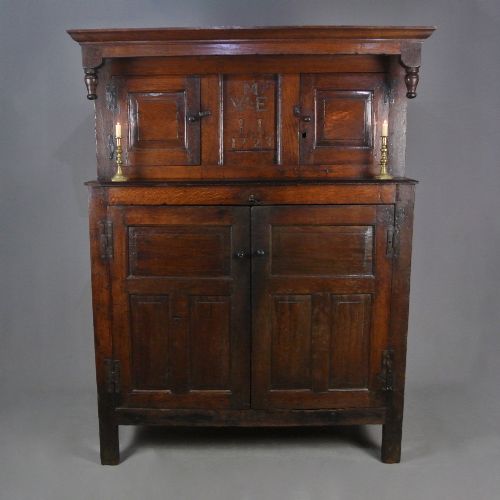
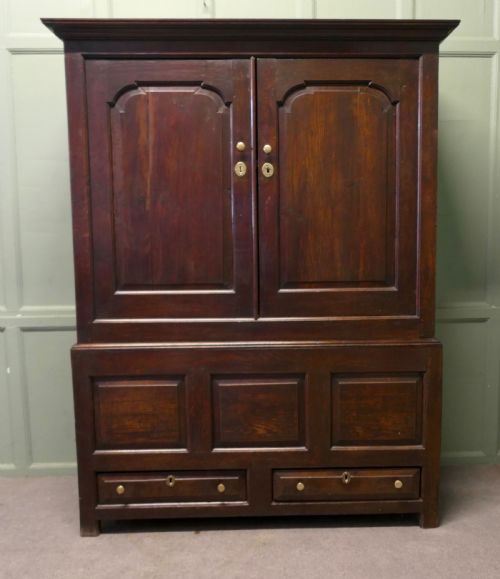
An oak storage press encompasses large domestic receptacles intended for linen, garments, and provisions, taking the form of court cupboards, livery cupboards, and housekeeper's cupboards. You are most likely to encounter Georgian and nineteenth century examples featuring panelled doors and internal shelving.
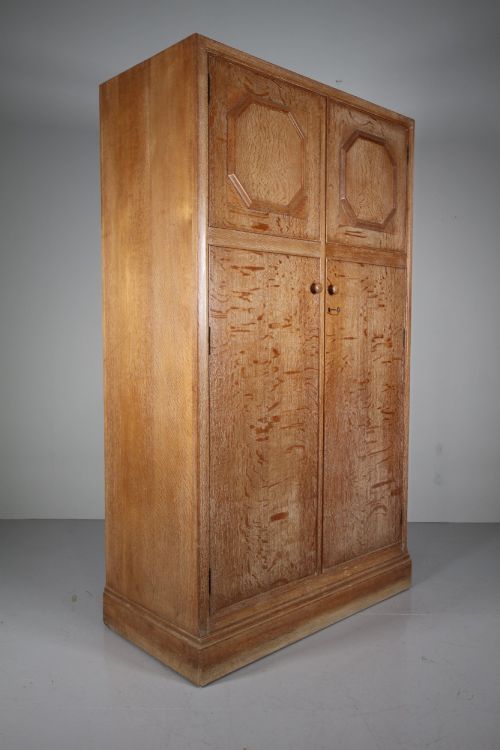
Makers across English regions, particularly Wales, built these pieces to house household goods securely using native timber. The structural variety spans tall wardrobes, low press cupboards, and fitted cabinets designed for practical storage.
The form developed from seventeenth century court cupboards with carved pillar panels into more capacious Georgian and Edwardian storage configurations. Each piece reflects the domestic requirements of its period, balancing display compartments with enclosed hanging or folding space.
Materials and construction
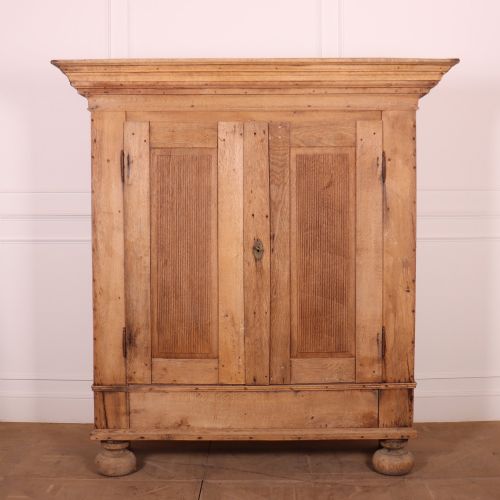
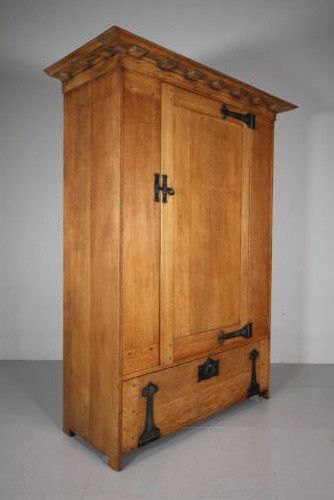
Carpenters relied predominantly on solid oak, frequently augmented with brass or iron hinges, handles, and occasional walnut or fruitwood details. Construction methods involved sturdy frame and panel assemblies designed to withstand heavy domestic use over generations.
Surfaces display distinct historic treatments, ranging from natural waxed timber to ebonised finishes and carved decorative elements such as linenfold or geometric mouldings. Interior spaces often incorporate fixed or adjustable shelving, drawers, and hanging rails fitted during later adaptations.
Oak Storage Press Retail Price Guide 2026
Typical asking prices for oak storage press among the pieces listed under this phrase on Sellingantiques today, from the lower quarter to the upper quarter. They describe what is for sale here now, not the wider market.
Listings span periods from the sixteenth century through the Edwardian era, featuring oak, brass, iron, and walnut materials.
Assessing quality and proportion
Quality rests upon the crispness of the original timber carving, the integrity of the joinery, and the retention of period brassware. Superior pieces maintain balanced proportions and untouched patination developed through centuries of exposure.
The distinction between standard utility cupboards and finer examples lies in the depth of architectural detailing, such as moulded cornices and panelled pilasters. Alterations to interiors or replaced hardware influence the historical integrity of each cabinet.
Heals Of London·Crown Furniture
The Oak Storage Press Glossary
- Court cupboard
- An early two-tier sideboard or storage cabinet used for displaying plate and storing provisions. These pieces often feature carved pillars and recessed upper sections.
- Livery cupboard
- A traditional storage piece historically used for keeping food and candles safe. They typically feature panelled doors with turned spindles for ventilation.
- Housekeeper's cupboard
- A large dual-section storage unit designed for household linens and dry goods. They usually combine upper cupboard doors with lower drawer banks.
- Linen press
- A tall cupboard specifically built for storing folded textiles and garments. Internal sliding trays or shelves generally occupy the main storage cavity.
- Patina
- The surface sheen and colour acquired by wood through age, light exposure, and handling. This characteristic depth distinguishes antique timber from modern surfaces.
Oak Storage Press: Frequently Asked Questions
How do I clean an antique oak cupboard?
Maintain the timber by applying a traditional beeswax polish sparingly with a soft cloth. Avoid modern silicone sprays that can penetrate the grain and damage the historic finish.
Keep the piece away from direct heat sources and radical humidity shifts to prevent the oak panels from splitting or warping over time.
Can these cupboards be used as wardrobes?
Many larger examples, such as housekeeper's cupboards and linen presses, adapt well to modern clothing storage. Some period variations feature sufficient internal depth for hanging rails.
Checking the internal dimensions before purchase ensures your garments will fit comfortably within the historic cabinet framework.
How do I identify a Georgian oak press?
Georgian pieces generally display pegged mortise and tenon joints, hand-planed timber boards, and vernacular architectural mouldings. Iron HL hinges or brass butterfly hinges frequently indicate eighteenth century origin.
Regional variations, particularly Welsh examples, often incorporate distinctive panel arrangements and richer grain figures in the native oak.
Where should I place an oak storage press?
Position the piece against an interior wall away from direct sunlight to protect the natural colour of the oak. Generous proportions require careful measurement of ceiling heights and access hallways.
Allow sufficient clearance around doors and drawers to ensure smooth operation in daily use.