



Oak Stick Chair
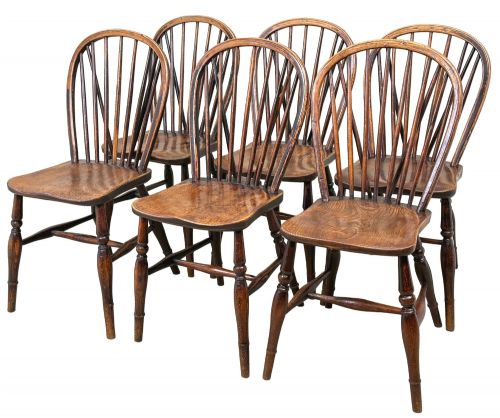
An oak stick chair is a sturdy vernacular seat rooted in regional British farmhouse and workshop traditions, prized for honest construction and tactile timber grain.
Oak Stick Chair
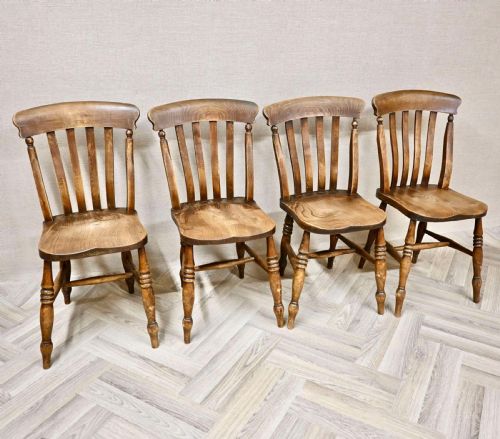
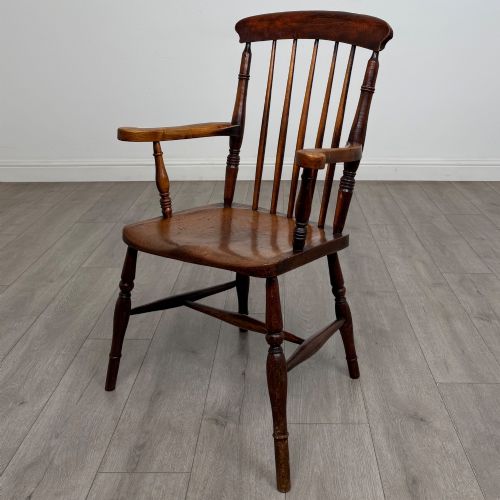
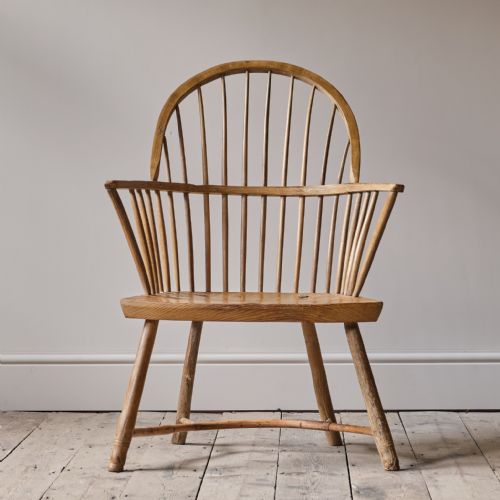
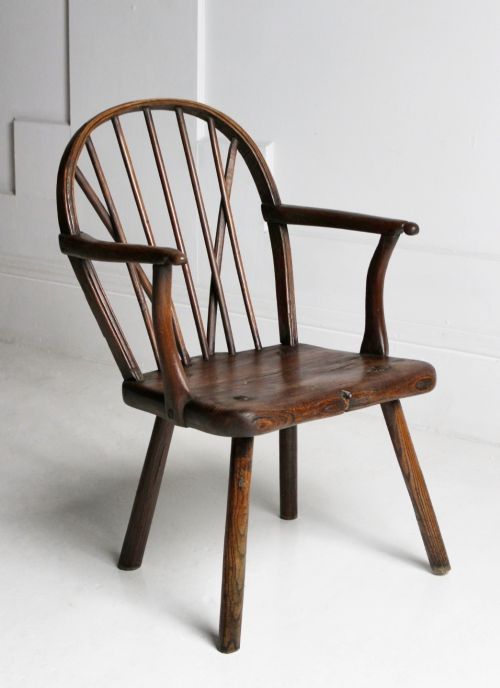
An oak stick chair represents the utilitarian output of regional cabinet makers and country joiners, taking forms such as armchairs, kitchen dining sets, and low children's seats. When you browse this selection, you encounter pieces spanning the eighteenth and nineteenth centuries, including Victorian country examples and regional Welsh comb backs.
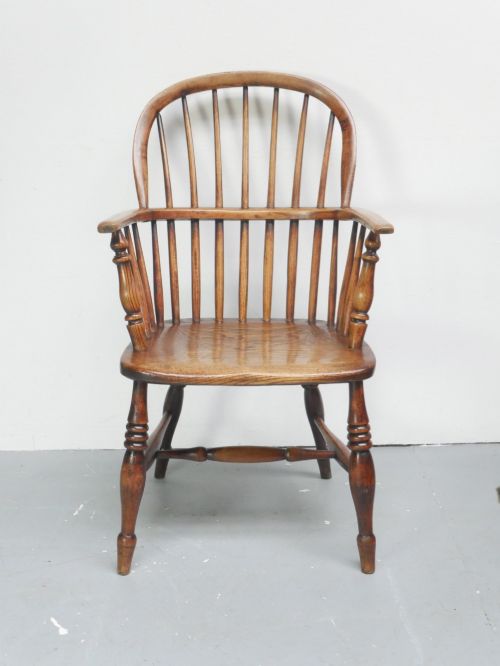
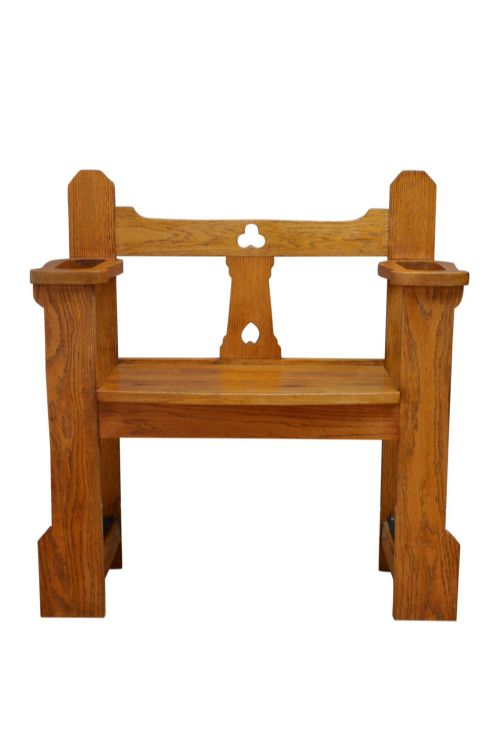
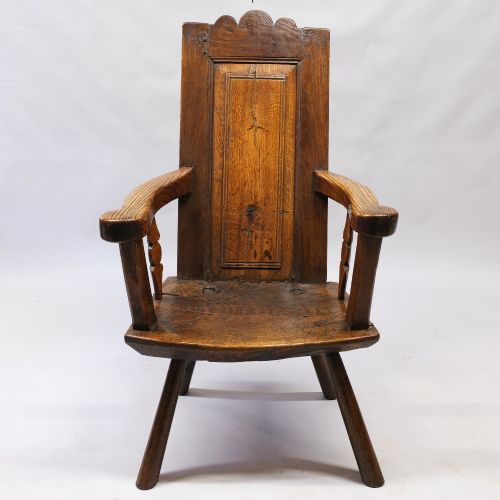
The designs range from plain farmhouse hoop backs and slat backs to narrow hall seats and primitive panel-backed seating. Many items emerge from specific British traditions like Welsh vernacular or English regional workshops.
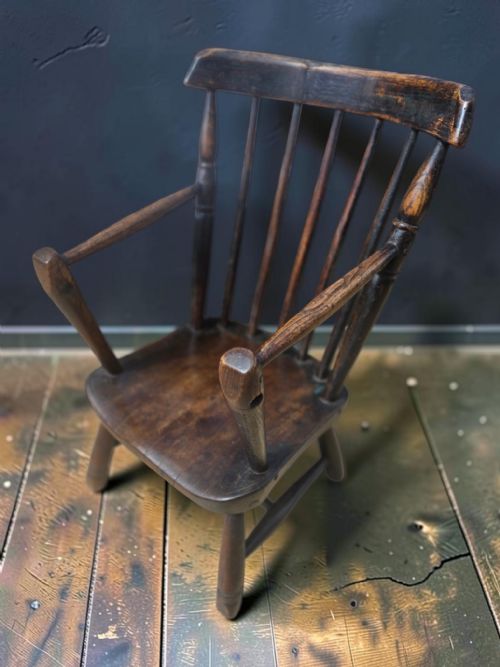
Smaller variants also appear across the listings, featuring miniature furniture and child's armchairs built with the same traditional methods as their full-sized counterparts.
How they were made
The construction relies on a combination of native timbers, predominantly utilising solid oak for seats and frames, paired with woods like elm, ash, beech, and fruitwood for spindles and legs. Makers bored holes directly into thick wooden seats to receive shaped stick legs and back spindles.
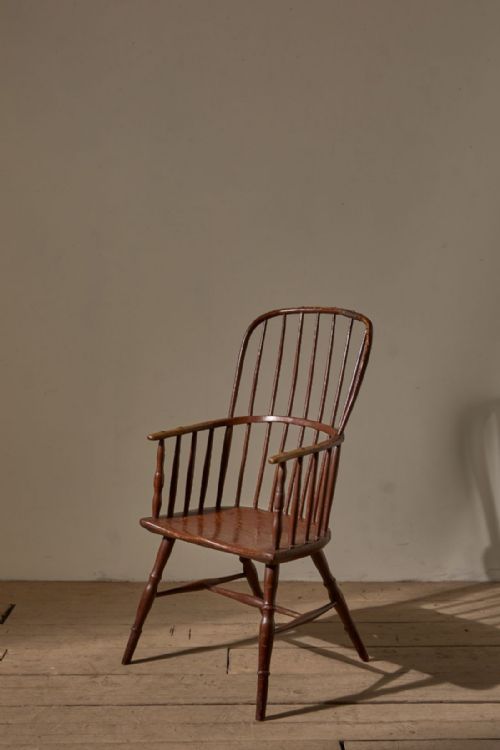
Bending techniques shaped the continuous hoop backs and steam-bent arms, while surface treatments included original brown paint and simple wax finishes that allowed the natural grain of the timber to show through.
Listings feature eighteenth and nineteenth-century oak stick chairs constructed alongside elm, ash, and pine in various regional British styles.
What varies in quality
The calibre of an oak stick chair depends heavily on the harmony of its proportions and the integrity of its regional style. Pieces featuring well-balanced comb backs or finely turned spindles demonstrate superior craftsmanship compared to heavier, more utilitarian builds.
The character of the timber surface also distinguishes finer examples, where honest patination from decades of daily use enhances the appearance of the oak and its secondary woods without masking the underlying construction.
Stickley Brothers
The Oak Stick Chair Glossary
- Comb back
- A Windsor chair variation where the vertical back spindles extend upward through a horizontal top rail, resembling the teeth of a comb. This regional style frequently appears in Welsh vernacular seating.
- Hoop back
- A continuous bentwood bow forming the top rail and arms of a chair. It provides structural strength by distributing weight down into the solid wooden seat.
- Vernacular
- Objects made by local craftsmen for everyday use rather than following strict high-style architectural rules. These pieces reflect the materials and regional habits available to the maker.
- Stick back
- A chair construction method where turned or cleft wooden spindles are tenoned directly into a solid slab seat. It forms the foundation of traditional Windsor and country seating.
- Slat back
- A chair back constructed from flat wooden boards or slats rather than round spindles. These slats are typically shaped for comfort and fitted between the seat and top rail.
Oak Stick Chair: Frequently Asked Questions
What is an oak stick chair?
An oak stick chair is a traditional country seat built with a solid wooden slab base and inserted spindle or stick supports. These pieces formed standard domestic furniture in farmhouses and cottages.
Craftsmen selected native hardwoods like oak, elm, and ash to ensure the seat endured heavy daily use in kitchens and dining rooms.
How do I date an antique stick chair?
Dating relies on examining the construction methods, tool marks, and wood species visible in the seat and undercarriage. Eighteenth-century examples often display more primitive, heavy joinery and simpler regional tooling.
Victorian and later nineteenth-century pieces frequently show more standardised turning on the legs and spindles alongside machine-sawn components.
Where were these chairs made?
These seats originated in rural workshops across Britain and America, with distinct regional variants appearing in Wales, Yorkshire, and the West Country. Local vernacular styles developed based on the timber available nearby.
Country joiners and wheelwrights built them using local materials to supply domestic farmhouses, inns, and cottages.
How should I live with an antique stick chair?
Living with these chairs involves placing them away from direct heat sources and sudden humidity changes to protect the dry timber and joints. Regular gentle dusting and occasional wax application maintain the surface patina.
Their sturdy construction makes them practical for everyday seating around a dining table or as occasional accent chairs in a hallway.