

Antique Comb Back
An antique comb back is a traditional wooden seating form combining structural resilience with vernacular grace, prized for its high spindle-topped crest.
Antique Comb Back
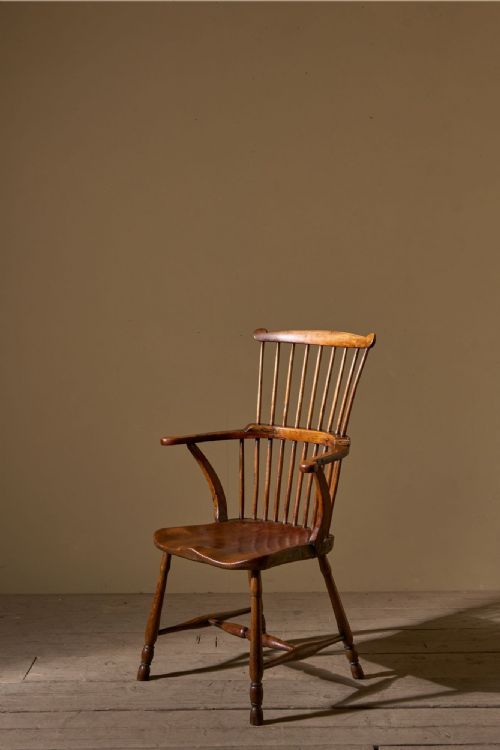
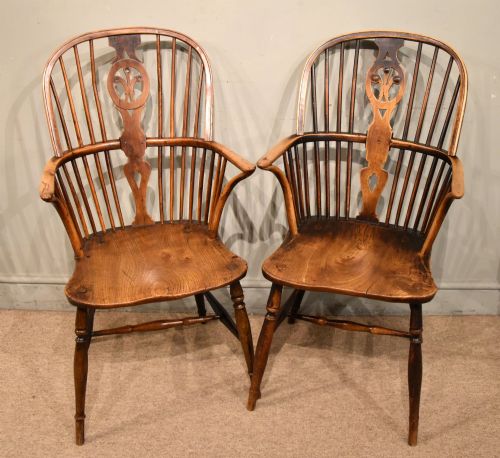
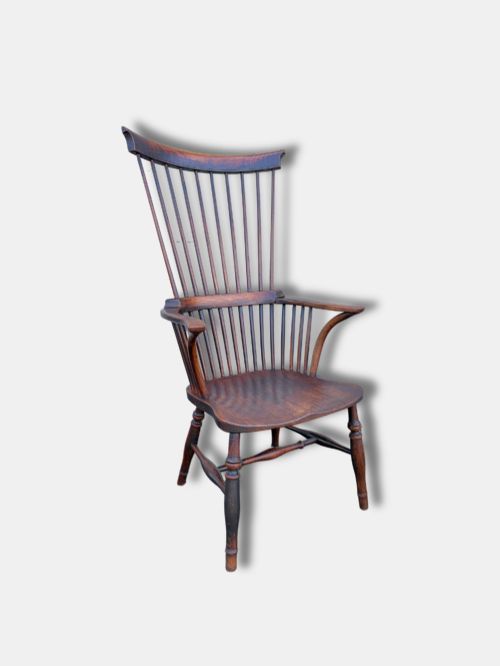
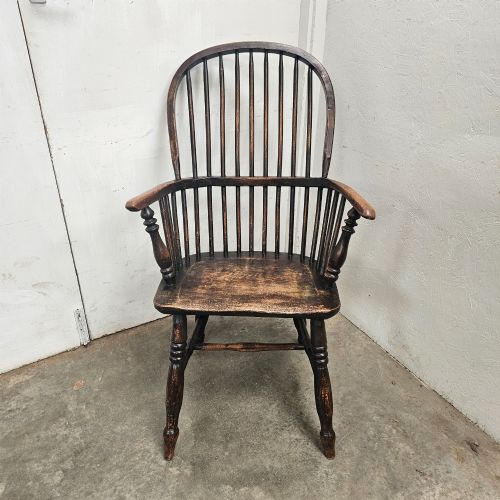
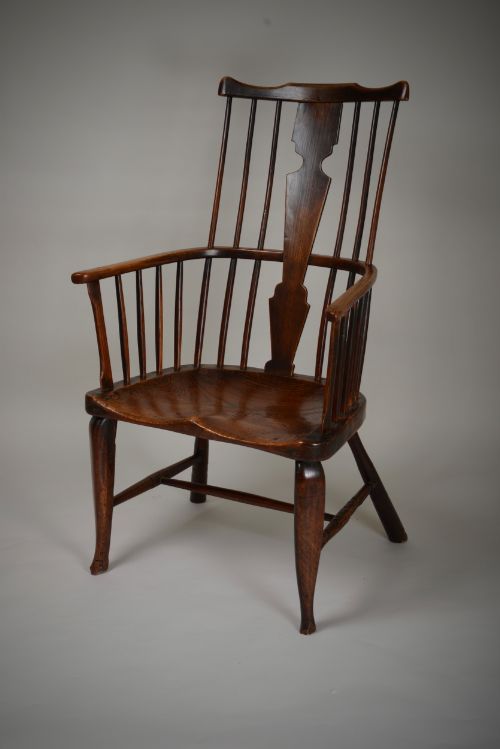
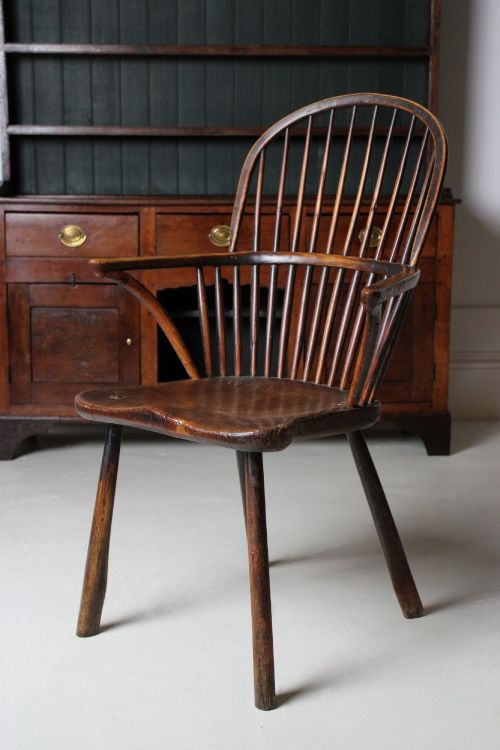
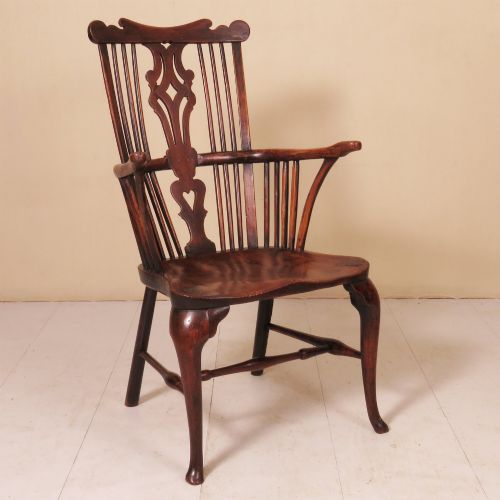
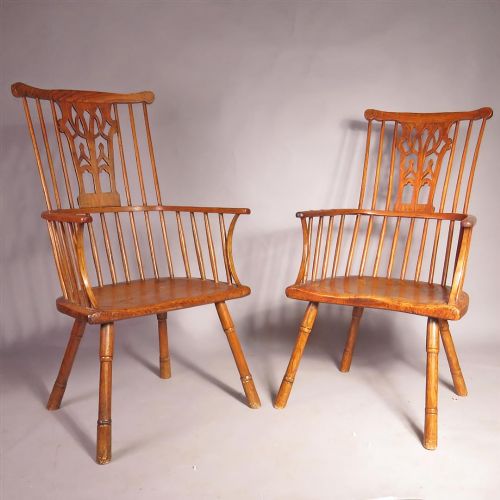
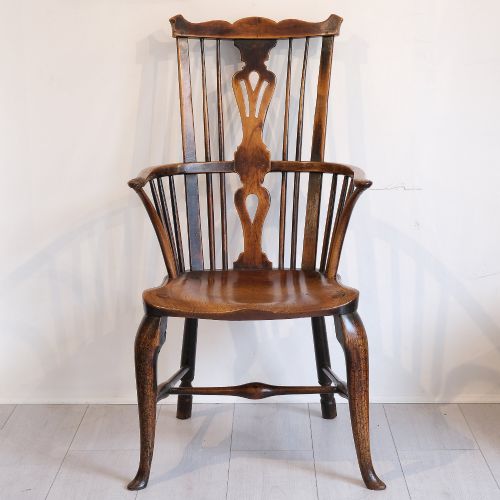
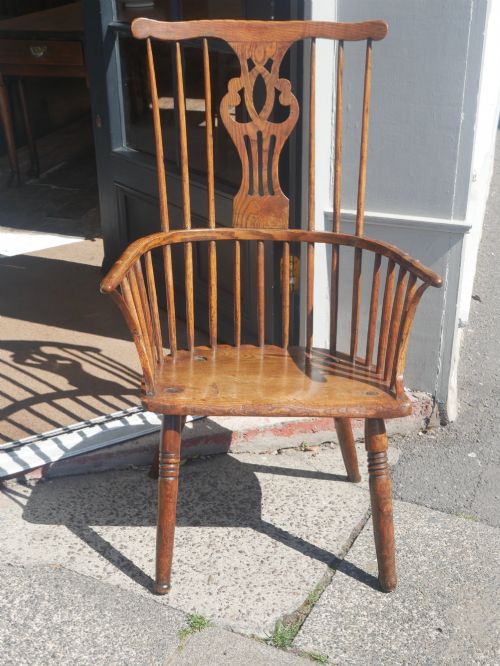
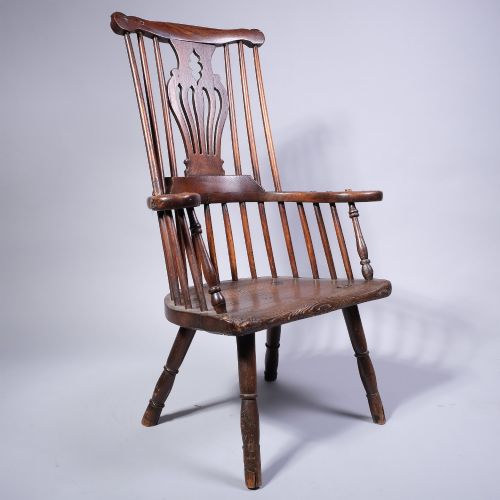
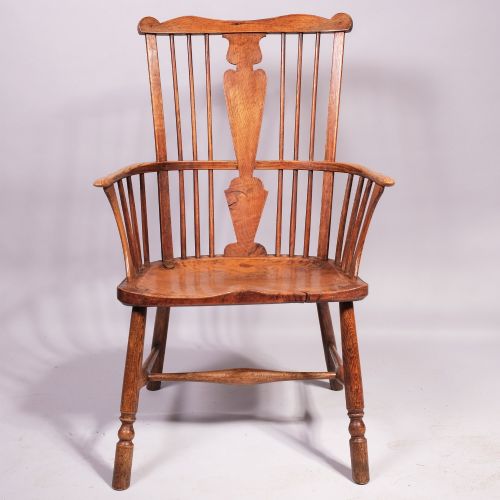
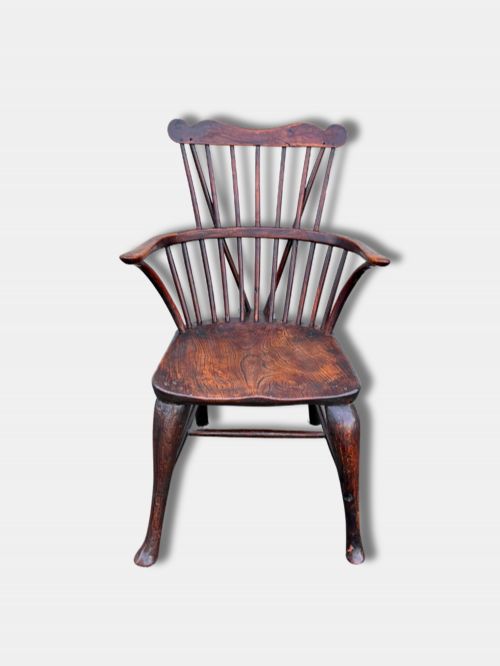
An antique comb back constitutes a distinctive variety of Windsor chair characterised by a steam-bent or shaped horseshoe arm bow that continues upwards into vertical spindles, terminating in a horizontal crest rail resembling the teeth of a comb. These pieces emerge primarily from 18th-century and 19th-century vernacular traditions, spanning Georgian, Regency, and Victorian periods across English, Welsh, and Scottish regions.
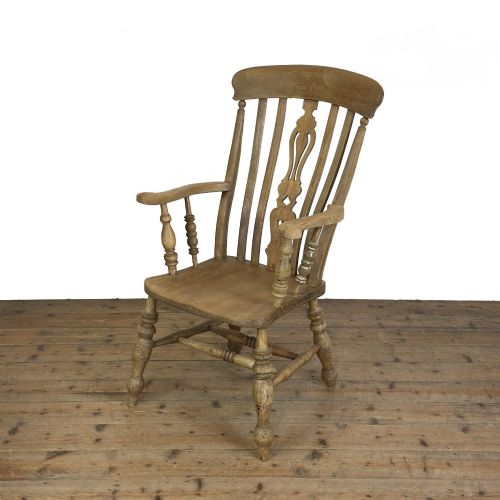
The most common incarnation on this page is the country armchair or high back dining chair, constructed with a solid shaped wooden seat saddled to receive the undercarriage legs and upper sticks. Examples range from simple primitive regional work to refined Thames Valley or Welsh vernacular production.
Makers utilised local timbers, resulting in hybrid timber construction where seats, backs, and legs utilise distinct species suited to their specific structural function within the chair.
How they were made
Joinery relies on mortise and tenon joints, where leg components and spindles are wedged tightly into drilled sockets bored directly through a thick solid wooden seat slab. Elm frequently serves for seats due to its interlocking grain which resists splitting under the stress of splayed legs.
Superstructure elements such as the comb rail, arms, and slender spindles employ straight-grained timbers like ash, oak, or fruitwood, often shaped via drawknife and shaving horse. Steam-bending allows timber to form the characteristic continuous bow frames without snapping.
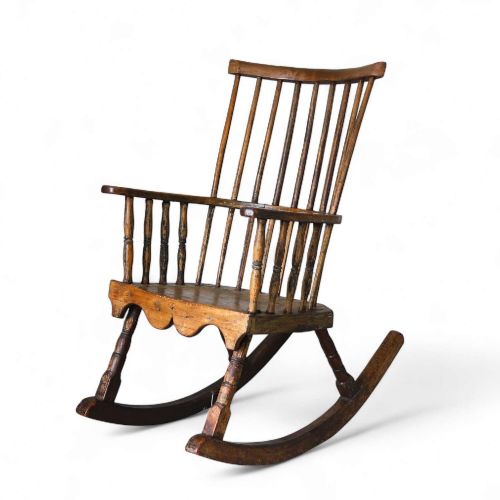
Recorded forms include rocking chairs, corner chairs, and dining sets alongside single armchairs.
What varies in quality
Quality rests upon the harmony of proportions, the comfort of the saddle-shaped seat, and the elegance with which the vertical spindles taper towards the comb rail. Superior examples display thoughtful timber selection, integrating figured burr elm or rich fruitwood with clean ash turnings.
Structural integrity depends on the original wedge construction remaining firm within the seat board, alongside minimal replacement parts across the delicate stick framework and arm bow.
George Wilson·R. Tyzack
The Antique Comb Back Glossary
- Comb back
- A Windsor chair variation where the central spindles extend through the arm bow to support a flat horizontal top rail resembling a comb. This design offers elevated back support.
- Windsor chair
- A chair built with a solid wooden seat into which the legs and back spindles are independently inserted. Regional variations developed distinct local characteristics.
- Vernacular
- Objects made by local craftspeople using traditional regional styles and available native materials rather than adhering to formal high-style design books. This encompasses country workshop output.
- Saddle seat
- A thick wooden seat slab carved with hollow depressions for ergonomic comfort. Makers shaped these using an adze and scorper.
- Stick chair
- A primitive seating form where legs and upper spindles plug straight into a plank seat without complex frame bending. These represent early vernacular traditions.
Antique Comb Back: Frequently Asked Questions
What is a comb back chair?
A comb back chair is a form of wooden Windsor seating where the upper spindles extend past the arm rail to finish in a flat top rail. This construction creates a tall, supportive backrest.
These pieces typically date from the eighteenth and nineteenth centuries, emerging from regional country workshops using native British timbers.
Where were these chairs made?
Regional workshops across England, Wales, and Scotland produced these seating forms, utilising locally felled timber such as ash, elm, and fruitwood. Thames Valley and Welsh valleys are noted origins.
Local timber availability heavily influenced the specific wood combinations found within individual examples, leading to distinct regional identities.
How do you date an antique chair?
Dating relies upon observing construction methods, tool marks, timber ageing, and regional stylistic evolution from the Georgian era through the Victorian period. Hand-carved elements and original wedged joints provide key indicators.
Earlier examples often display deeper seat saddling and more primitive stick arrangements compared to later nineteenth-century production.
How should I use these in a modern home?
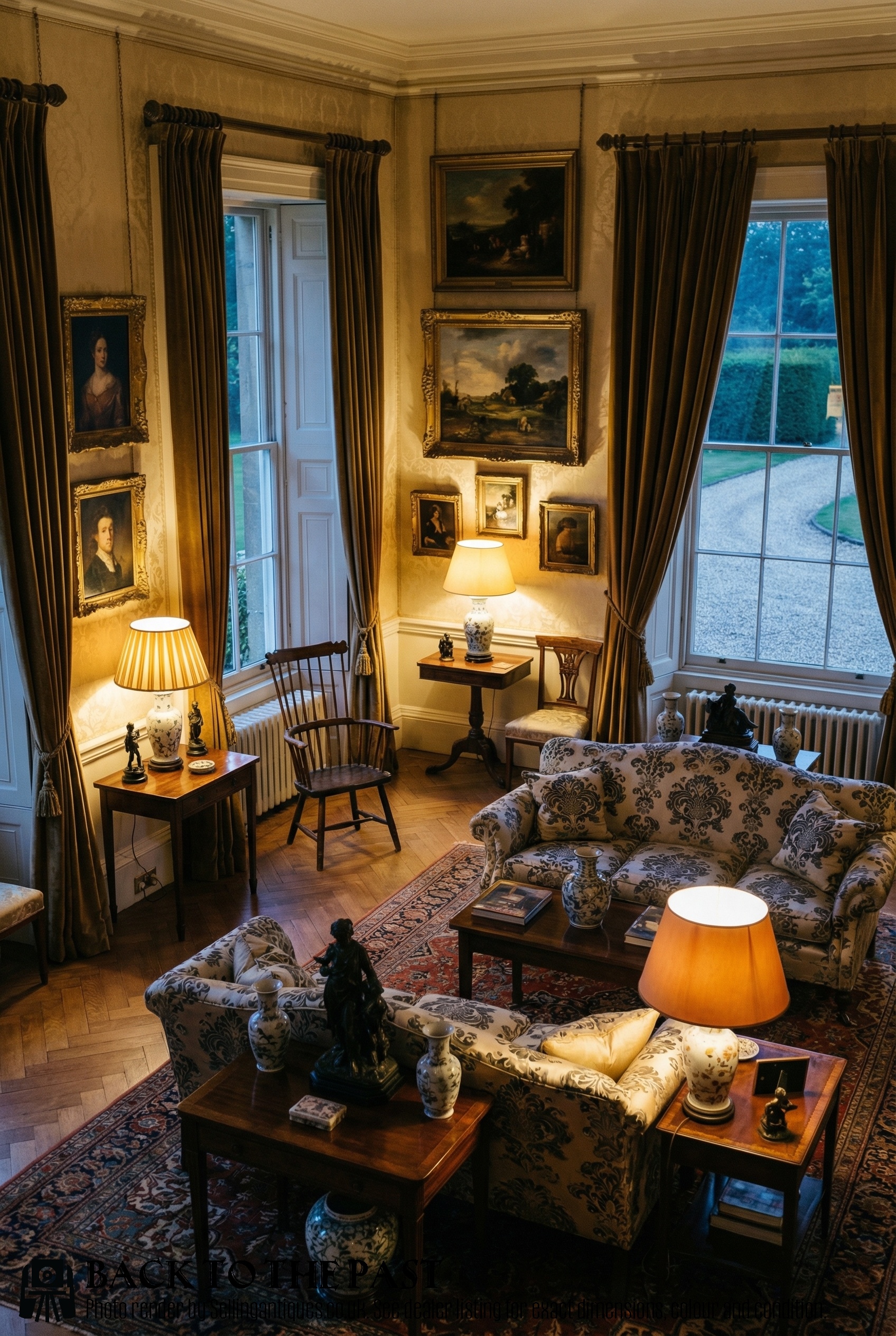
These wooden chairs function well as desk seats, occasional corner chairs, or around a kitchen dining table. Their sturdy construction suits daily domestic use.
Mixing vernacular seating styles adds textural contrast and historical character to contemporary interior spaces.