
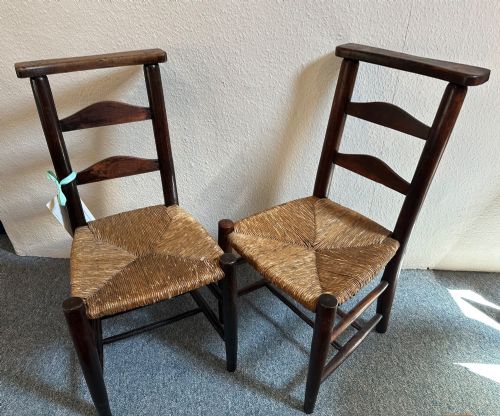
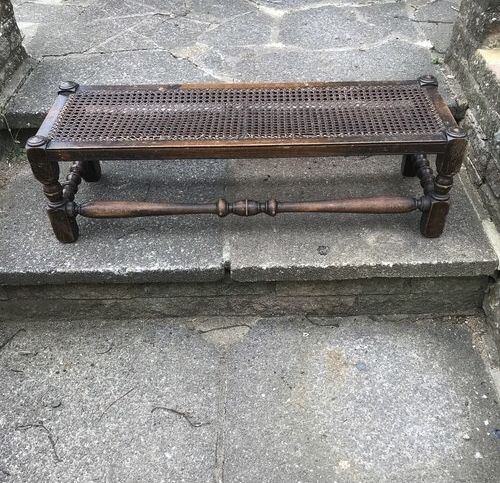


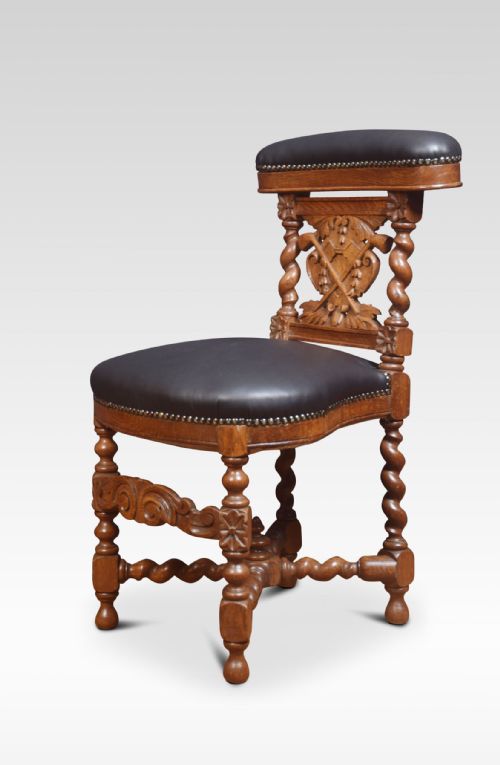


Oak Prie Dieu
These oak prie dieu pieces are devotional prayer desks and kneeling chairs that bring solid ecclesiastical craft and rich timber into a room.
Oak Prie Dieu
When you search for oak prie dieu, you are looking at devotional furniture designed for private prayer or church use, combining a low kneeling platform with an upper ledge or desk for service books. The pieces on this page span the 15th century up to the early 20th century, drawing heavily on Victorian Gothic Revival and ecclesiastical styles.
Most examples you will encounter take the form of prayer chairs or stools, often featuring carved woodwork, turned legs, and built-in kneelers upholstered in leather, fabric, rush, or cane. Alongside these dedicated devotional seats, the selection includes related church and reception furniture such as lecterns and hall chairs.
Origins stretch across English and continental workshops, including pieces marked for specific institutions like St Paul's Cathedral alongside rustic Flemish interpretations. Buyers choose them to anchor a study, hallway, or quiet corner with tangible historical weight and deep timber patination.
Quality factors in devotional furniture
The distinction between standard workshop production and finer ecclesiastical pieces lies in the depth and crispness of the hand-carving on the crest rails and panels. Sculptural detail, such as tracery or figural work, separates generic Gothic Revival items from exceptional sculptural commissions.
Integrity of the timber and the original joinery dictate the longevity of a piece, particularly where kneeling platforms and desk hinges endure physical weight. Preserved upholstery materials and documented institutional provenance further distinguish museum-grade examples from ordinary domestic variants.
Some prayer chairs hide metamorphic folding actions that convert a devotional kneeler into a flat chair before you can say amen.
The Oak Prie Dieu Glossary
- Prie-dieu
- A devotional desk or chair designed specifically for kneeling in prayer while resting elbows or books on an upper shelf.
- Gothic Revival
- An architectural and decorative style popular during the 19th century that revived medieval pointed arches, tracery, and heavy timber construction.
- Kneeler
- The lower upholstered or padded platform on a prayer desk or chair intended to support the knees during devotions.
- Fretted top
- An openwork carved decorative pattern along the upper crest rail of a chair back or desk.
- Ecclesiastical
- Design characteristics, furniture, or fittings specifically intended for use within a Christian church.
Oak Prie Dieu: Frequently Asked Questions
What is an oak prie dieu used for?
These pieces were originally built to facilitate private or corporate prayer, providing a comfortable kneeling platform alongside a sloping shelf for holding a Bible or prayer book.
Today, buyers utilise them as striking accent seats, hall chairs, or low writing desks that bring historic character and architectural presence into residential interiors.
How do I tell Victorian Gothic from older work?
Victorian Gothic Revival pieces from the 19th century typically feature machine-assisted precision, standardised machine turnings, and factory-applied dark finishes designed to emulate antiquity.
Pre-16th century or earlier examples display hand-Hewn tool marks, irregular joinery, and timber patination that develops naturally over centuries of handling and environmental exposure.
Are these chairs comfortable to sit on?
Devotional chairs and prayer desks were engineered primarily for short periods of kneeling and upright reflection rather than lounging, so seats are often compact and upright.
Many examples feature original or restored upholstery pads, rush seating, or cane panels that provide a firm, supportive perch suitable for an entryway or occasional study seat.
Where were these pieces originally placed?
Many originated in parish churches, grand cathedrals, or institutional settings, while others were commissioned by wealthy households for private chapels and domestic studies.
Pieces bearing specific institutional markings indicate a direct provenance to ecclesiastical buildings, whereas simpler rustic variants were tailored for rural parish or home use.