


Oak Occasional Table Shelves
Oak occasional table shelves bring useful tiers and sturdy timbers together for everyday rooms, spanning eighteenth-century vernacular forms through to twentieth-century workshop designs.
Oak Occasional Table Shelves
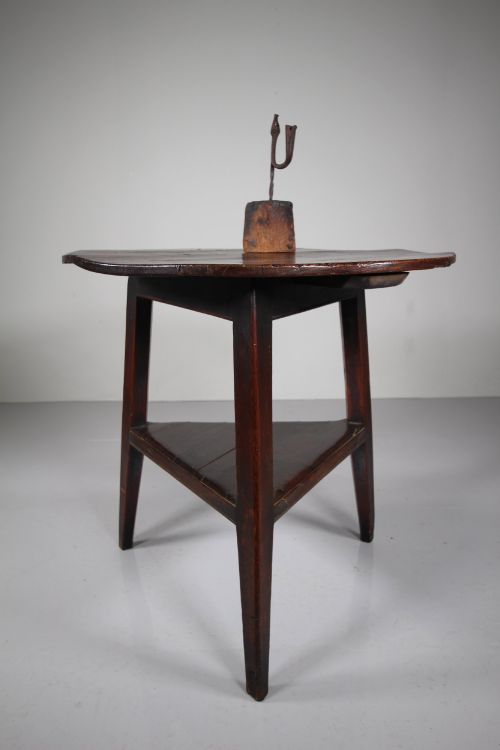
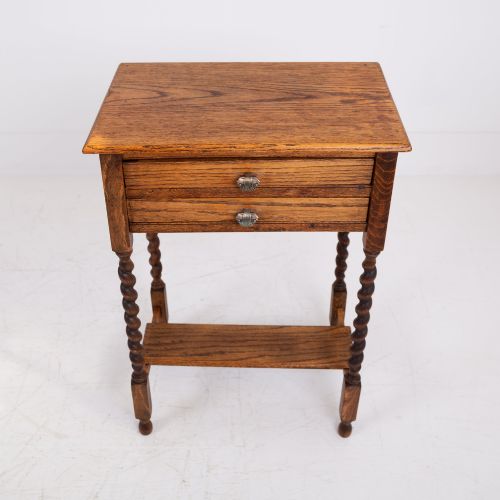
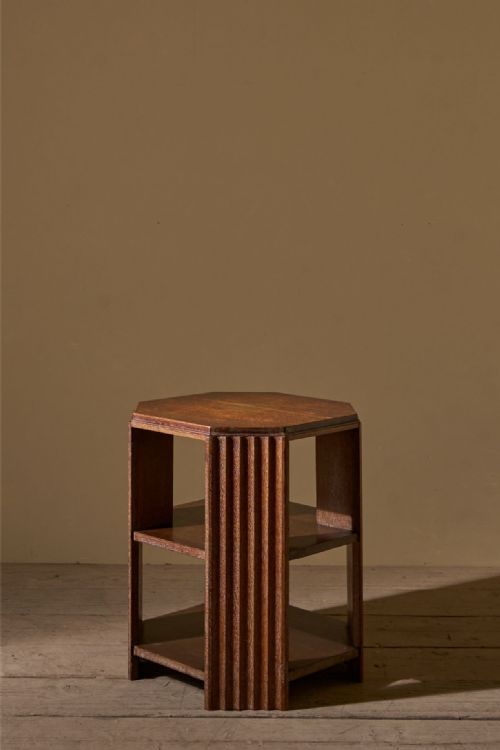
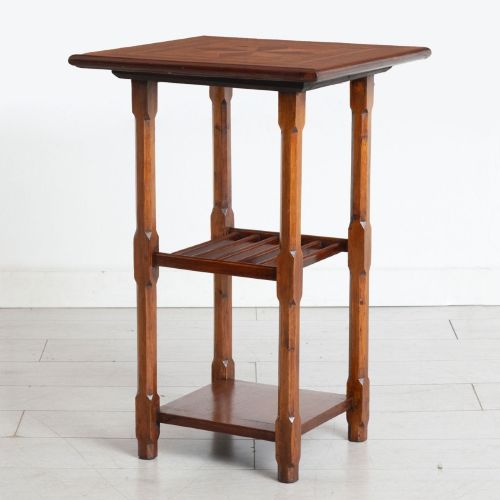
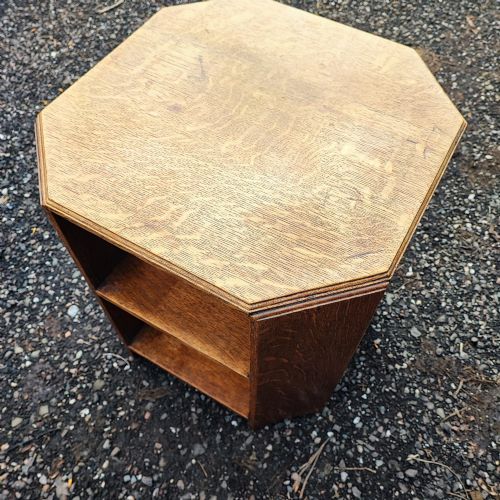
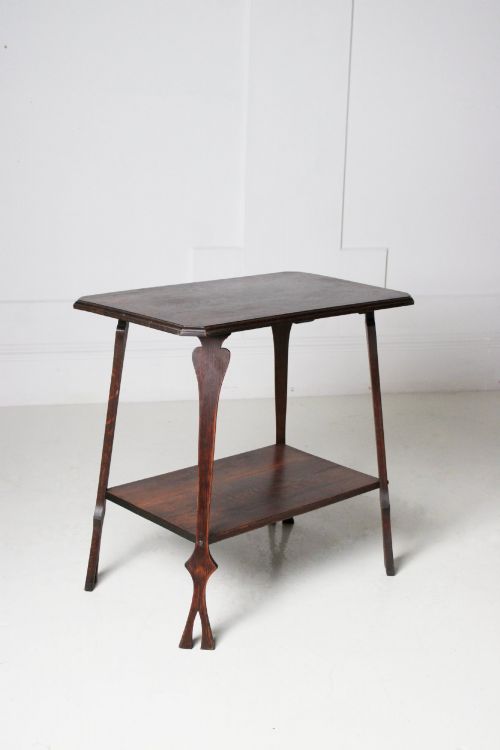
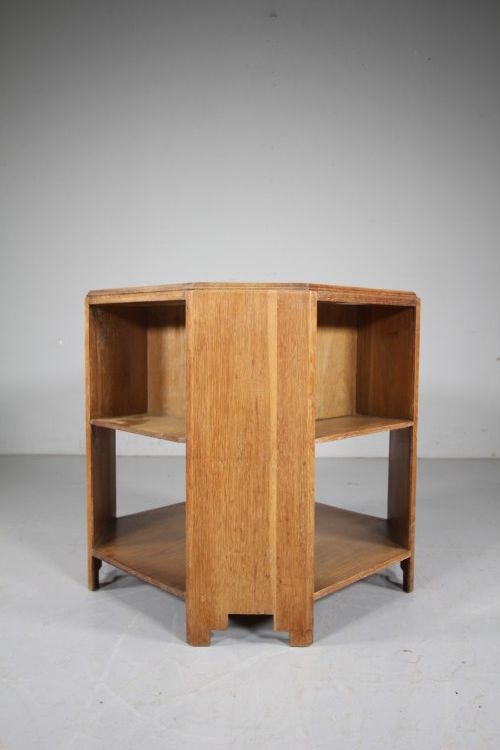
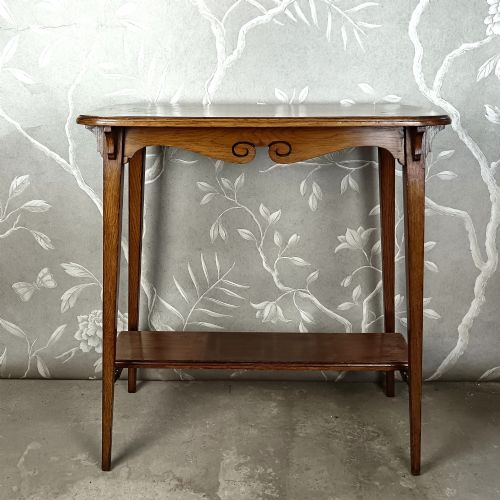
These pieces combine side tables with integrated lower tiers, offering compact surfaces alongside open storage for books and household items. The selection ranges from vernacular cricket tables and Georgian designs to twentieth-century Arts and Crafts and Art Deco interpretations.
You will frequently encounter Arts and Crafts examples, alongside vernacular tripod tables and multi-tiered bookcase tables from the nineteen-twenties and thirties. The form prioritises function, placing sturdy timber surfaces within reach while utilising lower shelves for display.
How they were made
Construction relies heavily on solid oak, chosen for durability and distinctive grain patterns, occasionally paired with painted finishes, specimen woods, or inlaid timber details. Joinery reflects the period of manufacture, from pegged joints on earlier vernacular pieces to the clean lines seen in twentieth-century workshop production.
Surface treatments vary from limed finishes and simple wax polishes to historic painted coatings, highlighting the natural character of the timber without obscuring the grain.
Materials extend beyond standard oak to include painted surfaces, inlaid timber, and specimen woods on selected multi-tiered tables.
What varies in quality
Quality rests in the proportions of the frame, the thickness and selection of the oak timber, and the integrity of the lower shelf attachments. Better examples demonstrate considered joinery and balanced weight distribution between tiers.
The distinction between standard commercial production and finer pieces lies in the subtlety of the shaping, the choice of quarter-sawn oak, and how well the lower shelves integrate with the primary support structure.
Heals·Liberty
The Oak Occasional Table Shelves Glossary
- Cricket table
- A small three-legged vernacular table with a round top, traditionally used beside the hearth.
- Tiered table
- A piece featuring one or more lower shelves positioned beneath the main surface for storage.
- Quarter-sawn oak
- Timber cut radially from the log to produce a distinct flecked grain pattern and greater stability.
- Limed oak
- A finish where a white pigment is rubbed into the grain to lighten the timber, popular in the twentieth century.
Oak Occasional Table Shelves: Frequently Asked Questions
What are oak occasional table shelves used for?
These tables function as versatile surface space in living areas, holding lamps, drinks, or decorative objects on the top tier while keeping books and magazines organised below.
The lower shelves provide open storage that helps keep smaller rooms tidy without enclosing the space behind cabinet doors.
How do I date an oak occasional table?
Dating relies on observing construction methods, timber preparation, and stylistic cues such as Arts and Crafts chamfering or Art Deco geometric lines. Earlier pieces show hand-finished joinery, while twentieth-century examples often utilise machine-planed boards and standardised fixings.
Period details like limed finishes or specific leg turnings help narrow the decade of manufacture.
How do I care for antique oak furniture?
Protect the timber by keeping it away from direct heat sources and sudden humidity changes that cause the wood to expand or contract. Regular dusting and occasional application of traditional beeswax maintain the finish without building up heavy residues.
Avoid using silicone-based polishes, which alter the natural sheen of the oak over time.
What is the difference between cricket tables and side tables?
Cricket tables traditionally feature three splayed legs and a round top, designed for stability on uneven floors near the hearth. Side tables typically feature four legs and square, rectangular, or octagonal tops with integrated lower shelves.
Both serve similar functional roles, but cricket tables represent an older vernacular tradition.