



Oak Log Holder
An oak log holder keeps fuel beside the hearth while adding solid warmth to the room.
Oak Log Holder
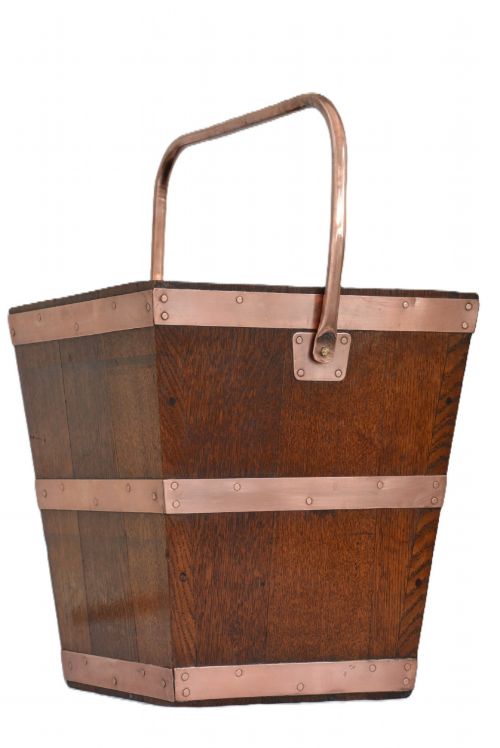
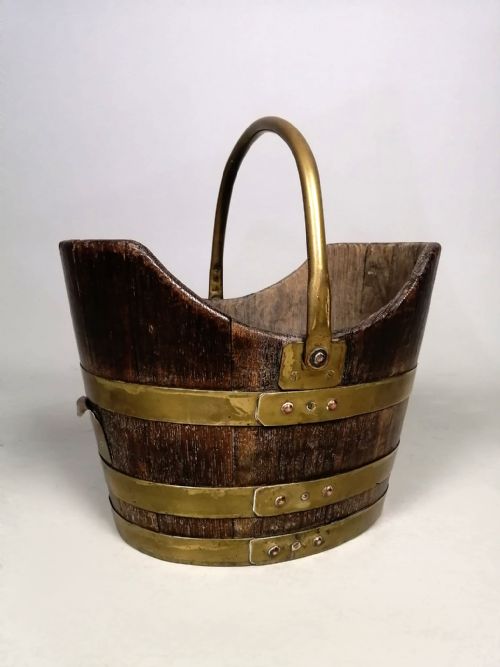
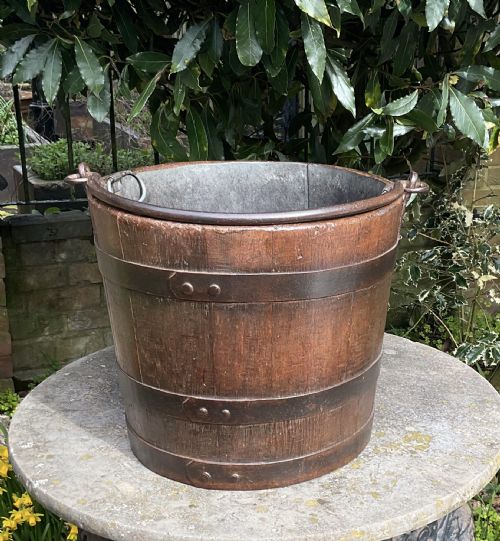
An oak log holder is a practical fireside accessory designed to store wood neatly beside the fireplace. When searching for an oak log holder, buyers encounter practical containers ranging from traditional country log boxes to coopered buckets and bins.
The pieces available span multiple periods including Georgian and Victorian eras, alongside rustic country and Edwardian examples. Forms vary from simple wooden baskets and carved cradles to metal-lined coal buckets and barrel-shaped stick stands.
Originating mostly from English and French traditions, these items serve functional roles as fireside stores, coal bins, and planters. Most examples rely on sturdy timber construction combined with metal bands or liners for everyday utility.
Materials and construction
Makers built these pieces primarily using solid oak and mixed woods, often employing traditional cooperage techniques to shape staves into sturdy barrels and buckets. Brass, iron, copper, and zinc provide structural reinforcement and interior protection against damp wood and ash.
Surface detailing ranges from exposed metal banding and umbrella loops to carved decoration on Victorian cradles. Metal liners ensure the wooden frames remain protected from moisture and debris associated with fireside use.
Oak Log Holder Retail Price Guide 2026
Typical asking prices for oak log holder among the pieces listed under this phrase on Sellingantiques today, from the lower quarter to the upper quarter. They describe what is for sale here now, not the wider market.
Listings feature oak combined with brass, iron, copper, and zinc across Georgian, Victorian, and Edwardian periods.
Judging quality and character
Quality rests in the integrity of the cooperage, the weight of the metal fittings, and the preservation of the timber. Tighter stave construction and robust handling rings distinguish substantial utility pieces from lighter decorative vessels.
Patina on the oak and the integration of original brass or copper bands separate standard workshop output from finer retail pieces originating from establishments such as Liberty.
Liberty London
The Oak Log Holder Glossary
- Coopered
- Built from wooden staves bound together with metal hoops, much like a traditional barrel. This method provides immense strength for holding heavy loads of logs.
- Coal hod
- A container designed specifically to hold coal for the hearth, frequently fitted with a hinged lid or a handle for carrying. They often feature metal linings to contain dust and small debris.
- Planter
- A vessel adapted for holding soil and plants, though many garden and well buckets serve double duty as fireside storage bins. Their waterproof linings make them versatile for holding wood.
- Stick stand
- A tall cylindrical holder traditionally used for walking sticks and umbrellas, sharing identical barrel-form construction with many log containers.
Oak Log Holder: Frequently Asked Questions
What is an oak log holder?
An oak log holder is a wooden container designed to store firewood neatly beside a fireplace or hearth. These pieces combine sturdy timber construction with metal bands and linings for daily use.
They appear in various forms including coopered buckets, bins, and adapted cradles. Their primary role remains practical fuel storage while contributing traditional character to a room.
How were old log buckets lined?
Historic log buckets frequently utilised metal inserts made from zinc, copper, or brass. These protective liners prevented dampness and dirt from damaging the wooden staves.
Such linings also made cleaning ash and wood debris much easier. Many surviving examples retain these original internal components.
Can I use an antique bucket for logs?
Most antique wooden buckets and bins function well for holding logs provided their structural staves and metal bands remain secure. Coopered vessels possess the natural strength required to bear the weight of heavy firewood.
Checking the condition of the base and interior liner helps ensure safe daily use near the fire. Many pieces originally made for coal or general storage adapt readily to modern log keeping.
How do I date a wooden log bin?
Dating relies upon examining the timber grain, construction techniques, and any accompanying metal hardware. Georgian and Victorian examples often display distinct tool marks and specific brass or iron banding styles.
Makers' marks or retail labels occasionally provide a more precise point of origin. Comparing the form to standard domestic accessories of the period clarifies the timeline.