

Oak Leather Desk
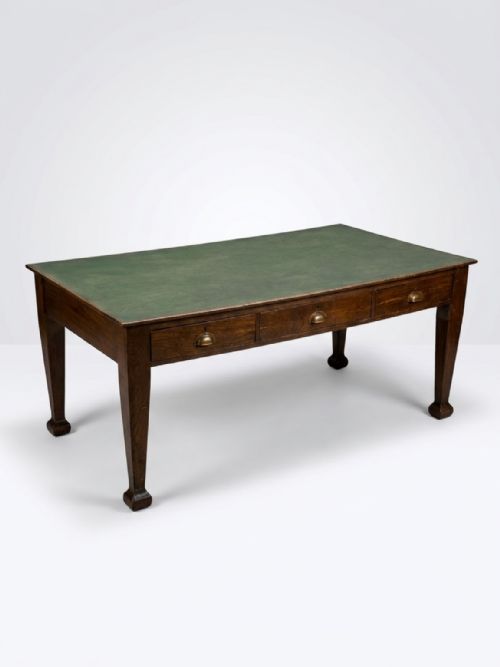
An oak leather desk brings together robust timber and a tactile writing surface for a workspace with genuine character.
Oak Leather Desk
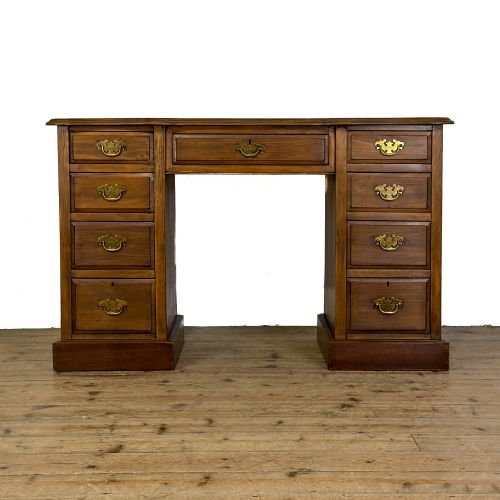
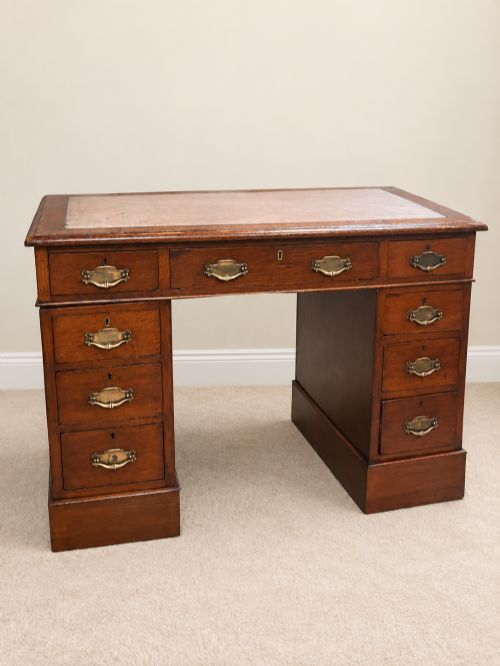
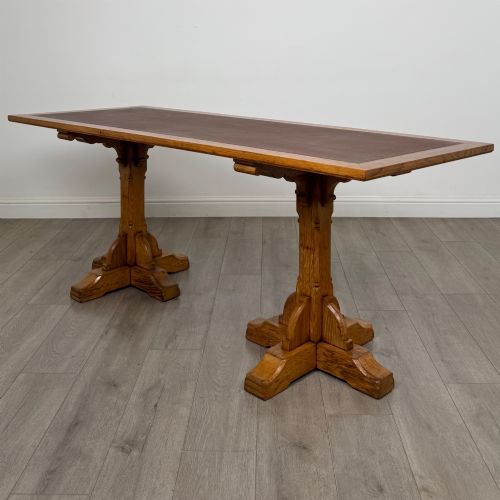
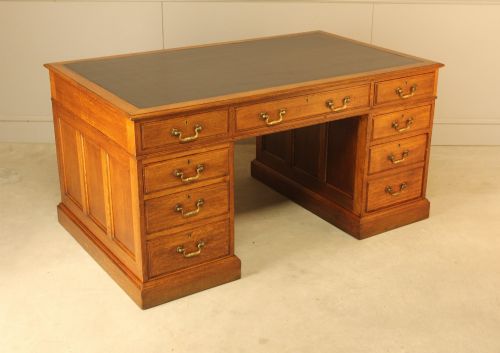
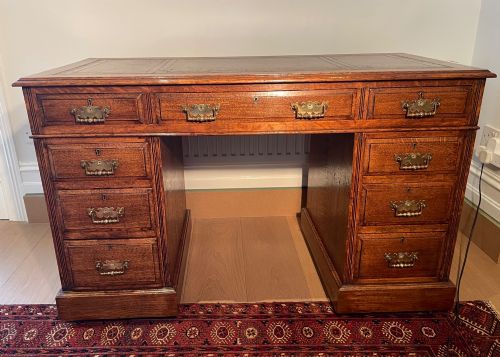
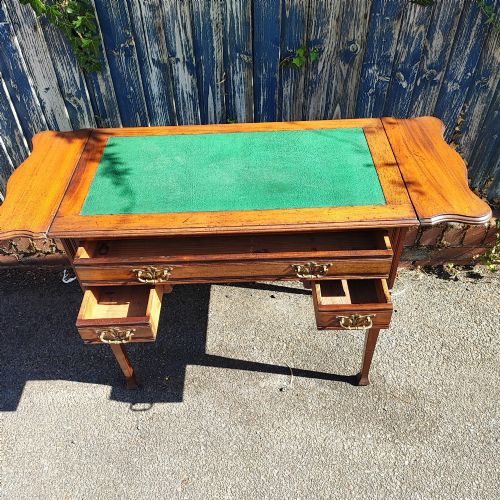
An oak leather desk spans substantial pedestal formats, partners tables, and compact writing tables designed for studies and offices. The selection draws heavily on Victorian and Edwardian periods, alongside Arts and Crafts examples featuring distinct timber grain.
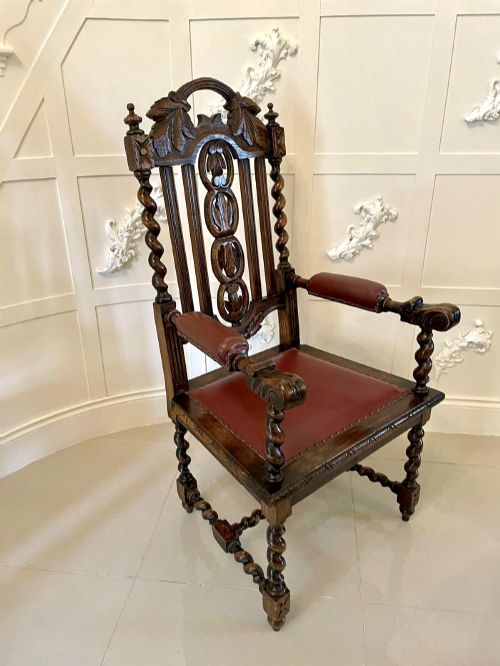
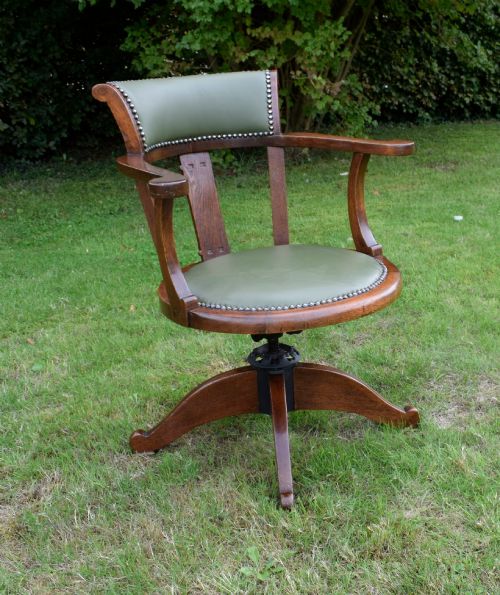
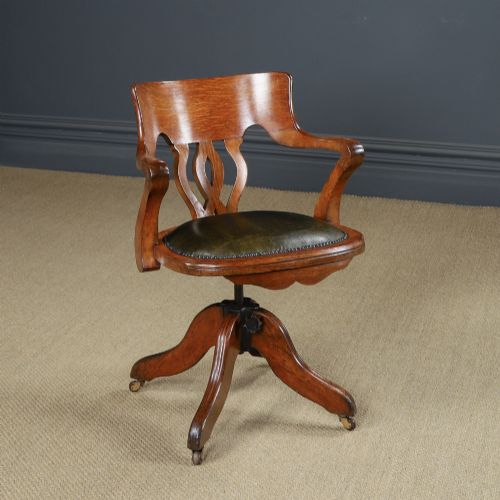
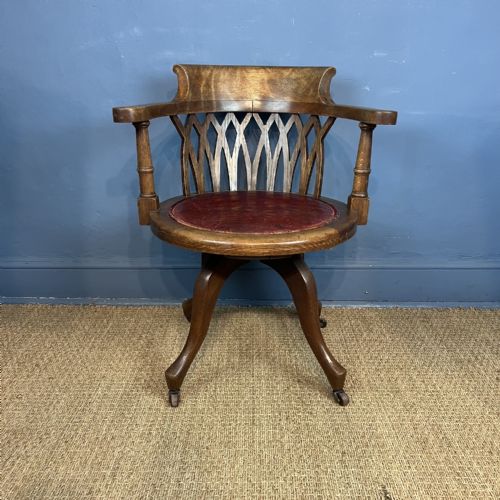
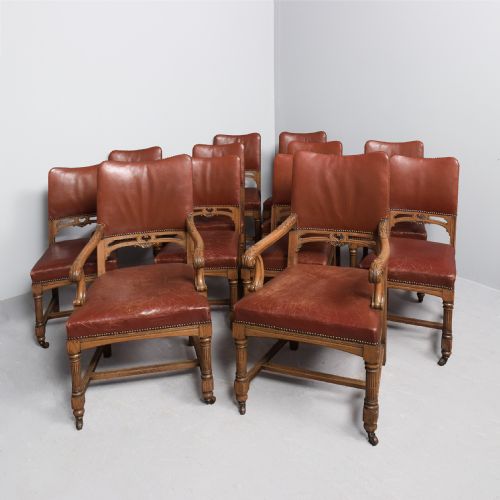
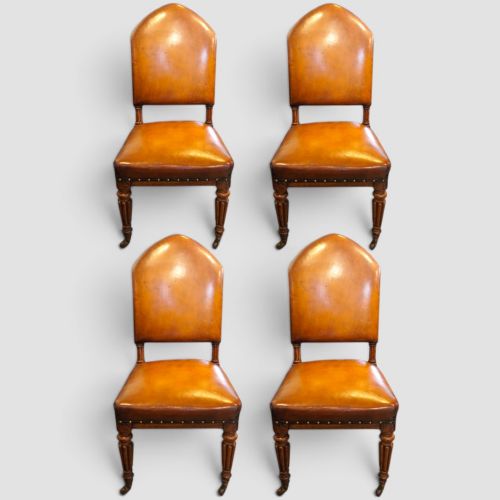
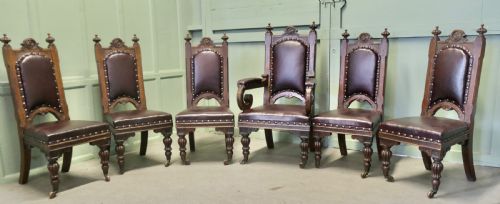
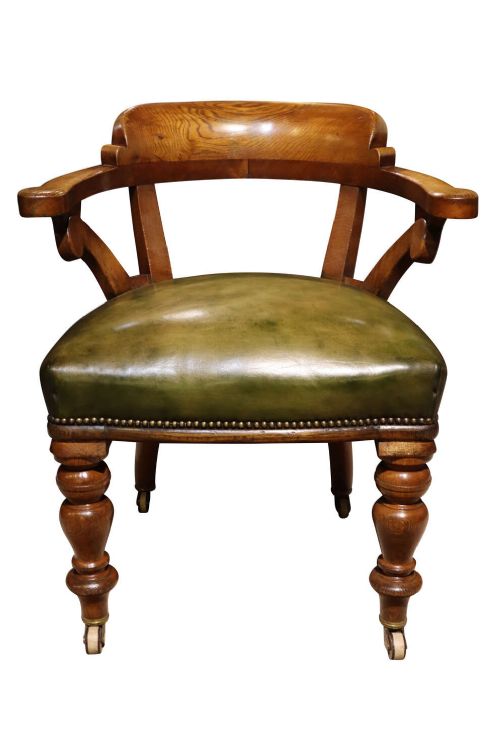
Many entries incorporate matching seating, including swivel desk chairs and library armchairs upholstered in leather to complement the writing surfaces. Forms range from kneehole configurations to large freestanding library tables intended for central placement in a room.
The material combination reflects working furniture built for daily utility from the mid-nineteenth century into the early twentieth century. Pieces demonstrate regional English craftsmanship alongside continental variations from the same eras.
How they were made
Construction relies on solid oak and figured oak timbers, frequently paired with secondary woods like walnut or mahogany in internal framing. Surfaces receive inset panels of cattle hide or leather, often finished with gilt tooling along the outer borders.
Hardware incorporates cast brass handles, iron mechanisms in swivel chairs, and occasionally pollard oak veneers selected for decorative burr patterns. Joinery utilises traditional methods suited to heavy commercial and domestic use.
Materials recorded across the archive include solid oak, golden oak, pollard oak, green leather, brown hide, and brass hardware.
What varies in quality
The treatment of the writing surface dictates overall execution, with finely tooled leather inserts and secondary woods showing greater attention to detail. Maker attribution, such as work associated with Gillows or James Shoolbred, elevates historical standing.
James Shoolbred & Co·William Birchcraft
The Oak Leather Desk Glossary
- Pedestal desk
- A twin-pedestal form featuring two banks of drawers supporting a central writing surface. This layout provides ample storage and stability for professional use.
- Partners desk
- A large double-sided writing table designed for two people to sit opposite one another. These pieces typically include drawers and cupboards accessible from both sides.
- Gilt tooling
- The application of gold leaf pressed into leather using heated brass rolls or stamps. This decorative border defines the perimeter of the writing area.
- Pollard oak
- Timber taken from trees that have been pollarded, producing dense clusters of branches and highly decorative knot patterns. Cabinetmakers prize this wood for feature panels.
- Revolving desk chair
- An office chair mounted on a central swivel spindle, frequently featuring an adjustable tilting mechanism. These chairs often combine bentwood elements with leather upholstery.
Oak Leather Desk: Frequently Asked Questions
How do I care for the leather top?
Clean the leather surface using a soft, dry cloth and apply a specialist leather conditioner periodically to prevent drying. Avoid placing hot cups or moisture directly onto the hide.
Keep the timber away from direct heat sources and sunlight to preserve the natural finish of the oak. Regular polishing with a traditional beeswax maintains the grain.
What is a partners desk?
A partners desk is a large workspace constructed with drawers and cupboards on both sides so two individuals can work opposite each other. These pieces frequently feature generous proportions and fine timber.
Such tables were traditionally utilised in solicitors' offices, banks, and large estate libraries. Their freestanding nature requires placement away from walls.
How can I date an oak desk?
Dating relies on architectural styles, construction methods, and hardware details visible across the piece. Victorian examples often display heavier carving or Gothic Revival influences, while Edwardian pieces lean towards simpler Arts and Crafts lines.
Examine drawer linings and timber thickness for signs of period manufacturing techniques. Maker stamps or labels inside drawers provide definitive chronological markers.
Are swivel chairs original to the desks?
Many period swivel chairs were manufactured alongside pedestal desks as matching office suites. These chairs feature timber frames and leather seats engineered for functional workspace utility.
Adjustable iron spindles and tilting mechanisms indicate late nineteenth or early twentieth-century production. Matching timber tones often confirm their association.