
Oak Hallway Seat
An oak hallway seat anchors a transitional space, offering a practical spot for shoes and bags while setting a tone of grounded craft.
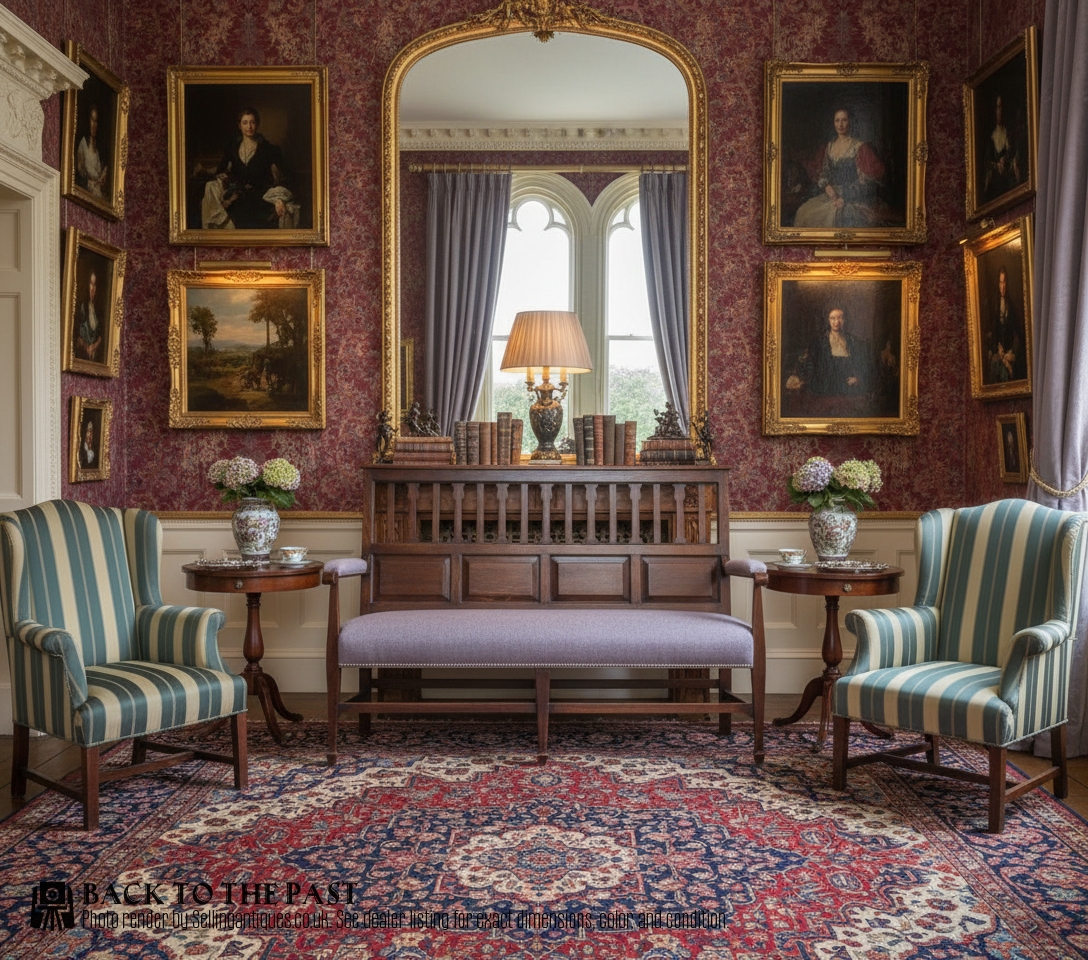
Oak Hallway Seat
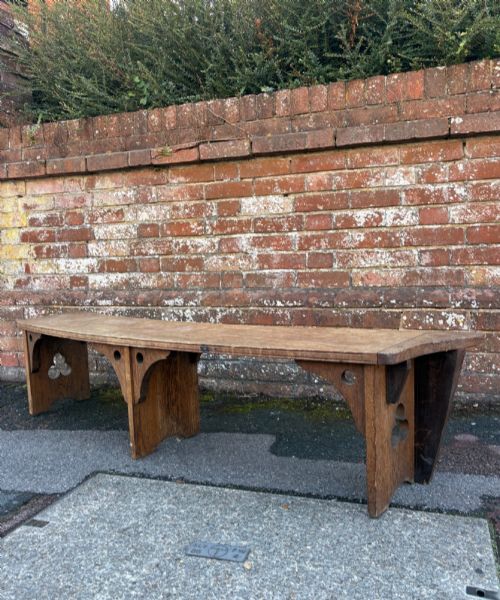
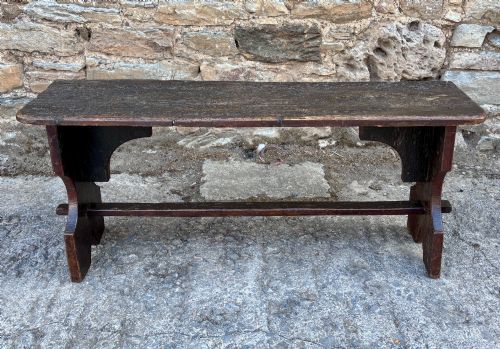
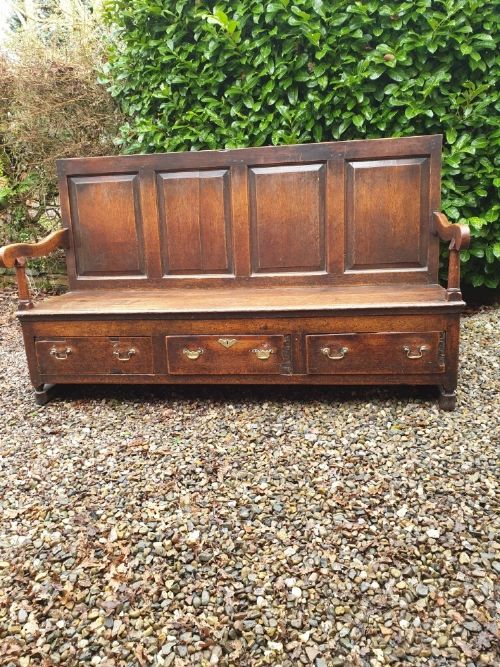
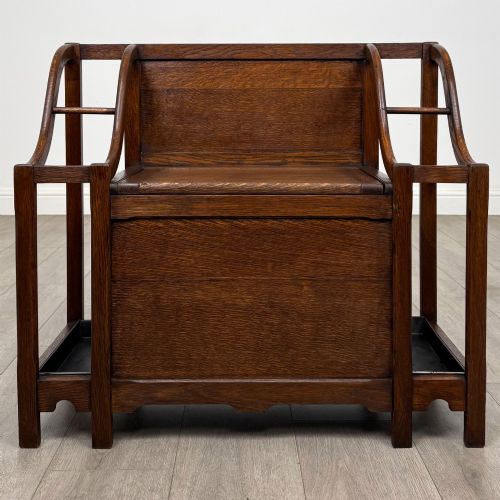
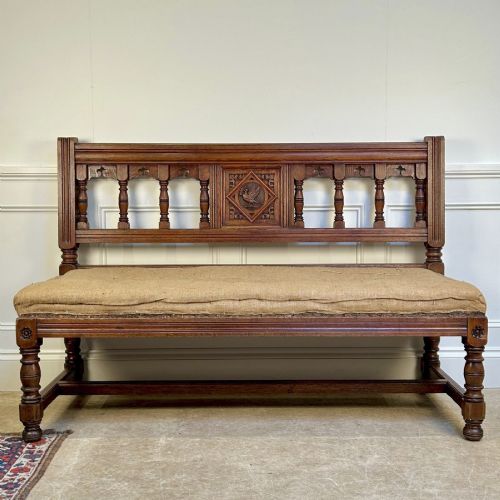
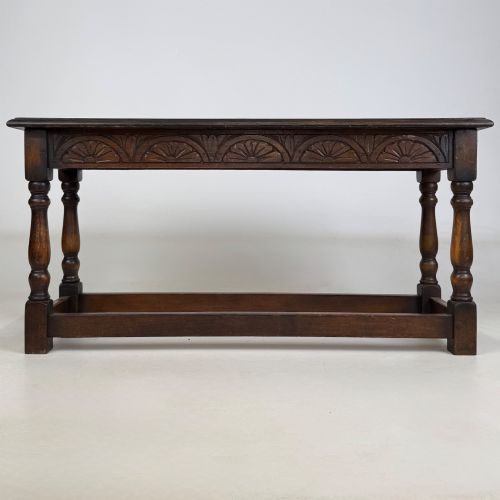
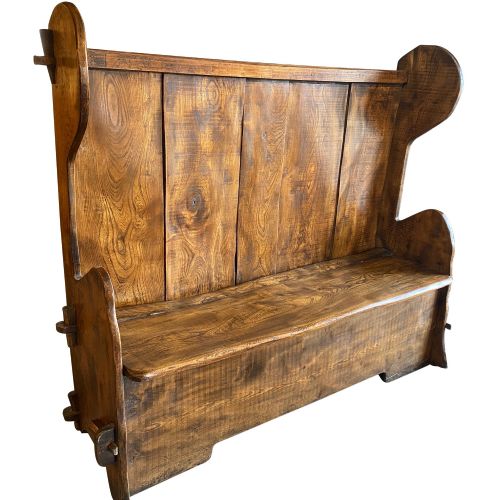
An oak hallway seat serves as functional entrance furniture, taking the form of benches, settles, and multi-functional stands designed for daily use. These pieces range from compact Edwardian window seats to large 18th century country house box settles with integrated storage.
Materials and construction
Carpenters built these entrance benches primarily from solid oak and elm, selecting timber for strength and prominent grain patterns. Panels were frequently joined using traditional framing techniques to accommodate seasonal wood movement in unheated hallways.
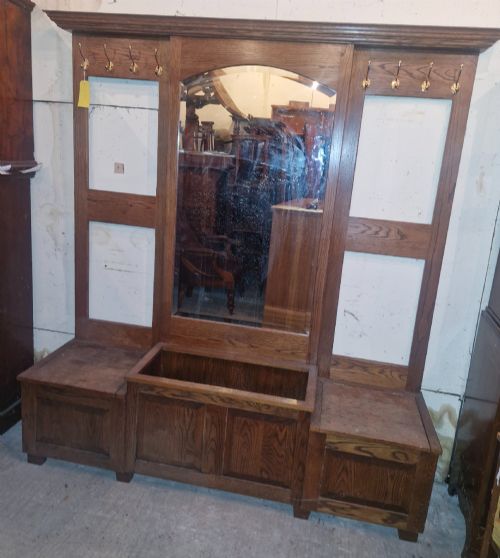
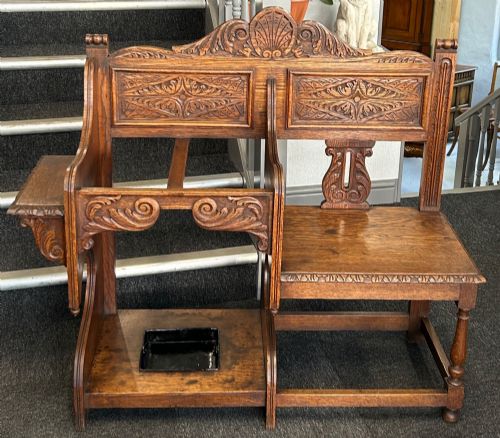
Metal components in brass and iron appear as hinges, coat hooks, and umbrella wells on multi-functional hall stands. Surface finishes rely on historic wax treatments and polished timber rather than modern synthetic sealants.
Listings span multiple eras from 18th-century country house furniture to 20th-century Edwardian designs, predominantly constructed in solid oak.
Assessing quality and proportion
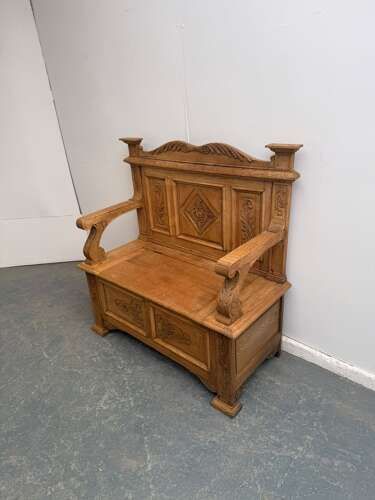
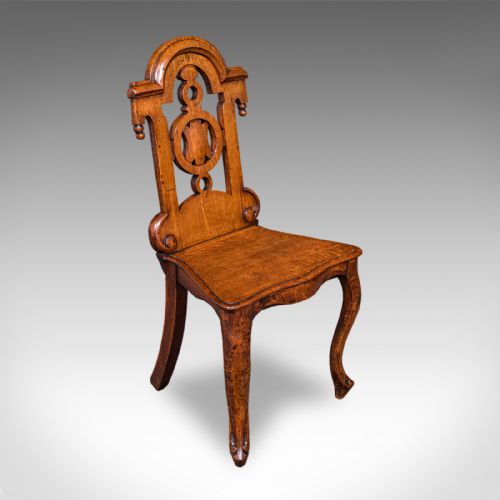
Distinction across the range lies in the depth of hand-carved detail, such as trefoil supports, heraldic shield backs, and figural Green Man motifs. Finer items exhibit crisp joinery and thoughtful proportions that suit narrow corridors without obstructing movement.
The integration of secondary functions, like lift-up box seats, hidden boot storage, and built-in stick stands, dictates the sophistication of the piece. Well-preserved surfaces retain an honest, waxed patina developed through generations of domestic handling.
Gillows·James Shoolbred & Co.·Shapland & Petter·Liberty
The Oak Hallway Seat Glossary
- Settle
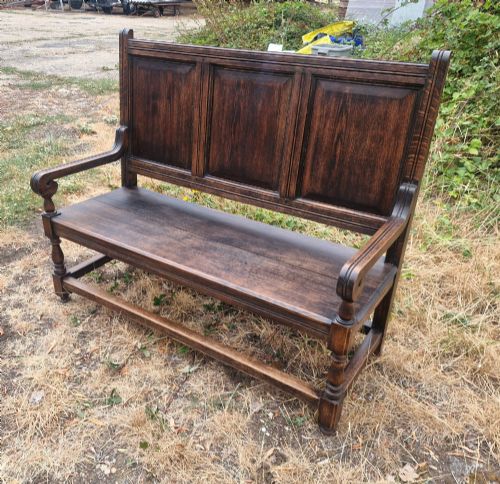
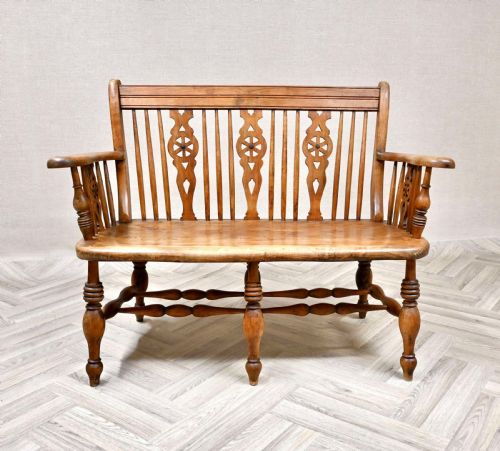
- A wooden bench with high back and solid arms, often featuring a box compartment beneath the seat for storage. These items provided draught protection in older halls.
- Box settle
- A variant incorporating a hinged lid on the seat base to hold blankets or footwear. This form maximised utility in traditional dwellings.
- Hall chair
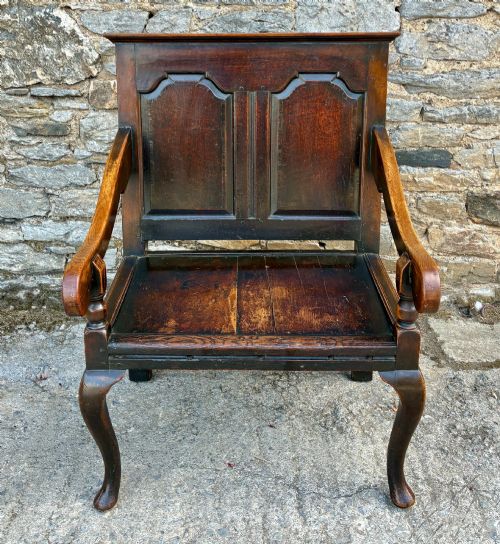
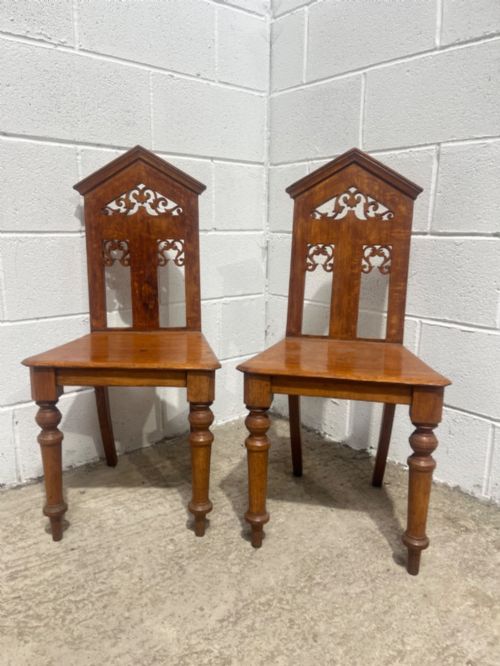
- A rigid, upright wooden seat designed for an entrance space rather than prolonged sitting, frequently displaying a carved family crest or shield on the back.
- Jacobean Revival
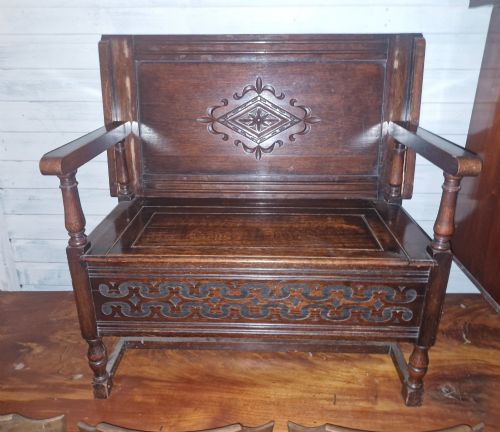
- A 19th-century design movement copying 17th-century English decorative motifs, characterised by heavy turning, geometric panelling, and deep relief carving.
- Monks bench
- A convertible piece of furniture functioning as both a bench and a table through a pivoting back mechanism.
Oak Hallway Seat: Frequently Asked Questions
How do I choose the right size for a narrow entrance?
Measure the corridor width carefully, leaving sufficient clearance for doors to open and people to pass comfortably. Slimmer chair pairs or compact box seats suit tight spaces better than deep multi-functional stands.
Consider whether you require integrated storage for boots and umbrellas, as lidded benches combine seating with concealed utility.
Are these benches sturdy enough for daily seating?
Solid oak and elm construction provides robust structural integrity designed for heavy everyday use in busy hallways. Traditional mortise and tenon joinery ensures these frames remain stable over centuries.
Periodic waxing maintains the timber's moisture balance and protects the surface from daily wear caused by coats and bags.
How do I distinguish 18th-century settles from later revival pieces?
Examine the timber boards for hand-tool marks, pegged joints, and natural shrinkage patterns characteristic of earlier forestry and carpentry methods. Older pieces often display vernacular quirks and deeper patination from extended service.
Revival furniture from the 19th century typically shows machine-sawn consistency, standardised fixings, and self-conscious historical styling like Gothic tracery.
What is the function of a hall stand combination?
These multifunctional pieces integrate a bench seat with vertical panels fitted with brass coat hooks, umbrella trays, and mirrors. They acted as all-in-one cloakroom stations for Victorian and Edwardian households.
Footprint management was key, allowing homeowners to store outdoor garments and wet gear in a single designated zone near the front door.