
Oak Hall Side Table
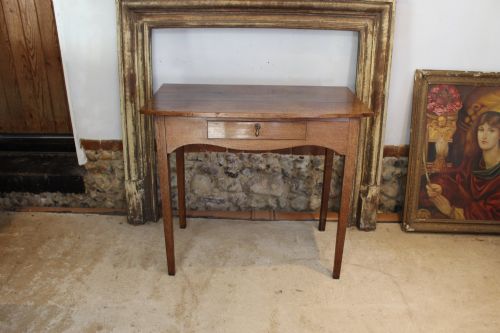
An oak hall side table stands ready in an entryway, offering a practical surface for daily necessities while anchoring the room with enduring timber character.
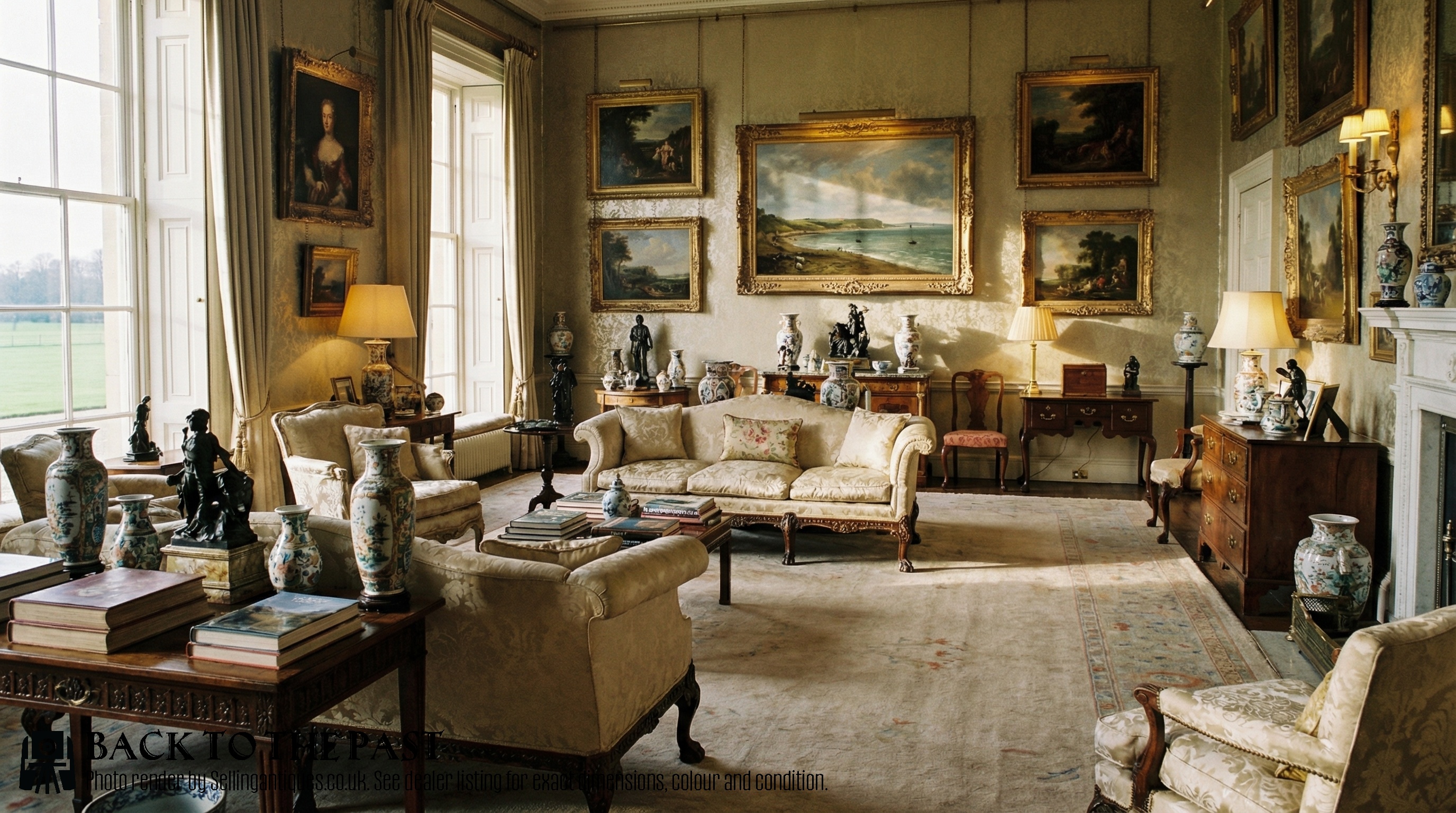
Oak Hall Side Table
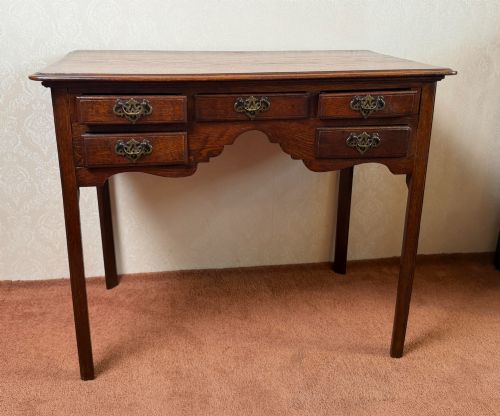
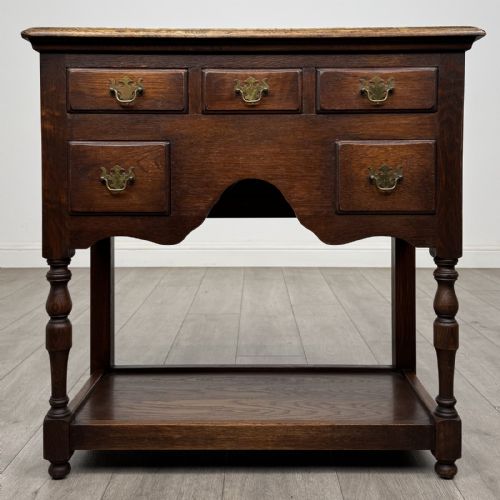
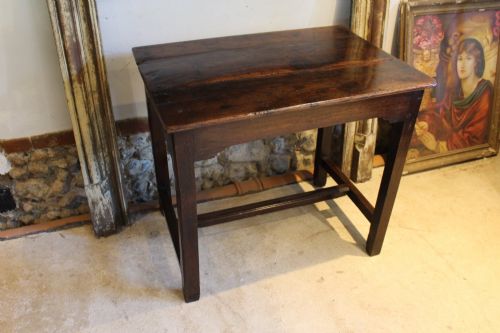
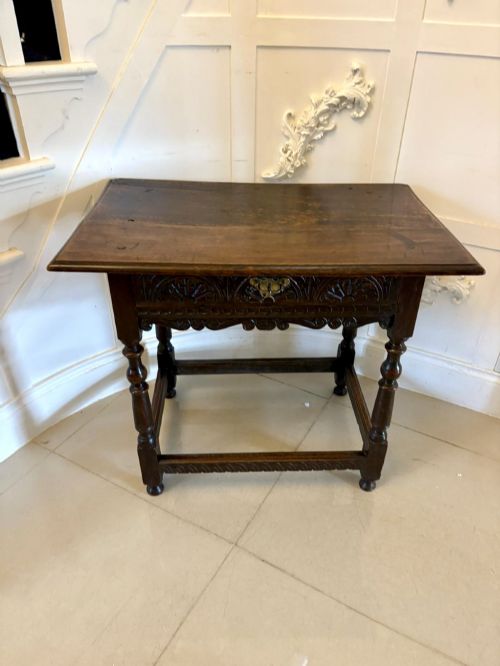
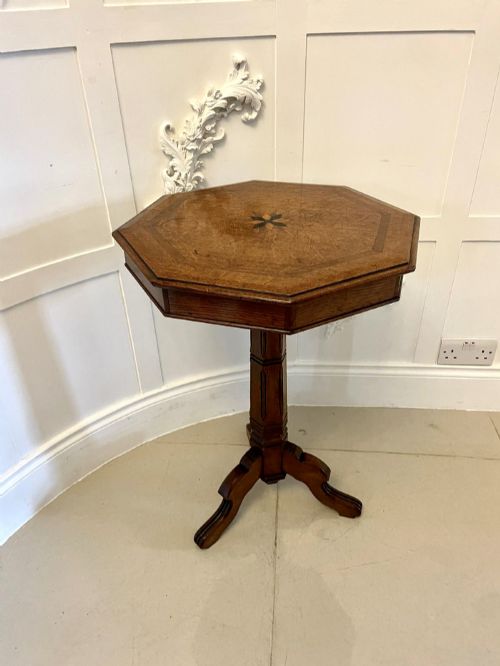
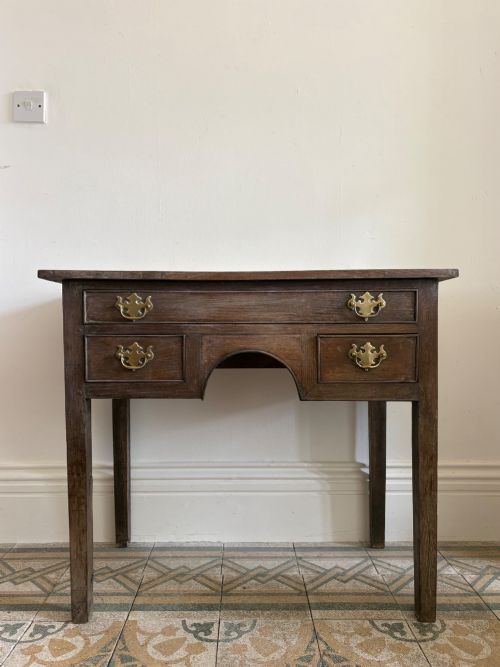
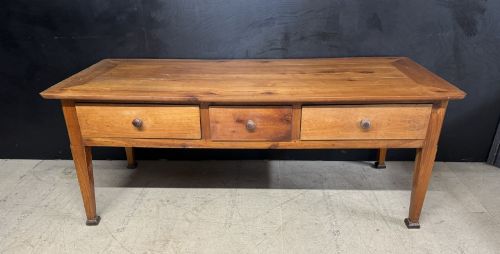
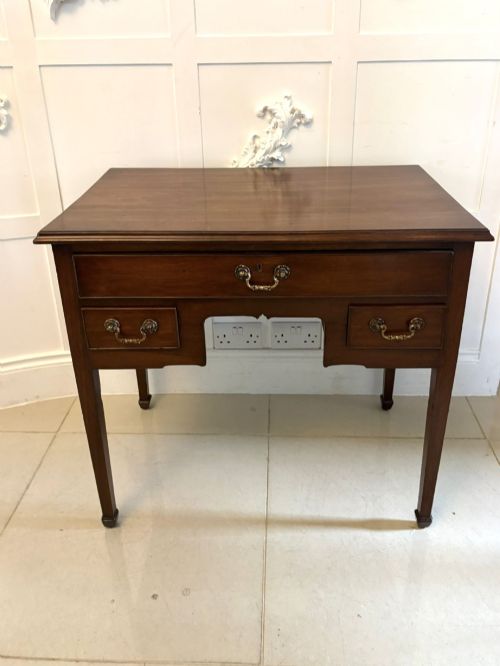
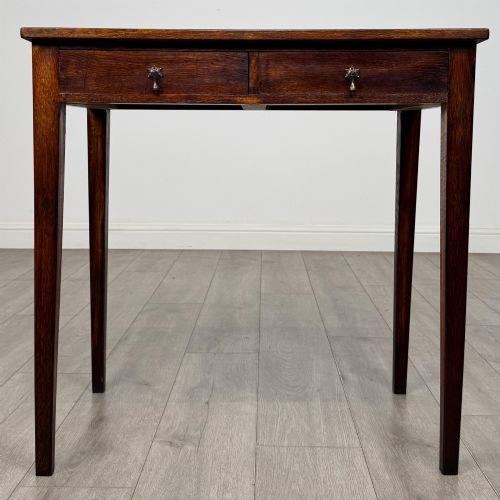
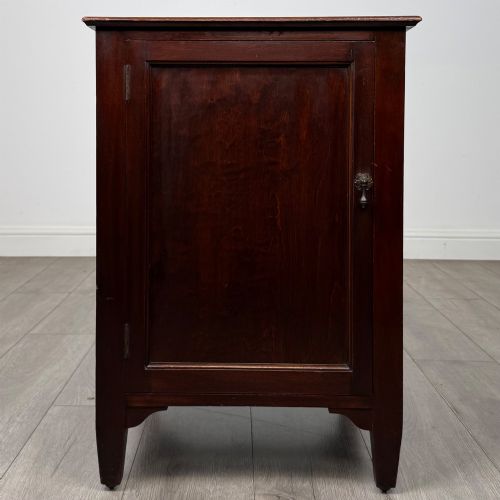
The search for an oak hall side table reveals versatile pieces spanning the seventeenth century through the Edwardian era, encompassing lowboys, writing desks, and console tables.
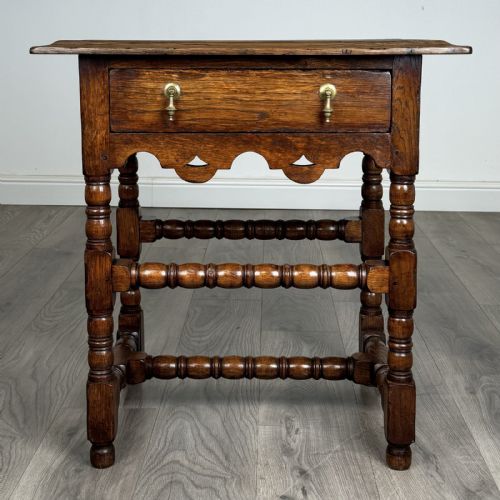
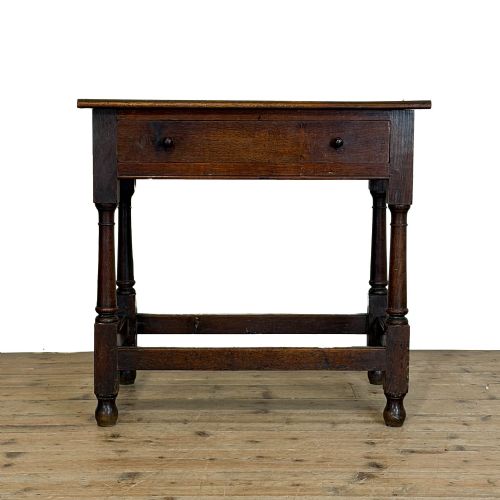
Early examples from the seventeenth and eighteenth centuries display vernacular craftsmanship and regional British character, often featuring single or multiple drawers.
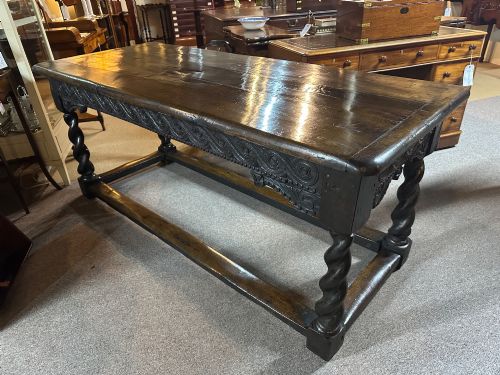
Victorian and Edwardian interpretations bring carved decoration, barley twist legs, and Jacobean revival styles suited to entrance halls and reception rooms.
Materials and Construction
Solid oak forms the primary structural foundation of these tables, occasionally supplemented by secondary timbers such as elm, yew, or ash in country-made pieces.
Traditional joinery techniques including pegged mortise and tenon joints secure the frames, while brass or iron handles accent fitted drawers.
Listings demonstrate a broad span from seventeenth-century William and Mary examples to Edwardian iterations, utilising solid oak alongside occasional elm and yew.
Evaluating Craftsmanship
Quality rests upon timber selection, timber thickness, and the integrity of the original construction rather than decorative flourishes.
Superior examples display crisp hand-carving, well-fitted drawer linings, and minimal replacement to primary structural elements over the centuries.
Heal And Son·Gillow And Co
The Oak Hall Side Table Glossary
- Lowboy
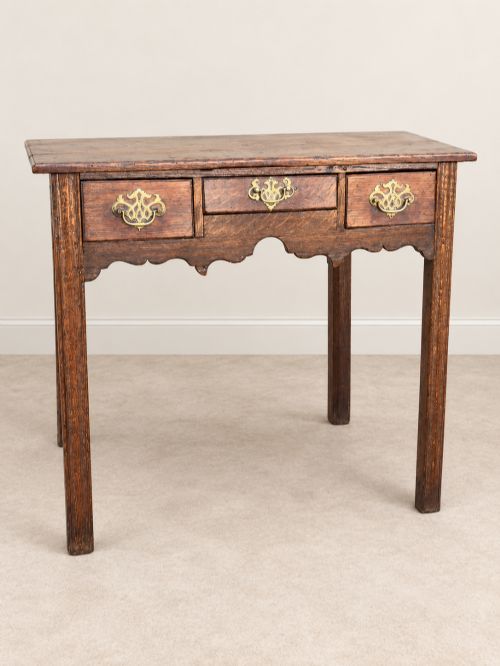
- A small eighteenth-century dressing or side table featuring one or more rows of drawers beneath the work surface. These tables typically stand on slender cabriole or straight legs.
- Dresser Base
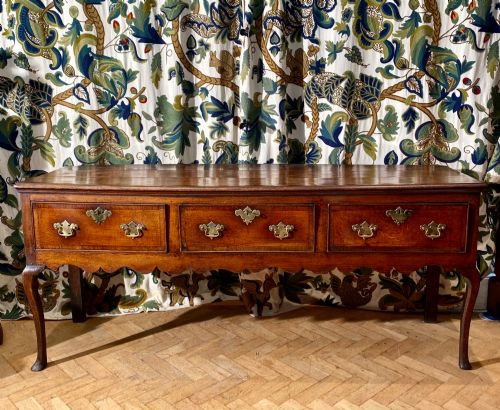
- A robust lower sideboard structure providing substantial storage beneath a wide top surface. These heavy pieces originate from country houses and farmhouses.
- Jacobean Revival
- A nineteenth-century decorative style imitating seventeenth-century English joinery and carving motifs. This aesthetic brings heavy geometric paneling and turned elements to later furniture.
- Barley Twist
- A turning technique producing a spiral rope effect along table legs and stretchers. Cabinetmakers utilised this method extensively during the seventeenth and late nineteenth centuries.
- Console Table
- A wall-mounted or freestanding narrow table designed for hallways and reception spaces. These tables maximise surface area while maintaining a shallow depth for restricted spaces.
Oak Hall Side Table: Frequently Asked Questions
Where should I place an oak hall side table?
These narrow tables suit entrance halls, corridors, and reception rooms where floor space is limited. Their surfaces accommodate post and keys while maintaining clear pathways.
They also function effectively behind sofas or as compact writing desks in smaller studies.
How do I identify seventeenth-century oak tables?
Seventeenth-century examples display pegged mortise and tenon frames, hand-planed surfaces, and distinct timber medullary rays. The proportions tend to be robust with straight legs joined by low stretchers.
Later revivals often exhibit machine-cut elements or softer secondary timbers behind the primary oak facade.
Did these tables always have drawers?
Many provincial tables and lowboys incorporated one, two, or three drawers for household storage. Simpler side tables omitted drawers entirely to serve as serving or display surfaces.
Drawer configuration frequently helps indicate the period and regional origin of the piece.
How do I care for solid oak furniture?
Maintain the timber by applying natural beeswax periodically to nourish the dry grain and protect the surface from moisture. Avoid placing antique tables near direct heat sources that cause wood shrinkage.
Gentle dusting with a soft cloth preserves the accumulated patina built up over centuries of use.